Stretched Timing Chain: Symptoms, Inspection, and Replacement
A stretched timing chain is a wear condition that affects cam timing, valve control, and engine starting behaviour. In practice, the chain does not “stretch” like an elastic part; pin and bush wear increases effective length, and the timing system loses accuracy. For procurement teams and workshop buyers, the issue matters because one failure mode can lead to repeat repairs, warranty returns, and avoidable labour cost. The signs are usually measurable: correlation faults, rattle on cold start, poor idle stability, and timing deviation at inspection.
Driventus supplies timing chains and related engine components for aftermarket and OEM programmes. Driventus is an independent aftermarket manufacturer; brand names are referenced for fitment only. All production is managed under IATF 16949:2016 and ISO 9001:2015 processes, with material and dimensional controls aligned to application requirements. If you are sourcing a replacement chain set, compare OE 06A107065-style references, confirm tooth count and pitch, and verify compatibility with guides, tensioners, and sprockets before release.
What a stretched timing chain does to engine timing
A timing chain runs the crankshaft and camshaft in fixed phase. As wear accumulates in the pins and bushes, chain length increases in small increments across many links. That change is enough to move cam timing outside the intended window.
Typical effects include:
- Retarded cam timing, especially at higher mileage
- Rough idle and weak low-end response
- Hard starting or extended crank time
- Diagnostic trouble codes related to cam/crank correlation
- Rattle during the first seconds after start-up
For fleet and workshop buyers, the key point is that symptoms often appear before visible damage. The chain may still run, but the engine control system can detect phase drift. A unit that has exceeded its wear limit should not be re-used after a tensioner or guide fault, because the whole timing set is usually affected.
How to inspect a timing chain for wear
Inspection should combine scan data, mechanical checks, and a visual review of the full timing set.
Practical inspection checklist
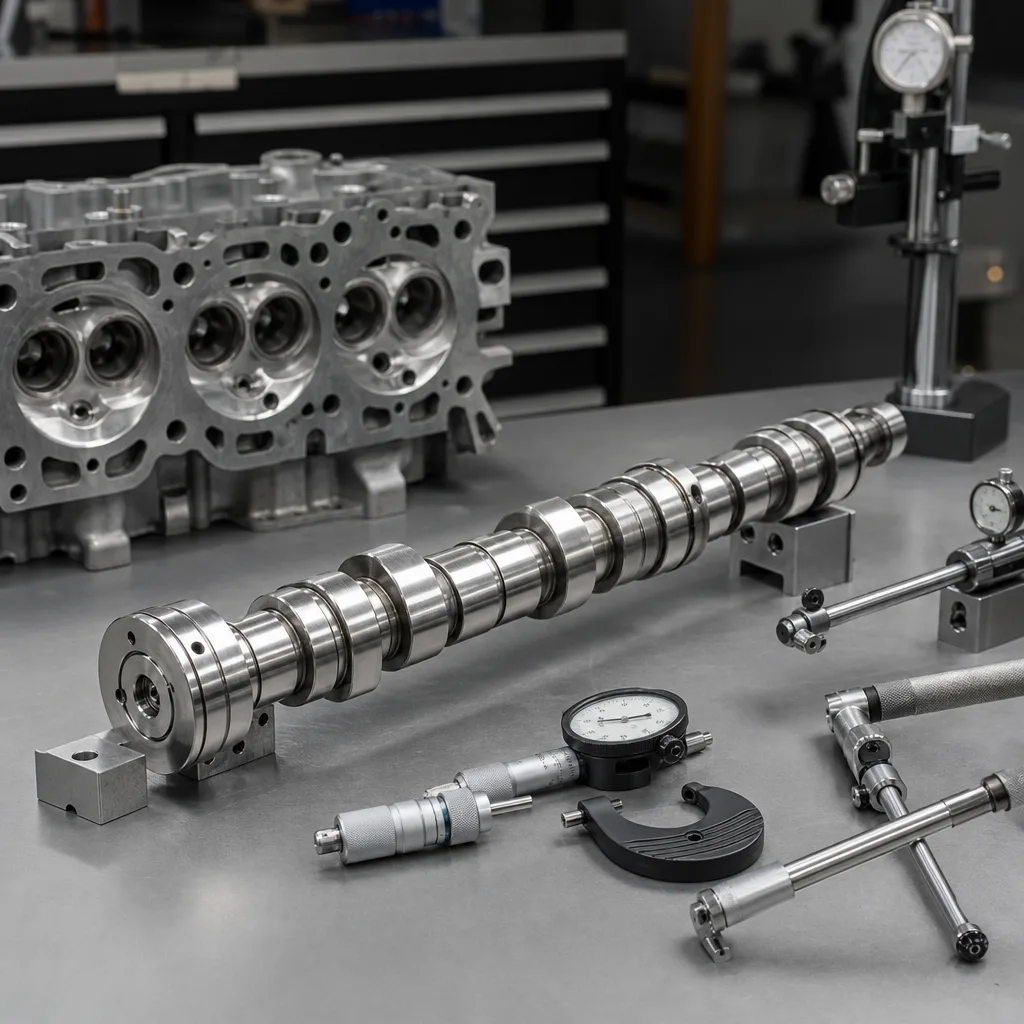
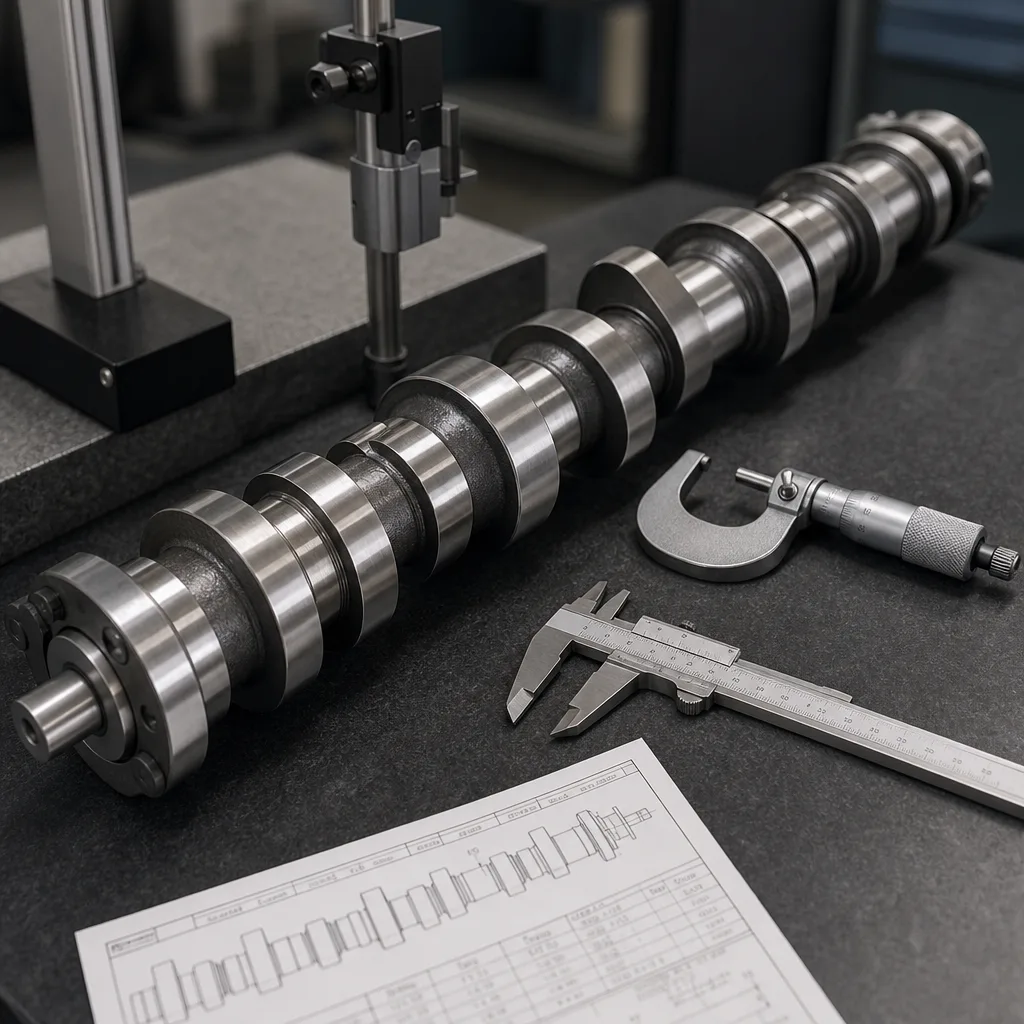
1. Read cam/crank correlation data with a diagnostic tool. 2. Listen for chain rattle at cold start and during quick throttle blips. 3. Check tensioner extension position, if accessible. 4. Inspect guide rails for wear, cracking, or plastic debris. 5. Remove the cover when required and measure chain elongation against the service manual. 6. Replace associated sprockets, guides, and tensioner if wear is outside tolerance.
If the engine uses OE 06A107065-style references or similar cross-referenced numbers, confirm the exact application by engine code, model year, and valve-train variant. A part that fits the physical cavity may still fail on pitch, width, or tensioner compatibility.
Replacement criteria for procurement teams
Replacement is justified when the chain shows measurable elongation, when correlation faults return after reset, or when the tensioner reaches its limit. For sourcing, the question is not only whether the chain fits, but whether the full set is dimensionally stable over the intended service interval.
| Check point | What to verify | Why it matters |
|---|---|---|
| Chain pitch and width | Match OE drawing or validated sample | Avoid sprocket mismatch |
| Pin/bush wear control | Consistent heat treatment and hardness | Reduces elongation rate |
| Tensioner compatibility | Stroke, preload, oil-feed design | Prevents repeat noise |
| Guide material | Polymer grade and wear surface | Limits debris and noise |
| Corrosion resistance | Packaging, oiling, surface finish | Protects shelf life |