Cylinder Head Jeep Wholesale: Sourcing Guide for Buyers
Cylinder head jeep wholesale sourcing is usually driven by fitment control, casting quality, and stable supply rather than unit price alone. Buyers need a supplier that can match OE dimensions, hold machining consistency, and provide documented inspection data for export markets. For Jeep applications, the cylinder head must align with combustion chamber volume, valve seat geometry, coolant passages, and surface finish requirements across engine families used in the aftermarket. Driventus supplies engine and powertrain components from Taizhou, Zhejiang, with IATF 16949:2016 and ISO 9001:2015 systems in place. Driventus is an independent aftermarket manufacturer; brand names are referenced for fitment only. For procurement teams, the main questions are MOQ, lead time, packaging, testing scope, and whether the factory can support OE-number cross-reference work without claiming OEM approval. This article explains what to verify before placing a wholesale order and how to reduce mismatch risk on incoming stock.
What wholesale buyers should verify first
A cylinder head purchase should start with engine code, OE cross-reference, and application range. For Jeep programmes, the same vehicle line can use different head castings across displacement, emissions package, and market. Do not rely on vehicle model alone.
Key checks before RFQ:
- Engine family and cylinder count
- OE reference, for example OE 06A107065 when the application uses that format
- Material specification: cast iron or aluminium alloy
- Valve train type: SOHC, DOHC, 2-valve, 4-valve
- Head gasket interface and deck flatness requirement
- Port configuration, injector boss position, and sensor ports
- Supplied condition: bare head, fully assembled, or with valves and springs
For wholesale buyers, the lowest-risk order is the one built from verified part numbers and measured sample data. If your team needs a broader engine programme, review our catalog and engine components first.
Typical cylinder head specification targets
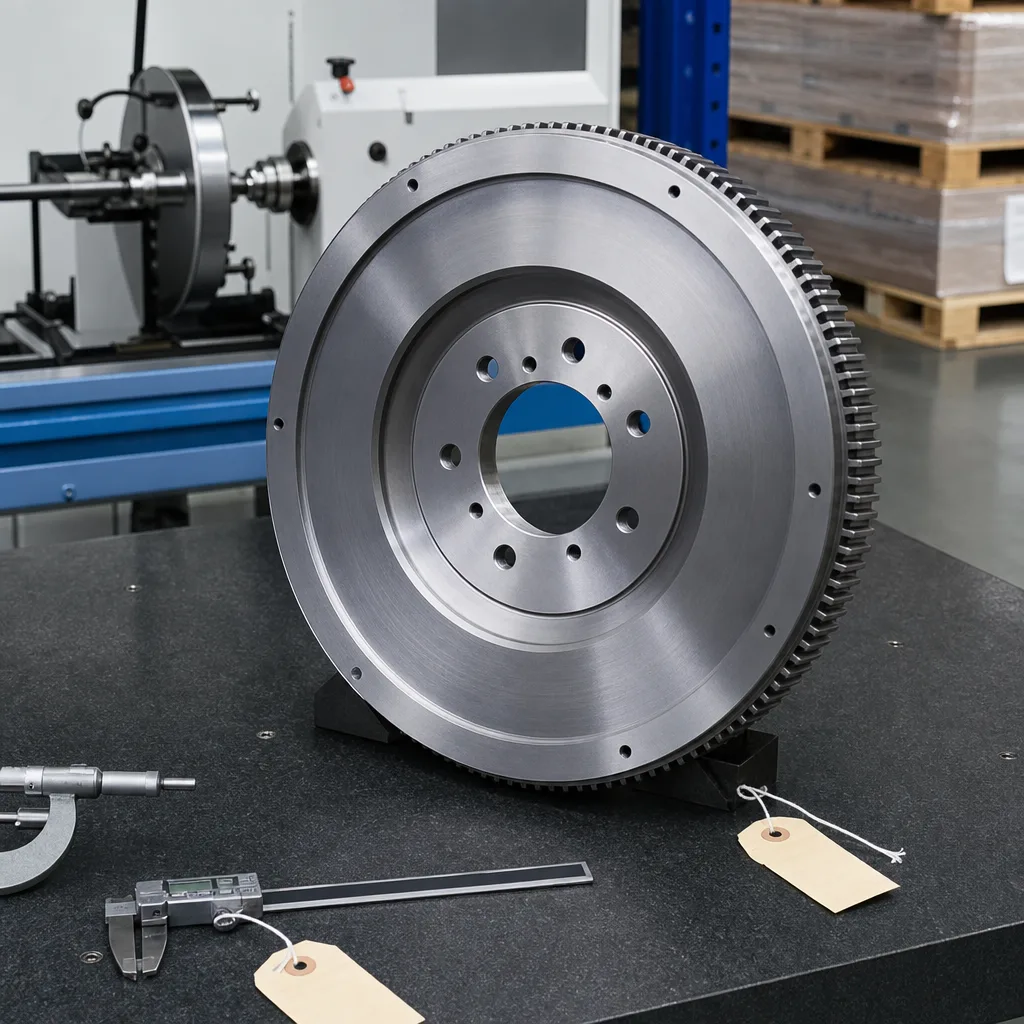
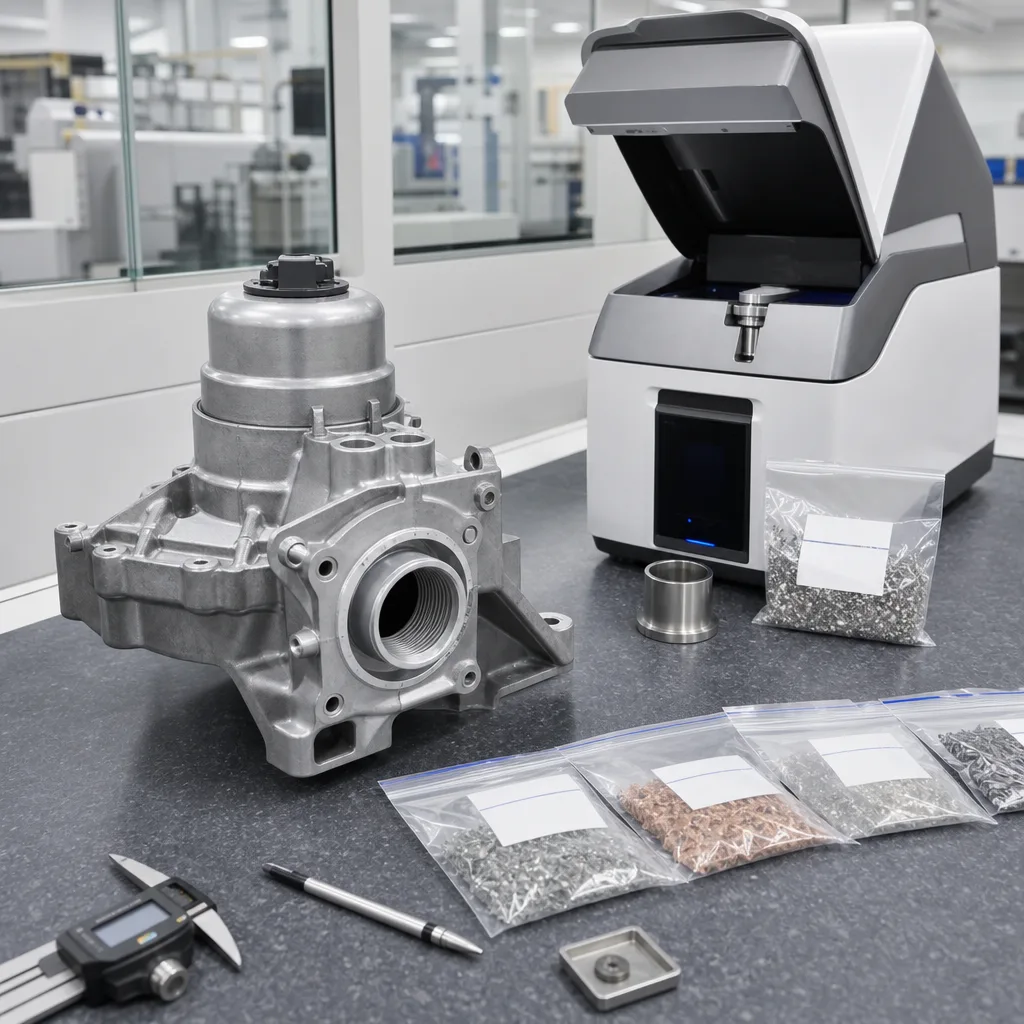
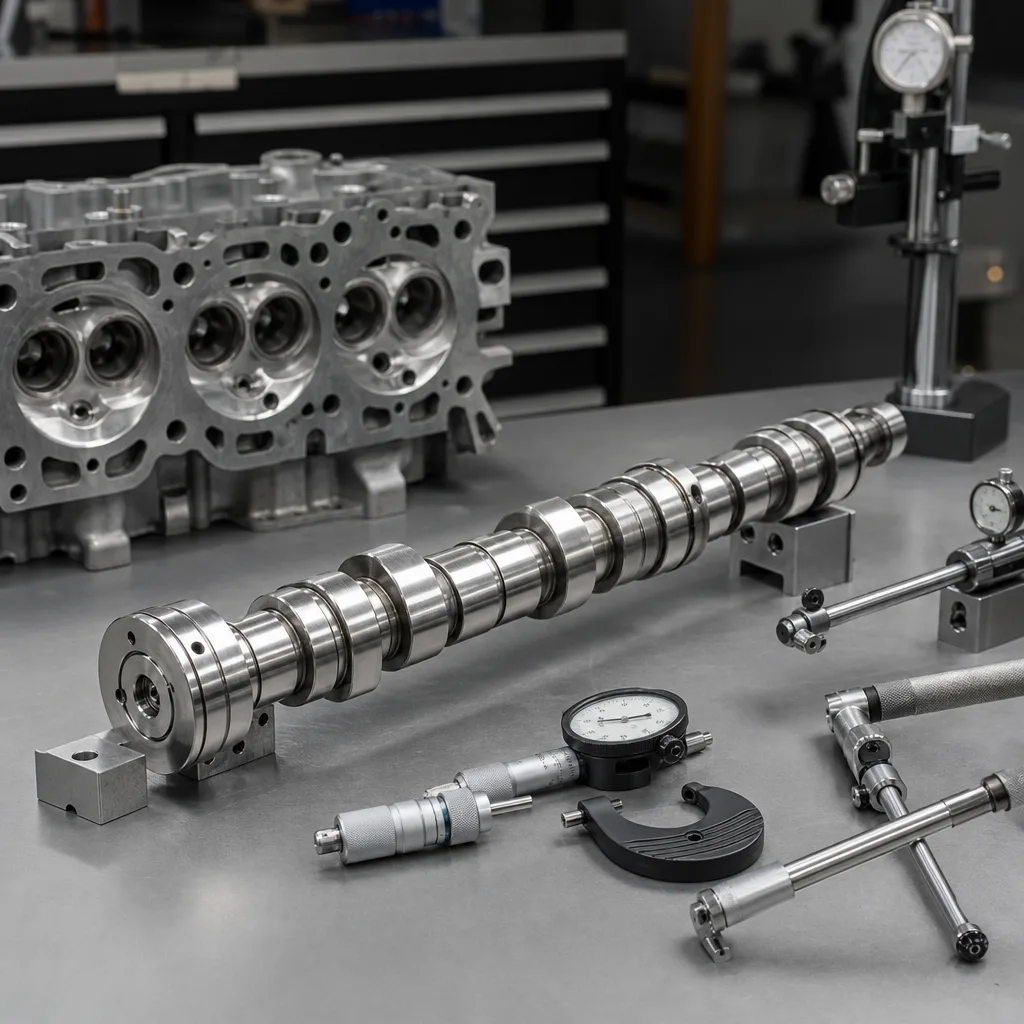
Procurement teams often compare heads on price, but technical consistency is what protects claims and returns. The table below shows the main checkpoints used in export supply.
| Item | Typical control point | Buyer relevance |
|---|---|---|
| Material | Aluminium alloy or grey cast iron | Weight, thermal behaviour, machining method |
| Flatness | Controlled by machining and final inspection | Gasket sealing and compression retention |
| Surface finish | Measured on deck and critical faces | Leak resistance and repeatability |
| Valve seat concentricity | Verified during assembly and inspection | Combustion stability and durability |
| Pressure test | Water jacket leak test | Detects porosity and casting defects |
| Crack inspection | Visual plus dye penetrant or equivalent method | Reduces early failure risk |
| Pack-out | Caps, plugs, corrosion protection, and carton protection | Export handling and warehouse loss control |