camshaft · 2026-05-29

Camshaft for Peugeot 3008 Replacement: Fitment Checks

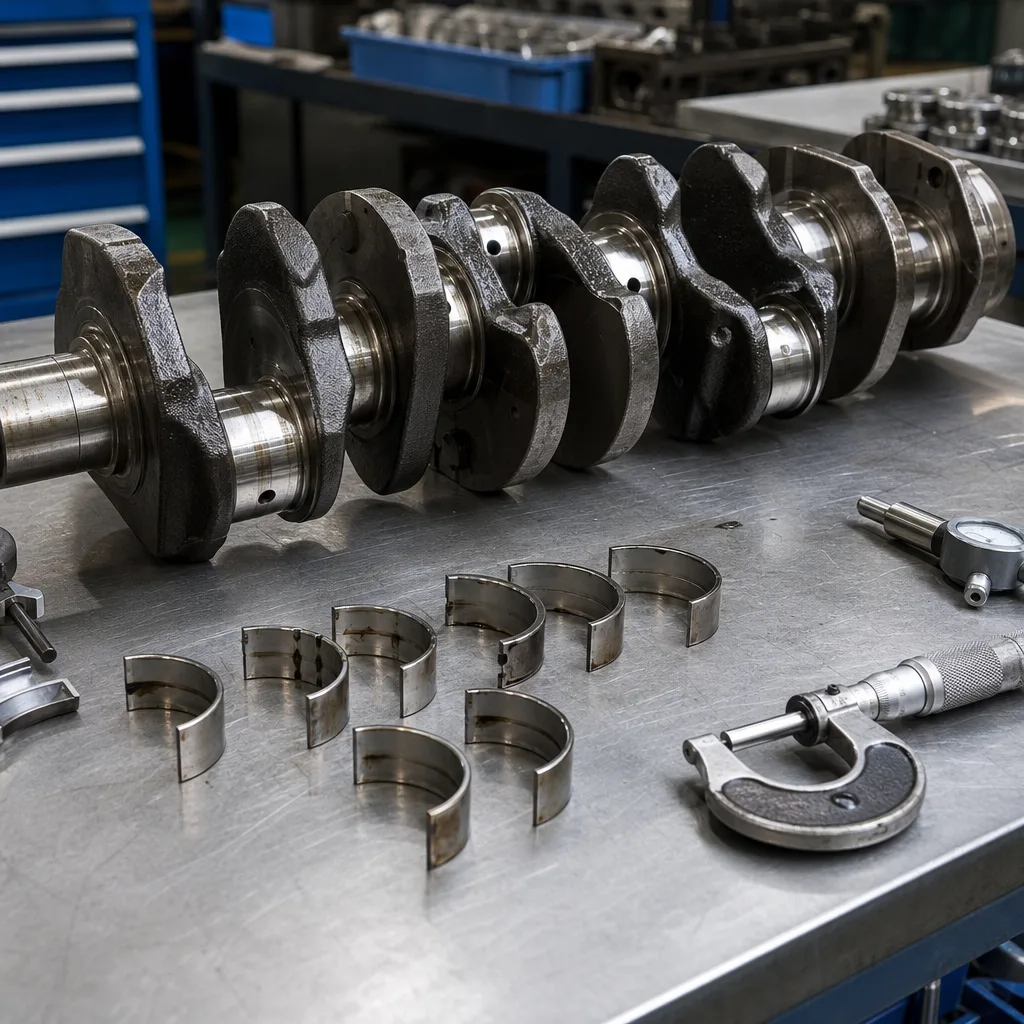
A camshaft for Peugeot 3008 replacement has to be selected by engine family, not by model badge alone. The 3008 has been sold with multiple petrol and diesel variants, and those engines can use different lobe profiles, sprocket interfaces, timing phasers, trigger wheels, and sensor arrangements. A part that looks correct on the bench can still fail if the journal layout, overall length, or thrust control does not match the original. For procurement teams, the safest route is to validate by VIN, engine code, and the old part’s physical features before placing an order. Driventus is an independent aftermarket manufacturer; brand names are referenced for fitment only. Our approach is to match OE-equivalent dimensions, control the critical tolerances, and support the part with inspection data that fits a B2B sourcing process.

Why the 3008 needs engine-specific matching

The Peugeot 3008 nameplate covers more than one engine platform, so replacement risk starts with assumptions. A petrol engine may use a different camshaft count and actuator strategy from a diesel version, and the intake and exhaust cams are not interchangeable unless the design explicitly says so.

When the wrong camshaft is fitted, the symptoms are often immediate: rough idle, timing correlation faults, poor cold start, elevated noise, or a no-start condition after assembly. In a procurement workflow, that means the order should be tied to the engine code, not just the model year.

The practical rule is simple: confirm the OE application, then match the physical and functional features. If the old camshaft has an integrated tone wheel, oil feed groove, or variable valve timing interface, the replacement must match those details exactly.

Fitment data to verify before ordering

Use the vehicle record and the removed part together. A VIN lookup is useful, but it is not enough if the engine has been swapped or the assembly has been revised.

</tr></thead><tbody> </tbody></table>If the part is for fleet or distributor stock, ask for the removed sample, the engine code, and a clear photo of the old camshaft end features before approving the PO.

What an OE-equivalent replacement should match

A credible replacement camshaft is more than a machined shaft with lobes. It should match the OE part in geometry, material behaviour, and assembly interface.

  • Lobe profile and lift must suit the original valve train calibration.
  • Journal diameter, roundness, and surface finish must support stable oil film formation.
  • End face, keyway, or sprocket mounting features must match the timing system.
  • Any integrated tone wheel or reluctor feature must match the sensor strategy.
  • Heat treatment and hardness must be consistent across the working surfaces.
  • Runout must stay within the limits needed for smooth rotation and timing stability.

For replacement work, dimensional match matters more than appearance. A part that is close but not exact can create noise, oil pressure variation, or timing faults after installation. That is why OE-equivalent validation should include measurements, not only visual comparison.

Quality controls that matter in B2B sourcing

For procurement teams, the minimum expectation is documented inspection and traceability. Driventus works within an IATF 16949:2016 and ISO 9001:2015 quality framework, which is the right baseline for repeatable automotive supply.

A replacement camshaft should be supported by:

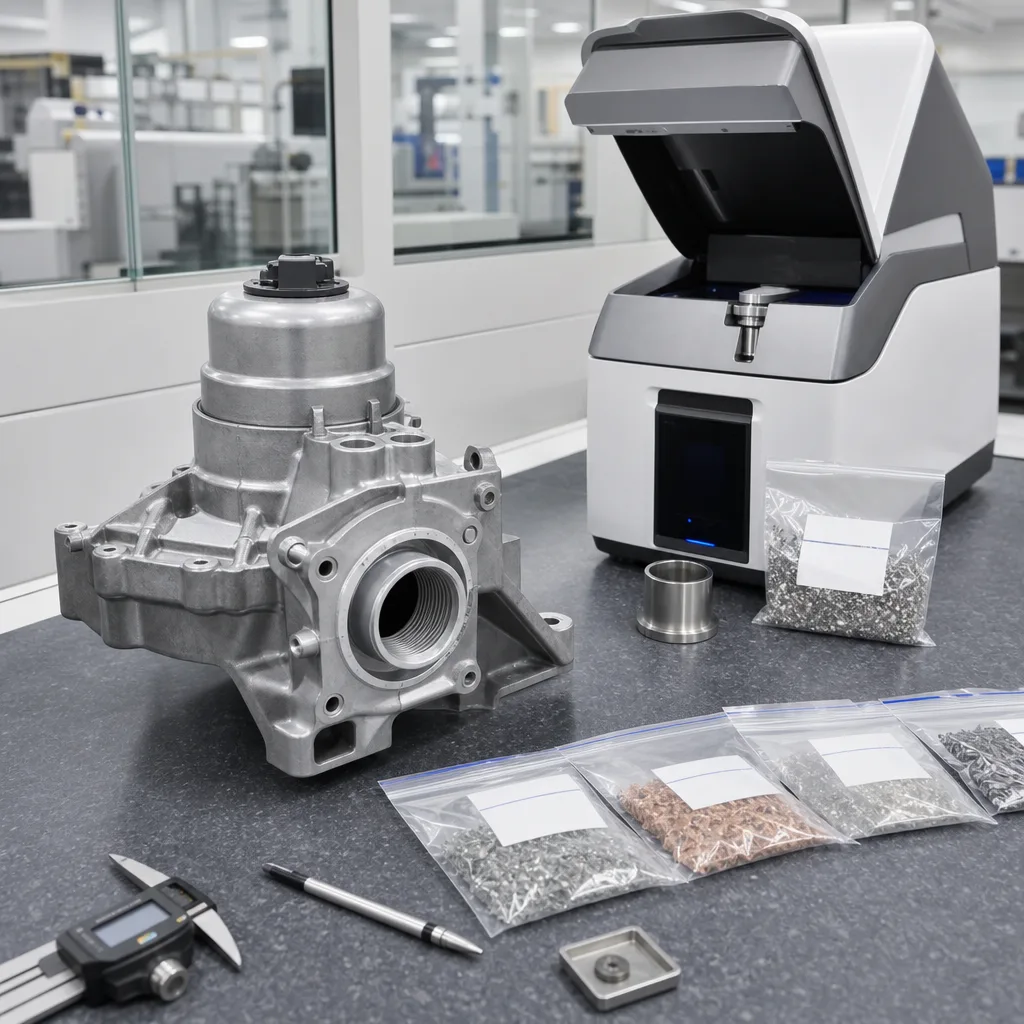
  • dimensional inspection on the critical journals and lobes
  • hardness verification on the working surfaces
  • runout measurement on the assembled shaft
  • material and heat-treatment traceability by batch
  • final visual inspection for burrs, scoring, and contamination
  • packaging controls that protect the precision surfaces in transit

Where coatings, oils, or cleaning chemistry are involved, REACH (EC) No 1907/2006 should also be part of the compliance review. Buyers should ask for the inspection format before first delivery, not after a quality issue appears in the field.

How to source the right part from Driventus

Start with the application, then move to the document set. Our catalog is the quickest place to review the available engine component range: our catalog and engine components.

If the exact part is not listed, custom manufacturing is available for OE-matching programs when the buyer supplies a drawing, sample, or verified dimensions. That is usually the right path for distributors, OEM programs, and repair-chain procurement teams that need controlled repeat supply rather than a one-off purchase.

Before release, align on sample approval, packaging, label content, and report format through our quality system. This keeps the replacement part aligned with the incoming inspection process on your side and reduces the chance of a fitment dispute later.

Driventus is an independent aftermarket manufacturer; brand names are referenced for fitment only.

Frequently asked questions

No. The 3008 uses multiple engine families, and the camshaft must be matched by VIN, engine code, and the original part features. Model year alone is not enough for a safe order.

Not usually. Intake and exhaust cams can differ in lobe profile, sensor features, and actuator interface. Confirm the position before ordering, especially on engines with variable valve timing.

Request dimensional data, material and heat-treatment traceability, inspection results for critical features, and packaging details. For repeat buying, ask for batch-level consistency and a sample approval record.

Send your VIN, engine code, and target quantity so we can confirm the correct replacement path and prepare a quotation at [request a quote](/contact.html).

Request a Quote
Check What to confirm Why it matters
VIN and engine codeExact engine family and displacementPrevents ordering the wrong cam profile
Intake or exhaust positionWhich camshaft is requiredThese parts are often not interchangeable
VVT hardwarePhaser, sprocket, or actuator patternMounting mismatch can stop timing setup
Trigger wheel / sensor featureTooth count and locationAffects cam/crank correlation
Overall length and journalsBearing count, diameter, spacingControls fit in the cylinder head
OE revision levelSuperseded or updated partAvoids cross-fit errors on later engines