P0420 is a high-frequency catalyst-efficiency code for repair chains, fleet workshops, distributors, and aftermarket warranty teams. In most OBD-II systems, it means the engine control module has judged **Bank 1 catalyst efficiency below the calibrated threshold**. That does not automatically condemn the catalytic converter.
The code can be triggered by a weak oxygen sensor, a pinhole exhaust leak, +12% fuel trim, misfire damage, oil consumption near or above 1 L per 1,500–2,000 km, coolant contamination, or a replacement part that matches the shape but not the emissions configuration. For procurement teams, the decision is therefore not only “replace or repair.” It is also: Which part is correct? Which batch is traceable? Which gasket seals after heat cycling? Which supplier can defend the claim with data?
A rushed converter sale may become a repeat warranty claim. A missed upstream fault can destroy a new converter within weeks. This article explains how to diagnose check engine light P0420 through a practical decision path that supports workshop diagnosis and gives buyers sharper requirements for oxygen sensors, exhaust gaskets, engine components, converters, inspection samples, MOQ, price breaks, and lead-time planning.
Start With the Decision: Is P0420 a Converter Fault or a System Fault?
Treat P0420 as a system-level warning until the evidence proves otherwise. The catalyst is only one part of a chain that includes combustion quality, air-fuel control, exhaust sealing, oxygen sensor accuracy, wiring, oil control, coolant sealing, and the converter substrate.
In plain terms, the engine control module compares pre-catalyst and post-catalyst oxygen sensor activity once the catalyst is hot and the monitor conditions are satisfied. If the downstream signal begins to copy the upstream signal too closely, the control strategy may decide that oxygen storage has dropped below the expected level. On an inline engine, Bank 1 is the only bank. On a V-type engine, Bank 1 is the cylinder bank containing cylinder 1.
A useful decision rule for workshops and warranty teams: do not judge the converter until fuel control is reasonable. If combined short-term and long-term fuel trim is consistently outside ±10% at hot idle or around 2,500 rpm, investigate the fuel-control fault first. If the vehicle maker publishes a tighter or wider limit, use that service limit.
For B2B buyers, P0420 becomes expensive when the diagnostic decision and the sourcing decision are separated. The common failure modes are predictable:
A converter is replaced, but the misfire, rich condition, or oil consumption remains.
Fitment data is based on model year and displacement only, not engine code, market, or emissions level.
An oxygen sensor screws in correctly but responds too slowly or reports a biased signal.
A gasket, flange, or flex section seals at installation, then leaks after 3–10 thermal cycles.
Two mixed-source components fit together dimensionally but do not meet the expected emissions durability.
A returned part has no freeze-frame data, fuel trims, installation photos, or batch code, so the claim becomes a dispute instead of a technical review.
For sourcing control, require the supplier quote or PPAP-style submission to identify the engine code, market/emissions level, sensor port location, flange-to-flange dimensions, gasket specification, and batch traceability method. For small aftermarket replenishment, practical MOQ may be 50–200 pcs for gaskets and sensors, 10–50 pcs for bulky exhaust assemblies, and 300–1,000 pcs for customized private-label packaging, depending on tooling, carton design, and destination.
Driventus is an independent aftermarket manufacturer; brand names are referenced for fitment only. Where OE-style references are used, formats such as OE 06A… or OE 11251… should be treated as cross-reference identifiers, not as claims of vehicle manufacturer approval.
Failure Patterns That Point Toward—and Away From—the Converter
Many P0420 vehicles drive normally. Sometimes the only symptom is the malfunction indicator lamp. That makes the code easy to oversimplify. The absence of rough running does not prove the converter is healthy, but it also does not prove the converter is failed.
Use the first observations to choose the next test, not the next part.
Observation
Most likely area to inspect
Procurement relevance
P0420 only, no drivability issue
Catalyst efficiency, downstream O2 sensor, small exhaust leak
</tr></thead><tbody> </tbody></table>Record the evidence before clearing anything. Freeze-frame data often shows coolant temperature, engine load, road speed, fuel status, and the operating point where the catalyst monitor failed. That snapshot may be the difference between a valid converter claim and an unresolved fuel-control problem.
Initial checks should include:
Stored, pending, and permanent codes.
Freeze-frame data.
Short-term and long-term fuel trims.
Upstream and downstream oxygen sensor signals.
Exhaust leak inspection.
Temperature or backpressure testing if symptoms justify it.
Use basic operating targets before interpreting scan data. Coolant temperature should usually be above 75–85°C before judging closed-loop behaviour. Battery voltage should be above 12.4 V engine off and normally 13.5–14.8 V running. Misfire counters should not be climbing under light load. During the first 30–60 seconds after cold start, listen for ticking or leakage before thermal expansion closes small gaps.
For narrowband sensors, a warm upstream signal often switches around 0.1–0.9 V; the downstream signal should be more stable after catalyst light-off. For wideband sensors, do not apply narrowband voltage rules. Use commanded lambda, equivalence ratio, and service data.
For repair chains and distributors, standardising these checks reduces unnecessary returns. A claim form should capture mileage, oil consumption complaint, recent fuel-system work, previous converter source, and whether new gaskets and hardware were used. Those details often decide whether the case is a product defect, installation issue, vehicle-system fault, or incomplete monitor validation.
A Workshop Procedure for Diagnosing P0420 Without Guesswork
The safest process is sequential. Skip a step and the diagnosis becomes a bet.
1. Confirm the code and monitor status. Scan all relevant modules. Record P0420, pending codes, permanent codes, readiness status, and freeze-frame data. Note related codes for misfire, fuel trim, oxygen sensors, coolant temperature, catalyst temperature, or evaporative emissions. Export or photograph the scan report before clearing anything.
2. Read the repair history. A recent converter, oxygen sensor, exhaust section, head gasket, injector, or ignition repair changes the path. Confirm that the correct part was installed and that the readiness monitor completed after the previous repair. If the code returned within 50–300 km, suspect fitment, exhaust sealing, sensor compatibility, or an unresolved upstream fault before blaming a fresh substrate.
3. Look for engine conditions that kill converters. Check idle quality, misfire counters, ignition parts, intake leaks, vacuum hoses, PCV function, oil consumption, and coolant loss. Spark plugs with oil ash, coolant staining, or fuel fouling are not side notes. They are evidence.
4. Evaluate fuel trims hot and in closed loop. Review short-term and long-term trims at idle and near 2,500 rpm. Large positive trims can indicate unmetered air, low fuel pressure, exhaust leaks, or sensor bias. Large negative trims can point to rich operation, leaking injectors, excessive fuel pressure, or incorrect sensor feedback. As a screening rule, investigate any bank consistently beyond ±10%. Treat ±15–20% as a likely root-cause fault, not a converter-only issue.
5. Inspect the exhaust before judging the catalyst. A small leak can pull in oxygen and distort downstream sensor readings. Inspect manifold gaskets, flex pipes, flanges, welds, clamps, and sensor bosses. If visual inspection is weak, use smoke or pressure-based leak checks. A practical shop test is low-pressure smoke at 0.2–0.5 bar with the tailpipe blocked, or a cold-start hand/ear check for soot and ticking.
6. Compare oxygen sensor behaviour by sensor type. The upstream sensor should switch or report air-fuel changes as expected. The downstream sensor should be more stable once the catalyst is active. If both traces move together under steady conditions, catalyst oxygen storage may be low. If the downstream signal is erratic, slow, fixed, or biased, check the sensor, wiring, connector, or exhaust sealing. Heater resistance must be checked against service data; many zirconia O2 sensor heaters are roughly 3–15 Ω cold, but the correct value is application-specific.
7. Run the catalyst monitor under the required conditions. Many vehicles need specific coolant temperature, catalyst temperature, speed, load, deceleration, and closed-loop operation. If the monitor never runs, the repair cannot be validated. A typical readiness route may include steady cruise around 60–90 km/h, light load, closed loop, and one or more throttle-closed deceleration events. The service procedure remains the authority.
8. Use confirmation tests when exposure is high. Depending on vehicle design and available equipment, use temperature differential, oxygen storage testing, Mode $06 data, backpressure testing, or scope-based sensor comparison. If poor power is present, backpressure above about 1.5 psi at idle or 3 psi at 2,500 rpm is commonly treated as suspicious, though limits vary by engine.
9. Replace only after the cause is isolated. If replacement is justified, specify fitment, emissions configuration, substrate or sensor specification, gasket material, hardware, and installation notes. For purchasing, link every approval to part number, batch, installation kit, and application—not just model year.
Test Methods Compared: What Each One Proves—and What It Does Not
No single P0420 test is decisive in every case. The value comes from combining electrical data, mechanical checks, service history, and monitor results.
Oxygen sensor waveform comparison
On many applications, the pre-catalyst oxygen sensor changes rapidly as fuel control adjusts. The post-catalyst sensor should show a damped response because the catalyst stores and releases oxygen. If the downstream signal closely follows the upstream signal under steady cruise or controlled test conditions, catalyst efficiency may be low.
But the trace can lie. A lazy upstream sensor can hide fuel-control faults. A biased downstream sensor can falsely accuse the catalyst. Wideband air-fuel ratio sensors must be interpreted differently from traditional narrowband oxygen sensors.
For procurement teams, this is why sensor type, connector keying, calibration compatibility, heater performance, and response consistency matter as much as thread size and wire length. Typical buyer checks include M18 x 1.5 thread verification where applicable, wire length tolerance of about ±10 mm unless drawing-controlled, connector terminal retention testing, and 100% heater continuity testing at final inspection.
Exhaust leak testing
Leaks upstream of the downstream oxygen sensor are a frequent cause of false P0420 results. Thermal expansion makes some leaks intermittent. A vehicle can pass a quick visual check and still leak during warm-up or load changes.
Check cold-start noise, black soot marks, flange flatness, gasket crush, flex-pipe condition, sensor-boss sealing, and clamp alignment. For supplied components, incoming inspection should cover gasket thickness, bead design, material recovery, and flange parallelism where warranty exposure is high. Define tolerances on drawings: flange flatness often needs control within tenths of a millimetre, bolt-hole position may need ±0.2–0.5 mm depending on joint design, and gasket thickness should be measured under controlled load, not only in free state.
A cheap gasket can make a good converter look bad.
Temperature and backpressure checks
Temperature checks can support the case, but they are not a verdict. Modern catalysts may show small inlet/outlet differences depending on load, fuel strategy, and monitor state. Use infrared readings carefully. Compare similar surface conditions after the catalyst is active; shields, rust, water, and airflow can distort readings.
Backpressure testing is useful when the complaint includes poor power, rattling, overheating, or suspected substrate collapse. Excessive backpressure may point to a melted, restricted, or broken substrate. The important question is why it happened. Misfire, rich operation, oil burning, and coolant contamination can all destroy the brick. If a returned converter contains melted substrate, require fuel-trim, misfire, and oil/coolant evidence before accepting it as a manufacturing defect.
Mode $06 and monitor data
Mode $06 can show catalyst monitor results before the malfunction indicator lamp returns. This is valuable for post-repair validation, fleet maintenance, and warranty screening. Test IDs, units, and thresholds vary by manufacturer and calibration, so technicians must compare results with the correct service information.
For warranty policy, request the test ID, component ID, measured value, minimum limit, maximum limit, and pass/fail status. A screenshot without units is rarely enough for a supplier claim.
Replace the Converter, the Sensor, or the Supporting Parts? A Practical Triage
Replacement should follow the evidence trail. P0420 alone is not a purchase order for a converter, and it is not a reason to install oxygen sensors as a guess. The question is whether the control module is seeing true low catalyst oxygen storage or a false signal from another fault.
A converter replacement is more defensible when:
P0420 returns after confirmed drive-cycle or monitor conditions.
Fuel trims, misfire data, and exhaust sealing are within acceptable limits.
Upstream and downstream sensor data show low catalyst oxygen storage.
Backpressure, rattling, or inspection indicates substrate damage.
Vehicle history shows high mileage, thermal overload, oil contamination, or coolant contamination.
The installed converter is incorrect for the vehicle’s emissions configuration.
Sensor replacement is more defensible when:
Sensor response is slow, biased, noisy, or intermittent.
Heater circuit performance is weak, even if no separate heater code is stored.
Wiring damage, connector sealing failure, or sensor contamination is visible.
Live data contradicts known engine operating conditions.
The sensor type, connector, length, or calibration compatibility is wrong.
Supporting parts may be the actual fix. Exhaust gaskets, manifold hardware, ignition components, injectors, piston rings, valve-stem seals, cylinder-head gaskets, and water pumps can all matter if sealing, combustion, oil control, coolant control, or overheating caused the P0420 path.
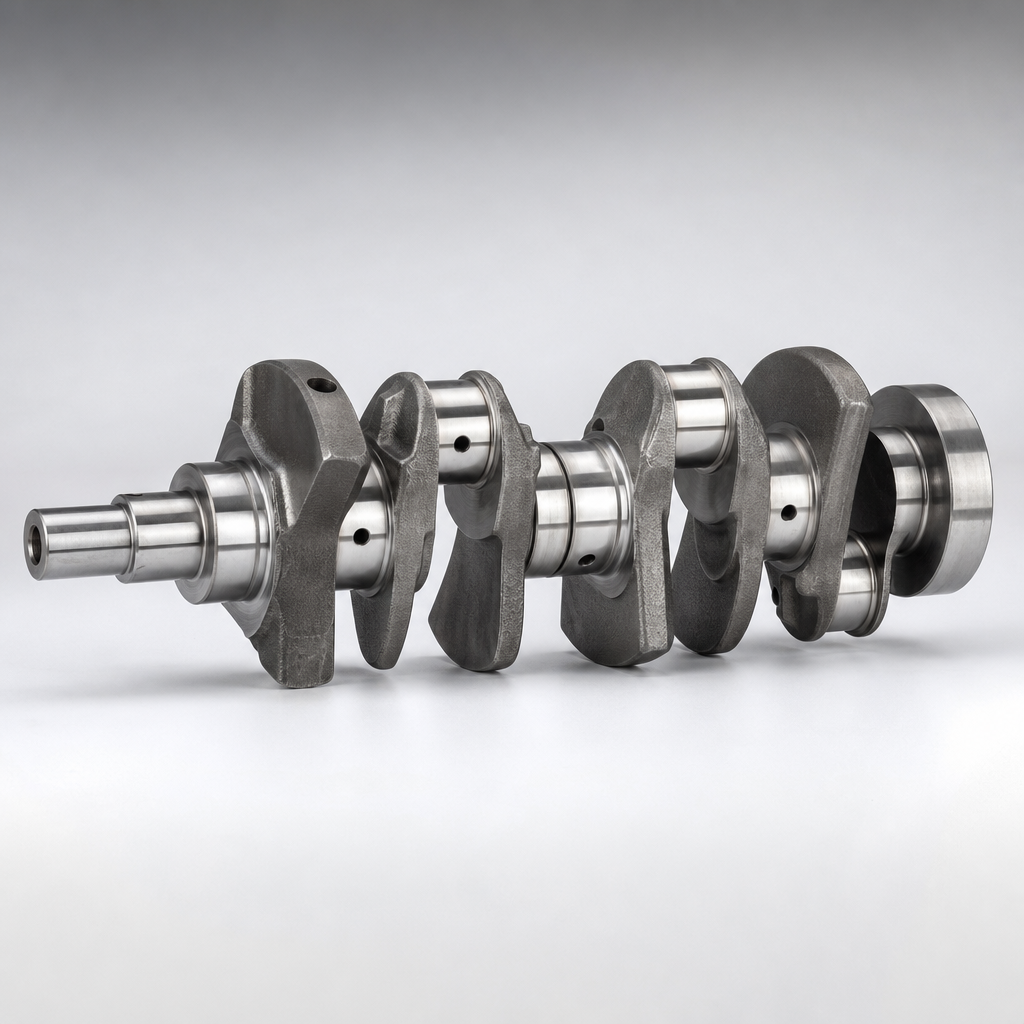
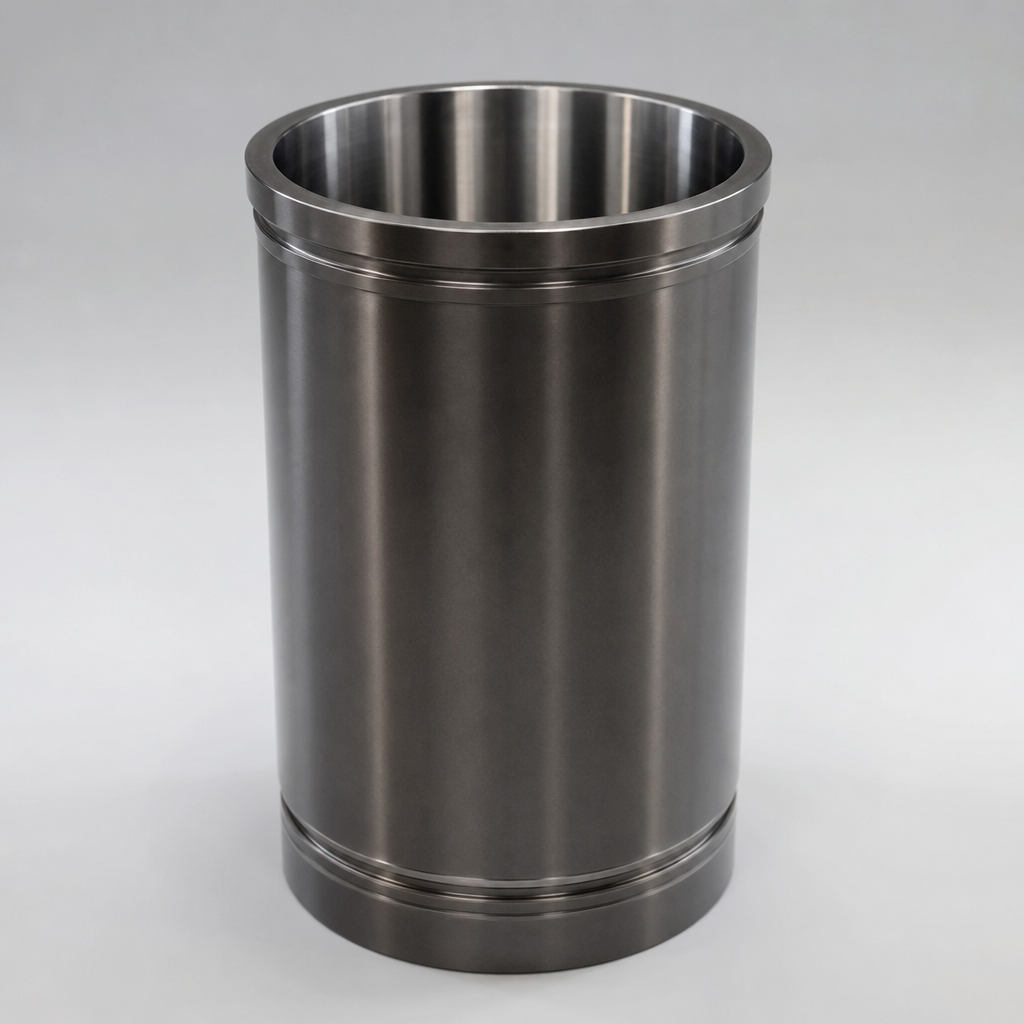
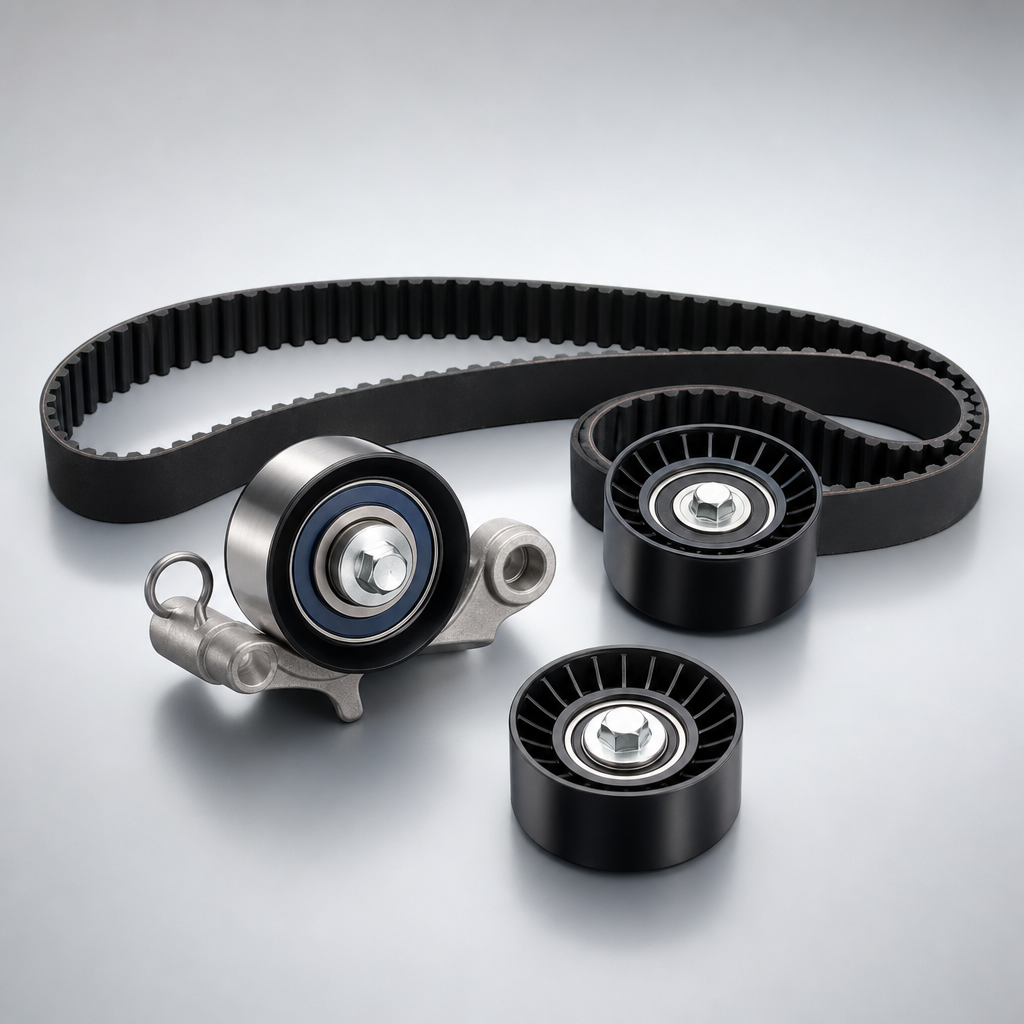
Driventus manufactures engine and powertrain components for aftermarket and OEM-style supply programmes. Buyers can review product families in our catalog, including engine-related parts at /products/engine-components.html.
For cross-reference management, require fitment data by engine code, emissions specification, sensor compatibility, and installation notes. Avoid listings that only state displacement and model years without chassis, engine, market, or emissions detail. A strong RFQ should request sample quantity, drawing or master sample, expected annual volume, AQL level, packaging standard, barcode format, country-of-origin marking, and warranty return process.
Compare price as landed cost, not unit cost: part price plus gasket/hardware kit, carton volume, duty, inspection cost, and expected claim rate.
Buyer Validation Deep-Dive: Quality Evidence That Matters for P0420 Parts
Emissions-related parts carry repair risk, product risk, and regulatory risk. Certificates help, but they are not enough. Buyers need traceable validation by batch, material, process, and inspection record.
Relevant standards and regulations may include:
IATF 16949:2016 for automotive quality management systems.
ISO 9001:2015 for quality management system controls.
REACH (EC) No 1907/2006 for chemical substance compliance in the European market.
ECE R-83 for emissions requirements in applicable vehicle categories and markets.
SAE J2527 where brake dynamometer corrosion test references are relevant to broader aftermarket validation programmes, although it is not a catalyst-efficiency test.
Ask for evidence matched to the product. An oxygen sensor supplier should be able to provide response-time consistency, heater checks, insulation resistance, connector validation, thermal-cycle controls, and packaging protection. A gasket supplier should provide material specification, compression recovery, thermal ageing, and dimensional inspection. A converter supplier should provide substrate type, cell density where applicable, washcoat control, canning process controls, leak testing, and fitment verification.
Useful validation points include:
Incoming dimensional reports for critical-to-fit dimensions.
100% leak or continuity testing where risk justifies it.
Retained samples by lot.
Traceability from carton label to production batch.
Insulation resistance checks at high voltage for electrical sensors.
Heater resistance windows and connector pull-force results.
Thermal shock sampling for sensors.
Material certificate, compressed thickness, recovery percentage after heat ageing, and bolt-hole positional data for gaskets.
Engine components can indirectly create P0420 claims. Oil-control parts, water pumps, head gaskets, ignition components, and sealing products can shorten converter life if they allow contamination, overheating, misfire, or unstable combustion.
Driventus operates under IATF 16949:2016 and ISO 9001:2015 certified systems. You can review our quality system for process-control expectations, inspection planning, traceability, and export documentation practices. For buyer audits, align the checklist with control plan, MSA, gauge calibration, nonconforming-product control, corrective-action timing, and lot identification—not certificate validity alone.
RFQ Checklist: Specifications to Lock Before You Buy
Use the checklist below when sourcing parts commonly involved in P0420 repairs. It is not a substitute for vehicle-specific engineering approval, but it prevents vague RFQs and avoidable returns.
Micrometre checks, coating inspection, engine validation where required
</tr></thead><tbody> </tbody></table>Add numeric acceptance points wherever possible. Examples include sensor wire length ±10 mm or drawing-specific, connector lock engagement confirmed on 100% of pieces, threaded boss go/no-go gauge pass, flange flatness controlled to the drawing, gasket bolt-hole position within ±0.2–0.5 mm where applicable, and carton drop-test requirements for heavy exhaust parts.
Define AQL by risk category. Critical fit and electrical functions usually deserve tighter inspection than cosmetic defects.
For multi-location repair chains, divide inventory into three groups:
1. Parts that directly affect catalyst monitoring. 2. Parts that protect the converter from damage. 3. Parts that complete the installation.
This separation improves root-cause coding, stock planning, installer training, and warranty analysis.
When a standard catalogue item does not meet a regional fitment or packaging requirement, Driventus can support custom manufacturing for qualified programmes. Typical discussion points include drawings, samples, annual volume, inspection criteria, packaging format, private-label requirements, and export documentation.
Planning matters. Standard catalogue replenishment is usually quoted faster than customized programmes. Allow additional time for tooling review, sample approval, packaging artwork, and first-article inspection. MOQ and price normally move together: larger annual demand can support better tooling amortisation and carton optimisation, while low-volume mixed SKUs may require higher unit prices or consolidated shipment schedules.
Scenario Playbook: Reducing Repeat P0420 Claims Across a Network
P0420 claims are costly because the part value is high and the root cause is often arguable. A clear warranty protocol protects distributors, repair chains, fleet operators, and manufacturers by making the evidence consistent before a part is returned or rejected.
A strong claim file should include:
Vehicle application, engine code, mileage, and market region.
All stored, pending, and permanent diagnostic trouble codes.
Freeze-frame data before codes are cleared.
Fuel trim data at idle and part load.
Upstream and downstream oxygen sensor graphs.
Exhaust leak inspection results.
Photos of the removed part, installation area, flanges, gaskets, and sensor bosses.
Evidence that misfire, rich operation, oil consumption, overheating, and coolant ingress were checked.
Confirmation that the catalyst monitor was run under the required conditions after repair.
Now apply that to common scenarios.
Scenario 1: Code returns 100 km after converter replacement. Start with fitment, gasket sealing, sensor compatibility, and readiness procedure. Do not assume the new substrate failed. Check whether the original fuel-trim or misfire condition was ever corrected.
Scenario 2: Returned converter has melted brick material. Ask for misfire counters, fuel trims, oil consumption notes, coolant-loss evidence, and plug photos. Melted substrate is often a consequence, not the origin.
Scenario 3: High return rate from one installer group. Compare installation photos, gasket reuse, torque procedure, sensor handling, and drive-cycle validation. A training or process problem may look like a supplier issue in the return spreadsheet.
Scenario 4: Same SKU returns from multiple regions. Escalate to batch traceability, dimensional checks, packaging damage review, and cross-reference accuracy. Separate diagnostic failure, installation damage, fitment mismatch, shipping damage, and confirmed manufacturing defect with distinct return codes.
For sourcing, avoid judging suppliers by unit price alone. Compare landed cost per successful repair: unit price plus freight, duty, installation kit, handling time, expected warranty rate, return freight, and technician rework cost.
Lead-time logic should match demand volatility. Fast-moving gaskets, sensors, and hardware can often be stocked with 30–60 days of cover. Bulky exhaust assemblies may need forecast sharing, mixed-container planning, or regional safety stock. For new programmes, include sample review, first-article inspection, packaging approval, and shipment booking in the calendar; quoted production days are not the full landed lead time.
Driventus supplies engine and powertrain components to distributors, wholesalers, OEM/Tier-1 supply chains, and repair networks in more than 60 countries. For P0420-related programmes, we can support sourcing of associated engine components, gaskets, water pumps, and selected powertrain parts that affect emissions durability. If you are building a cross-reference list, consolidating suppliers, or reviewing a high-return product line, you can request a quote with target applications, annual demand, target MOQ, inspection requirements, packaging format, and required delivery window.
Frequently asked questions
No. P0420 means the control module judged Bank 1 catalyst efficiency below threshold. Exhaust leaks, weak oxygen sensors, misfires, rich or lean operation, oil burning, and coolant contamination can also cause the code. Confirm the root cause before replacing the converter.
Yes. A slow, biased, contaminated, or electrically unstable oxygen sensor can make catalyst efficiency appear lower than it is. Check live data, heater performance, wiring, connector condition, and exhaust leaks before deciding whether the sensor or converter is responsible.
Check fitment accuracy, emissions specification, sensor compatibility, gasket sealing performance, batch traceability, packaging, supplier quality controls, MOQ, lead time, and landed-cost impact. For automotive supply programmes, IATF 16949:2016 and ISO 9001:2015 certification are important baseline indicators.
Yes. If the original cause was misfire, rich operation, oil consumption, coolant ingress, or overheating, a new converter can be damaged quickly. Repair records should show that upstream engine and fuel-control issues were checked before and after installation.
If your team is reviewing P0420-related returns or sourcing emissions-adjacent engine components, Driventus can help assess fitment, inspection criteria, MOQ, lead time and supply options. Send your application list and volume requirements through /contact.html