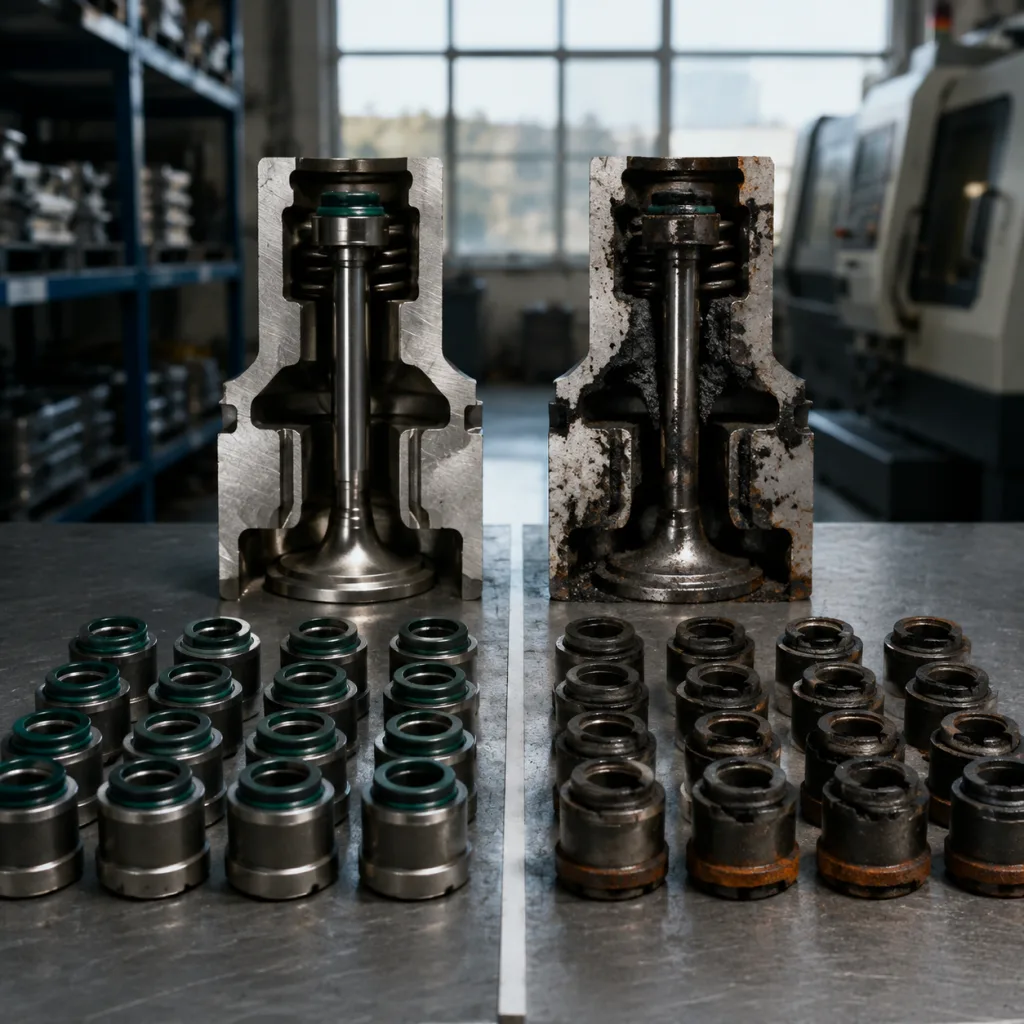
A valve stem seal is cheap until it is wrong. The failure pattern is familiar: oil consumption, blue smoke, fouled plugs, catalyst stress, catalogue disputes, and warranty claims that cost far more than the part. That is why how to choose a valve stem seal supplier is a technical sourcing question, not a piece-price exercise.
The right supplier must control elastomer formulation, metal case geometry, garter spring load, lip profile, packaging, traceability, and batch release over repeat orders. The buyer’s job is to convert that into measurable acceptance criteria before comparing quotes: stem and guide dimensions, hardness window, compression-set limit, ageing test, MOQ, tooling cost, sample timing, and release documents.
This guide uses six different sourcing angles: fitment triage, material comparison, factory failure modes, test-evidence review, commercial decision scoring, and a practical RFQ workflow. It is written for aftermarket distributors, OEM and Tier-1 service-part teams, and repair-chain category managers buying across multiple engine platforms. Driventus is an independent aftermarket manufacturer; brand names and OE references are used for fitment identification only.
Fitment Triage: Sort the Programme Before You Quote It
Do not begin with price. Begin by sorting the programme into what is known, what is assumed, and what needs development. Valve stem seals can vary by valve stem diameter, guide outside diameter, installed height, retainer clearance, lip profile, case construction, and elastomer compound. Two seals can look interchangeable and still behave differently once installed.
A supplier should not quote from a vehicle model name alone. They should confirm dimensional data against drawings, physical samples, or OE part-number cross-references where available. They should also state whether the seal is for intake, exhaust, or both. If the answer is vague, the fitment risk is already moving to the buyer.
For mixed aftermarket programmes, group demand by engine family rather than by individual SKU. This exposes common tooling, shared compounds, and realistic MOQ levels. It also prevents the common catalogue mistake: buying visually similar seals with different lip preload, guide retention, or installed height.
At minimum, confirm three control points before RFQ comparison:
Valve stem diameter
Guide bore or seal outside diameter
Installed height and available retainer clearance
Procurement teams should prepare:
Engine codes, model years, fuel type, and regional fitment scope
Valve stem diameter and guide outside diameter, ideally in mm with drawing tolerances
Seal installed height, retainer clearance, and maximum valve lift
Intake and exhaust position requirements, if different
Expected annual volume by SKU and release schedule
OE cross-reference formats already used in the buyer’s system, such as OE 06A… or OE 11251…
Target tolerance windows already approved internally, for example stem-bore fit within ±0.01 mm or ±0.02 mm depending on design
A capable supplier challenges unclear fitment data. They will flag when a visual match is not a dimensional match and may request a sample seal, engine head photo, or guide drawing before quoting. That is a good sign. Catalogue errors spread quickly across distributors, marketplaces, repair chains, and e-commerce listings.
Material Choice: Match the Compound to the Engine, Not the Catalogue
Material selection decides how the seal behaves after heat, oil exposure, and millions of valve cycles. Valve stem seals operate in hot oil mist, blow-by gases, fuel dilution, and high-frequency movement. Intake and exhaust positions may need different compounds depending on engine layout, temperature, and oil-control target.
Common options include FKM for higher temperature and chemical resistance, ACM for oil resistance in moderate temperature ranges, and NBR for lower-cost applications where the duty cycle allows it. PTFE can work in selected low-friction designs, but it depends heavily on geometry, surface finish, and installation control.
The trap is the generic material label. “High temperature rubber” means little without the compound family, hardness window, and test evidence. If the application sees prolonged oil temperatures above roughly 150°C, frequent short-trip contamination, turbocharged operation, or modern low-viscosity oils, ask how the compound performs after ageing and compression-set testing.
</tr></thead><tbody> </tbody></table>Ask for the compound family, Shore A hardness range, and validation basis. A useful request is a hardness range, for example 65–80 Shore A depending on design, plus proof that a production batch stayed inside that window. Also ask whether the supplier controls shrinkage, mould release, and post-cure time. These details affect lip geometry and installed sealing force.
For EU and UK import programmes, confirm whether substances of very high concern are reviewed under REACH (EC) No 1907/2006. REACH review does not replace mechanical validation, but it helps importers manage regulatory risk. If customers require declaration packs, request RoHS/REACH statements, SDS, and a material-declaration format compatible with your ERP or compliance system.
Factory Failure Modes: What to Audit Before You Trust Repeat Orders
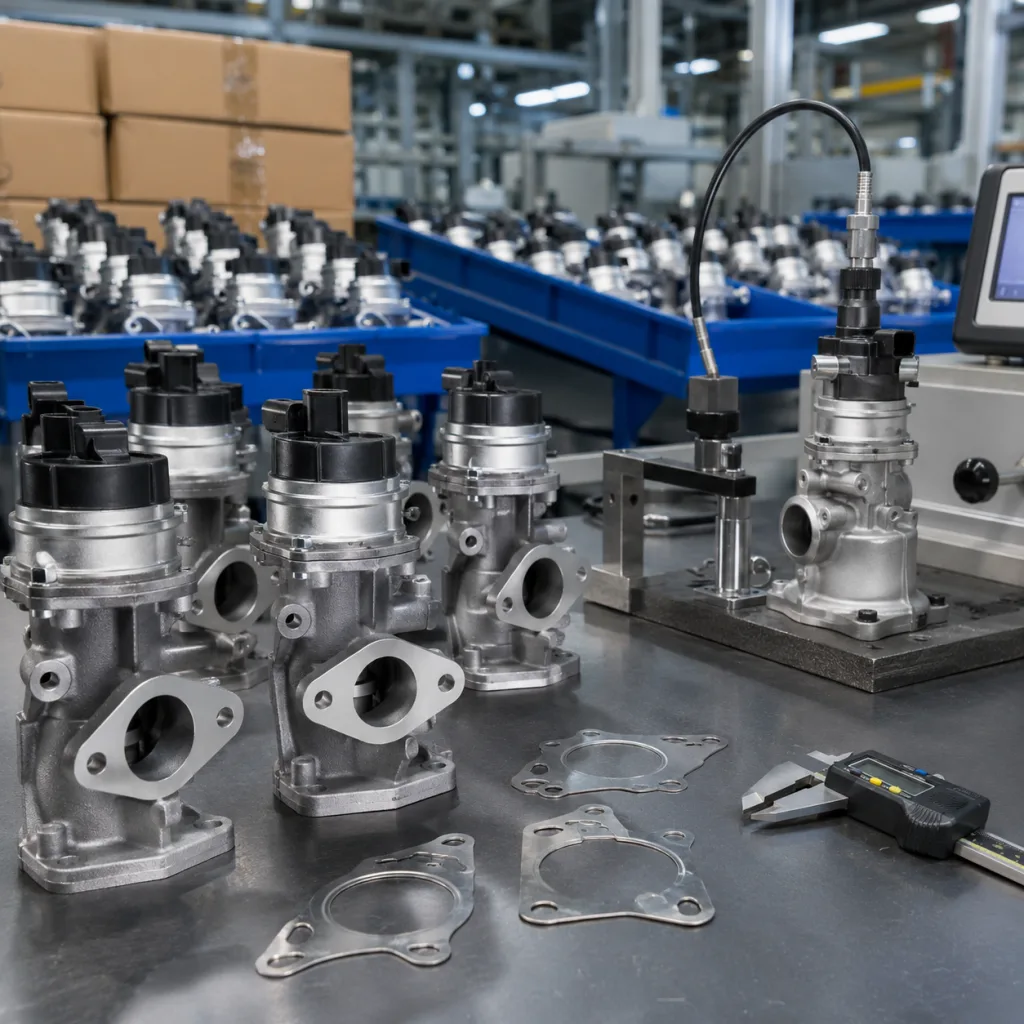
A factory audit should look for failure modes, not showroom equipment. Valve stem seal production may include metal case stamping, spring forming or sourcing, rubber mixing, compression or injection moulding, bonding, post-curing, trimming, visual inspection, dimensional inspection, and packing. The question is simple: which variables are measured, and what happens when they drift?
Common failure modes include:
Stem bore drift that changes lip contact pressure
Case OD variation that weakens guide retention or damages installation
Excess flash, poor trimming, or lip eccentricity that affects oil control
Rubber hardness outside the agreed window
Incomplete post-cure or uncontrolled compound shrinkage
Spring tension variation or corrosion
Burrs or coating defects on metal cases
Mixed cavities, batches, or labels during packing
Useful audit checkpoints include:
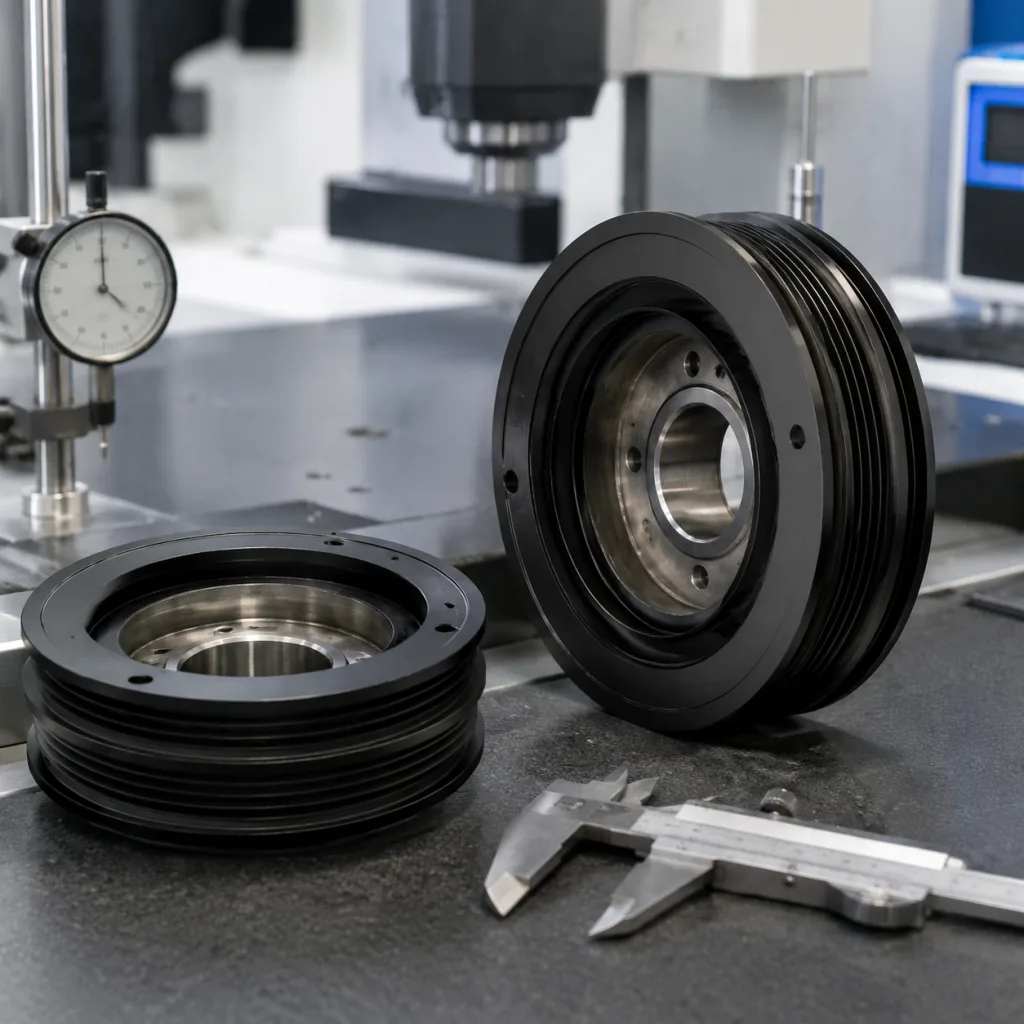
Critical dimensions: stem bore, guide bore, case outside diameter, seal height, lip position, and spring groove
Dimensional targets and tolerances, such as case OD within ±0.02 mm, stem bore within ±0.01–0.02 mm, and height within ±0.10 mm depending on drawing requirements
Lip geometry: concentricity, flash control, cutting quality, and contact width
Rubber properties: hardness, tensile strength, elongation, heat ageing, and compression set
Metal parts: case thickness, coating condition, corrosion resistance, and burr control
Spring control: free diameter, wire diameter, tension consistency, and corrosion protection
Process traceability: compound batch, mould number, cavity number, production date, and inspection record
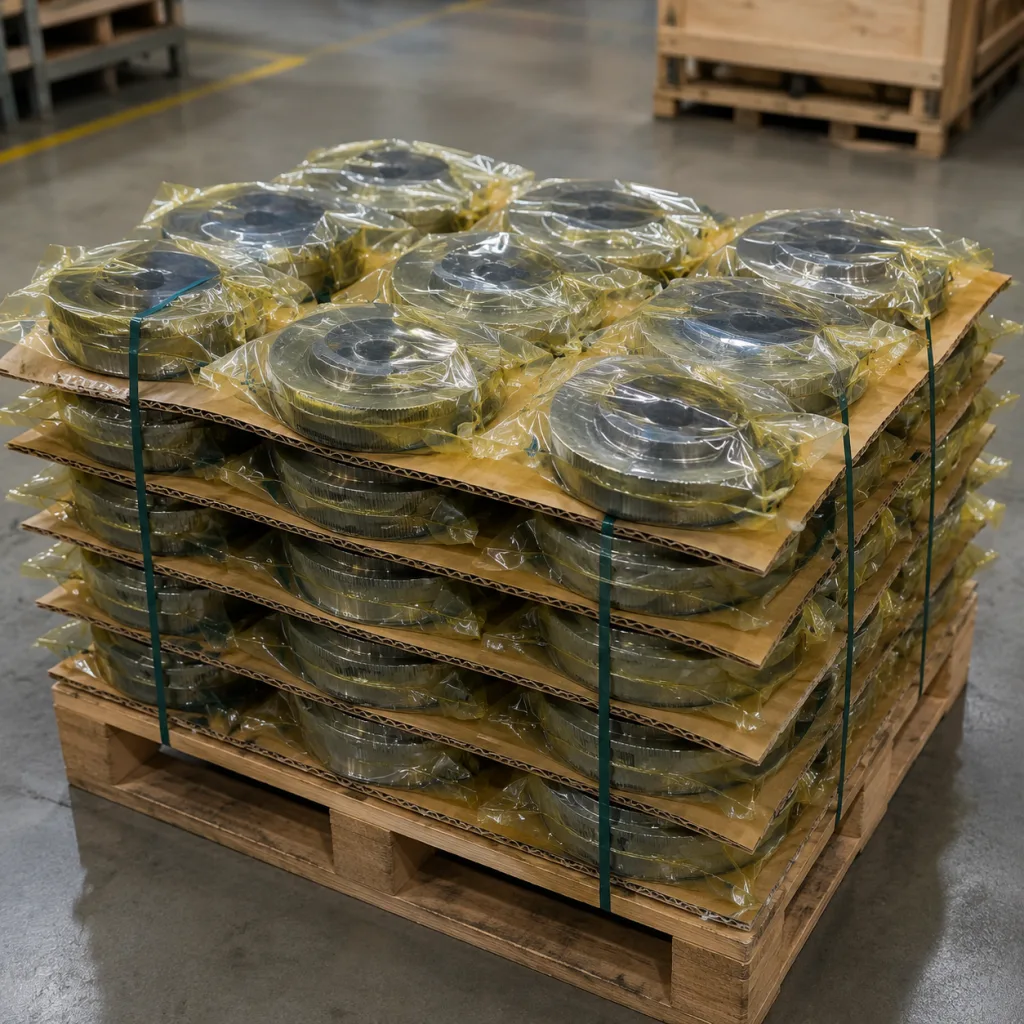
Packaging control: cavity protection, oil-contamination prevention, label accuracy, and barcode data
Capability evidence: first-off, patrol, and final inspection records, plus Cp/Cpk targets on critical features where applicable
Certification is only a starting filter. Ask whether the supplier’s quality system is certified to IATF 16949:2016 and ISO 9001:2015, then check the certificate scope. For production parts, review control plans, process flow diagrams, PFMEA summaries, inspection instructions, and calibration records.
A serious supplier can explain how they handle nonconforming lots, retention samples, and tool-maintenance intervals. If the seal lip is wear-sensitive, ask how often mould cavities are checked and how dimensional drift is corrected before release. Driventus operates under a documented quality system and supports batch traceability for engine component programmes.
Evidence Gate: Do Not Negotiate Final Price Until the Tests Make Sense
A cheap quote is not comparable until the technical evidence is visible. Testing should match programme risk. A low-volume replacement part for an older engine may not need the same document pack as an OEM service programme, but every seal should have evidence that dimensions, materials, and function are controlled.
Useful validation evidence includes:
Dimensional inspection report against drawing or approved sample, ideally covering all critical dimensions
Rubber hardness result, commonly Shore A, with target and actual values
Heat-ageing comparison before and after exposure, for example 70 hours at 150°C or another programme-specific condition
Compression set test for sealing-force retention
Oil-immersion test using relevant engine oil exposure and defined duration
Pull-off or guide-retention force test
Visual inspection standard for flash, tears, short moulding, contamination, and spring position
Trial installation check using representative valve guides and stems
Packaging verification, including corrosion protection and part-count accuracy
For higher-risk programmes, request production part approval documentation aligned with automotive practice. PPAP-style submissions may include dimensional results, material reports, capability data, appearance criteria, and packaging approval.
Do not rely on a clean sample alone. Samples can be selected, polished, or hand-finished. Production control is proven through batch records and repeatable inspection results. A good minimum rule: the sample must reflect normal tooling, normal operators, and normal cure conditions.
Buyers serving regulated emissions markets should also consider downstream risk. Valve stem seal failure can increase oil burning and affect emissions performance, even though the seal itself is not certified under vehicle emissions standards such as ECE R-83. For a high-duty commercial vehicle, turbocharged petrol engine, or oil-control-sensitive engine family, raise the test bar. Ask for longer ageing evidence or field history from the same design family.
Commercial Comparison: Score Landed Risk, Not Just Unit Price
Commercial comparison starts after the technical risk is understood. A low MOQ may help catalogue expansion, but it can raise unit cost or create irregular production. A high MOQ may lower price, but it can lock the buyer into inventory if cross-references, demand forecasts, or fitment assumptions are weak.
Use a comparison format that sourcing, engineering, quality, and sales can all read. Separate sample cost, tooling cost, unit price, packaging, and landed cost. Suppliers often bundle these items differently.
What are the sample, pilot, and mass-production timings?
Schedule with production and inspection stages
Quality system
Are IATF 16949:2016 and ISO 9001:2015 in place?
Valid certificates and audit scope
Validation
Which tests are performed per batch or per project?
Inspection reports and test summaries
Traceability
Can claims be traced to production batches?
Lot coding and retained records
Packaging
Can private-label or kit packing be supported?
Packing specification and label artwork review
</tr></thead><tbody> </tbody></table>Typical commercial ranges for valve stem seals are often:
Existing-tooling samples: 7–15 days
New tooling or new development: 20–35 days
Pilot run after sample approval: 15–30 days
Mass production: 25–45 days depending on raw material and packing complexity
Catalogue MOQ: often around 500–1,000 pcs per SKU
Custom or newly tooled MOQ: often 1,000–3,000 pcs or more
Ask whether MOQ is tied to one release, one production batch, or a rolling annual commitment. The answer changes inventory planning.
Price should be judged across volume tiers. A sensible RFQ asks for trial quantity, annual volume, and forecast steady-state volume. Also confirm whether the quote includes standard packaging, labels, barcode printing, palletisation, and export-ready cartons. A quote that excludes those items may only look cheaper.
Payment terms matter too. Better credit terms can offset a slightly higher unit price when the buyer carries inventory across many SKUs. Driventus manufactures engine and powertrain components in Taizhou, Zhejiang, and exports to more than 60 countries. Buyers can review our catalog for related engine components and discuss custom manufacturing when drawings, samples, or private-label specifications are required.
RFQ Workflow: A 12-Step Path From Sample to Scale-Up
A repeatable RFQ workflow reduces sourcing errors and makes future reorders faster. It also removes guesswork from how to choose a valve stem seal supplier because each stage has a pass/fail gate.
1. Define fitment scope by engine family, not only by vehicle model. 2. Confirm critical dimensions from drawings, samples, or validated cross-references. 3. Identify intake and exhaust seal differences. 4. Select the elastomer compound based on temperature, oil exposure, and fuel environment. 5. Request IATF 16949:2016 and ISO 9001:2015 certificates, including scope. 6. Review the process flow, control plan, and inspection method for critical dimensions. 7. Request material and functional validation evidence. 8. Approve samples only after checking production-representative parts. 9. Confirm MOQ, tooling cost, sample lead time, mass-production lead time, and payment terms. 10. Review packaging, labelling, barcode, carton strength, and palletisation for export. 11. Agree on claim handling, retained samples, and traceability records. 12. Place a pilot order before scaling to full catalogue release.
Make the workflow operational with hard release criteria. Do not approve a sample unless stem bore, case OD, and height meet drawing tolerance; hardness falls inside the agreed Shore A window; and the supplier identifies batch, cavity, and date code. Do not release the first production lot unless carton count, label data, and traceability records match the approved packaging specification.
Sequence matters. If price is negotiated before compound, tooling, and dimensional controls are confirmed, the comparison may be false. A technically weak quote can look attractive until warranty returns, rework, catalogue corrections, and customer claims are included. The lowest-risk supplier is usually the one that proves repeatability, not the one that wins the first spreadsheet sort.
Frequently asked questions
For regular procurement, request drawings or approved sample references, dimensional reports, material test data, inspection plans, batch traceability records, and valid IATF 16949:2016 and ISO 9001:2015 certificates where applicable. For higher-risk programmes, ask for PPAP-style documentation. If possible, also request a control plan, a PFMEA summary, and a recent lot report showing actual dimensions, not only pass/fail statements.
No. FKM is often selected for higher temperature and chemical resistance, but ACM, NBR, or PTFE may be suitable depending on engine design, oil exposure, temperature, and cost target. The supplier should justify the compound with test evidence. As a practical check, ask for the intended operating temperature band, hardness window, and compression-set result for the exact compound being offered.
Group applications by engine family, confirm dimensions against samples or drawings, test production-representative samples, and run a pilot order. Check intake and exhaust differences carefully, especially where seals look similar but use different lip geometry or materials. It also helps to approve a first article against the exact packaging and label format you will use in production, because mislabelling creates the same commercial risk as a bad seal.
If you are comparing suppliers or preparing a valve stem seal RFQ, Driventus can review drawings, samples, packaging needs, and volume targets. To discuss specifications or [request a quote](/contact.html), contact our team at /contact.html