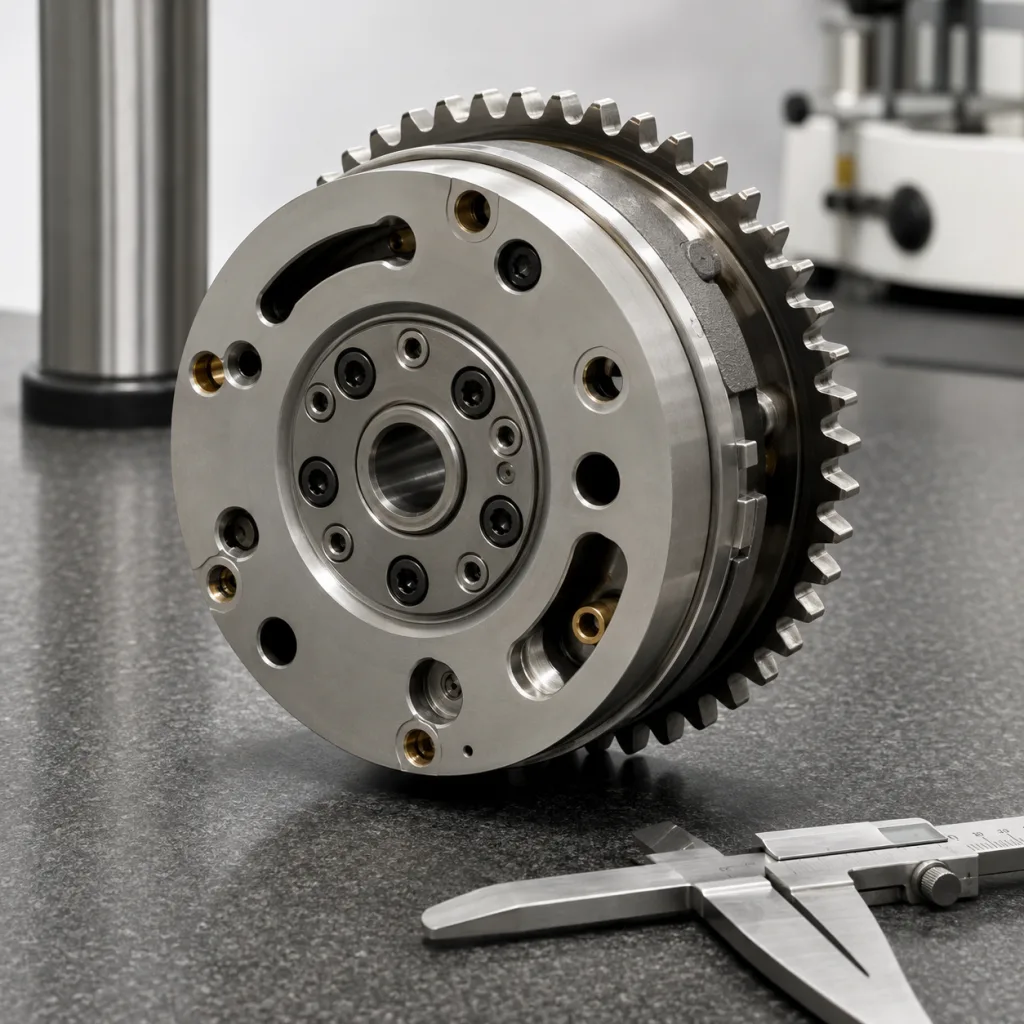
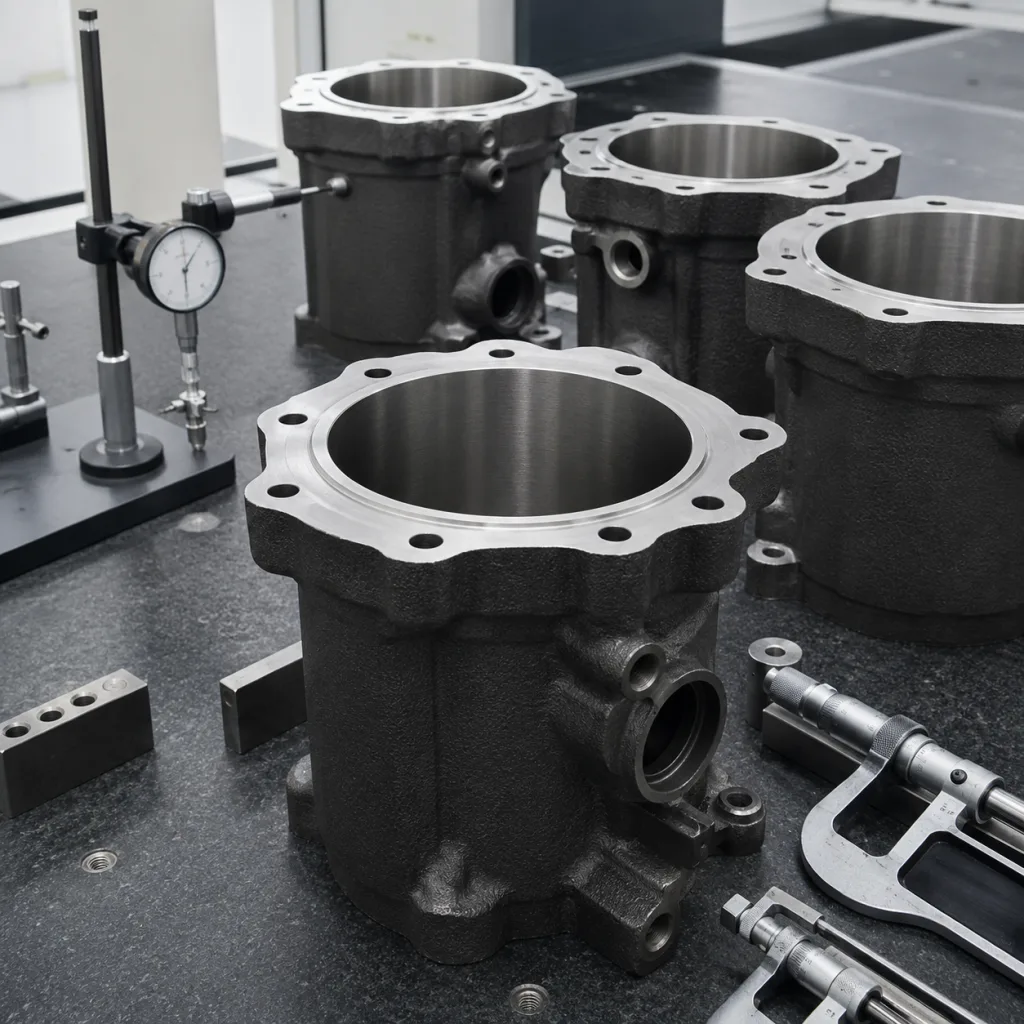
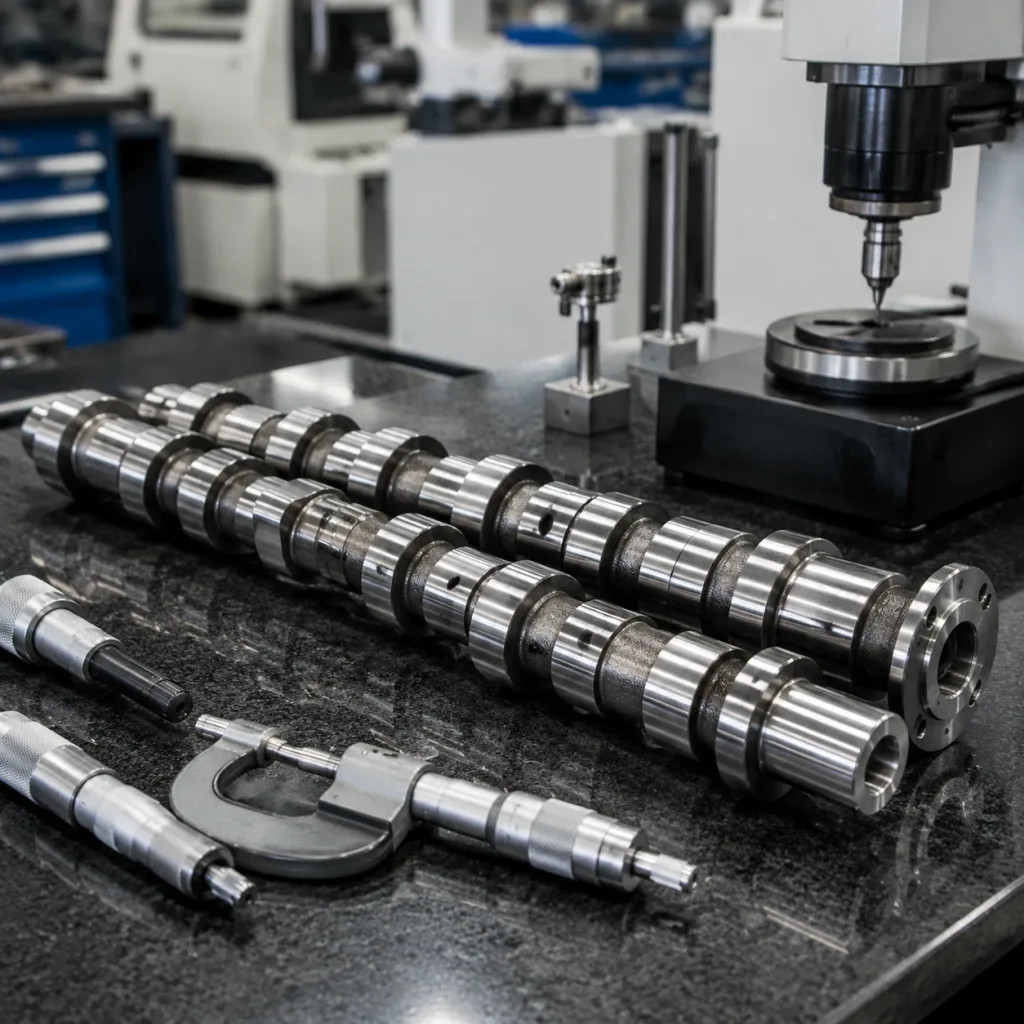
Head bolt set dimensions are a core control point when sourcing cylinder head fastening kits for aftermarket distribution, OEM service channels, or repair-chain supply programmes. A bolt can match the nominal thread size yet still be wrong in under-head length, flange diameter, shank transition, drive depth, or yield-zone geometry. Those differences can change clamp load, gasket sealing, and workshop tightening results. For procurement teams, the specification should go beyond the M size printed in a catalogue. It should define length groups, thread pitch, head drive, washer or flange form, material grade, heat treatment, coating friction, packaging traceability, and inspection method. Driventus manufactures engine and powertrain components in Taizhou, Zhejiang, under IATF 16949:2016 and ISO 9001:2015 systems, supplying B2B customers in Europe, the UK, North America, Australia, and Brazil. Driventus is an independent aftermarket manufacturer; brand names are referenced for fitment only.
Dimensional Fields Buyers Should Specify
A sourcing drawing or RFQ should separate functional dimensions from packaging, labelling, and market preferences. For torque-to-yield and high clamp-load head fasteners, small geometry differences can affect elongation, seating friction, and final bolt stretch. The most useful head bolt set dimensions are the ones tied directly to assembly behaviour.
Dimension field
Typical procurement requirement
Why it matters
Nominal diameter
M8, M10, M11, M12, or application-specific
Sets thread engagement and tensile stress area
Thread pitch
Coarse or fine metric thread, defined on drawing
A mismatch can damage block threads or give false torque readings
Overall length
Usually supplied in multiple kit lengths
Helps identify variants, but is not always the main installed dimension
Under-head length
Measured from bearing face to bolt end
Controls installed depth and clamp path
Thread length
Full or partial thread length
Affects engagement, runout position, and stretch zone
Head type
External hex, bi-hex, Torx-style, or internal drive
Must match workshop tooling and service instructions
Flange or washer diameter
Integrated flange or loose washer, as specified
Controls bearing area and tightening friction
Shank diameter
Reduced, full, or stepped shank
Important for elastic stretch and torque-to-yield behaviour
End form
Chamfered, dog point, or flat end
Affects thread starting and blind-hole clearance
</tr></thead><tbody> </tbody></table>When quoting from our catalog, buyers should provide an application list, sample kit, 2D drawing, or controlled OE cross-reference convention such as OE 06A107065 when it is already part of the sourcing brief. Driventus does not claim vehicle manufacturer approval or endorsement.
Common Size Ranges and Tolerance Targets
Head bolt kits are application-specific, but many passenger car and light commercial programmes fall within predictable dimensional bands. These ranges are useful for first-pass supplier screening and cost comparison; final approval should still be based on the drawing, sample report, and fitment validation.
Nominal diameter: M8 to M12 for most light-duty engines; larger sizes may apply to commercial diesel engines.
Thread pitch: commonly 1.25 mm, 1.5 mm, or 1.75 mm, depending on diameter and engine block design.
Under-head length: often 80 mm to 220 mm, with mixed-length kits used on many cylinder heads.
Thread length: often 25 mm to 60 mm, depending on block depth, engagement requirement, and bolt design.
Head height: controlled to maintain socket engagement and clearance under cam covers or timing covers.
Bearing face flatness: controlled because uneven seating changes torque-to-tension conversion.
Shank and transition radius: checked where reduced-shank or torque-to-yield designs are used.
Length tolerance: specified by drawing; buyers often require tighter control on under-head length than on packaging-level total length.
Thread inspection: go/no-go gauge checks should be defined by thread standard and drawing notes.
For custom programmes, Driventus can support custom manufacturing using buyer drawings, material requirements, sample reverse engineering, or controlled fitment references. Final head bolt set dimensions should always be locked by approved drawing and pre-production sample report, not by catalogue text alone.
Material, Heat Treatment, and Surface Finish
Cylinder head bolts must maintain clamp load under thermal cycling, combustion pressure, gasket compression, and repeated service temperature changes. Dimensional control is therefore tied to metallurgy and coating rather than treated as a separate purchasing line.
Common specification items include:
Steel grade or mechanical property class defined by customer drawing.
Tensile strength and yield behaviour suitable for elastic tightening or torque-to-yield tightening strategy.
Controlled heat treatment with hardness range, case condition, and decarburisation checks.
Rolled threads after heat treatment where specified for fatigue strength and surface integrity.
Zinc flake, phosphate and oil, or another controlled coating system selected for corrosion resistance and tightening friction.
Coefficient-of-friction range validated against the intended torque, torque-angle, or staged tightening procedure.
Salt spray or cyclic corrosion testing where required by customer specification.
Cleanliness controls to limit thread contamination, coating flakes, burrs, and loose particles in packaging.
Published management and compliance references may include IATF 16949:2016 for automotive quality management, ISO 9001:2015 for quality management systems, and REACH (EC) No 1907/2006 for chemical substance obligations in the EU. These standards do not replace the part drawing; they define parts of the control framework around manufacturing, traceability, and compliance.
Inspection Plan for Incoming Approval
A practical approval plan checks both physical fit and clamp-load risk. Buyers should request dimensional data before mass shipment, especially when consolidating multiple engine applications into one regional programme or changing from one coating system to another.
Inspection item
Recommended method
Procurement note
Diameter and pitch
Thread gauges and calibrated measuring tools
Check each length variant in the set
Under-head length
Caliper, fixture, or CMM where required
Measure from bearing face, not top of head
Thread length
Caliper and visual boundary check
Confirm partial-thread transition and runout position
Head drive
Tool engagement test and dimensional check
Avoid shallow, oversized, or poorly formed drive features
Bearing face
Visual inspection, flatness check where specified
Burrs, dents, or coating build-up can alter tightening friction
Shank form
Caliper, micrometer, or profile check
Confirm reduced or stepped zones match the approved sample
Hardness
Rockwell or Vickers method as specified
Link results to heat-treatment batch
Coating thickness
XRF or approved coating method
Excess coating can affect thread fit and friction
Packaging count
Kit-by-kit verification
Mixed-length sets need clear separation and labels
</tr></thead><tbody> </tbody></table>Driventus maintains batch-level traceability through its quality system, including incoming material records, production lot control, in-process checks, and final inspection documentation. For higher-risk programmes, buyers can request PPAP-style documentation, dimensional reports, coating data, and retained samples.
How Dimensions Affect Assembly Performance
The visible size of a head bolt is only one part of the specification. In service, the fastener must produce the intended clamp load without bottoming in the block, stripping threads, yielding outside the designed zone, or creating uneven gasket compression.
A bolt that is too long may reach the bottom of a blind hole before the head is clamped. A bolt that is too short may have insufficient thread engagement. Incorrect flange diameter can change contact pressure under the head. A different shank length can shift the stretch zone and alter torque-angle behaviour. A drive form that is slightly shallow may still pass a visual check but fail under workshop torque. Even a coating substitution can change friction enough to create over-stretch or under-clamping when the technician follows the same tightening sequence.
For repair-chain and distributor programmes, these risks increase when kits cover several engine codes. The bill of materials should define the exact count per length group, bag separation, label reference, tightening note inclusion if required, and carton-level traceability. Where instructions are supplied with the kit, the tightening sequence and angle stages should be consistent with the validated application data.
RFQ Data to Send a Supplier
A complete RFQ reduces sampling cycles and avoids price comparisons based on incomplete specifications. For head bolt set dimensions, send the data below where available:
Target vehicle and engine application list, including engine code and model year range where possible.
Existing OE-style reference, if already used in your system, such as OE 11251... or OE 06A... convention.
Quantity per engine set and number of length groups.
Nominal diameter, thread pitch, under-head length, thread length, head height, and head drive.
Flange or washer details, shank form, end form, and any reduced-diameter stretch zone.
Material grade, hardness range, coating type, and friction requirement.
Required standards, audit expectations, and compliance documents.
Annual forecast, first order quantity, packaging format, private-label requirement, and destination market.
Sample requirement, validation timeline, and acceptable inspection report format.
Buyers sourcing related engine hardware can also review engine components and broader kit options in our catalog. Driventus is an independent aftermarket manufacturer; brand names are referenced for fitment only.
Frequently asked questions
Under-head length controls the installed working length from the bearing face to the bolt end. Total length can vary with head height or drive form. For approval, under-head length is usually the more important assembly dimension.
Yes, but only when the length groups, thread form, head drive, material, coating, and tightening behaviour match the target applications. Consolidation should be validated with drawings, samples, and fitment data.
Request a dimensional report, material or hardness data, coating and friction information, batch traceability details, packaging specification, and quality-system evidence such as IATF 16949:2016 and ISO 9001:2015 certificates.
For drawings, samples, inspection reports, or programme pricing, contact Driventus to [request a quote](/contact.html).