Full Engine Gasket Kit Dimensions: Supplier Spec Guide
Procurement teams need more than a part name when they source a full engine gasket kit. The useful question is dimensional: does every sealing interface match the engine family, the build variant, and the compression state in service? A kit can look correct on paper and still miss bore coverage, bolt-hole alignment, coolant passage geometry, compressed thickness, or bead recovery after heat cycling. That is where leaks, torque loss, and repeat claims usually start. This guide focuses on the checks buyers should use before approval: the dimensions that matter, the material stack-up behind them, the tolerance evidence suppliers should provide, and the sourcing trade-offs that affect MOQ, price, and lead time. Driventus is an independent aftermarket manufacturer; brand names are referenced for fitment only. For catalogue browsing, see [our catalog](/products.html), and for process controls review our [quality system](/quality.html).
Which dimensions decide fitment?
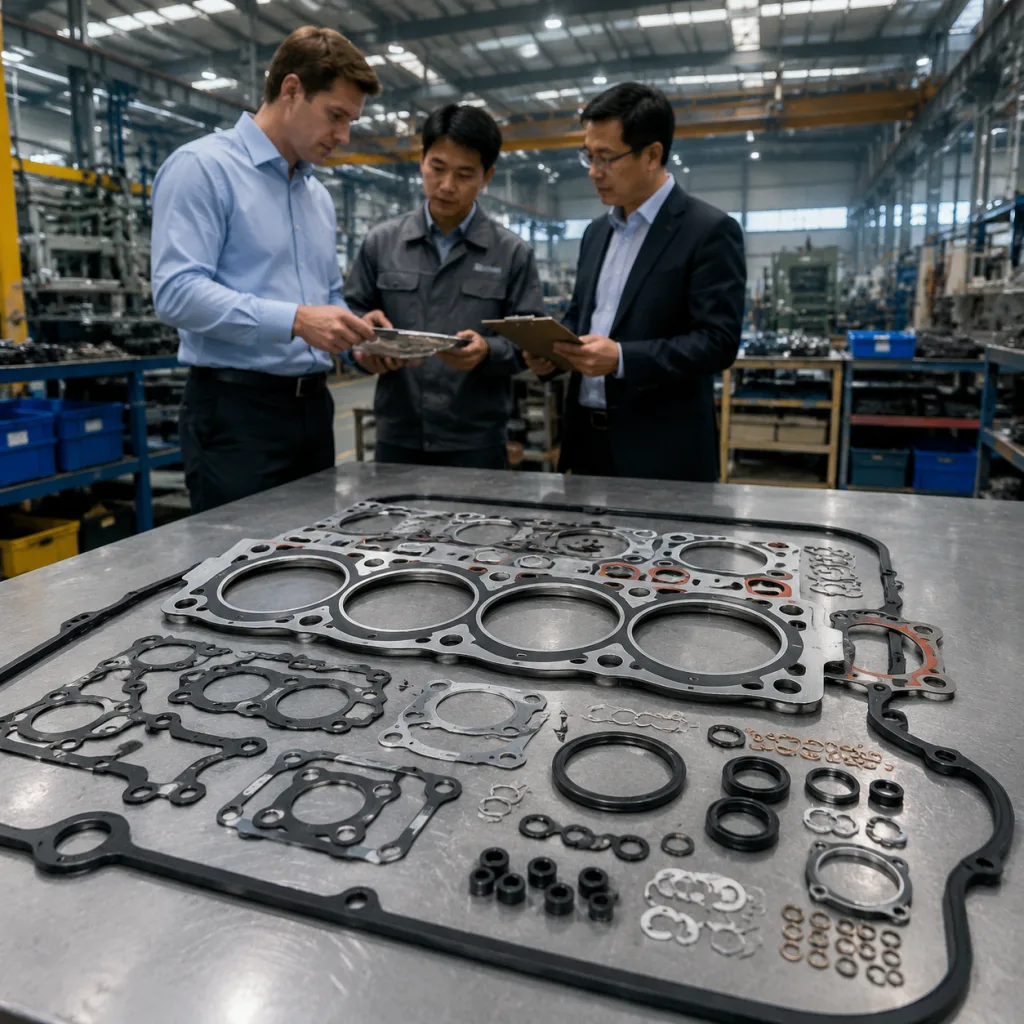
When a buyer evaluates full engine gasket kit dimensions, the first filter is not whether the kit is complete. It is whether the critical sealing features match the engine build. The high-risk checks are:
Head gasket bore diameter, compressed thickness, fire-ring position, and fire-ring width
Block and cylinder head bolt-hole pitch, edge distance, and dowel-hole location
Intake, exhaust, timing cover, valve cover, and oil pan port geometry
Coolant and oil passage cut-outs, including chamfer and corner radii
Thickness after compression, not just nominal sheet thickness
Ask for a dimensional drawing or a measured sample, not a catalog image and not a vehicle list alone. A supplier should state nominal values, allowable variation, and the measurement method used. On engines with multiple bore sizes or emissions variants, confirm OE 06A107065-type cross references only after engine code validation and VIN-level fitment review. As a working rule, request the engine code, serial range, head casting number, and any turbo, EGR, or cooling variant before sample approval.
How the kit breaks down by gasket type
A full kit is a bundle of different sealing parts, and each part has its own failure mode. The table below shows the spec items that should appear on a supplier drawing.
Gasket type
Key dimensions to verify
Typical control point
Head gasket
Bore diameter, compressed thickness, fire-ring width, coolant port layout, dowel-hole position
Compressed thickness ±0.03-0.05 mm and bore concentricity within ±0.10 mm
Oil-seal continuity at corners, bead uniformity and joint gap control
Timing cover gasket
Water pump and front seal cut-outs, dowel holes, seal bead continuity
Dowel location and coolant passage match, typically ±0.10-0.15 mm on locating features
</tr></thead><tbody> </tbody></table>The head gasket and intake manifold gasket usually reveal dimensional drift first. If those are off by 0.3-0.5 mm on critical hole locations, the rest of the kit may be irrelevant. Buyers should ask for measured samples against an OE benchmark or approved master part, not just a part number cross-reference.
What material stack-up changes the dimension story?
Fit is only half the job. Material choice changes how the gasket behaves after torque cycle, heat soak, and long-term clamp load.
Common material combinations
MLS head gasket with graphite, NBR, or FKM auxiliary seals
Molded rubber valve cover and timing cover seals
Fibre or composite intake and oil pan gaskets
PTFE or FKM lip seals where oil resistance is critical
Steel-reinforced bead gaskets for higher clamp-load applications
Thickness items to record
Sheet thickness before compression
Compressed thickness under stated load
Bead height and bead width on formed gaskets
Seal cross-section diameter for O-ring style parts
Recovery after compression set, typically measured after heat soak
A supplier should identify the measurement condition. A 1.20 mm nominal fibre gasket and a 1.20 mm MLS shim do not behave the same in service. For export procurement, request material declarations aligned with REACH (EC) No 1907/2006 where applicable, and confirm process control under IATF 16949:2016 and ISO 9001:2015. If the application is sensitive to coolant chemistry or long oil-change intervals, ask for compatibility limits by fluid type, temperature range, and soak duration rather than a generic heat-resistant claim.
What evidence proves tolerance control?
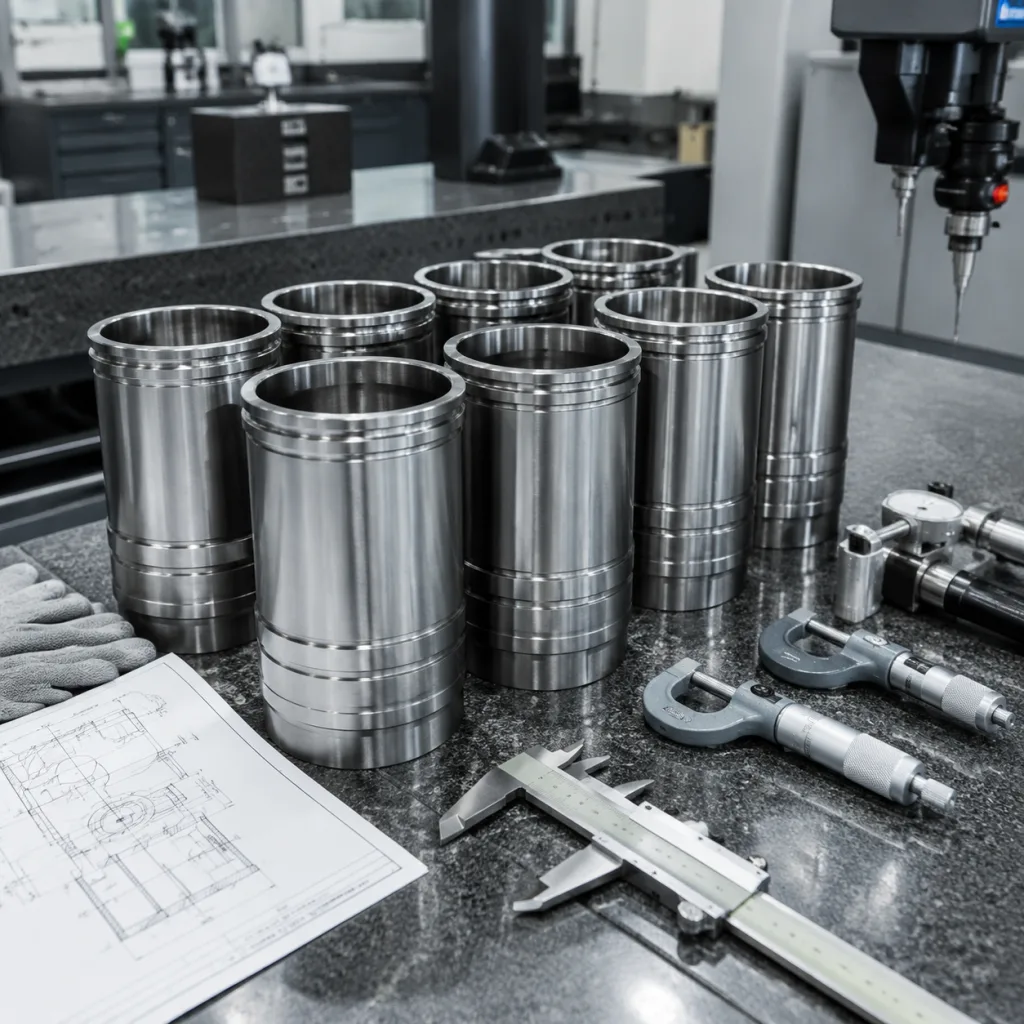
Tolerance should be defined on the drawing, not inferred from fitment claims. For a production purchase order, ask for:
1. Drawing with nominal dimensions and tolerances 2. First article inspection report 3. Material certificate or batch traceability 4. Fitment sample from the target engine family 5. Leak, compression, or thermal validation data, if available
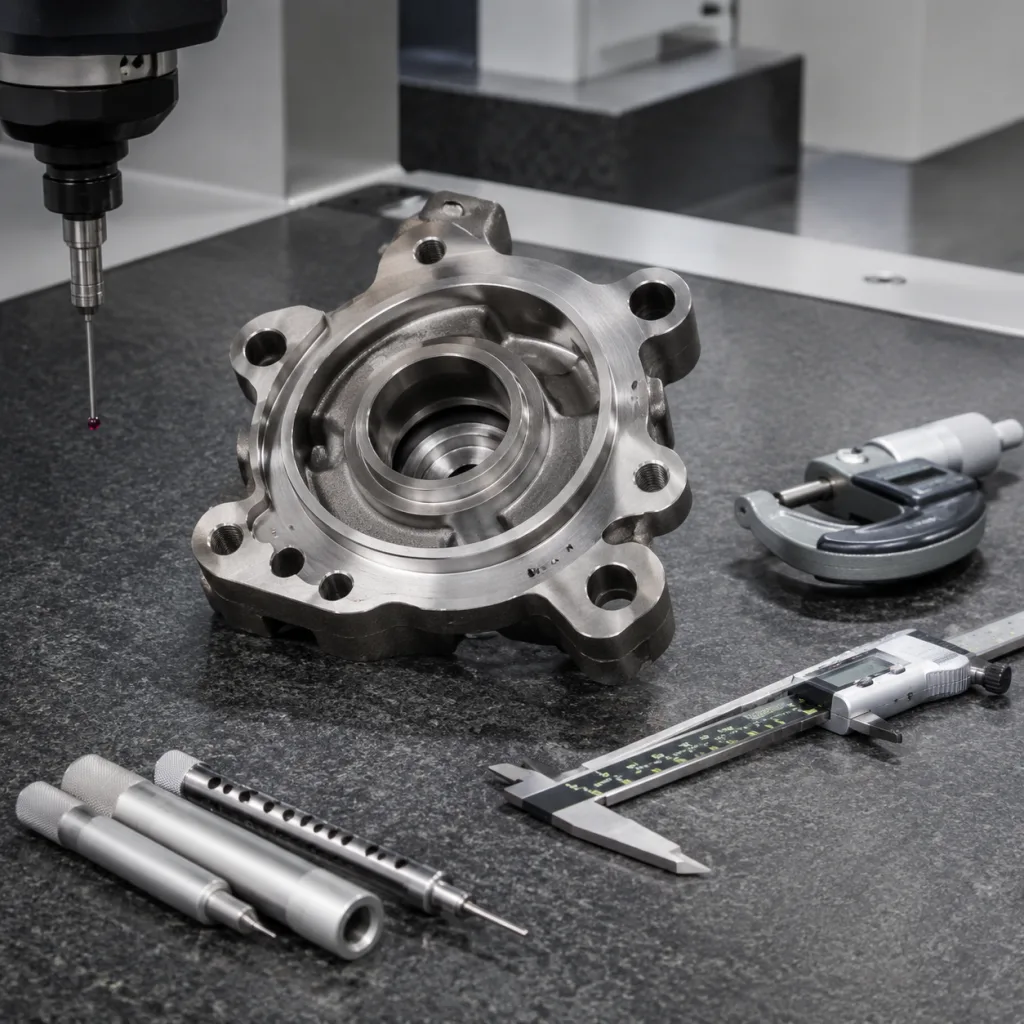
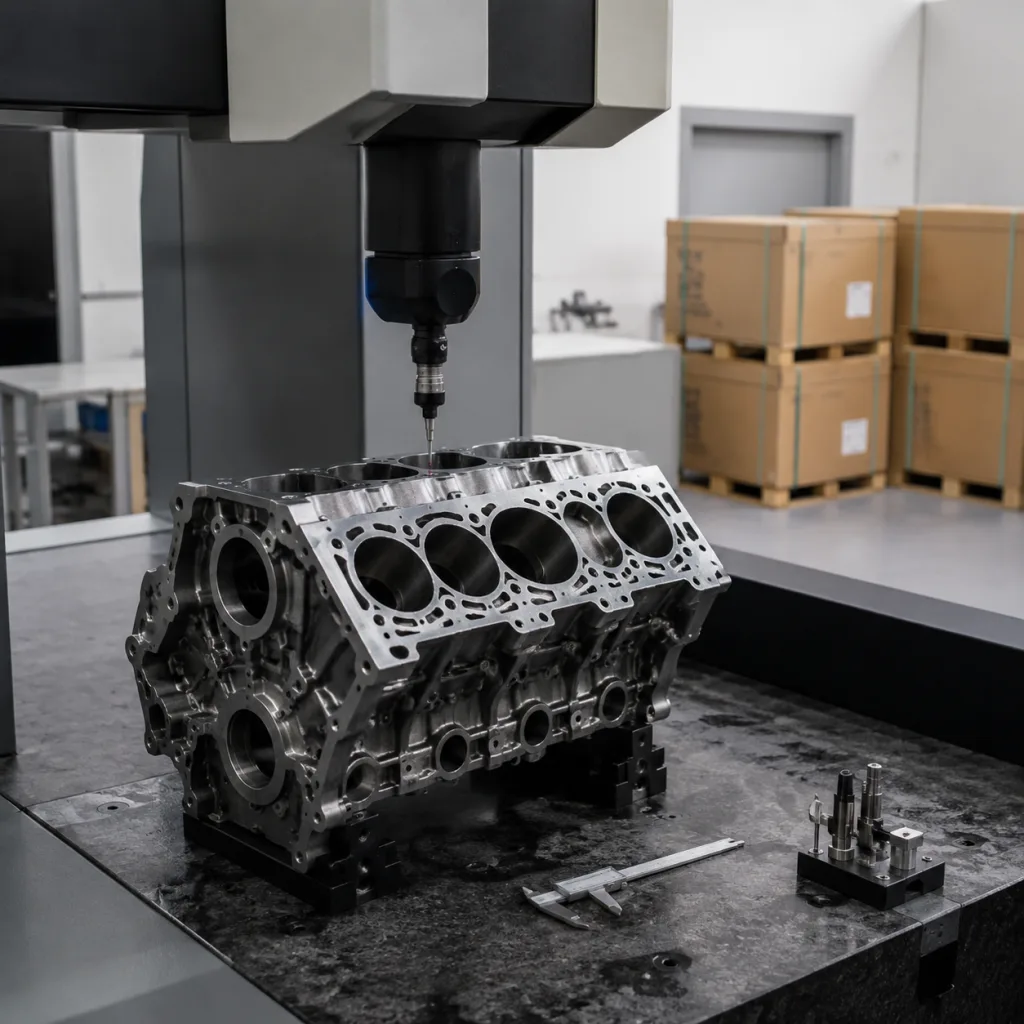
The most useful validation methods are coordinate measurement for hole location, profile gauging for perimeter accuracy, and compression testing for sealing elements. For high-temperature applications, some buyers also request durability reference data aligned with SAE J2527 for heat-age related evaluation, where relevant to the material system. If the application concerns emissions-sensitive sealing, confirm that the gasket package does not alter systems covered by ECE R-83 compliance paths, even though the gasket itself is not certified under that rule.
A practical acceptance model is to separate critical-to-fit, critical-to-function, and cosmetic-only features. Bolt-hole position and sealing land width are usually critical-to-fit. Trim flash on non-sealing edges may be acceptable within an agreed limit. Typical commercial tolerances on non-critical trim features may be ±0.30 mm, but every limit should be tied to the exact engine family and part geometry.
How MOQ, price, and lead time usually move
Buyers should treat gasket kits as a tooling-and-process product, not a simple commodity. MOQ, unit price, and lead time usually change based on kit complexity, material mix, and whether the part is built to an existing pattern or a new drawing.
Typical sourcing logic
Standard catalog kit: lowest MOQ, shorter lead time, best unit cost
Custom-engineered kit: higher MOQ, validation cost, and longer sample-to-production cycle
Mixed-material kit with special seals: highest process complexity and tighter inspection requirements
What buyers should ask for in a quote
MOQ by part number and by kit family
Price breaks by volume tier, such as 500, 1,000, and 5,000 kits
Sample cost and whether it is credited against production orders
Tooling or setup charges for custom profiles
Standard production lead time and expedited lead time
Packaging, labeling, and palletization charges for export orders
Catalog-style gasket kits often quote lower MOQs and faster lead times because tooling already exists and the supplier is producing from a controlled master pattern. Custom kits usually require 2-4 weeks for sample confirmation and a longer production lead time depending on inspection and packing requirements. Price per kit generally improves as volume increases, but landed cost matters more than ex-works price because freight, carton configuration, and duty classification can change the final number. If demand is recurring, request annual volume tiers and ask the supplier to hold a forecast window so the pricing model matches your replenishment plan.
How sourcing teams use Driventus
Driventus supplies full engine gasket kits for aftermarket distribution, OEM / Tier-1 supply chains, and multi-location repair networks. The offer is built around repeatable fitment control rather than catalogue-only coverage.
What sourcing teams usually receive
Dimensional drawings for the main sealing parts
Cross-reference support for OE part-number matching
Batch traceability and inspection records
Packaging options for export and warehouse distribution
MOQ and lead-time confirmation tied to target annual volume
Sample approval support before production release
For engine families with regional variants, buyers often need the same installation envelope with adjusted seal materials or surface finish. That is where customisation matters more than broad claims. If you are comparing kit families, browse our catalog or the broader engine components range before you send a drawing for review. When applicable, we can quote a standard kit, a private-label version, or a custom configuration with price separated by tooling, sample, and production line item.
What to check before you release the order
Use this checklist before approving a purchase order:
Confirm engine code, displacement, bore, head variant, and build date range
Match all port and hole locations against the OE sample or master drawing
Check compressed thickness and bead height on sealing parts
Verify material compatibility with coolant, oil, fuel, and temperature exposure
Require traceability, inspection records, carton labelling, and lot coding
Review the supplier’s corrective-action process for nonconformance
Confirm MOQ, price breaks, packaging count, and standard lead time
The lowest-risk path is a documented sample approval process followed by a controlled production run. That process should include drawing sign-off, a physical comparison against the OE gasket, and a pilot shipment if the part is new to your program. If you need a drawing review or a quotation against your target application, use request a quote and include engine code, OE reference, required annual volume, target delivery region, and any packaging or labeling requirement.
Frequently asked questions
Head gasket bore, compressed thickness, bolt-hole location, and port geometry matter most. For the rest of the kit, perimeter accuracy, bead height, and seal cross-section are usually the key controls.
Sometimes, but only if bore size, passage layout, bolt pattern, and compressed thickness are identical. Variant engines often differ by thickness, coolant passage shape, emissions hardware, or head casting revision.
Ask for a drawing, tolerance list, material declaration, first article report, batch traceability, MOQ, and lead-time confirmation. If possible, also request a physical sample for dimensional comparison and a quoted volume tier schedule.
If you need a dimensional review or a quotation for your target engine family, send your specification through /contact.html and we will respond with fitment, sourcing, MOQ, price, and lead-time details.