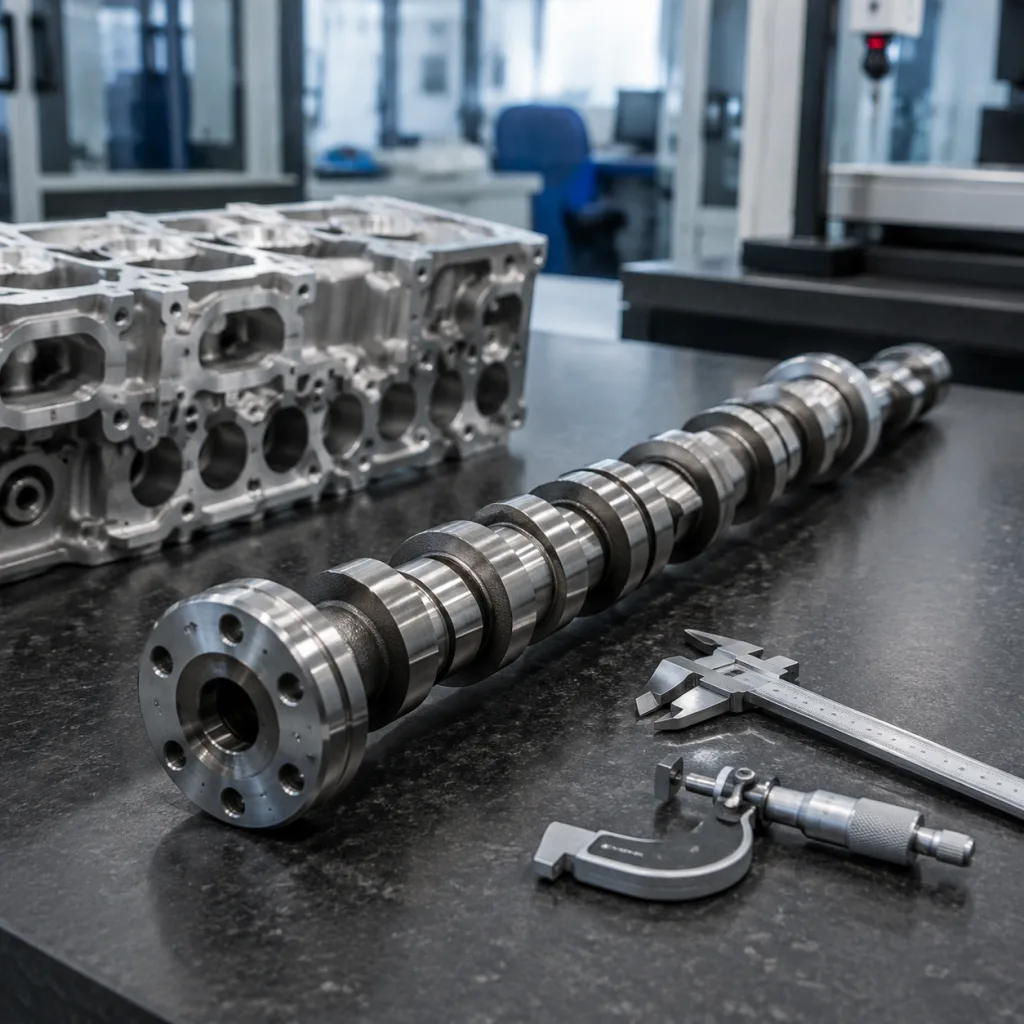
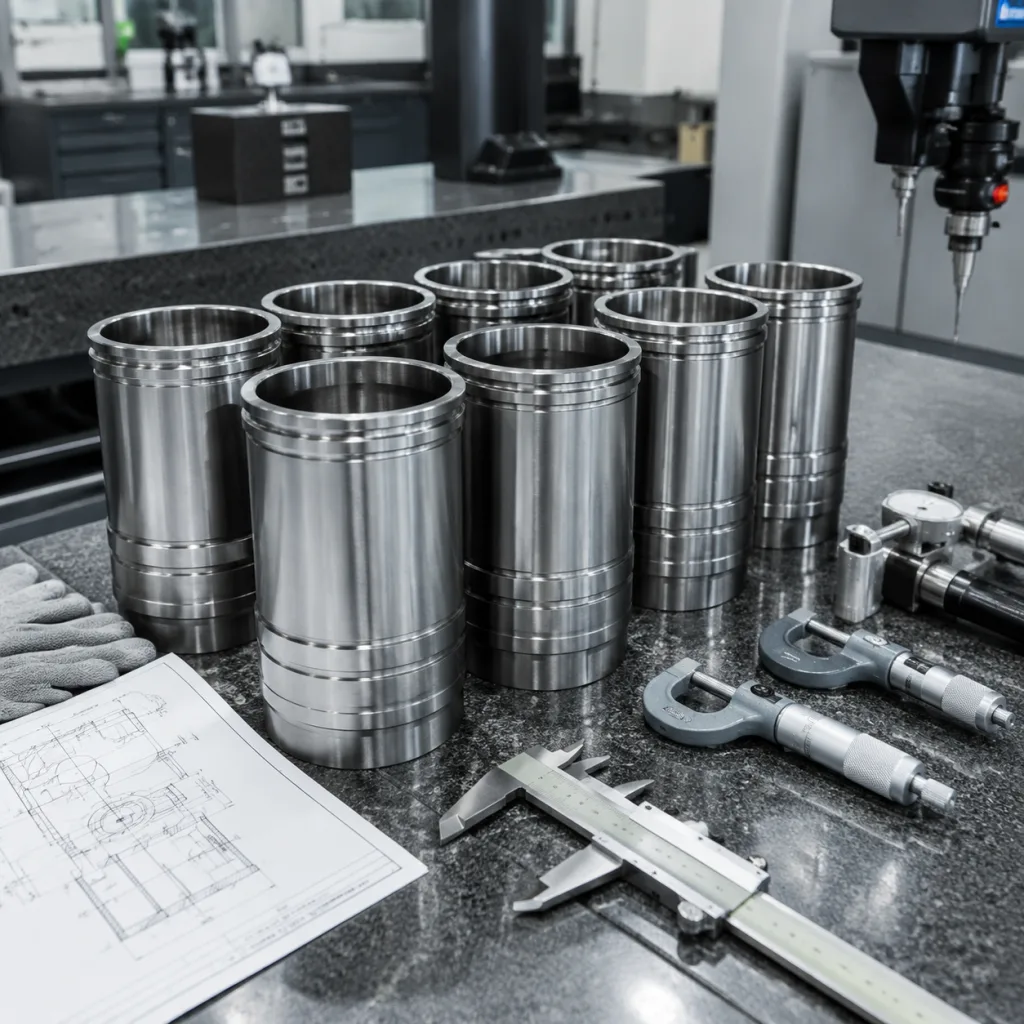
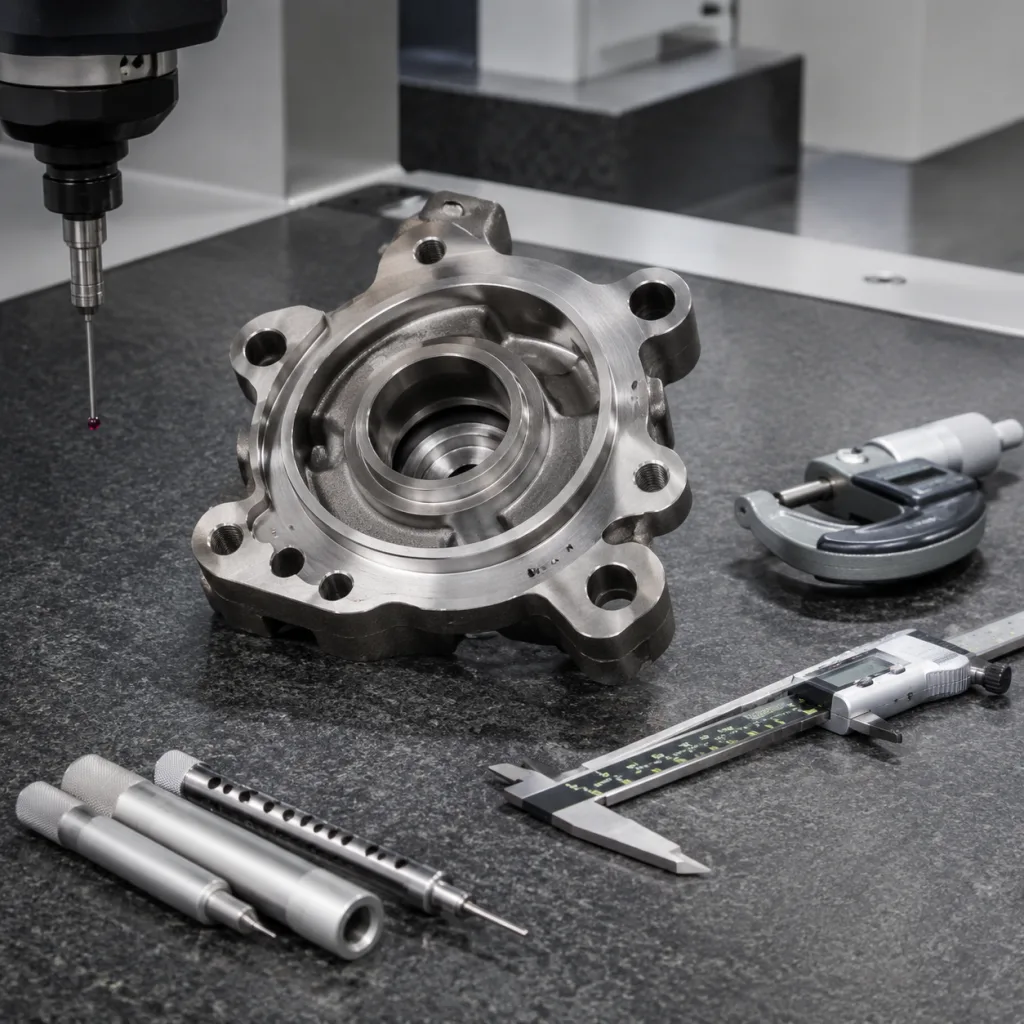
Engine Block Skoda Supplier: Sourcing Guide
If you are evaluating an engine block Skoda supplier, start with fitment control, traceability, and repeatable supply—not just casting price. Procurement teams need a block that matches the OE interface, holds machining dimensions consistently, and arrives with inspection evidence that supports incoming QC and warranty control.
Driventus manufactures engine and powertrain components in Taizhou, Zhejiang, and supplies B2B customers in the aftermarket, OEM, and repair-channel segments. Driventus is an independent aftermarket manufacturer; brand names are referenced for fitment only.
For Skoda applications, the sourcing question is simple: can the supplier prove the part will fit, perform, and scale? That means confirming OE part-number cross-references, engine-code compatibility, bore and deck geometry, surface finish, pressure testing, and packaging controls. It also means asking for the exact machining state, target tolerances, and lead-time assumptions before approval so quotations can be compared on a like-for-like basis.
Decision framework: what makes a block source viable
The right supplier is not the one with the lowest casting price. It is the one that can protect fitment, throughput, and warranty exposure at the same time.
For a Skoda-fit engine block, evaluate the quote in this order:
- Fitment first: OE cross-reference, engine code, model-year split, and revision level
- Machining clarity: bare casting, semi-finished, or fully machined
- Process control: fixture repeatability, tool-life management, and inspection method
- Commercial fit: MOQ, lead time, and packaging assumptions
- Evidence pack: traceability, inspection records, and compliance documents
A source is usually viable only if it can answer all five without caveats. If the supplier says “compatible” but cannot name the engine code, the quote is not ready for procurement review. If the machining state is undefined, unit price becomes misleading because the real cost often appears later in secondary machining, rejects, or rework. Compare suppliers on the same specification, not on a loose description.
Failure modes: where Skoda block sourcing goes wrong
Most sourcing problems show up after approval, not during quotation. The common failures are predictable.
Typical risk points
- OE cross-reference is correct, but the engine-code split is wrong
- The block is quoted as machined, but critical faces are only semi-finished
- Bore alignment, deck flatness, or thread depth is not measured on every lot
- Pressure testing is omitted or acceptance criteria are unclear
- Packaging is too light for sea freight, so flanges and threads arrive damaged
- Revision control is weak, so mixed variants enter the same shipment
These issues are expensive because they are invisible at the line-item level. A few dollars saved on the block can turn into hours of inspection, sorting, or warranty handling. Ask for the failure prevention method, not just the promise. For example, if coolant porosity is a known risk, the supplier should state the test method, test media, and pass/fail threshold. If the vehicle range spans several years, the supplier should confirm whether the same casting supports every application or whether machining differences are required.
Spec deep-dive: the dimensions and tests that matter
An engine block is only useful if the key interfaces are controlled. For procurement and quality teams, the spec sheet should focus on the numbers that affect assembly, sealing, and durability.
Request these spec items
- Deck flatness and the measurement method used
- Cylinder bore size, taper, and roundness limits
- Main bearing bore diameter and alignment
- Thread depth and thread condition on critical bosses
- Surface roughness on sealing faces, where relevant
- Pressure-test criteria for coolant and oil passages
- Material grade, heat number, and heat-treatment condition if applicable
Do not accept “within OE standard” as a complete answer. Ask for the actual tolerance band and the inspection tool used. If the supplier cannot separate critical dimensions from general cosmetic checks, you will not have enough control for incoming QC.
For a Skoda programme, also confirm whether the block is supplied with machining allowance, whether any bores require finish-honing after purchase, and whether the part is intended for bare casting, semi-finished, or ready-to-assemble use. Those details change the commercial comparison more than most buyers expect.
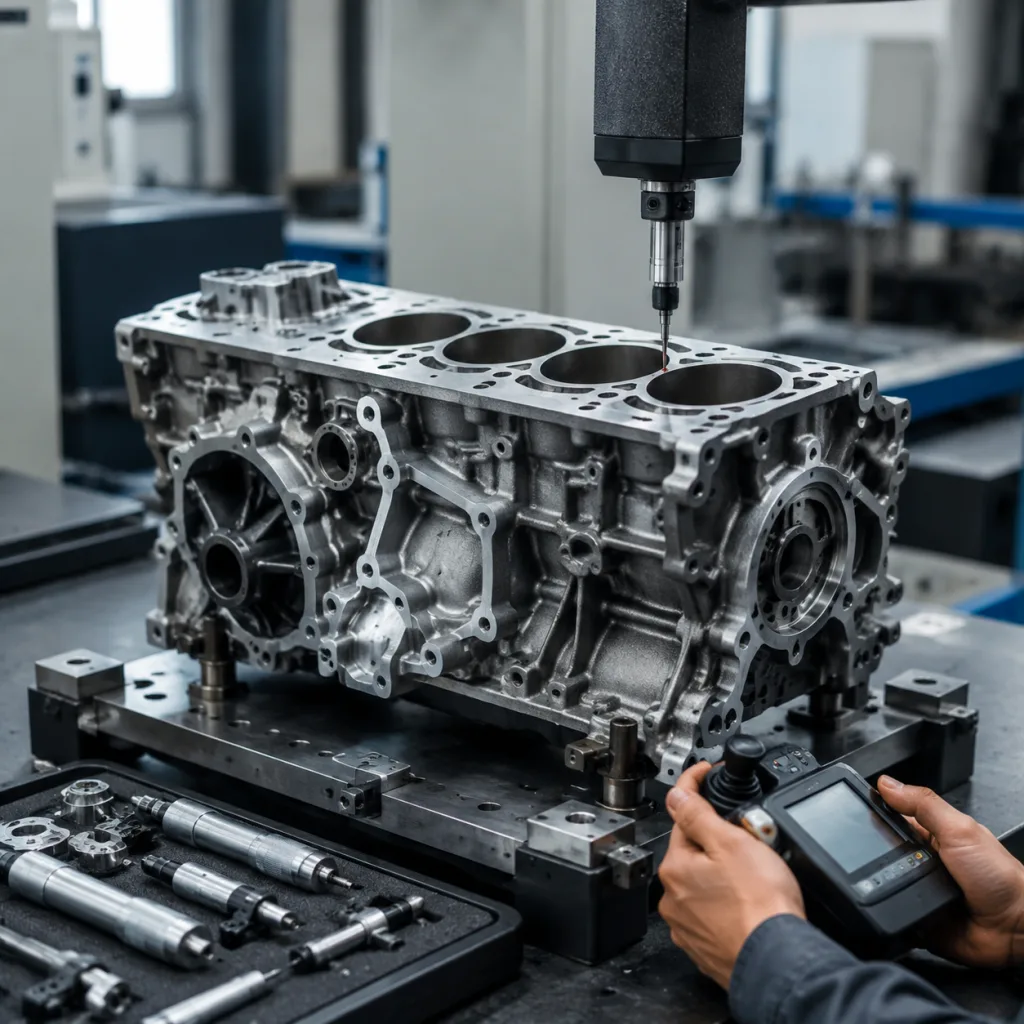
Step-by-step: how to qualify a supplier in one RFQ cycle
A short qualification cycle works best when the RFQ is structured tightly.
1. Send the OE number, engine code, and target vehicle range. 2. State the required machining level and whether the block is bare, semi-finished, or fully machined. 3. Add annual volume, first order quantity, sample quantity, and preferred Incoterms. 4. Request the inspection pack: dimensional report, pressure test data, traceability record, and packing photos. 5. Ask for the lead time split between sample approval and production replenishment. 6. Confirm revision control for any OE updates before you award business.
This sequence keeps suppliers from filling gaps with assumptions. It also makes comparison easier across quotes. The best response is the one that answers the RFQ without forcing a second round of clarification. If the supplier needs to reinterpret the part after the first quote, the programme will likely need tighter controls later too.
Scenario comparison: when to choose Driventus
Driventus is a good fit when the buyer needs a controlled aftermarket supply path rather than an opportunistic stock purchase. That matters when repeatability, documentation, and packaging consistency affect downstream distribution.
Use Driventus when you need:
- OE-reference fitment support tied to engine code
- Machining options matched to your assembly stage
- Traceability and inspection evidence for inbound QC
- Private-label packaging or programme-specific labels
- Consolidated sourcing across engine-component categories
The broader advantage is coordination. If the same programme also needs related engine components, custom manufacturing, or a review of the quality system, the sourcing team can keep one technical thread instead of managing multiple disconnected vendors. That is especially useful for distributors and repair-channel buyers who need stable carton counts, predictable labels, and repeatable lot documentation.
For buyers comparing suppliers, the question is not simply “Who is cheaper?” It is “Who can ship the same block the same way every time?” If the answer is unclear, the low quote is usually false economy.
Commercial terms: what to lock down before award
The commercial page of the RFQ should be as specific as the technical page. Otherwise the first shipment becomes the place where disputes begin.
Lock these fields in writing
- OE number and engine code
- Machining level
- Annual forecast and sample quantity
- MOQ and tiered pricing
- Lead time for sample and mass production
- Incoterms, port, and shipment window
- Packaging, label, and carton requirements
- Documentation pack: COA, inspection report, packing list, photos, and traceability record
Ask for pricing at two or three volume points so you can see whether cost changes are tied to casting, machining, or packing. Also confirm how engineering changes are handled. If a revision affects deck height, a threaded boss, a sealing face, or coolant-jacket detail, the supplier should flag it before shipment and isolate the revision level. That is the difference between a controllable programme and an expensive stock problem.
Frequently asked questions
Yes, where the RFQ includes the OE reference and engine code. Cross-reference is used for fitment verification only, and final approval depends on your dimensional and quality requirements.
Ask for a commercial invoice, packing list, inspection report, material confirmation, photos of the packed goods, and the agreed traceability record. For regulated markets, add any compliance documents needed for your import file.
Yes. Driventus can support custom manufacturing for machining, packaging, labeling, and documentation needs when the programme is defined clearly at RFQ stage.
If you are sourcing an engine block Skoda supplier and need fitment review, technical confirmation, or a quotation pack, contact us at /contact.html.
Request a Quote