For procurement teams sourcing engine mounts for Jaguar applications, the key variables are fitment control, rubber-to-metal durability, and supply stability. A Jaguar engine mount is not a generic bracketed assembly; it must match the original geometry, installed height, durometer range, and load path for the specific platform. Small differences can affect vibration transfer, exhaust alignment, and transmission of torque reaction. Driventus supplies engine mount programmes for aftermarket, OEM, and Tier-1 channels from Taizhou, Zhejiang, with controlled production under IATF 16949:2016 and ISO 9001:2015. Driventus is an independent aftermarket manufacturer; brand names are referenced for fitment only. This article outlines how buyers assess supplier capability, what to verify in samples and drawings, and what commercial details matter when ordering at scale. For a broader view of related parts, see [our catalog](/products.html).
What buyers should verify before placing a Jaguar mount order
A sourcing decision should start with technical compatibility, not only vehicle nameplate. For engine mount programmes, buyers should confirm:
OE cross-reference where available, for example OE 06A107065 when the application data cites it
Mount type: hydraulic, bonded rubber, or dog-bone style torque mount
Corrosion protection: black electrophoretic coating, zinc plating, or equivalent
Packaging and traceability: lot code, barcode, and country-of-origin marking
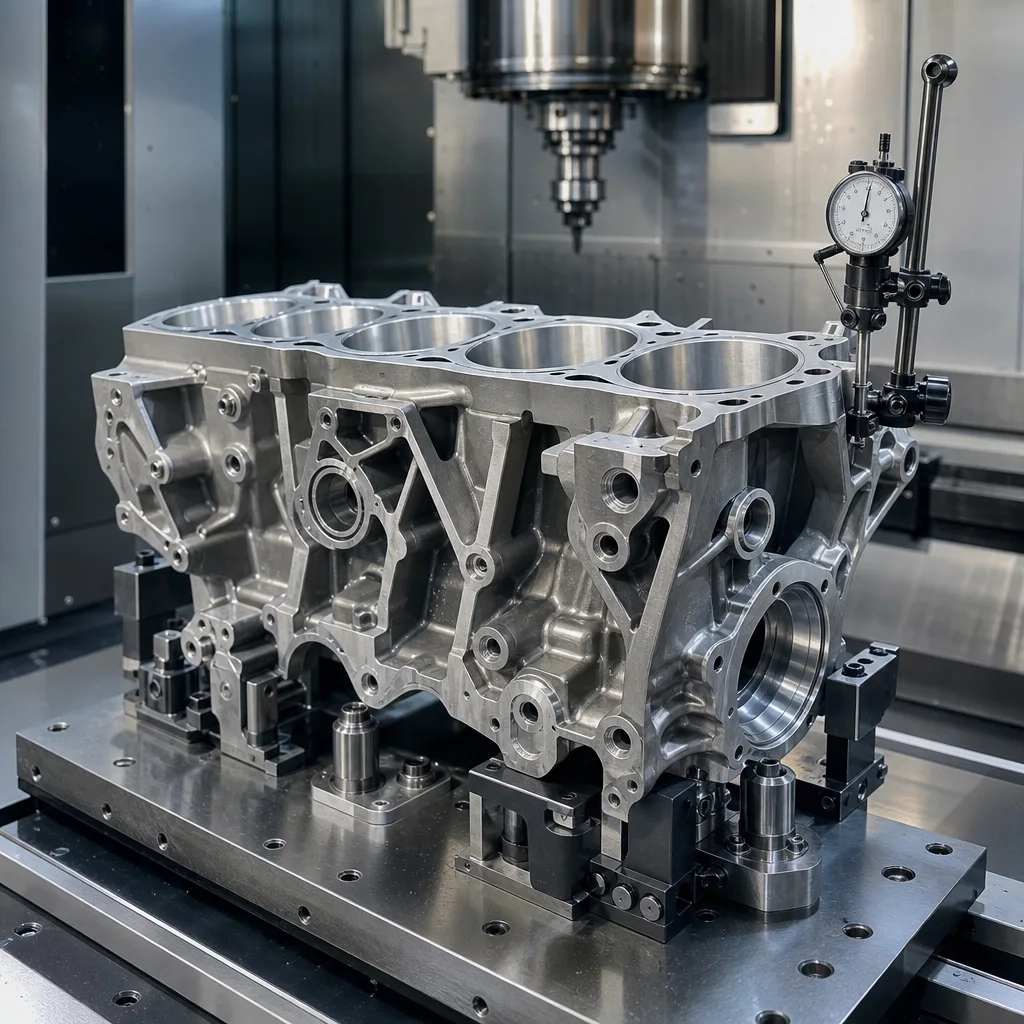
For Jaguar fitment, dimensional control is critical because many platforms share similar-looking components but different bracket offsets. A sample should be checked against the original part and, where possible, the vehicle fixture. Buyers should also confirm whether the programme requires low-NVH calibration for premium passenger car use or a standard-duty aftermarket replacement.
Supplier capability that matters in B2B sourcing
A credible engine mount supplier should be able to support both repeat production and engineering changes. Key supplier signals include batch traceability, incoming material control, vulcanisation process discipline, and fatigue validation on completed assemblies. Driventus operates as a vertically integrated manufacturer, which reduces dependency on outside sub-suppliers for critical steps.
Buyer check
What to ask for
Why it matters
Certification
IATF 16949:2016, ISO 9001:2015
Indicates controlled automotive quality processes
Material control
Rubber compound record, steel spec, adhesive system
Affects service life and vibration isolation
Dimensional report
First article inspection, critical dimensions
Confirms fitment and bracket alignment
Test data
Static load, durability, environmental exposure
Helps qualify the part for programme use
Traceability
Lot number, production date, inspection record
Supports warranty and recall containment
</tr></thead><tbody> </tbody></table>If your team is comparing multiple sources, ask for a supplier quality manual and sample inspection protocol. You can review our quality system before issuing a formal RFQ.
Lead time, MOQ, and packaging terms to negotiate
For distributors and importers, commercial fit is as important as technical fit. Typical sourcing discussions should cover minimum order quantity, production lead time, carton configuration, palletisation, and label format. If the programme includes multiple Jaguar references, ask whether the factory can consolidate SKUs into one shipment without mixing lot traceability.
Common items to define in the purchase specification:
1. MOQ per part number and per order 2. Sample quantity for bench and vehicle validation 3. Standard lead time for repeat orders 4. Emergency production capability for stock-outs 5. Export packaging standard for sea and air freight 6. Document set: commercial invoice, packing list, COO, test report, and drawing revision
For buyers serving multi-location repair chains, stable carton quantities and barcode labels reduce receiving errors. For wholesalers, forecast-based production scheduling is usually better than ad hoc spot buying. This is where a factory with direct manufacturing control can improve supply reliability.
Validation testing for aftermarket and OEM programmes
Validation should reflect the actual duty cycle of the target vehicle platform. For an engine mount, the relevant tests usually include static compression, shear, bonded rubber adhesion, heat ageing, oil resistance, and road-load durability. For exterior exposure or materials with coating systems, buyers may also request salt spray and corrosion checks.
Published standards are useful as reference points where applicable. For vehicle-related emissions or materials compliance in the supply chain, buyers may reference REACH (EC) No 1907/2006. For noise and vibration-related road use discussions, internal test plans may align with vehicle programme requirements rather than a single universal standard. When a customer requires a documented validation plan, request the test matrix before production starts.
If the application is being developed for a private label or regional aftermarket line, custom manufacturing can support drawing review, packaging adaptation, and cross-reference labelling. Driventus does not claim OEM approval or endorsement by any vehicle manufacturer.
How Driventus supports engine mount sourcing programmes
Driventus is structured for export-focused B2B supply. We manufacture engine and powertrain components in Taizhou, Zhejiang, and export to more than 60 countries. For buyers of Jaguar-fit engine mounts, the main advantages are controlled production, engineering support, and the ability to handle both catalogue replacement and custom programmes.
Typical support includes:
OE number cross-reference review using customer-supplied data
Drawing and sample comparison for fitment confirmation
Material and process documentation for audit files
Private label packaging for distributors and wholesalers
Consolidated sourcing across related engine parts, including mounts, gaskets, pumps, and turbocharger-related hardware
If your purchasing team is building a wider engine part programme, you can also review our catalog and the broader engine components range. That helps reduce supplier count while keeping technical oversight in one place.
Procurement checklist for first orders and reorders
Before releasing a first order, buyers should lock the revision level and acceptance criteria in writing. A practical checklist is below.
Confirm application, model year range, and OE cross-reference
Compare sample to OE part for bolt pattern, height, and bracket offset
Request inspection report with measured critical dimensions
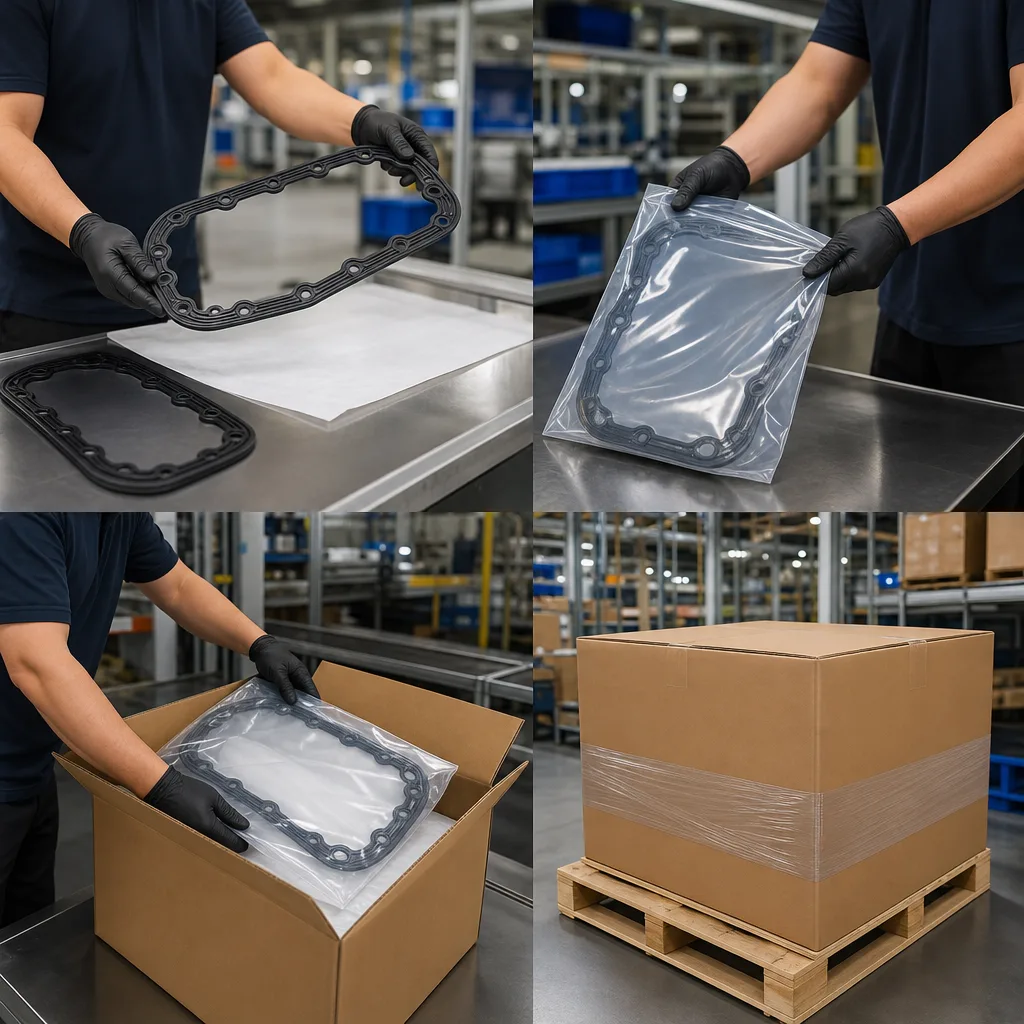
Confirm packaging, labels, and barcode format
Agree MOQ, lead time, and replenishment trigger point
Set warranty terms and claim documentation requirements
Record the approved sample and retain one control piece
For reorders, check whether any tooling, compound, or plating change has been introduced. Even when the part number is unchanged, process drift can affect fitment and service life. A disciplined re-approval cycle reduces receiving disputes and field failures.
Frequently asked questions
Yes. Buyers often source by OE number when the vehicle description varies by market. We confirm fitment using the customer’s reference data, drawings, or sample part. Brand names are used for fitment only.
For automotive supply, IATF 16949:2016 and ISO 9001:2015 are the key quality certifications to ask for. Buyers may also request material compliance documents and traceability records for their audit file.
Yes. We support private label packaging, barcode labelling, and carton specification changes for distributors and importers. Custom manufacturing is available when buyers need a specific drawing, label, or pack configuration.
If you are sourcing engine mounts for Jaguar-fit applications, send your OE reference, sample photos, or drawing for review and a commercial proposal. Request a quote at /contact.html.