Engine Block Nissan Manufacturer China: Sourcing Guide
If you are evaluating an engine block Nissan manufacturer China, the main questions are not about price alone. Buyers need casting consistency, machining accuracy, document control, and a supply model that fits aftermarket, OEM, or repair-network demand. This guide explains what to verify before you place a trial order, how to compare suppliers, and which quality records should be available before shipment. Driventus is an independent aftermarket manufacturer; brand names are referenced for fitment only. For buyers in the EU, UK, US, Canada, Australia, and Brazil, the practical goal is the same: stable dimensions, repeatable lead times, and traceable production under IATF 16949:2016 and ISO 9001:2015. If you are sourcing alongside related powertrain parts, you can also review [our catalog](/products.html) and [engine components](/products/engine-components.html) to map the full bill of materials.
What buyers should expect from a China-based supplier
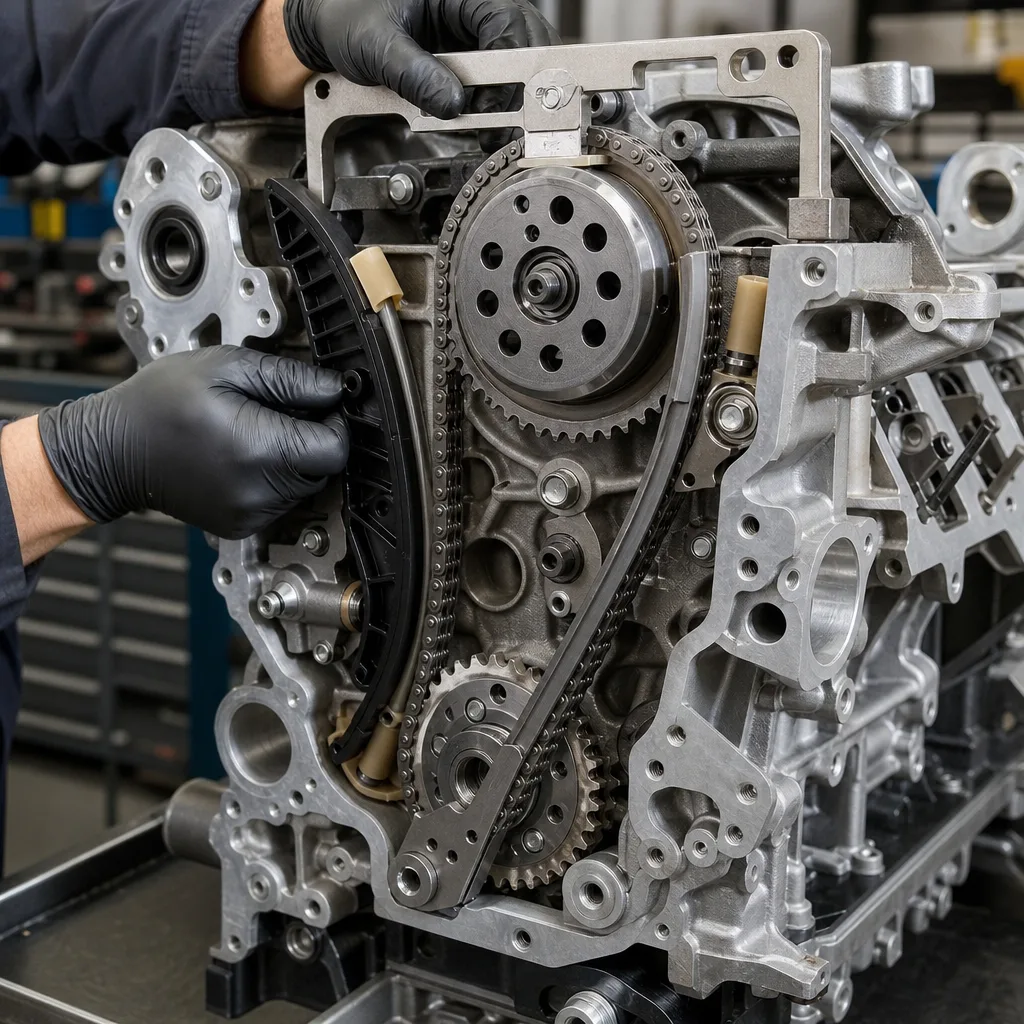
A credible source for Nissan-fit engine blocks should operate as more than a trading office. The useful model is integrated production: casting control, rough machining, finish machining, cleaning, inspection, packaging, and export documentation under one quality system. That matters because the block is a core structural component, not a simple wear part.
For procurement teams, the main supplier questions are practical:
- Can the factory control metallurgy, porosity risk, and heat treatment history?
- Are the cylinder bores, deck face, main bearing saddles, and oil galleries measured on every batch?
- Can the supplier support samples, pilot runs, and long-term replenishment?
- Are production records aligned to IATF 16949:2016 and ISO 9001:2015?
A true manufacturer should also be able to support custom packaging, private label workflows, and drawing-based development through custom manufacturing. If the supplier cannot show process capability data, audit history, and a controlled inspection plan, the commercial offer is incomplete.
Technical checkpoints for engine blocks
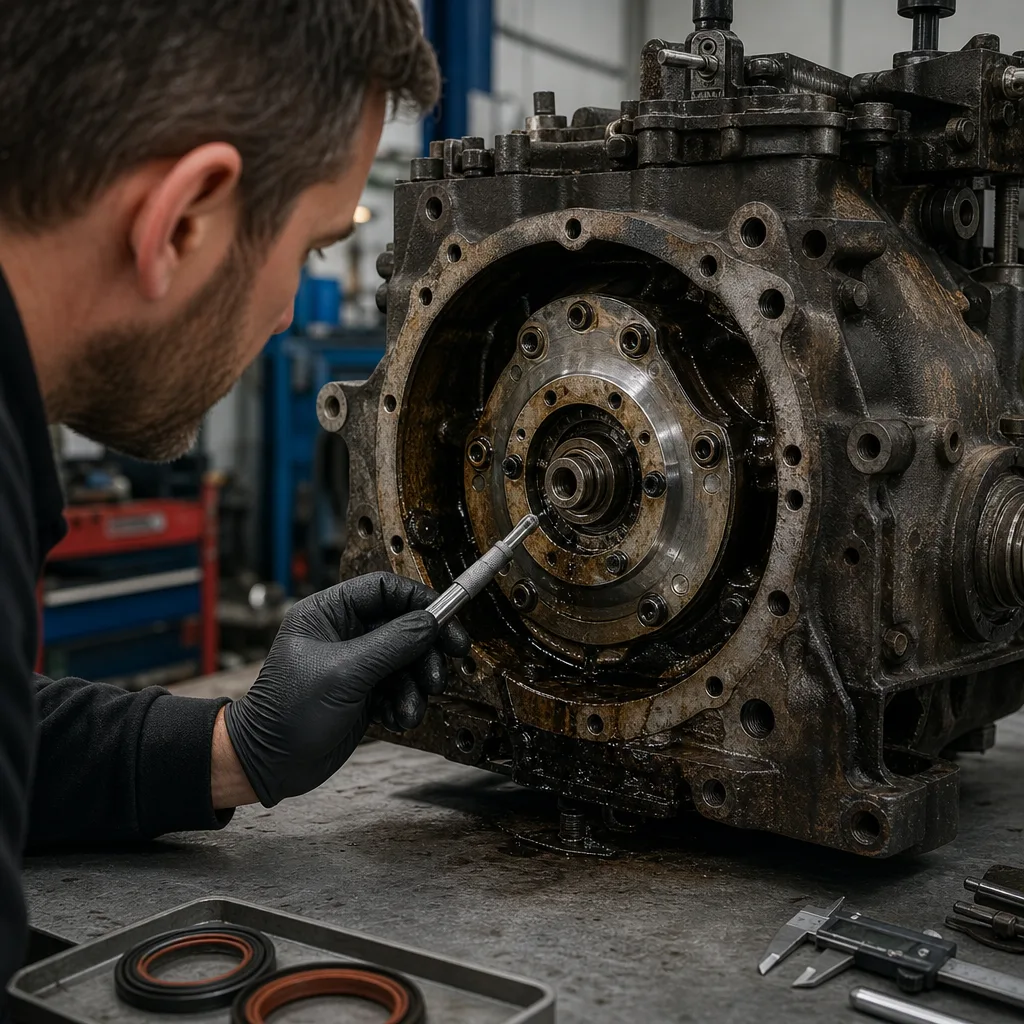
Before approving a source, buyers should confirm the dimensional and functional checks that define fitment. For engine blocks, the critical areas are clear:
- Cylinder bore diameter and roundness
- Bore alignment across the full bank
- Deck flatness and surface finish
- Main bearing bore alignment and spacing
- Oil passage cleanliness and thread integrity
- Core shift control and wall thickness where applicable
These checks are not optional paperwork. They determine whether the block can be assembled without rework. For aftermarket and fleet applications, the objective is repeatable interchangeability, not just visual acceptance.
A practical supplier will provide measurement records from CMM or equivalent gauging, inspection frequency by lot, and a nonconformance process that isolates affected batches. If the block is supplied as a bare casting, machined casting, or fully prepared assembly, the acceptance criteria should be written before the order is released.
Quality system and validation
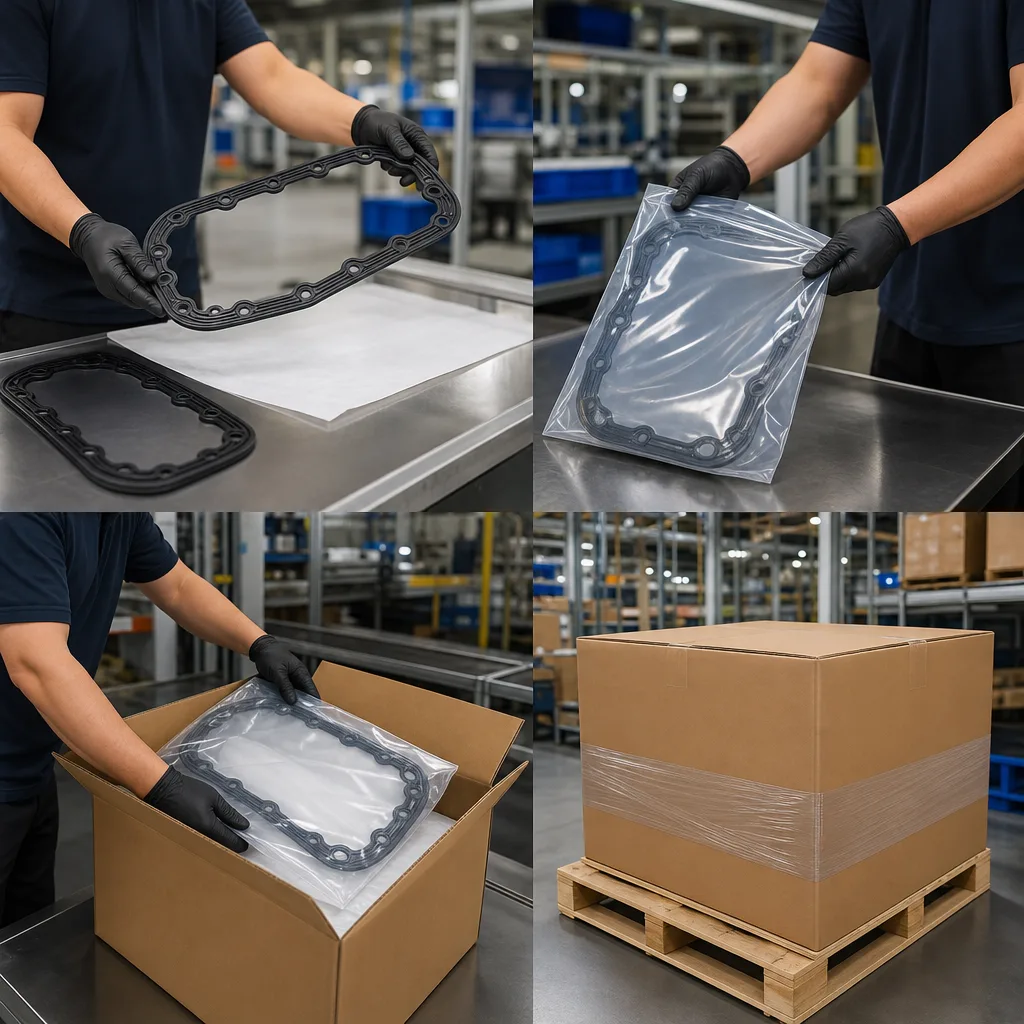
The quality system is where sourcing risk is reduced or amplified. Buyers should ask for the current certificates, scope, and the control documents used on the line. The minimum evidence should include material traceability, in-process inspection, final inspection, and export packing records.
| Checkpoint | Why it matters | What to request |
|---|---|---|
| IATF 16949:2016 | Automotive process discipline | Certificate scope, audit date, corrective-action history |
| ISO 9001:2015 | Documented quality management | Manual, procedure list, change-control method |
| REACH (EC) No 1907/2006 | Chemical compliance for EU supply | Material declaration and restricted-substance statement |
| Dimensional inspection | Fit and assembly control | CMM report or equivalent gauge record |
| Pressure or leak verification | Internal passage integrity | Test method, acceptance criteria, batch record |
| Supplier model | Typical strength | Typical risk |
|---|---|---|
| Trading reseller | Fast quote response | Limited process visibility, weaker traceability |
| Small job shop | Flexible one-off work | Higher variation, less stable capacity |
| Integrated manufacturer | Better process control and documentation | Requires stronger technical input during approval |