Engine Block vs TRW Alternative: Sourcing Comparison
When buyers compare an engine block vs TRW alternative, the real question is not brand loyalty. It is whether the part matches the required geometry, process control, and supply pattern for the job.
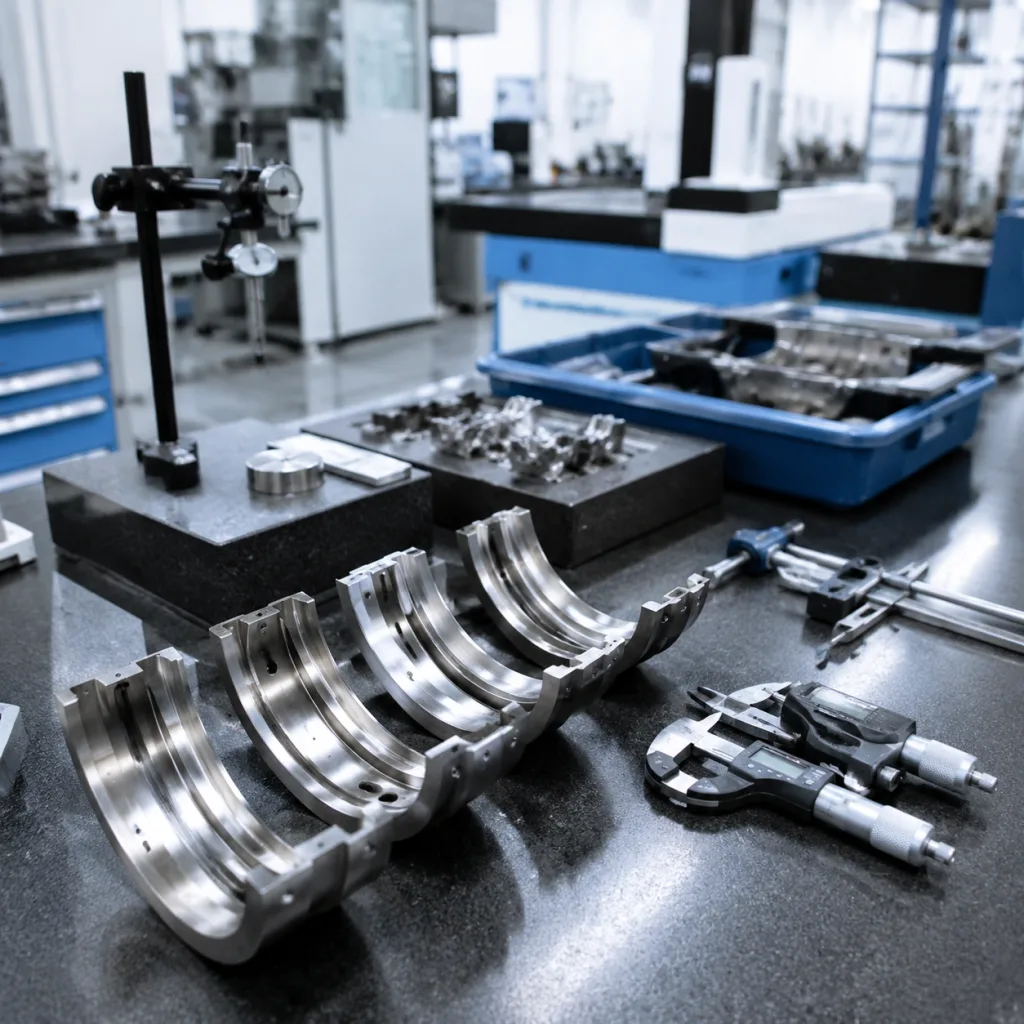
The decision usually comes down to four checks: dimensional compatibility, material and machining consistency, validation evidence, and reorder stability. A part that looks correct in a catalog can still fail at the deck face, main bore, coolant passage, or packaging stage.
Driventus manufactures engine and powertrain components in Taizhou, Zhejiang, under IATF 16949:2016 and ISO 9001:2015 systems. Driventus is an independent aftermarket manufacturer; brand names are referenced for fitment only. Use this guide to separate true matches from lookalike parts, and to decide when a standard replacement or a custom route is the lower-risk option. See our catalog, quality system, and custom manufacturing options if you need a controlled sourcing path.
Decision points before you quote
Before requesting pricing, buyers should decide what the part must do and how much risk they can accept. That sounds basic, but it is where most sourcing mistakes start.
A practical engine block vs TRW alternative review should answer these questions first:
- Is the part a direct replacement, a cross-reference, or a new build?
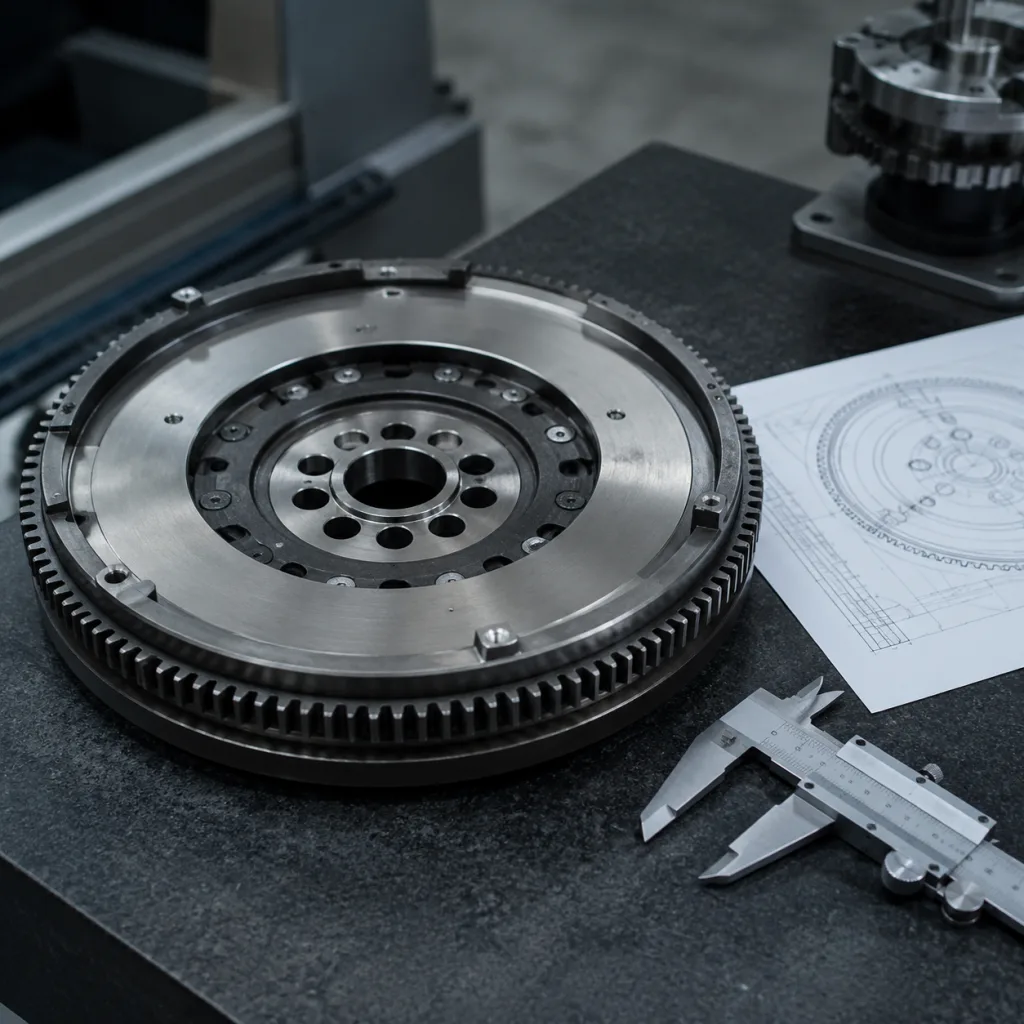
- Do you have the reference drawing, or only a sample and an OE number?
- Is the order for repair stock, pilot build, or repeat production?
- Does the buyer need finish-machined, rough-machined, or casting-only supply?
- Which dimensions are non-negotiable: bore, deck height, main bore, or coolant geometry?
If the answer is unclear, the quote will be noisy too. Suppliers may price the wrong machining scope, miss the real inspection burden, or understate lead time. A clean brief is faster to buy and easier to validate.
Why substitutions fail
Most substitution problems are not dramatic. They are small mismatches that show up late.
Common failure modes include:
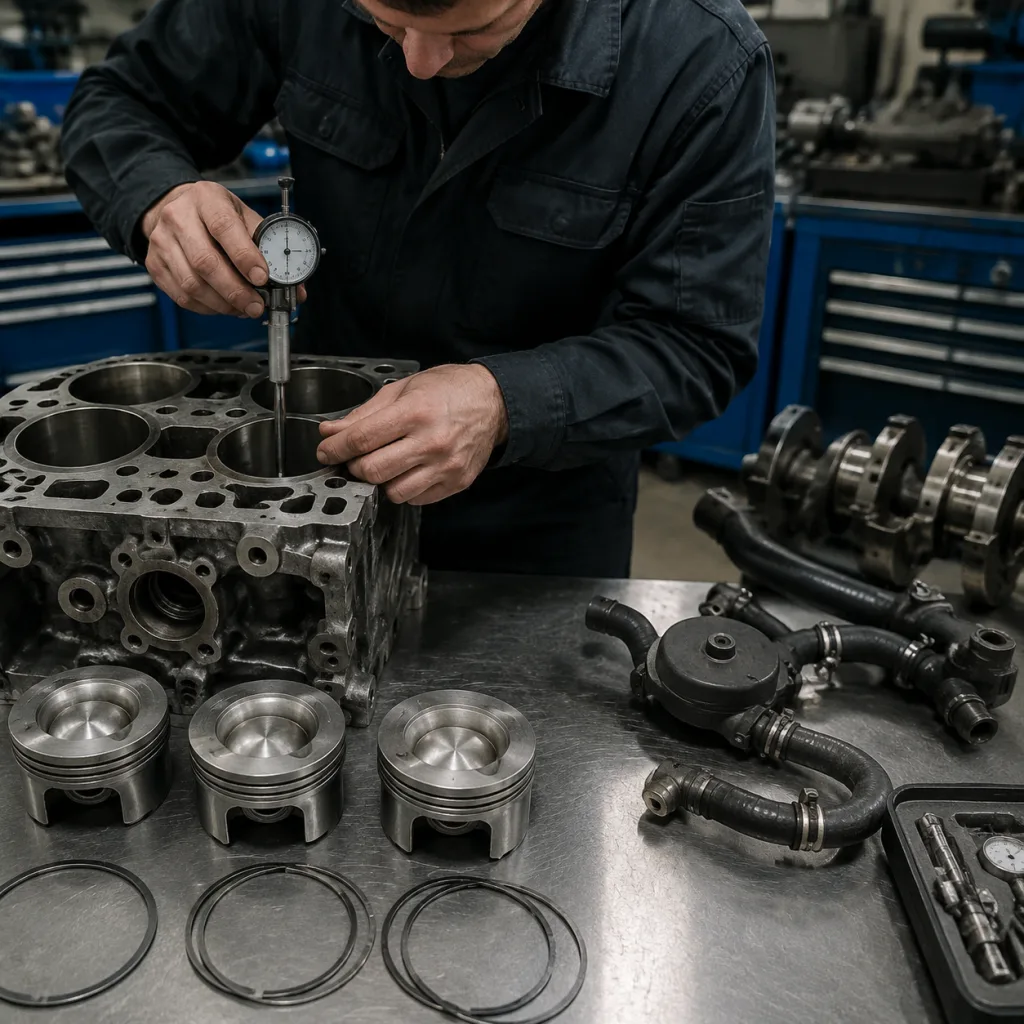
- Bore drift: the cylinder diameter is close, but not controlled tightly enough for the intended build.
- Deck mismatch: flatness is acceptable on paper, but sealing performance suffers after machining or thermal cycling.
- Main bore error: bearing geometry looks right, then line-bore alignment shifts under load.
- Coolant mismatch: internal passages do not match the reference path, which changes heat transfer and leak behavior.
- Traceability gaps: the part fits, but the supplier cannot prove which lot, heat, or inspection record shipped.
These are procurement failures as much as engineering failures. If the sample is vague, the production lot will usually be worse. Buyers should ask for measured data, not catalog assurances.
Engine block vs TRW alternative: side-by-side check
| Check | Engine block sourcing | TRW alternative sourcing |
|---|---|---|
| Fitment basis | Matches the engine family and machining envelope | Matches the referenced OE or aftermarket footprint |
| Best use case | Rebuilds, remanufacture, engineered programmes | Mature replacement demand and interchange-driven buying |
| Risk profile | Higher when drawings and process data are incomplete | Higher when cross-reference validation is weak |
| Validation focus | Bore, deck, main saddles, leak test, hardness | Same checks plus interchange confirmation |
| Commercial advantage | Better for controlled programme builds | Better when an existing substitute is already tooled |
| MOQ behavior | Often higher for new casting or machining scope | Often lower if tooling and packaging already exist |
| Lead time behavior | Longer when casting or tooling is new | Shorter when the substitute is in stock |
| Documentation | Inspection report, material certs, traceability, test data | Cross-reference sheet, sample comparison, pack spec |