Engine Block Vauxhall Wholesale: Buyer Sourcing Guide
Wholesale buyers usually need three things from a Vauxhall engine block supplier: drawing-controlled dimensions, lot-level documentation, and export-ready delivery. Whether the programme serves repair-chain rebuilds or distributor stock, the main questions are practical ones: cylinder bore nominal size and oversize allowance, deck height, main bearing tunnel alignment, thread condition, machining stage, and whether the part is supplied as a bare casting, rough-machined block, finish-machined block, or assembled unit. Driventus is an independent aftermarket manufacturer; Vauxhall and related brand names are used for fitment identification only. We support procurement teams that need stable supply, recorded inspection data, and a defined route from drawing review to sample approval, pilot lot, and repeat shipment. If your programme requires annual volume planning, a fixed pallet pattern, export labelling, or private-label documentation, those details should be settled before quotation. It keeps buyers from comparing unlike build stages and makes supplier evaluation much cleaner for engine block Vauxhall wholesale projects.
What buyers should specify in the RFQ
When sourcing an engine block for Vauxhall applications, the RFQ should define the engine family, casting reference, machining condition, and acceptance limits. Without that detail, suppliers may quote different build states, inspection scopes, or packaging assumptions, making the prices hard to compare. A clear RFQ also helps the supplier confirm whether the programme belongs in a catalogue aftermarket range, a controlled batch order, or a custom manufacturing project.
At minimum, the RFQ should include:
- Engine family, displacement, fuel type, emission generation, model-year range, and intended market
- OE reference, casting number, sample photos, 2D drawing, 3D data, or marked critical-to-quality features where available
- Bare casting, rough-machined, finish-machined, sleeved, liner-ready, or assembled block requirement
- Bore diameter, permitted oversize, bore spacing, deck height, main journal tunnel diameter, crank centerline datum, and critical bolt-hole positions
- Material grade, casting process, heat-treatment or stress-relief state, hardness target, and surface finish expectations
- Required inspection reports, material declarations, traceability records, sample approval method, and AQL or 100% inspection requirements
- Packaging format, corrosion protection, label data, pallet size, carton strength, stack height, and export marking requirements
- Target annual volume, trial order quantity, release schedule, Incoterms, and destination port or warehouse
For wholesale buyers, the best RFQ is technical rather than broad or descriptive. Phrases such as "standard Vauxhall block" or "same as sample" leave too much open to interpretation. A stronger request identifies the engine family, confirms the machining stage, lists critical tolerances, and explains whether approval will be based on drawing inspection, sample build, pressure test, or buyer-side dyno or road validation. Procurement, engineering, and quality teams then have the same basis for comparing suppliers.
For current part families, start with our catalog and the engine range at engine components.
Machining points that affect fitment
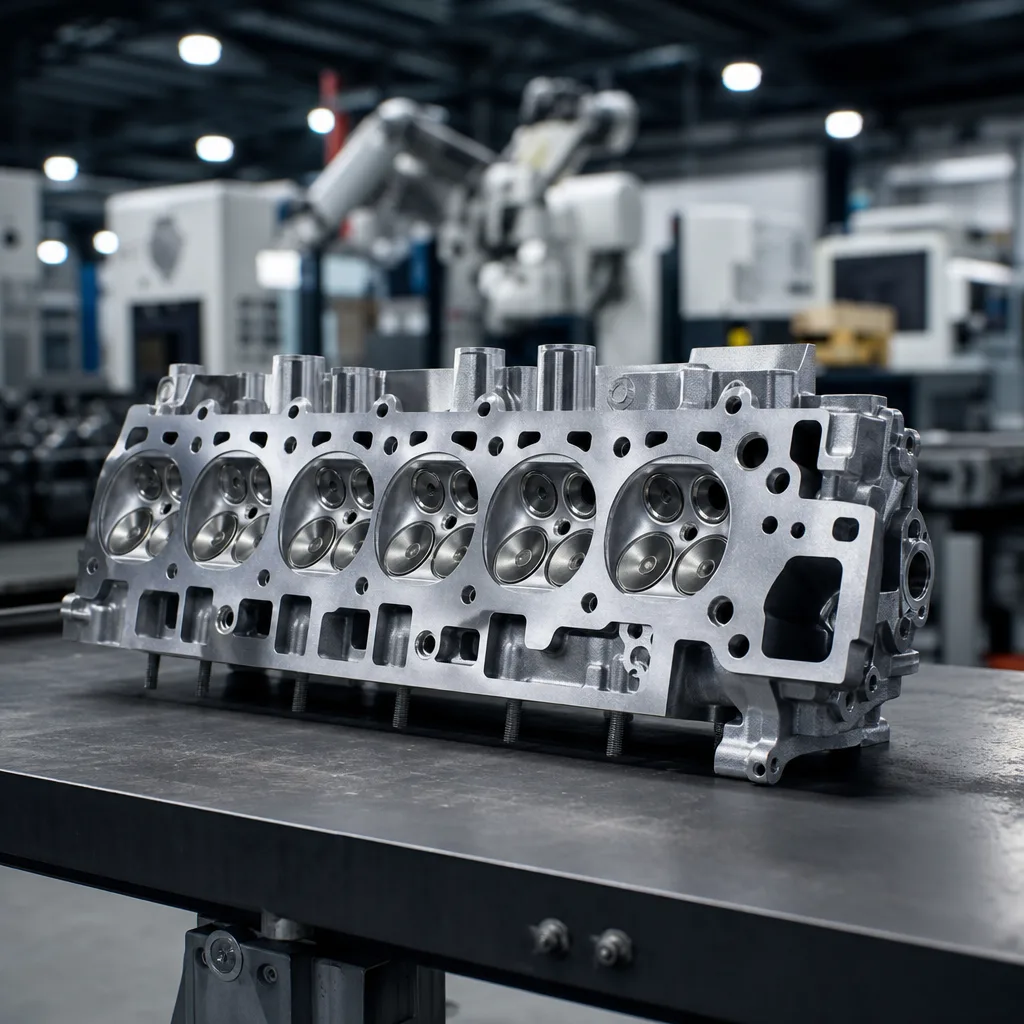
Dimensional control is often where low-cost offers fail. An engine block can look correct in a photo and still cause production problems if the deck face is outside flatness tolerance, the main bearing tunnel is not coaxial, the cylinder bores have excess taper or out-of-round, or threaded features contain burrs and chips after machining. In an engine block Vauxhall wholesale order, one rejected batch can affect many repair bays, distributors, or rebuild customers at the same time, so these details carry real commercial risk.
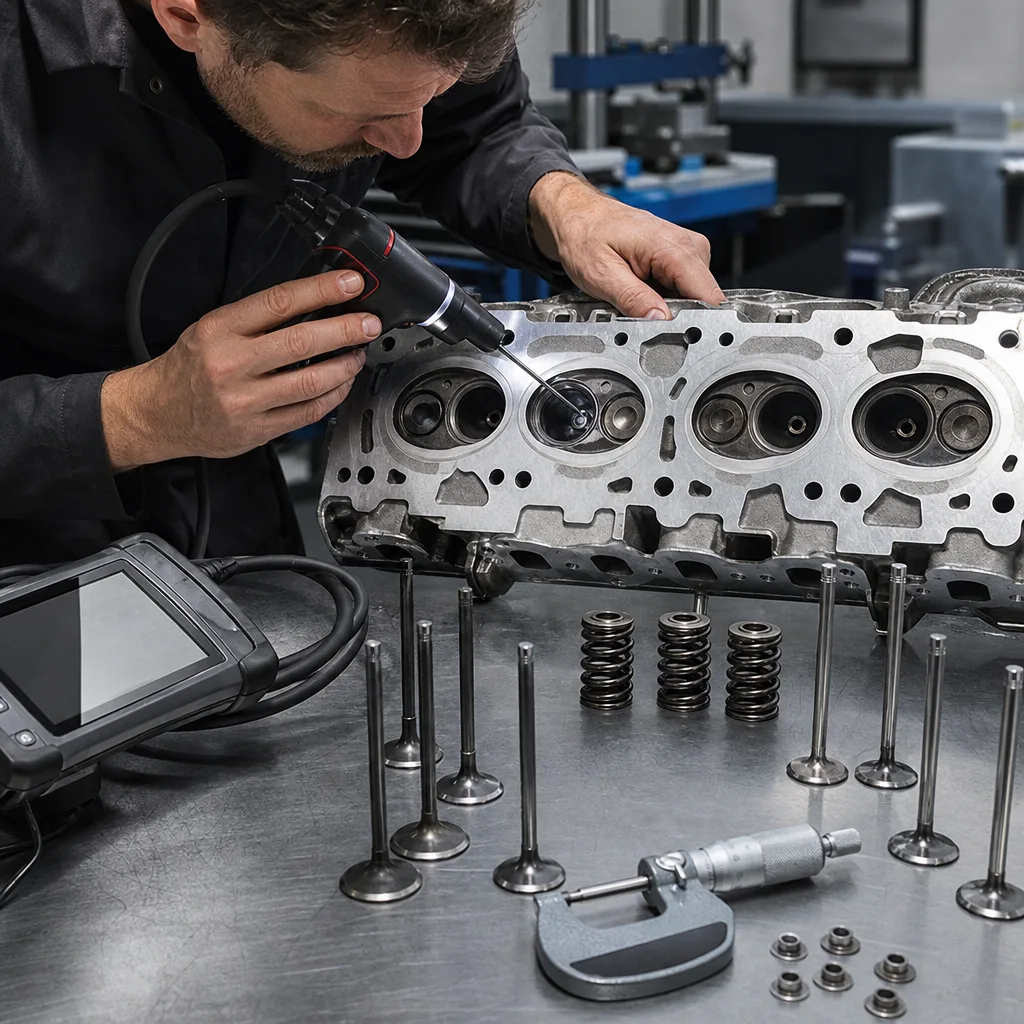
The inspection plan should include:
- Bore diameter measured at top, middle, and bottom positions, with taper and out-of-round recorded against the agreed drawing tolerance
- Bore spacing and cylinder-to-cylinder positional accuracy from the defined datum structure
- Deck flatness across the gasket face, deck height from crank centerline or agreed datum, and surface roughness suitable for the specified gasket type
- Main bore alignment, tunnel diameter, center distance, bearing saddle geometry, and cap registration where applicable
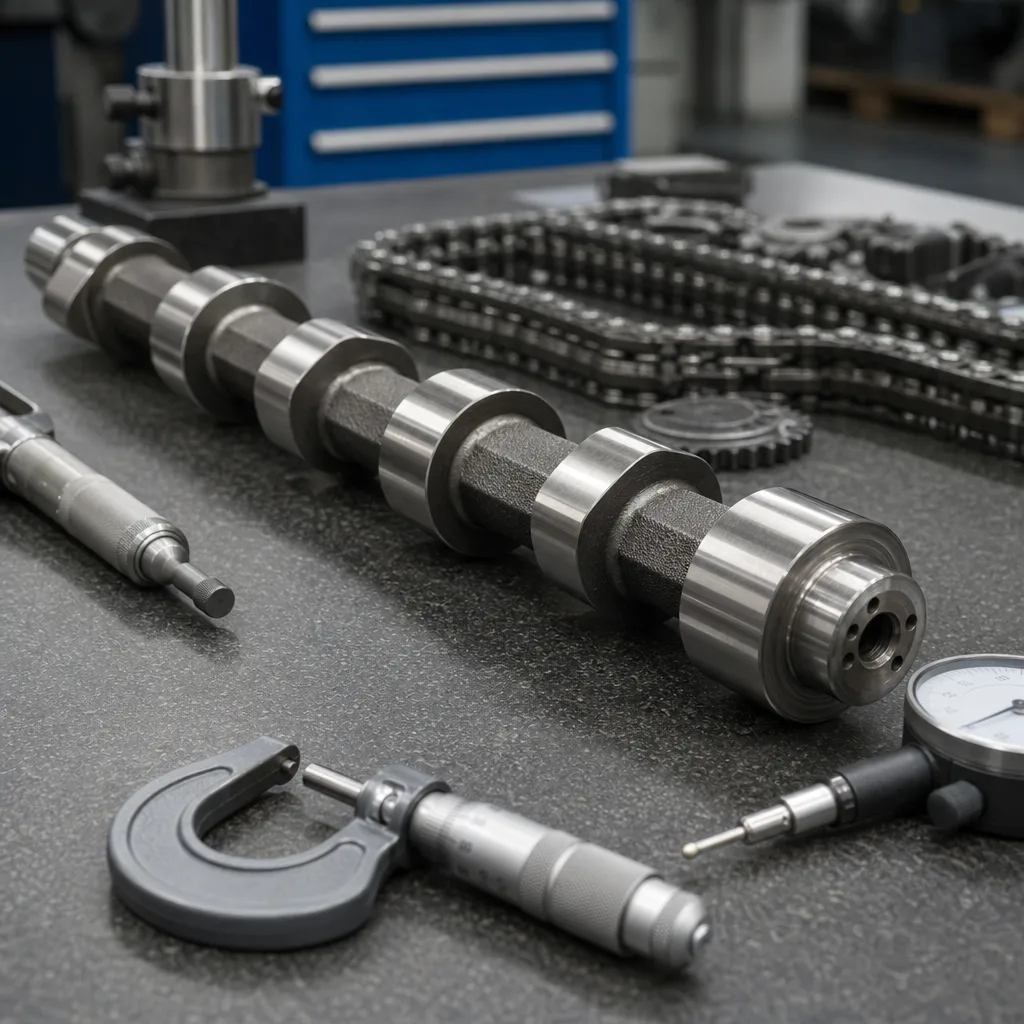
- Cam bore, balance-shaft bore, oil gallery, coolant passage, dowel hole, and plug seat condition where applicable
- Thread depth, thread cleanliness, bolt-hole position, helicoil or repair insert restrictions, and torque-critical fastener locations
- Surface roughness on gasket faces, accessory mounting pads, sump rail, timing cover face, and bellhousing interface
- Coolant passage cleanliness, residual chip control, washing process, drying process, and corrosion protection after final machining
The machining condition should match the buyer's assembly route. A remanufacturer may accept a rough-machined block because it has local boring, honing, line-boring, and deck-finishing capacity. A repair-chain buyer may need a finish-machined block with tighter checks because installation speed matters more than local machining flexibility. A distributor may carry both formats, but the SKU, label, and inspection file should stay separate to avoid mixed stock.
The practical rule is simple: match the drawing, not the sample photo. Photos help with visual confirmation, but they cannot prove bore geometry, deck flatness, thread depth, or main bore alignment. If the supplier cannot provide measurement records for the critical features using calibrated gauges or CMM data where required, the price advantage is not dependable.
Bare casting, machined block, or assembled unit
Wholesale supply is easier to compare when the build stage is fixed in writing. Different suppliers may include different levels of machining, cleaning, inspection, preservation, and packaging, so unit price alone does not show the real landed cost. A low-cost bare casting may suit a buyer with strong local machining capacity, while a finish-machined block may be more economical for a buyer that wants faster installation and fewer local process steps.
| Supply format | Typical buyer use case | Procurement trade-off |
|---|---|---|
| Bare casting | Local machining, remanufacturing, machining development, stock buffering | Lowest unit cost, highest in-house machining and QA load |
| Rough-machined block | Mid-volume distributors, rebuilders, and regional machining partners | Balanced cost, reduced local machining demand, still requires finish machining and final dimensional checks |
| Finish-machined block | Repair chains, urgent replacement stock, and buyers with limited machining capacity | Higher unit cost, faster installation readiness, tighter supplier inspection and cleaning requirement |
| Assembled unit | Programmes needing a more complete replacement route or bundled service-part supply | Highest specification complexity, requires controlled bill of materials, component traceability, and validation scope |