Choosing an engine block Lexus supplier is a procurement and risk-control decision, not a simple catalogue search. Buyers need stable casting dimensions, alloy traceability, accurate machining, protected packing, and a manufacturer that can support repeat orders across different engine families. Driventus manufactures engine and powertrain components in Taizhou, Zhejiang for aftermarket distributors, OEM/Tier-1 programmes, and repair-chain supply networks. Our scope includes cast and machined engine blocks for Lexus-fitment applications, supplied with controlled quality documentation and export-ready commercial terms. We do not claim vehicle manufacturer approval or endorsement. Fitment references are used only to help buyers define application range, sample requirements, and inspection criteria. Driventus is an independent aftermarket manufacturer; brand names are referenced for fitment only.
Sourcing Requirements for Lexus-Fitment Engine Blocks
Procurement teams usually begin with application coverage, annual demand, and import compliance. For Lexus-fitment engine blocks, the first technical review should go deeper than a part-name match. It should confirm engine code, casting configuration, bore layout, deck height, oil-gallery design, water-jacket geometry, main bearing housing alignment, mounting points, and the required machining state.
A practical sourcing file should include:
Target engine family and displacement range
Sample block or technical drawing, where available
Buyer-provided OE cross-reference format, used only when relevant to the programme
Engine block sourcing needs earlier planning than smaller replacement parts because tooling, casting validation, machining fixtures, leak testing, and packing trials can all affect the launch schedule. A realistic timeline helps buyers avoid shortages after the first purchase order and gives the factory enough time to stabilise repeat production.
Inspection report, packing list, commercial invoice, origin documents where applicable
</tr></thead><tbody> </tbody></table>For repeat programmes, buyers should share rolling forecasts instead of relying only on one-off purchase orders. Forecast visibility supports raw material planning, machining capacity allocation, inspection scheduling, and stable container loading. For urgent repair-chain demand, Driventus can separate pilot stock from long-run replenishment so the buyer can validate fitment and packing before committing to higher volumes.
Quality Controls Buyers Should Audit
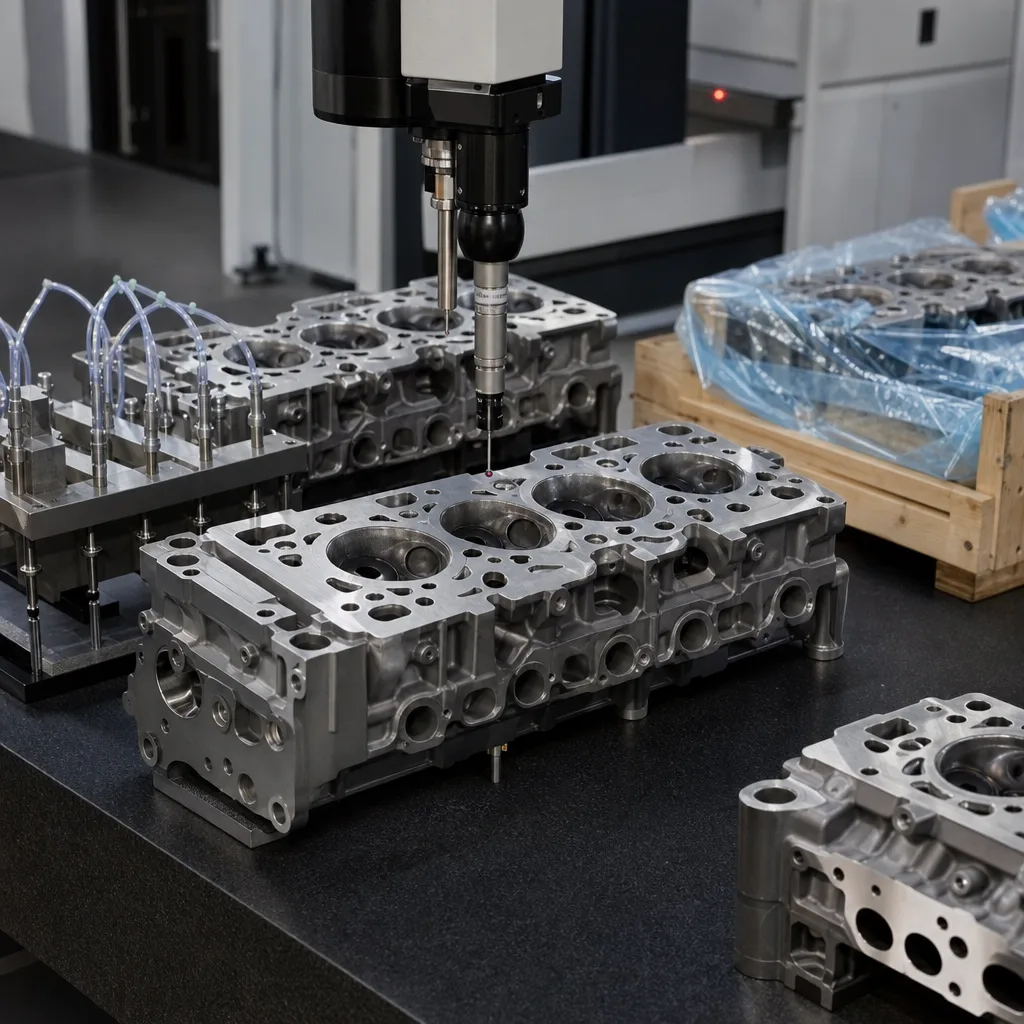
An engine block has multiple failure-sensitive features: cylinder bores, deck flatness, main bearing alignment, oil passages, coolant passages, threaded holes, sealing faces, and mounting datums. A supplier audit should not stop at a certificate scan. It should check how process controls are applied on the shop floor, how gauges are maintained, and how non-conforming material is identified, contained, and reviewed.
Driventus operates under an automotive quality management framework aligned with IATF 16949:2016 and ISO 9001:2015. Buyers can review our quality system before supplier approval.
Key audit points include:
Incoming material verification and heat/batch traceability
Casting inspection for porosity, shrinkage, cracks, and inclusions
CNC machining process control for critical datum features
Cylinder bore diameter, roundness, and surface-finish checks
Deck flatness and surface-roughness measurement
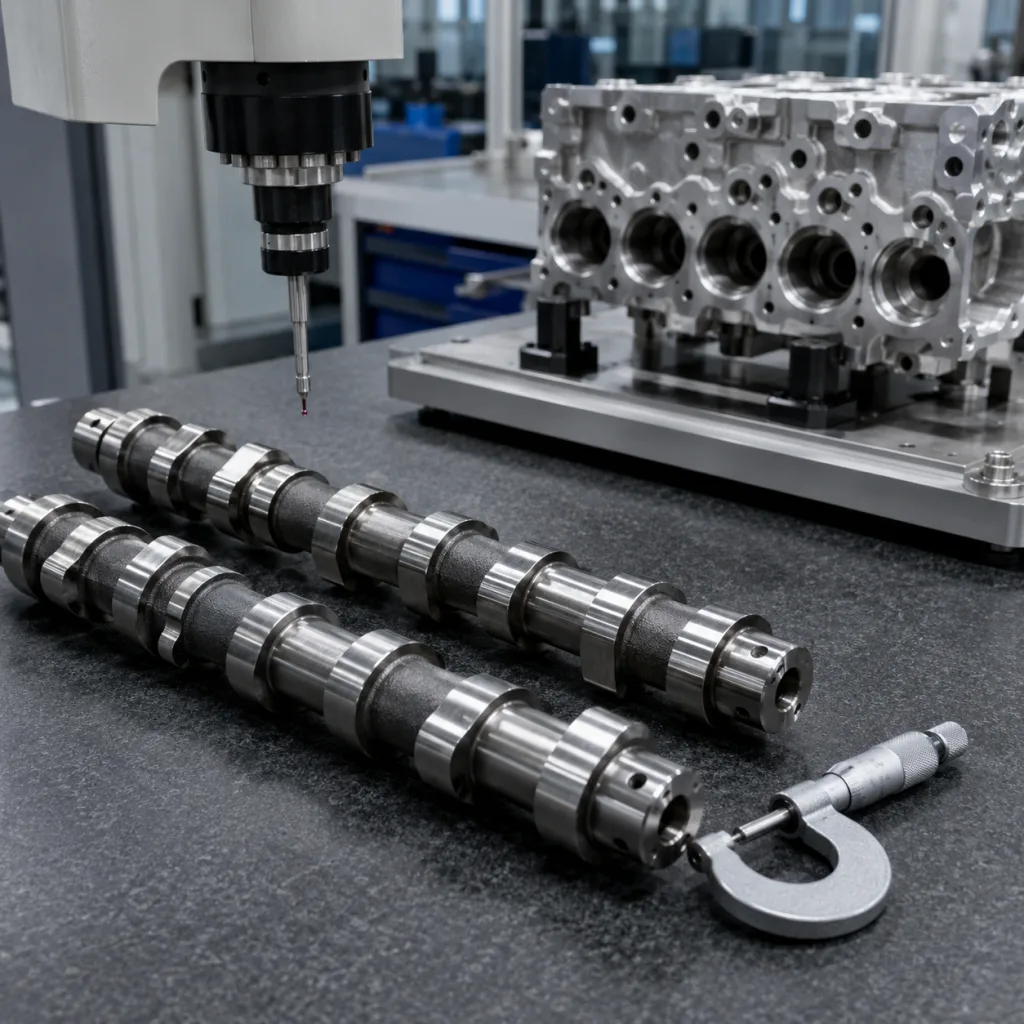
Main bearing tunnel alignment inspection
Thread gauge checks for mounting and accessory holes
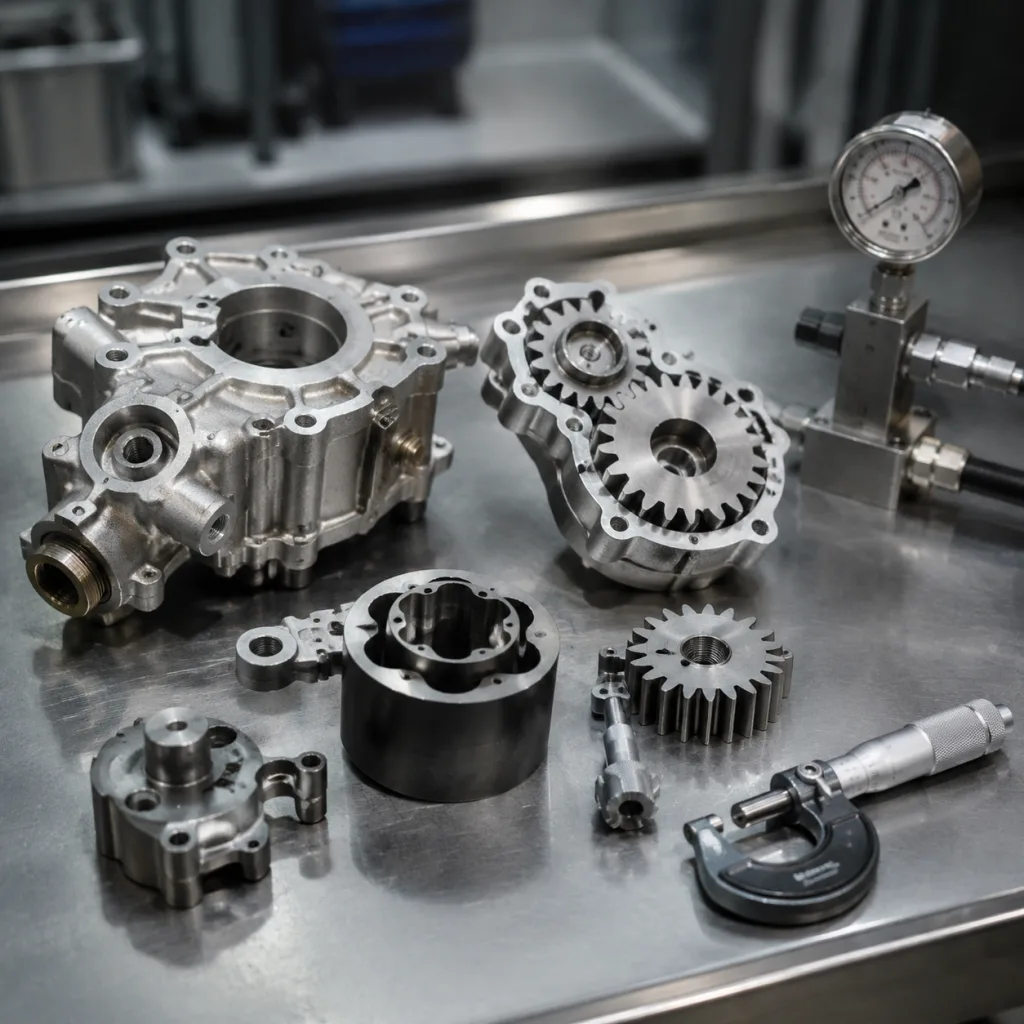
Pressure or leak testing for coolant and oil passages, where specified
Final visual inspection, cleaning, rust prevention, and packing verification
Record retention for inspection results, rework decisions, and shipment release
Where a buyer requires PPAP-style documentation, control plans, process flow charts, FMEA summaries, material records, and dimensional reports can be discussed during quotation. The exact file set should be agreed before sampling, not after mass production.
Material, Machining, and Validation Specifications
The technical specification for a Lexus-fitment engine block should be agreed in measurable terms. Generic wording such as "OE quality" is not enough for import approval, warranty control, repair-network acceptance, or supplier accountability.
A typical specification review may cover:
Casting material: aluminium alloy or cast iron, depending on application
Heat treatment condition, if required by design
Bore machining allowance or final bore dimension
Main bearing housing diameter and alignment tolerance
Deck surface flatness and roughness requirement
Cylinder wall thickness verification method
Oil gallery and coolant passage cleanliness
Thread condition and insert requirements, where applicable
Core plug, dowel, and plug-hole dimensional checks
Pressure test value and hold time, if specified by the buyer
Surface treatment, corrosion prevention, and packaging standard
Acceptance criteria for cosmetic marks, repair methods, and burr control
Published standards should be used accurately. Relevant references may include IATF 16949:2016 for automotive quality management, ISO 9001:2015 for quality management systems, and REACH (EC) No 1907/2006 for chemical substance obligations in the European market. Emissions standards such as ECE R-83 relate to vehicle type approval and should not be presented as engine block approval.
Commercial Checks for Import Managers
Import managers should compare suppliers on total landed reliability, not unit price alone. Engine blocks are heavy, damage-sensitive, and expensive to return. Poor packaging, unclear specifications, or weak inspection discipline can erase an apparent saving and create avoidable warranty disputes.
Before issuing a purchase order, confirm:
Incoterms, currency, payment terms, and quotation validity period
MOQ by part number and by shipment
Tooling ownership and tooling maintenance responsibility
Sample cost and sample lead time
Whether the quoted price covers machining, plugs, inserts, or bare casting only
Export carton, wooden crate, or pallet specification
Maximum gross weight per package for destination handling rules
Spare parts identification label and neutral branding requirements
Warranty handling procedure and evidence required for claims
Availability of inspection reports before shipment
Rules for engineering changes, superseded references, and repeat-order confirmation
For distributors, mixed-container planning may reduce inventory pressure when multiple engine component lines are sourced together. For repair chains, consistent labelling and packing matter because parts may move through regional depots before reaching the workshop.
Working With Driventus as a Lexus-Fitment Block Supplier
Driventus supports B2B buyers that need repeatable production, export documentation, and practical engineering communication from an engine block Lexus supplier. We can work from buyer drawings, supplied samples, or agreed fitment data. For new programmes, the usual sequence is technical review, quotation, sample production, dimensional approval, pilot order, and scheduled mass production.
Buyers should provide the clearest possible application data at the first enquiry. Useful details include engine code, market region, model-year range, material requirement, photos of the original block, required machining condition, target annual volume, and any buyer-owned drawings. If a cross-reference is supplied, it should be treated as a fitment aid rather than proof of manufacturer endorsement.
Driventus is an independent aftermarket manufacturer; brand names are referenced for fitment only. To start a sourcing review, buyers can request a quote with target quantity, destination port, required inspection documents, and expected launch date.
Frequently asked questions
Yes. Driventus supplies engine and powertrain components for aftermarket and B2B programmes, including Lexus-fitment engine block projects. Application data, samples, or drawings are required to confirm feasibility, machining scope, MOQ, lead time, and inspection requirements.
Buyers should review IATF 16949:2016 and ISO 9001:2015 quality management evidence, process control records, inspection capability, traceability, and export documentation. Certificates should be supported by audit findings, sample inspection reports, and clear control plans.
No. Driventus does not claim approval or endorsement by Lexus or any vehicle manufacturer. Driventus is an independent aftermarket manufacturer; brand names are referenced for fitment only.
For drawings, samples, MOQ confirmation, and export pricing, send your sourcing file to Driventus. Start the review through /contact.html