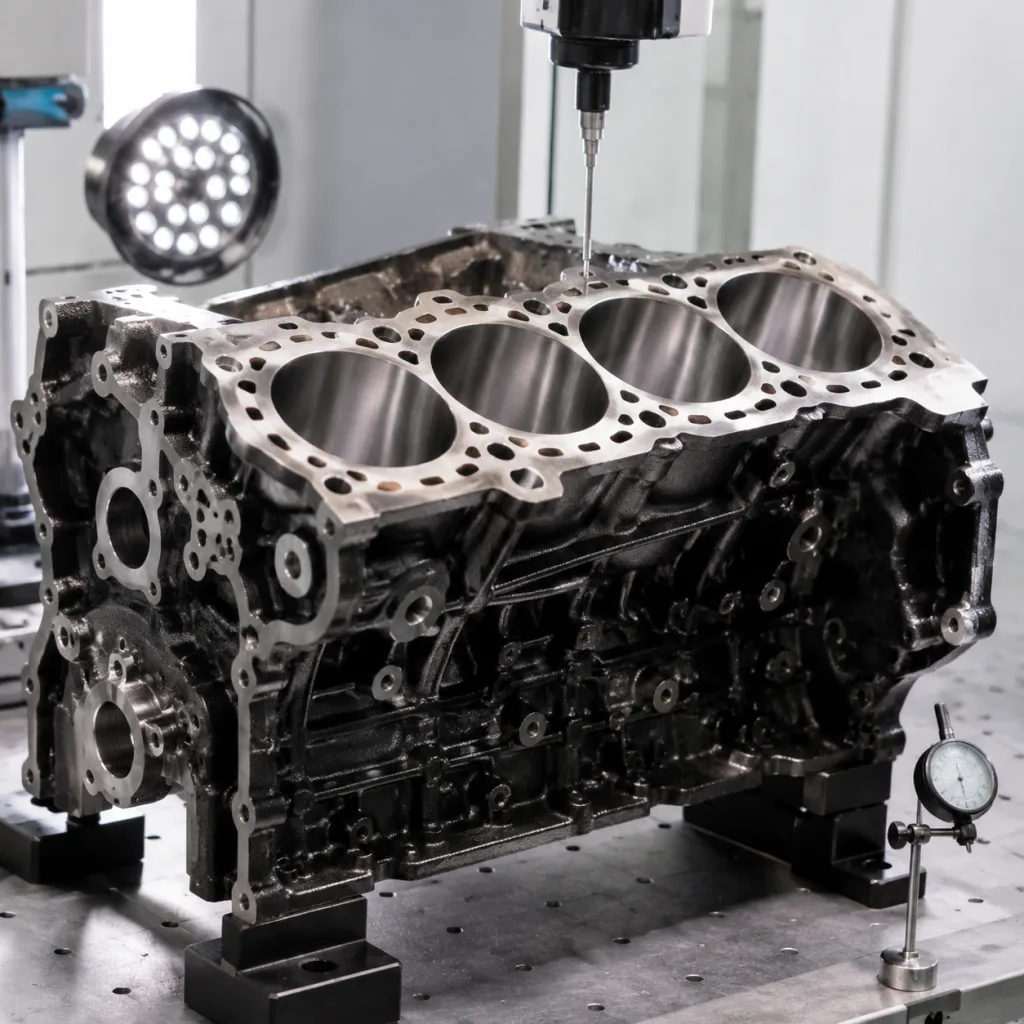
Engine Block Ford Wholesale: Sourcing Guide for Buyers
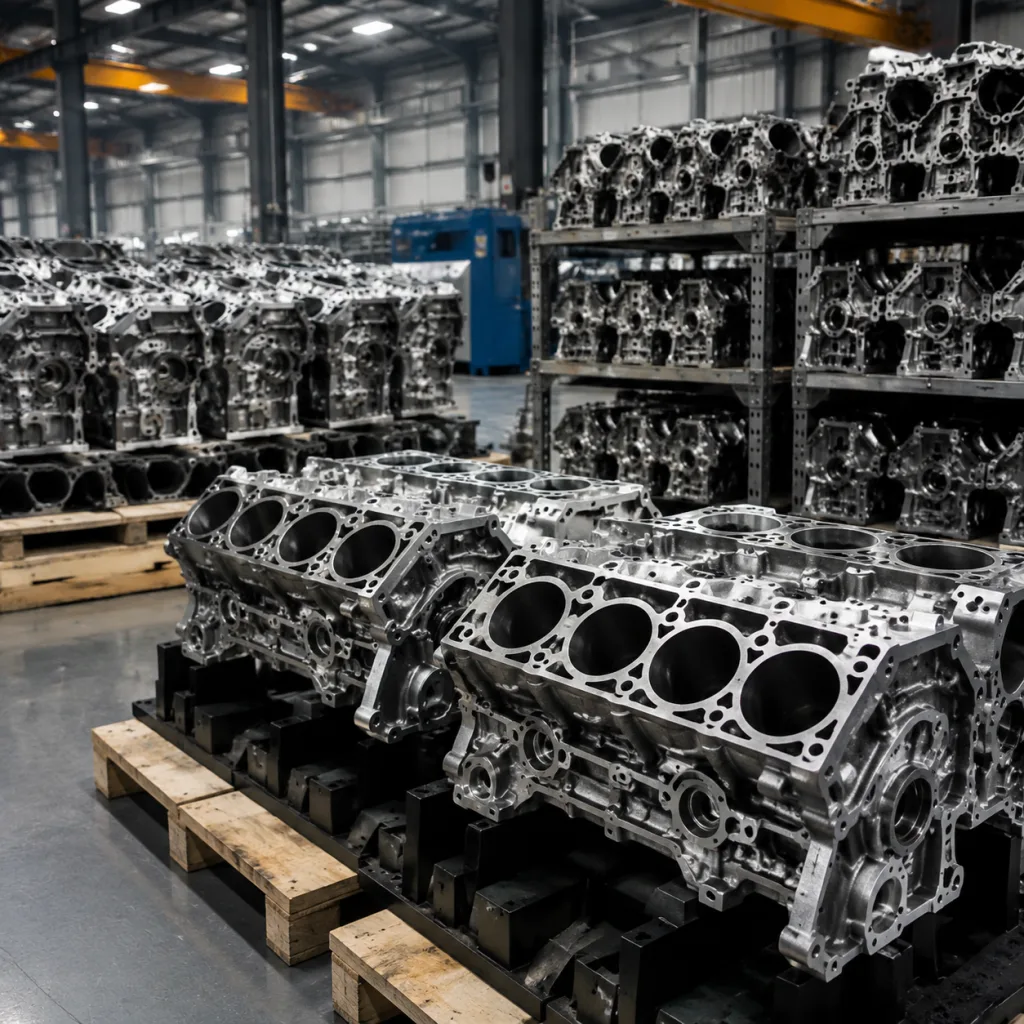
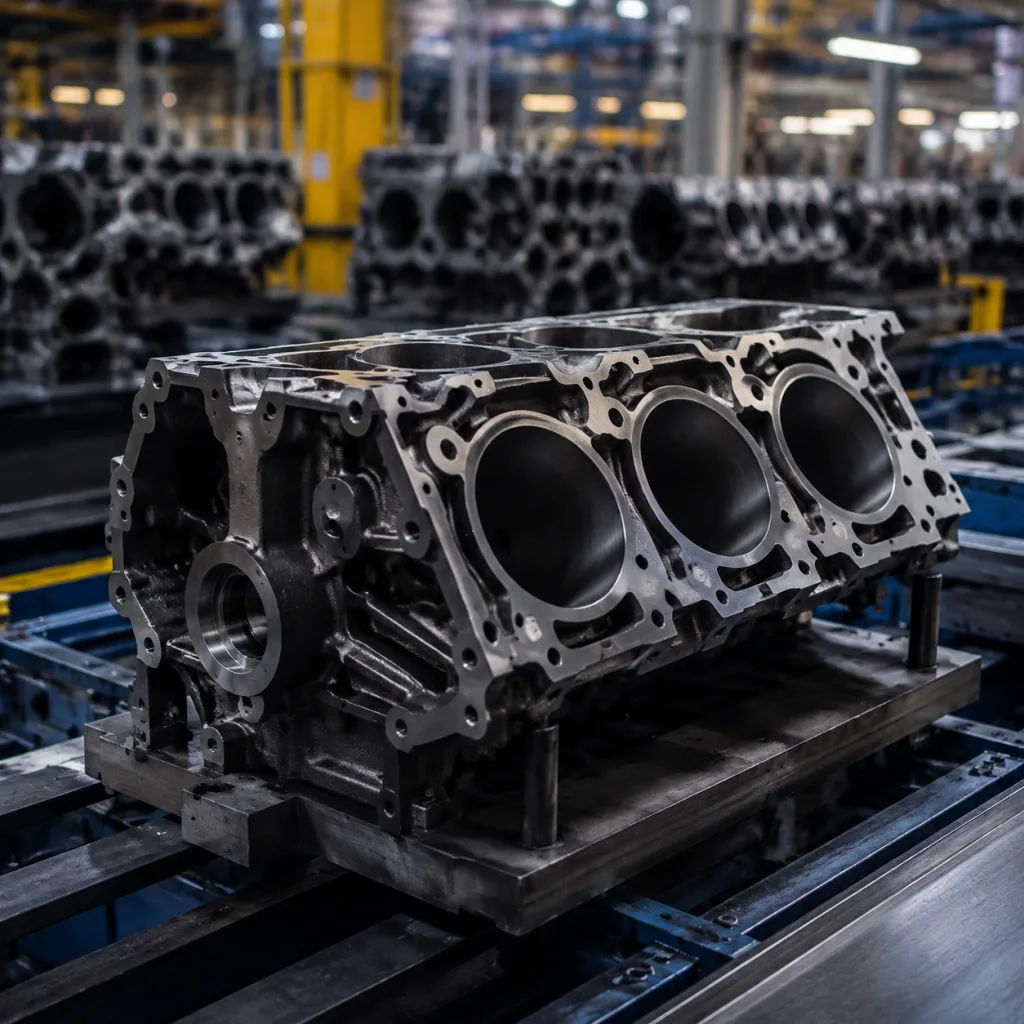
Buying `engine block ford wholesale` is a sourcing decision, not a simple price check. The right part has to match the engine family, casting type, machining stage, and documentation your market requires. For Ford applications, the block is the engine’s structural core, so small dimensional errors can affect bore geometry, deck height, main bore alignment, and sealing performance. Driventus is an independent aftermarket manufacturer; brand names are referenced for fitment only. Our production supports B2B buyers who need repeatable supply, certified systems, and practical lead times for distributor, OEM, and repair-chain programmes. Published systems such as IATF 16949:2016 and ISO 9001:2015 matter because they define process control, not just final inspection. Buyers should also confirm REACH (EC) No 1907/2006 where applicable and align test requirements with their market and engine family.
Decision point: what must match before you buy
Before issuing a PO, lock down the exact engine family, displacement, casting type, and whether the block is bare, semi-finished, or fully machined. For Ford applications, cross-reference the OE number format only when you already have a valid reference such as `OE 06A107065`; do not treat visual similarity as proof of interchangeability.
Key checks:
- Casting material: grey iron, compacted graphite iron, or aluminium alloy, depending on the application
- Main bearing tunnel alignment and bore size
- Deck height, cylinder bore, and cylinder wall thickness
- Oil gallery and coolant passage geometry
- Machining state: rough cast, CNC finish-machined, or line-bored
- Packaging standard for export freight and corrosion control
If your programme includes mixed markets, ask for a written fitment matrix by engine code rather than relying only on vehicle model references.
Where wholesale deals usually fail
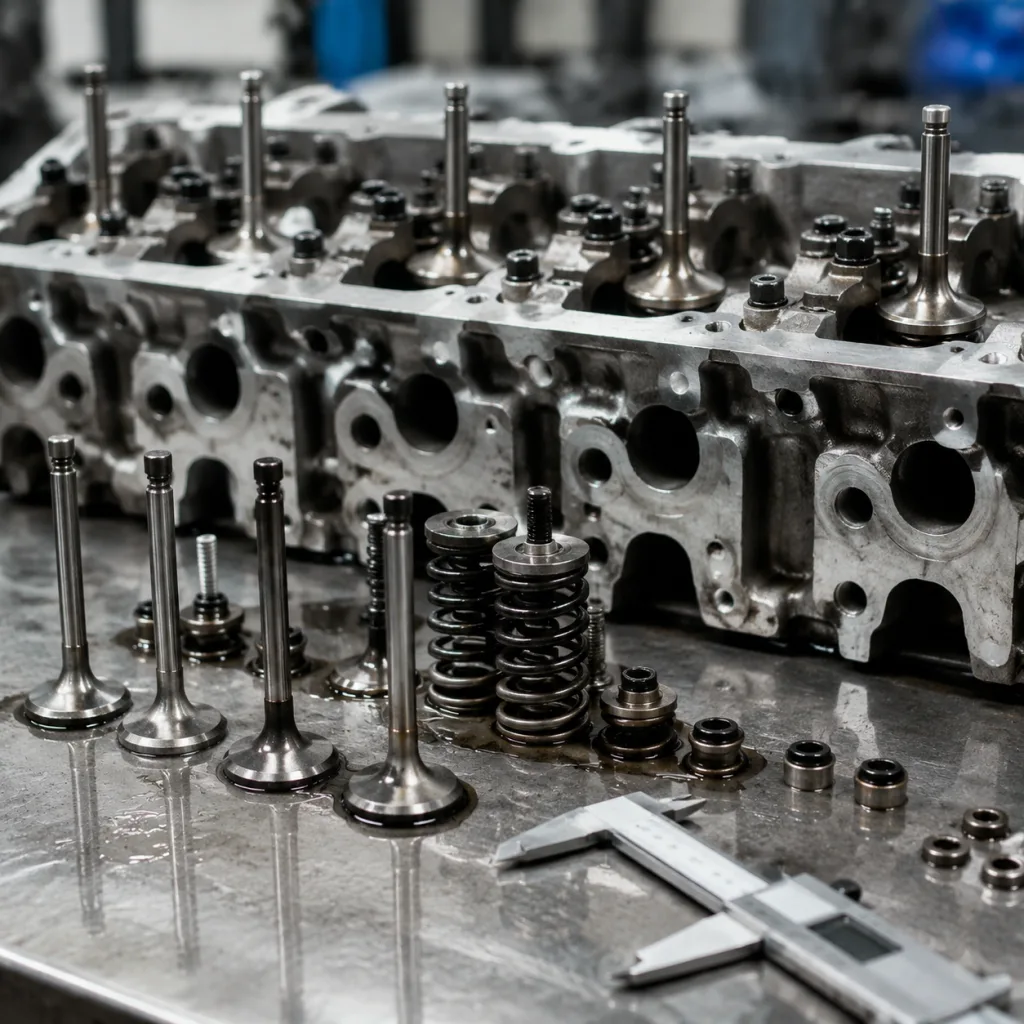
Most sourcing problems do not come from the quote; they come from assumptions. A block can look correct and still fail on bore alignment, thread quality, or coolant sealing after machining. That is why wholesale buying needs more than a catalog match.
Common failure modes:
- Ordering by vehicle model instead of engine code
- Assuming bare cast and machined supply are equivalent
- Ignoring bore, deck, or gallery revisions between versions
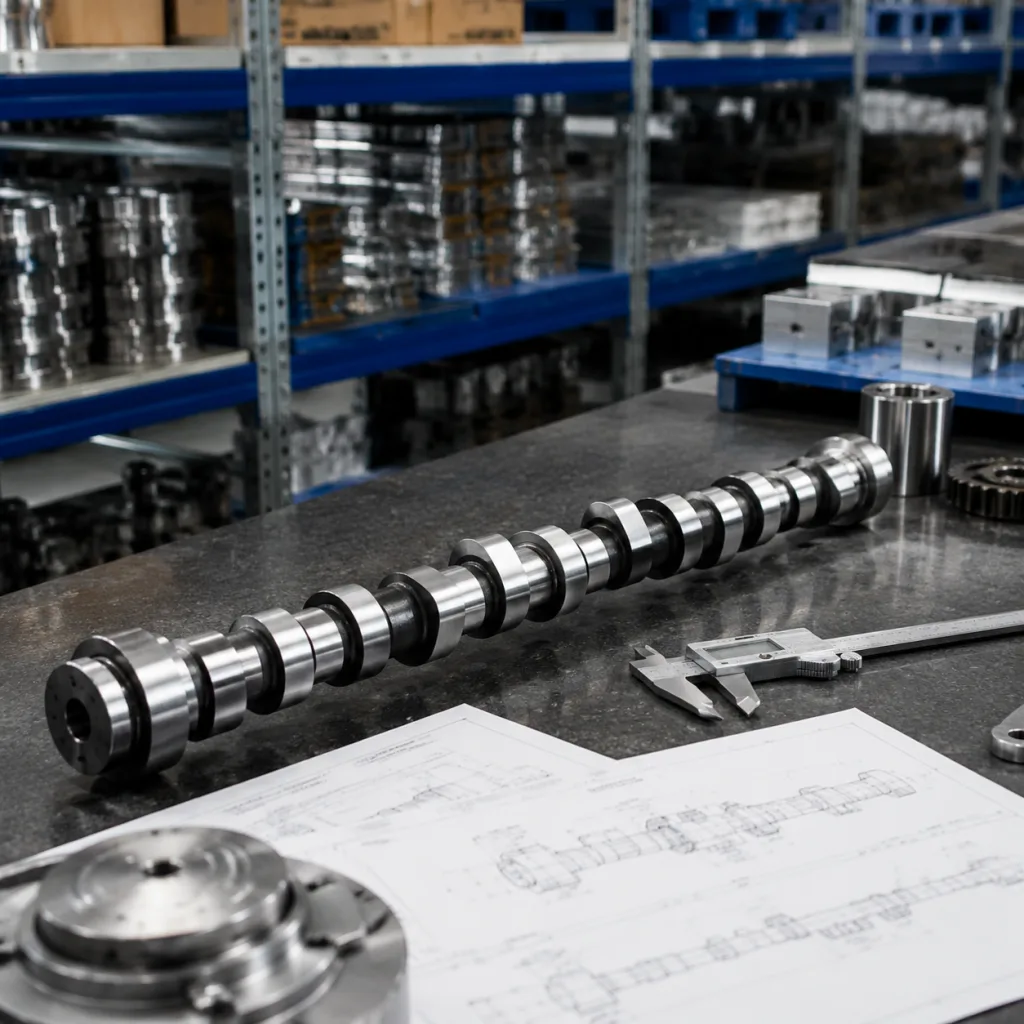
- Accepting vague inspection claims without dimensional records
- Underestimating packaging damage on heavy cast parts
- Comparing ex-works price instead of landed cost
A low unit price can become an expensive programme if the first shipment triggers scrap, delay, or rework. Ask what happens when a lot misses spec, how replacements are handled, and whether revision control is formal or informal.
Supply model: MOQ, lead time, and price breaks
Wholesale purchasing usually comes down to three variables: MOQ, lead time, and batch stability. Buyers should ask for current production capacity, standard carton or pallet quantities, and whether the factory keeps finished inventory or builds to order.
Typical buying logic:
- MOQ for a new or custom-machined block is often higher than a repeat stock item because setup, tooling, and inspection costs are spread across fewer units
- Sample lead time is usually shorter than production lead time, but should still include casting, machining, and final inspection steps
- Repeat orders should only be accepted against a frozen specification, because changes in bore, deck, or gallery features can affect interchangeability
- Price should be evaluated as landed cost, not ex-works cost, because weight, packaging, and freight class materially affect a block shipment
| Item | What to confirm | Typical buyer risk |
|---|---|---|
| MOQ | Per part number and per machining variant | Overbuying slow movers |
| Lead time | Sample, production, and repeat order timing | Missed programme launch |
| Traceability | Heat number, batch code, inspection record | No recall support |
| Packaging | Rust prevention, palletising, label format | Transit damage |
| Documentation | COO, invoice, packing list, material certs | Customs delay |