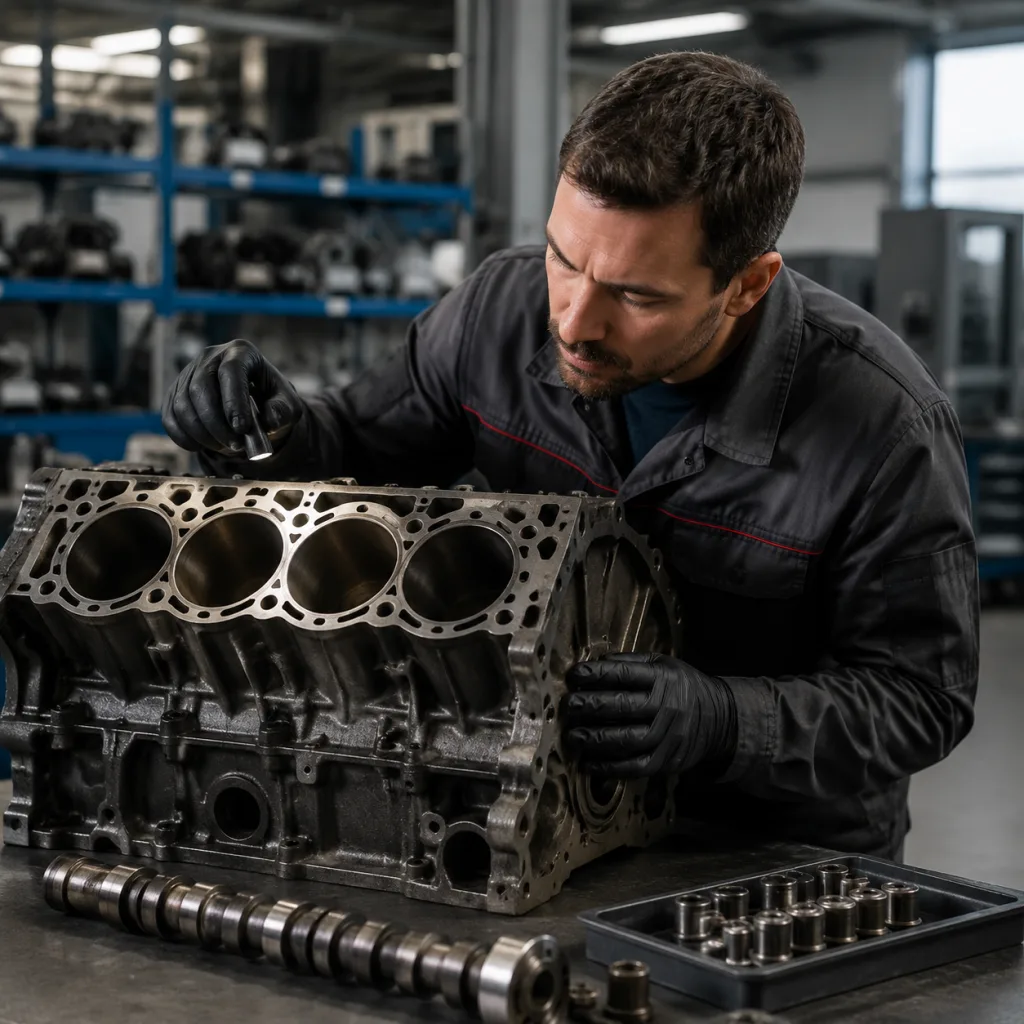
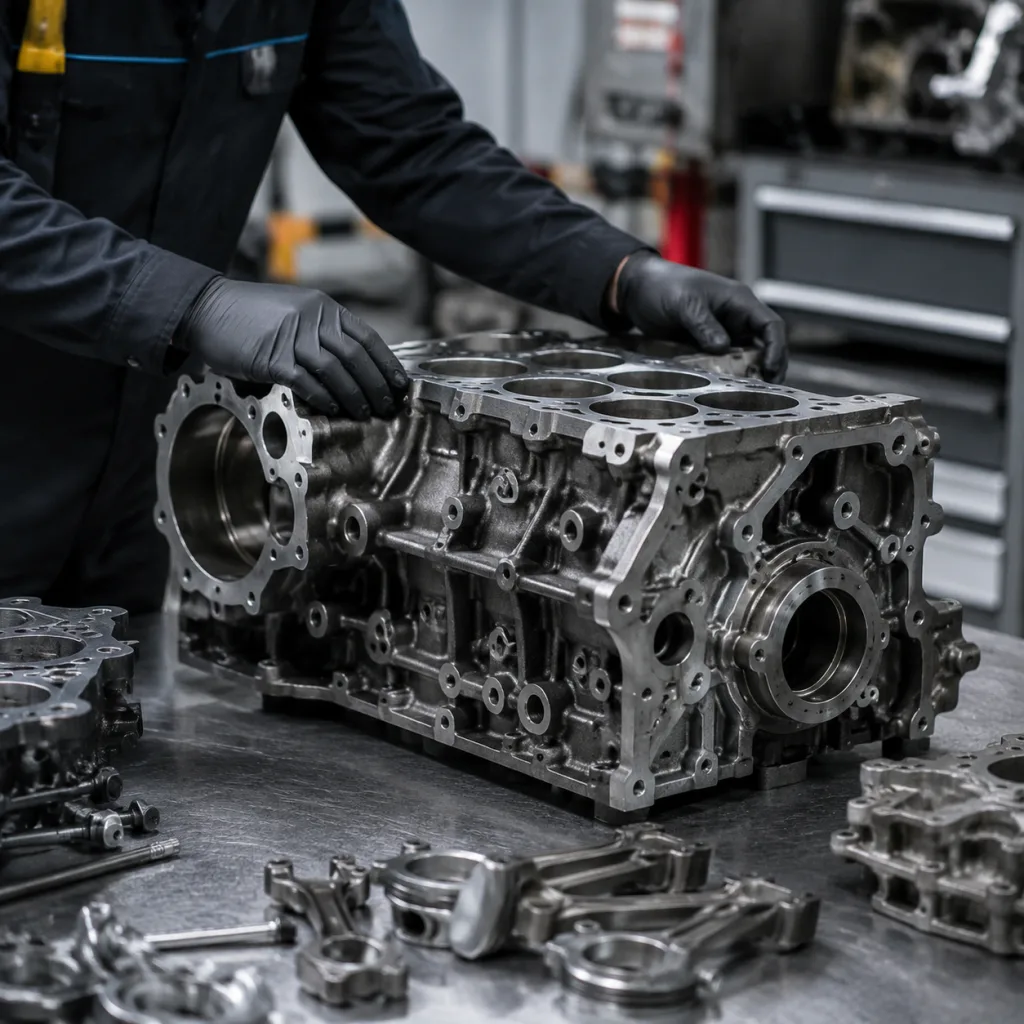
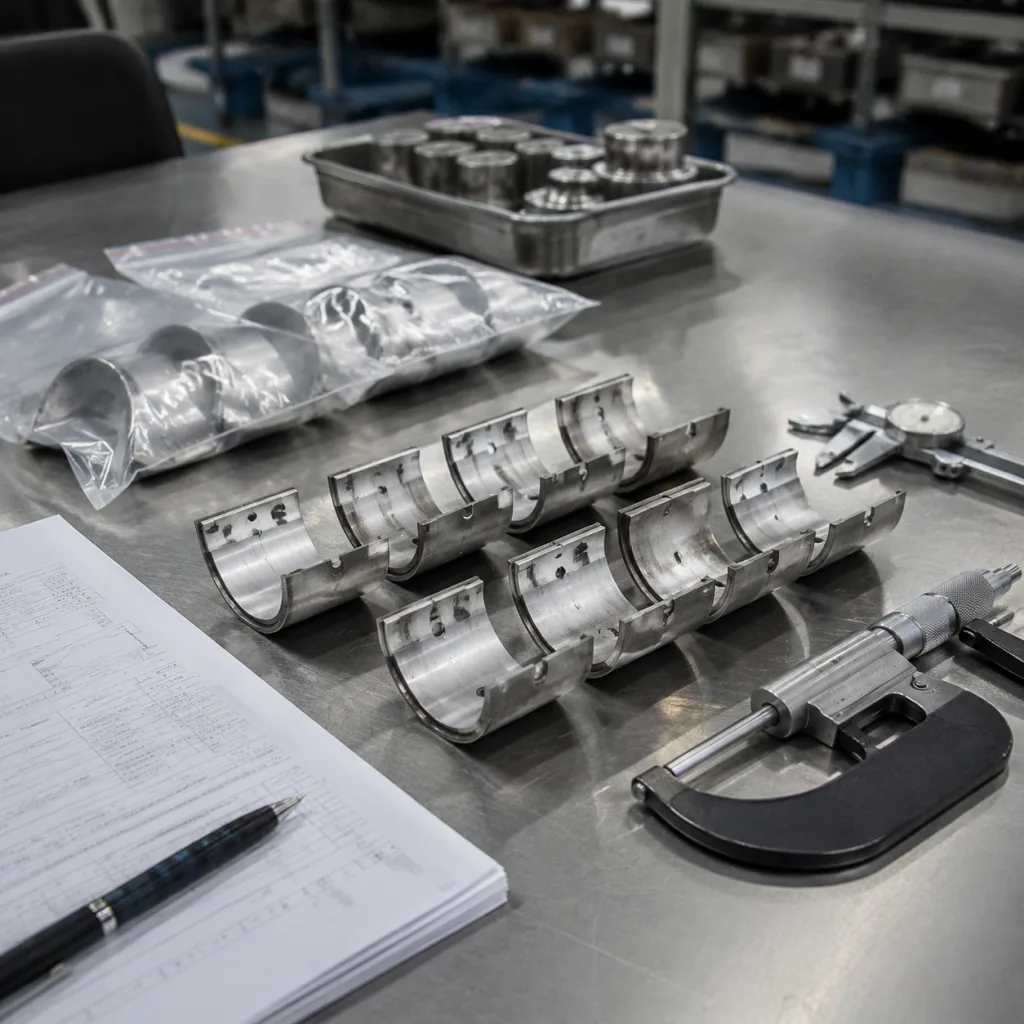
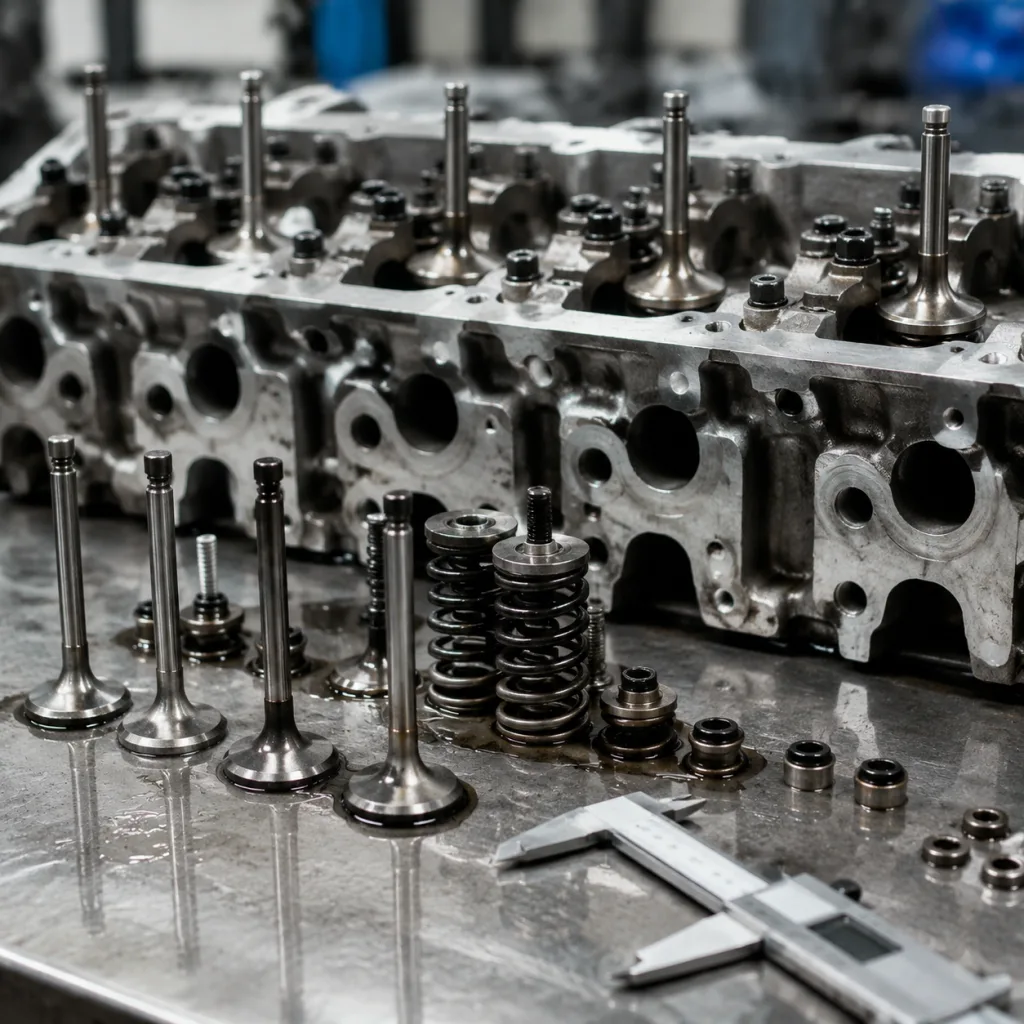
Engine surging at idle engine block issues are often misdiagnosed as purely electronic faults. Idle speed can rise and fall because the control system is reacting to unmetered air, uneven compression, coolant intrusion, or thermal distortion around the block and deck surface. For repair chains and parts distributors, the sourcing question is not only which sensor to replace. It is whether the underlying casting, machining, gasket interface, or coolant passage condition has caused repeat failures. This article gives a practical diagnostic path from symptom to inspection and replacement decision. It focuses on block-related root causes that affect idle stability, including head gasket sealing, cylinder bore condition, crankcase ventilation, coolant leaks, and vacuum paths through attached components. Driventus is an independent aftermarket manufacturer; brand names are referenced for fitment only.
Decision: Faulty Sensor or Block Problem?
At idle, the engine control unit keeps correcting small speed swings. That means a mechanical fault can look like an electrical one. If the block, head gasket, or mating surfaces are unstable, the ECU may chase the symptom and create a visible surge.
The fast check is simple: if the idle surge appears with coolant loss, repeat gasket failures, misfire counts, or bank-specific fuel trims, treat the block path as a likely root cause. If the surge clears under load, that also points away from a pure sensor fault and toward an air, compression, or sealing issue.
Common signs that justify block-level inspection:
Idle surge after warm-up
Fuel trim drift above +10%
Misfire counts mainly at idle
Coolant loss without an external drip
Oil contamination or crankcase pressure change
Repeat intake, gasket, or PCV replacements on the same engine family
If the pattern fits, proceed to mechanical testing before approving more electronic parts. For replacement coverage, see our catalog.
What Fails First: A Quick Cause Comparison
Not every idle surge means the block is damaged. The question is where the instability starts. This comparison helps teams sort likely causes quickly.
Symptom pattern
More likely cause
Why it matters
Next check
Surge improves with throttle
Vacuum leak or intake seal issue
Idle is most sensitive to unmetered air
Smoke test around intake and block ports
Surge with coolant loss
Head gasket or cracked casting
Coolant intrusion changes combustion stability
Pressure test and combustion gas test
Misfire only at idle
Low compression or bore wear
Weak cylinders are most visible at low load
Compression and leak-down test
Idle changes when oil cap is removed
PCV or crankcase leak path
Crankcase flow affects mixture control
Verify PCV flow and block ventilation ports
Repeat gasket failure
Deck flatness or thread damage
Clamp load may be uneven
Check surface finish, flatness, and bolt threads
</tr></thead><tbody> </tbody></table>The table is not a substitute for diagnosis. It is a sourcing shortcut. If the same symptom appears after new gaskets or a new throttle body, the block or its mating surfaces deserve closer scrutiny.
Step-by-Step Inspection Before You Order Parts
A disciplined sequence prevents repeat replacements. It also gives purchasing teams a cleaner basis for choosing between a gasket kit, a reworkable block, or a full replacement.
1. Record idle RPM, coolant temperature, fuel trims, manifold pressure, oxygen sensor activity, and misfire counts. 2. Smoke-test the intake manifold, throttle body flange, brake vacuum line, PCV hoses, and block-mounted breather ports. 3. Pressure-test the cooling system and check for coolant loss, cylinder contamination, or seepage at plugs and gasket joints. 4. Measure compression and leak-down at operating temperature when safe. 5. Inspect deck flatness, bore condition, and thread integrity. 6. Verify crankcase pressure and ventilation flow.
If the deck is outside machining limits, cracks are present, bolt holes cannot hold clamp load, or bore geometry is no longer serviceable, replacement becomes the sensible option. If the issue is only an external leak path, a targeted repair may be enough. For application-specific sourcing, Driventus supports custom manufacturing.
Spec Deep-Dive: The Block Features That Affect Idle
Idle quality depends on sealing precision at low airflow. Small dimensional errors that barely matter under load can dominate at idle. That is why block specification matters so much on repeat-return engines.
Verify these points when sourcing or approving a replacement:
Deck flatness: even across the full gasket face, especially near coolant holes
Surface finish: compatible with the gasket type used by the engine design
Cylinder bore geometry: diameter, taper, out-of-round, and bore alignment
Main tunnel alignment: consistent enough to avoid vibration and loading imbalance
Thread condition: head bolt and main bolt holes clean, deep enough, and secure
Coolant and oil passage integrity: pressure-tested for porosity or cross-leak risk
Casting material control: stable grade, hardness, and heat treatment where specified
Driventus manufactures engine and powertrain components under IATF 16949:2016 and ISO 9001:2015. Internal controls cover incoming material verification, machining process control, in-process gauging, leak testing where required, and final inspection. More detail is available in our quality system.
When Replacement Beats Another Repair
Replacement is not the first answer to an idle surge. It becomes the better answer when the block can no longer hold sealing, geometry, or pressure after normal repair.
That decision should be evidence-led. A block is expensive, and replacing it too early raises cost. Waiting too long can do the same, especially when the same gasket or sensor keeps failing because the real issue is structural.
Replacement is usually justified when one or more of these are true:
Casting crack in a coolant jacket, oil gallery, deck area, or cylinder wall
Internal coolant leakage confirmed by pressure testing
Deck distortion beyond the service limit
Head bolt thread damage that prevents clamp load
Bore wear beyond oversize repair limits
Porosity causing oil, coolant, or compression cross-leakage
Previous overheating followed by repeat gasket failure
For sourcing teams, request dimensional reports, inspection records, and batch traceability before approving a replacement block. In regulated markets, REACH (EC) No 1907/2006 material data may also be needed. Emissions-related repairs should preserve the certified configuration; ECE R-83 is relevant to emissions context, but it is not a block manufacturing approval.
Buying Notes for Distributors and Repair Chains
Idle-surge claims often arrive as a mixed file: unstable idle, coolant loss, misfire, and gasket complaints all at once. A good supplier should help separate the symptom from the root cause and back the part with usable process data.
When sourcing engine blocks or short-block assemblies, ask for:
Fitment confirmation against buyer-supplied OE references
Drawing-controlled dimensions for deck, bore, main tunnel, bolt holes, and sealing faces
Casting batch traceability and material test records
Leak-test method and acceptance criteria for coolant and oil passages
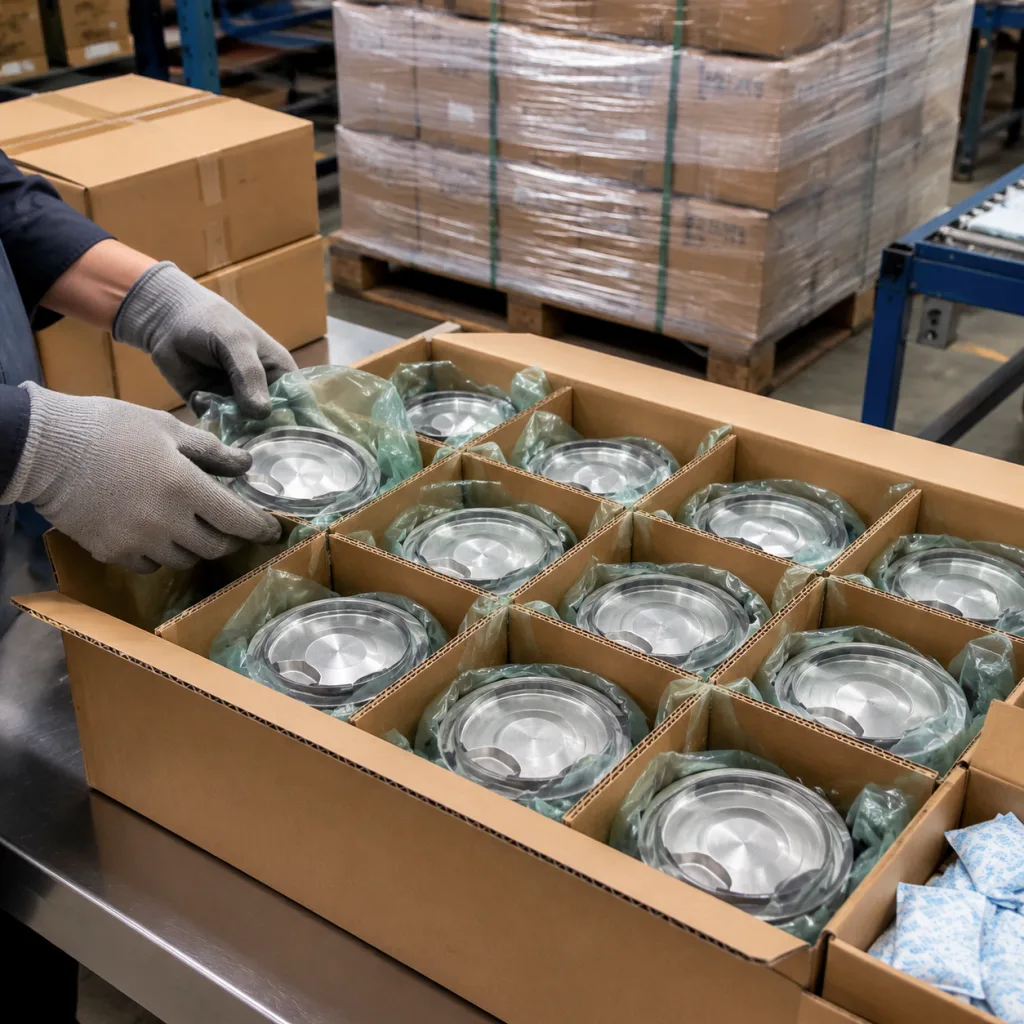
Packaging that protects machined faces in transit
Warranty terms that distinguish installation error, overheating, and manufacturing defects
Availability of related pistons, rings, gaskets, crankshafts, bearings, and water pumps
Driventus supplies distributors, OEM/Tier-1 programmes, and multi-location repair chains in more than 60 countries from Taizhou, Zhejiang. We do not claim vehicle manufacturer approval or endorsement. We can review drawings, samples, and annual demand forecasts for engine block programmes, including private-label and application-specific requirements. To discuss fitment coverage or sourcing terms, request a quote.
Frequently asked questions
Yes. The block itself or its interfaces can cause unstable idle through vacuum leakage, compression loss, coolant intrusion, deck distortion, bore wear, or crankcase ventilation faults. The control system may react by changing fuel and idle air, making the symptom look electronic.
Basic scan-tool checks are useful, but repeated sensor replacement without pressure, compression, leak-down, and smoke testing can miss mechanical causes. Block and gasket-interface checks are important when coolant loss, misfire, or repeat gasket failure occurs.
Request dimensional inspection records, material traceability, leak-test confirmation, packaging details, and quality certification such as IATF 16949:2016 and ISO 9001:2015. For some markets, REACH (EC) No 1907/2006 material information may also be needed.
If your team is reviewing idle-surge warranty claims or sourcing replacement engine blocks, Driventus can assess drawings, samples, and demand forecasts. Contact us through /contact.html