Engine Block Ford Manufacturer China: Sourcing Guide
Choosing an engine block Ford manufacturer China buyers can rely on is a technical sourcing decision, not a catalogue comparison. For distributors, engine rebuilders, repair networks and Tier-1 sourcing teams, the real test is whether the supplier can control casting integrity, dimensional stability, machining repeatability, cleanliness and export packaging across repeat production. Driventus manufactures engine and powertrain components in Taizhou, Zhejiang, for export markets including the EU, UK, US, Canada, Australia and Brazil. Engine block programmes are managed as B2B supply projects, covering drawing review, material specification, tooling status, sample approval, PPAP-style documentation where required, inspection planning, packaging and shipment scheduling. Driventus is an independent aftermarket manufacturer; brand names are referenced for fitment only. This guide explains how to evaluate Ford-fitment engine block supply from China, what evidence to request, and how to align MOQ, lead time, audit scope and quality expectations before issuing a purchase order.
What Procurement Teams Should Verify First
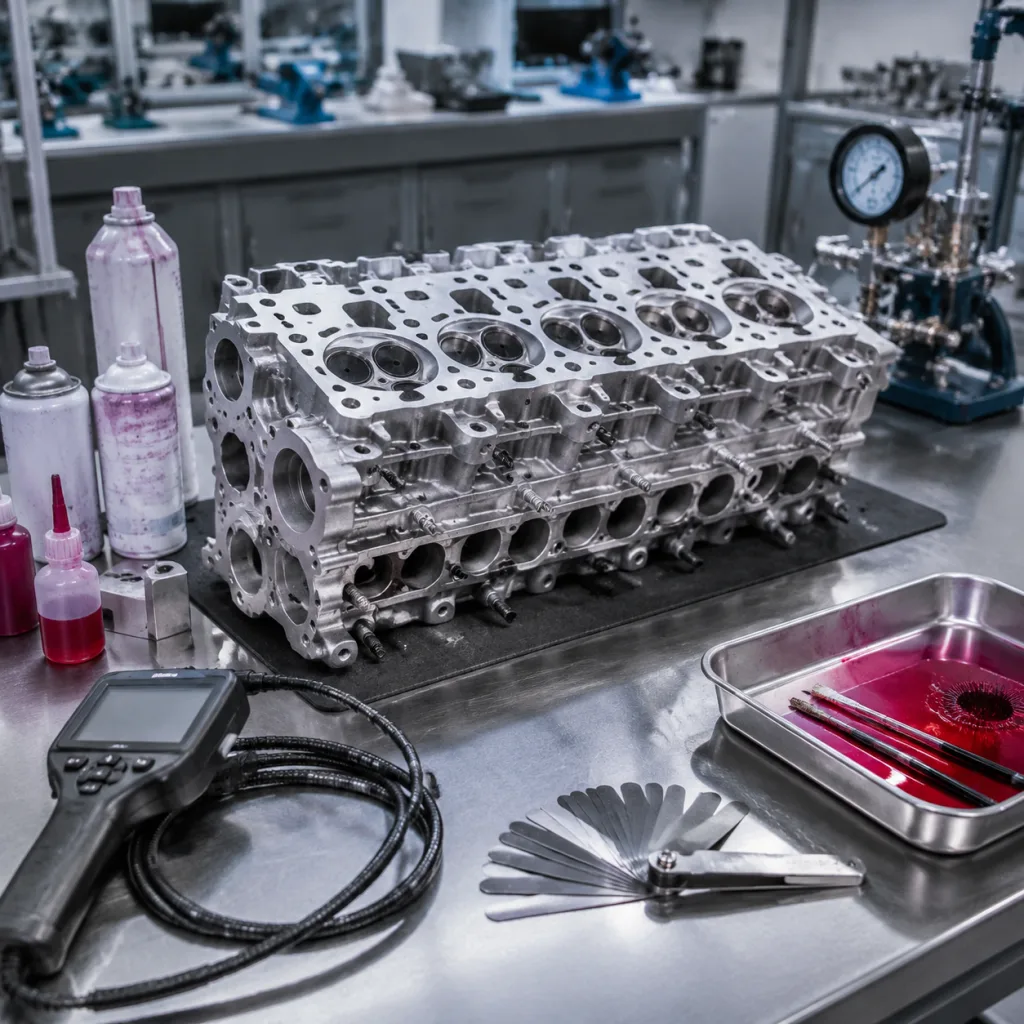
For Ford-fitment engine block sourcing, the first review should confirm application coverage, casting route, machining scope and traceability. Photos and short part descriptions are useful only as a starting point; they do not prove bore geometry, deck quality, oil gallery cleanliness or main tunnel alignment. A strong enquiry package includes the engine code, market region, displacement, fuel type, model year range, required sample quantity, annual forecast and any OE-style cross-reference format already used by the buyer. Cross-references should be used only where they are relevant to the programme and supported by the buyer’s own fitment data.
Driventus supports engine component sourcing through our catalog and engine-specific programme review via /products/engine-components.html. Where the required block is not a standard stocked reference, the project can move through custom manufacturing, including drawing review, tooling assessment and fixture planning.
Key verification points include:
Cylinder bore nominal size, tolerance and machining allowance
Deck flatness and surface finish requirement
Main bearing housing alignment, roundness and datum control
Oil gallery cleanliness and plug retention method
Coolant jacket pressure test requirement and acceptance limit
Thread specification for mounting and accessory points
Material grade, heat treatment if specified, and hardness range
Casting batch traceability and machining inspection records
Compatibility with the buyer’s gasket, piston and bearing programme where relevant
Export packaging suitable for sea freight and mixed-container handling
Factory Capability, MOQ and Lead-Time Planning
A credible supplier should distinguish clearly between existing-tooling orders and new-development projects. Existing-tooling programmes usually move faster because patterns, core boxes, machining fixtures and inspection gauges have already been validated. New or modified designs need additional time for feasibility review, tool manufacture, sample casting, machining trials, pressure testing and dimensional correlation.
Typical planning ranges are shown below. Final timing depends on block complexity, casting material, machining depth, inspection package and whether the buyer requires formal sample approval documentation.
Sourcing item
Existing tooling
New tooling or modified design
Technical review
3-7 working days
7-15 working days
Sample availability
30-60 days
75-120 days
Production lead time after approval
45-75 days
60-90 days
Practical MOQ
50-200 pieces
100-300 pieces
Documentation depth
Inspection report, material record
Control plan, sample report, tooling record
</tr></thead><tbody> </tbody></table>For import managers, the commercial question is not only unit price. Engine blocks are heavy, high-value components, and preventable freight damage can erase any saving from a low quotation. Buyers should evaluate container loading method, pallet strength, rust protection, moisture control, carton marking, spare packaging ratio and the supplier’s claims handling procedure. Repair chain and distributor programmes may also need phased shipments rather than one annual bulk order, especially when demand is spread across several engine families or regional warehouses.
Quality System and Process Control
Driventus operates under IATF 16949:2016 and ISO 9001:2015 frameworks. These standards do not replace part validation, but they give procurement teams a basis for process control, corrective action, document retention and supplier audit structure. Buyers can review the Driventus quality system before requesting programme documents.
For engine blocks, quality control normally covers incoming material, casting inspection, heat control where specified, machining process checks, washing, leak testing, final dimensional inspection and packaging release. Critical characteristics should be agreed before sampling so the inspection plan reflects actual field risk rather than a generic checklist.
A practical control plan may include:
Spectrometer result or material certificate review for each casting batch
Visual inspection for sand inclusion, shrinkage, cold shut and porosity risk
Hardness checks at agreed locations when required by the drawing or material standard
CNC machining parameter control for deck, bore, main housing and threaded holes
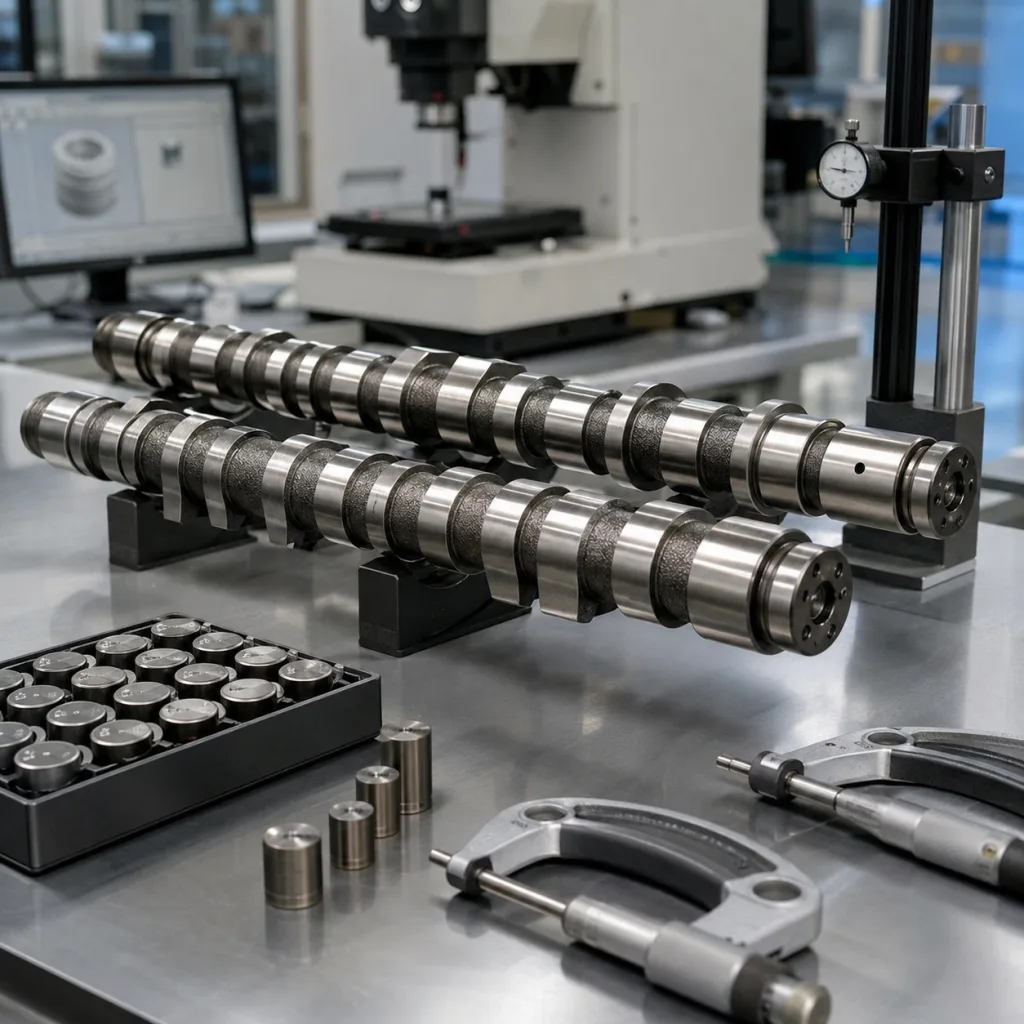
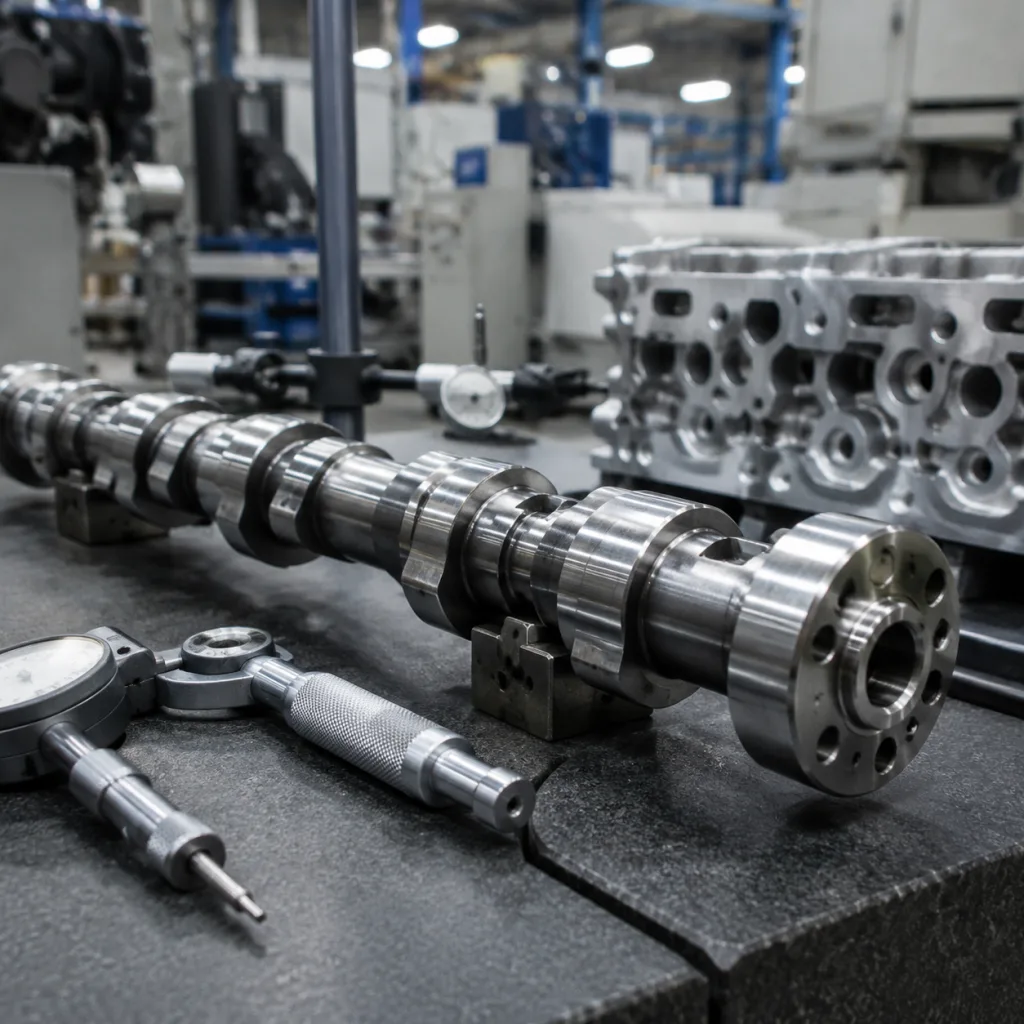
Coordinate measuring machine checks for datum-related dimensions
Air decay or water pressure testing for coolant and oil passages where applicable
Thread gauge verification for bolt holes and accessory mounting points
Cleanliness inspection for oil galleries after washing
Final inspection report linked to batch, serial or production lot traceability
If the engine block is supplied into regulated markets, buyers may also request material declarations related to REACH (EC) No 1907/2006. Emissions regulations such as ECE R-83 apply to vehicle approval rather than a bare engine block, but they may still influence the customer’s validation plan for complete engine assemblies.
Material, Casting and Machining Considerations
Most aftermarket engine block programmes require close control of cast iron or aluminium alloy properties, depending on the original engine architecture. The supplier should confirm the casting method, alloy or iron grade, machining datums, pressure test parameters and cleaning process. A block that appears correct externally can still fail because of bore distortion, main tunnel misalignment, deck waviness, poor thread engagement or residual casting sand.
Cast Iron Blocks
Cast iron is commonly selected for durability, wear resistance and dimensional stability under load. Procurement teams should check hardness consistency, wall thickness around cylinder areas, main bearing support geometry and machining allowance. For remanufacturing channels, compatibility with standard and oversize piston programmes may also matter, especially when the same block family is sold into workshops with different repair practices.
Aluminium Blocks
Aluminium blocks require tighter attention to insert design, liner fit, thread strength and thermal expansion. Buyers should confirm whether liners are cast-in, pressed or otherwise retained, and whether thread inserts are required for high-load positions. Deck surface finish and flatness are especially important for head gasket sealing, while bearing housing geometry must remain stable after machining and washing.
For either material, the buyer should request a marked drawing or inspection matrix showing which dimensions are controlled on every batch and which are checked by sampling frequency. The most useful document is not the longest one; it is the one that connects the engine block’s critical functions to measurable inspection points.
Audit Questions for a China Engine Block Supplier
A sourcing audit should test whether the supplier can control repeat production, not just produce one acceptable sample. When evaluating an engine block Ford manufacturer China project, buyers should ask for evidence tied to the specific block family, tooling condition, foundry route and machining process.
Recommended audit questions:
Which foundry and machining operations are in-house, and which are outsourced?
How are casting batches identified after machining?
What is the documented reaction plan for porosity, leakage or machining deviation?
Are critical gauges calibrated under a traceable schedule?
Can the supplier provide first article inspection reports for agreed dimensions?
What pressure testing method is used, and how are failures recorded?
What packaging tests or shipment history support export by sea freight?
How are engineering changes reviewed and approved before production?
What is the non-conforming material process?
Can the supplier support remote video audit or third-party factory audit?
What annual capacity is available for this block family?
Driventus can support supplier questionnaires, drawing confidentiality review and sample approval planning before bulk order placement. For OEM and Tier-1 style projects, documentation can be aligned with the customer’s sourcing workflow, including feasibility review, inspection planning, change control and corrective action reporting.
How to Structure an RFQ
A clear RFQ reduces quotation delays and prevents avoidable sample disputes. For Ford-fitment engine block sourcing, the RFQ should define the part family, expected market, test requirement, annual volume and delivery terms. If the buyer sends only a photograph and an informal name, the supplier must make assumptions, and those assumptions can create cost, timing and fitment risk later.
Useful RFQ fields include:
Vehicle application and engine family
Required OE-style cross-reference format, if already used by the buyer
Material requirement or acceptable equivalent
Finished machining scope versus semi-finished casting
Required inspection report format and critical dimensions
Leak test, pressure test or cleanliness requirement
Sample quantity and approval process
Forecast volume by quarter
Target Incoterms, destination port and packaging preference
Labelling requirements and neutral-brand packaging rules
Compliance declarations needed for the destination market
Driventus is an independent aftermarket manufacturer; brand names are referenced for fitment only. The company does not claim approval or endorsement by any vehicle manufacturer. Buyers can review standard ranges in our catalog, discuss non-standard programmes through custom manufacturing, or request a quote with drawings, samples or application data.
Frequently asked questions
Yes. Driventus can discuss neutral packaging, buyer labels and export carton requirements for qualified B2B orders. Packaging details, marks and documentation should be confirmed during the RFQ stage.
Buyers should request current IATF 16949:2016 and ISO 9001:2015 certificates, plus project-specific inspection reports, material records and traceability documents. Certification supports process control but does not replace sample validation.
No. Driventus supplies independent aftermarket and custom-manufactured components for fitment reference. Driventus is an independent aftermarket manufacturer; brand names are referenced for fitment only.
For engine block sourcing, send the application data, annual forecast and inspection requirements so Driventus can review tooling, MOQ and lead time. Start a technical RFQ at /contact.html