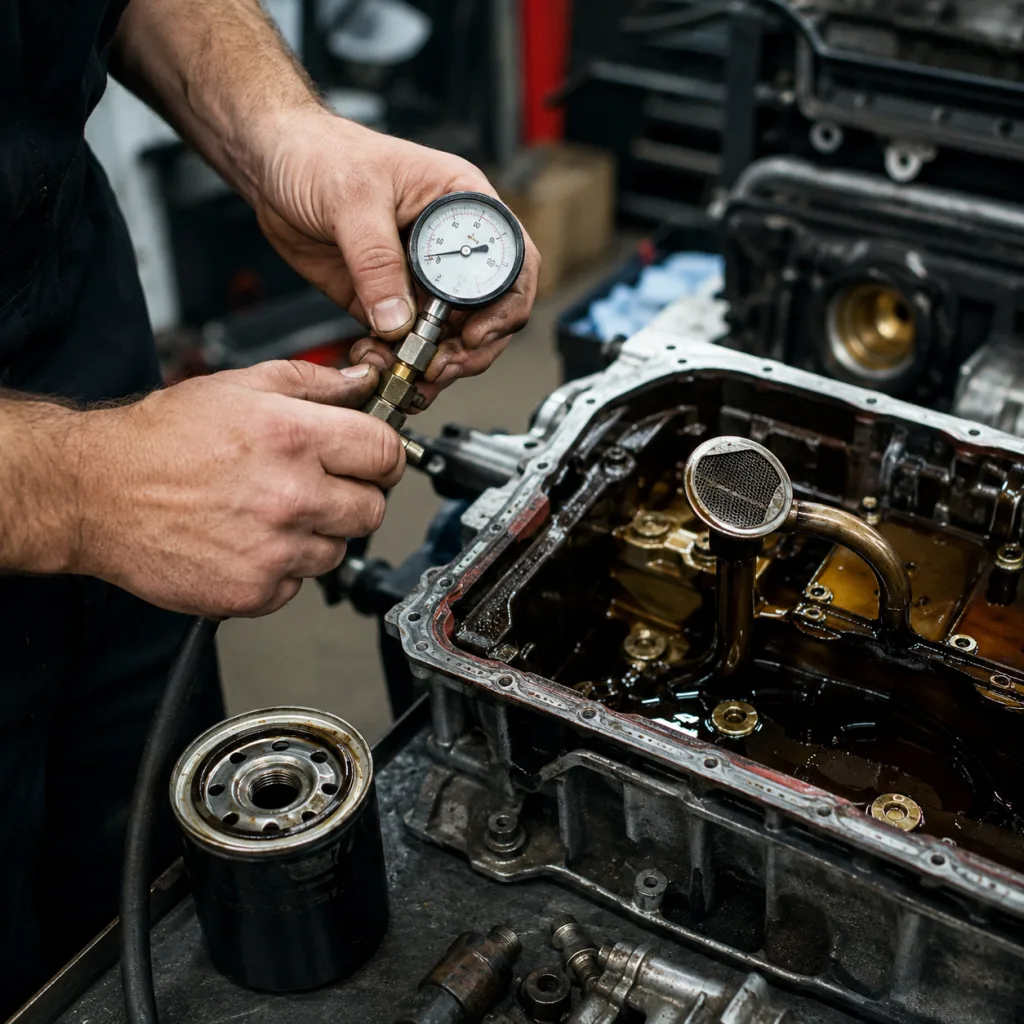
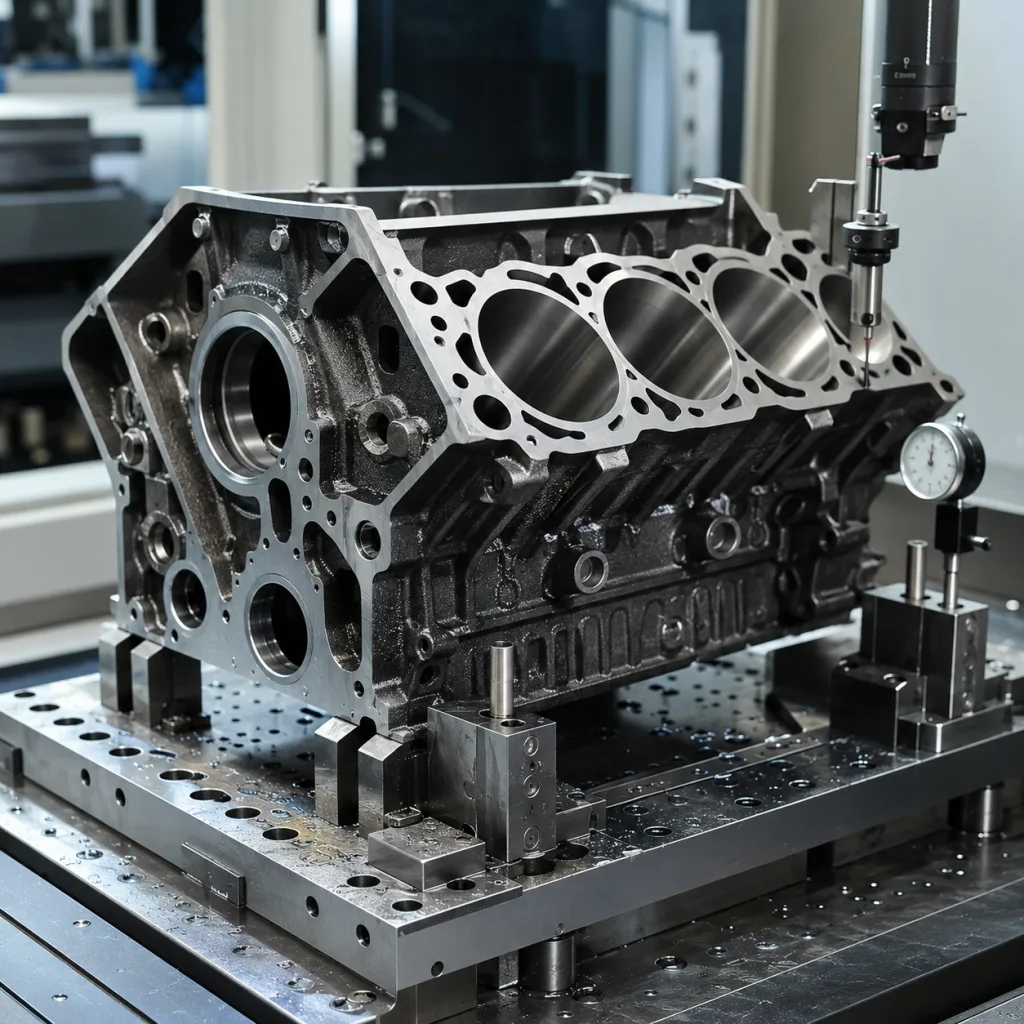
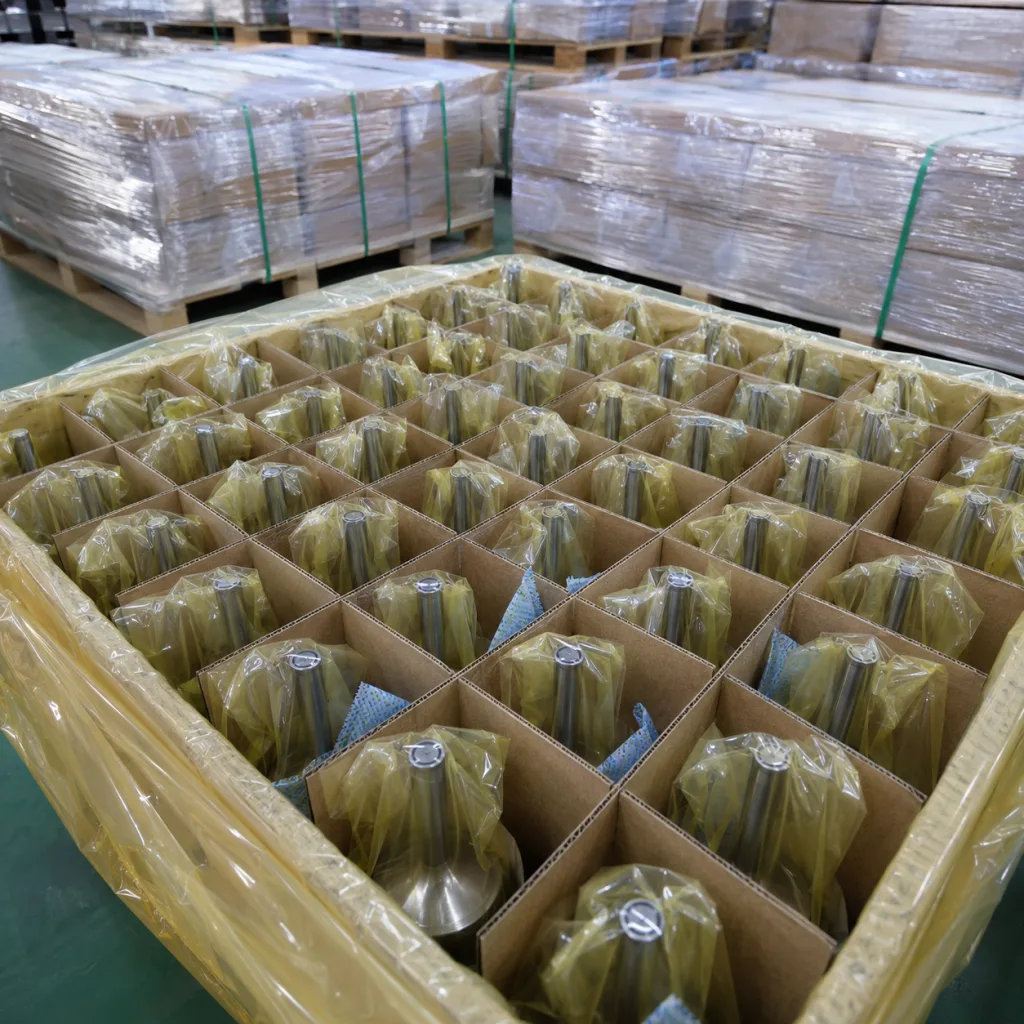
Buyers evaluating an engine block Dodge OEM supplier usually need three things: dimensional fit, repeatable casting quality, and commercial reliability. For engine blocks, that means bore geometry, deck flatness, material control, pressure testing, and traceability from melt to final inspection. Driventus supplies bare and machined blocks for B2B programs that move through distributors, repair networks, and OEM or Tier-1 channels. We work to IATF 16949:2016 and ISO 9001:2015 processes, and we can align material declarations with REACH (EC) No 1907/2006 where required. Driventus is an independent aftermarket manufacturer; brand names are referenced for fitment only. If you are comparing suppliers, start with the drawing pack, target annual volume, required machining state, and validation data. Our [quality system](/quality.html) and [our catalog](/products.html) show the controls and part families we support, including [engine components](/products/engine-components.html).
What Buyers Should Verify First
When you evaluate an engine block Dodge OEM supplier, start with the drawing revision, machining state, and inspection method before discussing unit price.
Checkpoint
What to confirm
Why it matters
Casting grade
Alloy specification, heat chemistry, and foundry traceability
Controls strength, machinability, and defect rate
Machining scope
Bare casting, rough-machined, or fully machined
Affects lead time, cost, and incoming inspection effort
Dimensional control
Bore size, deck flatness, main bore alignment, and thread quality
Determines assembly fit and rebuild success
Pressure testing
Coolant and oil passage leak test method
Reduces field returns after assembly
Documentation
Dimensional report, material certificate, and batch traceability
Supports audit and claim handling
</tr></thead><tbody> </tbody></table>If the application is tied to a specific vehicle family, cross-reference by engine code, block revision, and machining variant rather than relying on a single sales description. For procurement teams, that discipline prevents wrong-part shipments, unnecessary rework, and delays during validation.
Manufacturing Controls That Matter
An engine block is not a generic cast part. It is a structural, thermal, and sealing component that has to hold geometry after machining and during service.
Key controls we apply across production:
Incoming material control with heat-level traceability
Controlled casting process for wall thickness and shrinkage stability
CNC machining for bores, decks, and critical faces
Dimensional inspection with calibrated gauges and CMM checks
Leak testing of coolant and oil passages where the specification requires it
Final batch identification for traceability through the supply chain
We build to documented inspection plans and can support customer-specific acceptance criteria. Where a program requires it, our process can be aligned with IATF 16949:2016 and ISO 9001:2015 controls, plus material compliance files for REACH (EC) No 1907/2006. That is the level of discipline buyers should expect from any qualified supplier, especially when the part is expected to drop into a defined engine family with minimal downstream adjustment.
Specification Items To Put In The RFQ
A clean RFQ shortens sampling time and improves quote accuracy. Include the following items in the first package:
Engine family and application notes
Drawing number and revision level
Required machining state: bare, semi-finished, or finish-machined
Material and treatment requirements
Tolerance targets for bores, deck surface, and main bearing journals
Annual volume, forecast split, and first-order quantity
Packaging standard, labelling, and pallet constraints
Validation documents required for approval
If you are comparing multiple suppliers, request the same data set from each one. That gives you a fair view of tooling cost, process capability, and sample lead time. It also prevents the common mistake of comparing a raw casting quote against a fully machined quotation. For an engine block Dodge OEM supplier comparison, consistency in the RFQ is often the difference between a usable quote and one that needs multiple clarification rounds.
Bare vs Fully Machined Blocks
The right sourcing model depends on your own machining capacity, inbound inspection resources, and launch schedule.
Option
Typical buyer use
Main advantage
Main trade-off
Bare casting
Buyers with local machining or rebuild operations
Lower unit cost
More in-house processing required
Rough-machined block
Mixed sourcing models
Balances cost and finishing effort
Still needs local validation
Fully machined block
Fast-moving aftermarket and service channels
Shorter assembly cycle
Higher supplier processing cost
</tr></thead><tbody> </tbody></table>For multi-location repair groups and distributors, fully machined supply often reduces warehouse complexity and simplifies kitting. For OEM or Tier-1 programs, bare or rough-machined supply may be better when local finishing, inspection, or program-specific validation is already in place. The better choice is the one that matches your internal process, not just the lowest quoted unit price.
How Driventus Supports Programme Launch
Driventus supports build-to-print supply for engine blocks and related engine components. Our custom manufacturing work covers drawing review, feasibility checks, prototype supply, production planning, and export packaging.
Typical launch support includes:
DFM review against the customer drawing
Sample submission with dimensional records
Batch traceability and lot coding
Packaging design for sea freight and warehouse handling
Stable replenishment planning after approval
For buyers who need an engine block Dodge OEM supplier with documented controls, this approach keeps sourcing decisions tied to measurable outputs: fit, lead time, and inspection consistency. It also makes factory audit easier because the production flow, records, and acceptance criteria are already defined before volume release. That reduces launch risk and gives purchasing, quality, and engineering teams a common reference point throughout ramp-up.
Frequently asked questions
Send the drawing, revision level, target machining state, annual volume, and required tests. If you have a sample or benchmark part, include that too. Clear input reduces quoting errors and shortens the first article process.
Yes. We can support prototype and bridge volumes when the program needs early validation before scale-up. The exact MOQ depends on the casting route, machining scope, and packaging requirements.
Yes. We can build to fitment and dimensional requirements for branded applications, but we do not claim manufacturer approval or endorsement. Driventus is an independent aftermarket manufacturer; brand names are referenced for fitment only.
Share your print, target volume, and timing window for a build-to-print review. [request a quote](/contact.html)