Engine Block Cadillac OEM Supplier: Audit, Quality and Sourcing Checklist
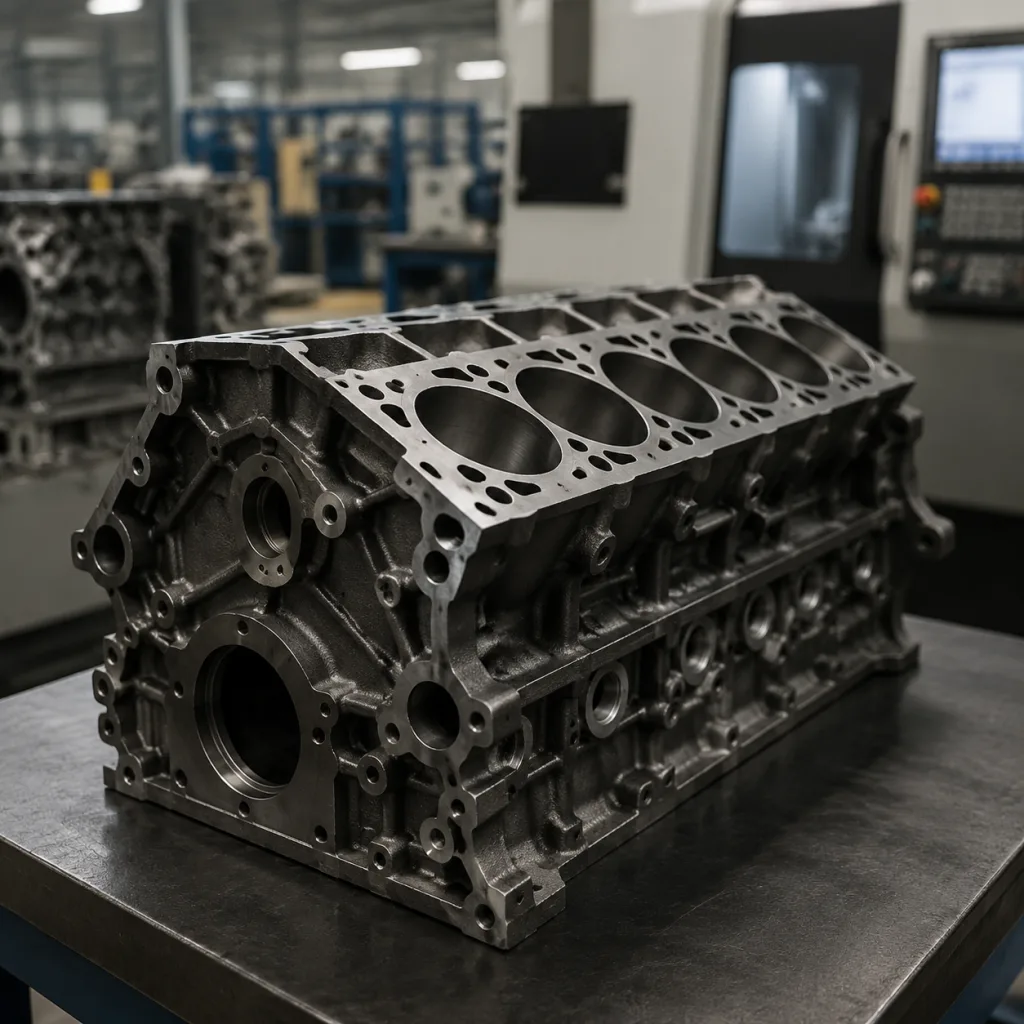
Choosing an engine block supplier for Cadillac applications is a sourcing decision with long-term consequences for cost, warranty exposure and inventory stability. The engine block is the foundation for cylinder geometry, head-gasket sealing, crankshaft alignment, oil and coolant passage integrity, and the location of transmission or accessory interfaces. When the source is weak, problems often appear well after the first shipment: head-gasket seepage from deck distortion, bearing wear caused by main bore misalignment, coolant leakage from porosity, or installation delays tied to thread or datum variation.
That is why buyers need more than a price list or a sample that looks acceptable at first glance. They need evidence of process capability at the foundry and machining stages, documented control of critical dimensions, lot traceability, disciplined preservation and packaging, and reliable export execution. For aftermarket distributors, OEM service programmes, remanufacturing groups and repair-network supply contracts, the recurring risk points are usually the same: dimensional drift between lots, porosity, core shift, unstable thread quality, delayed tooling changes and incomplete records.
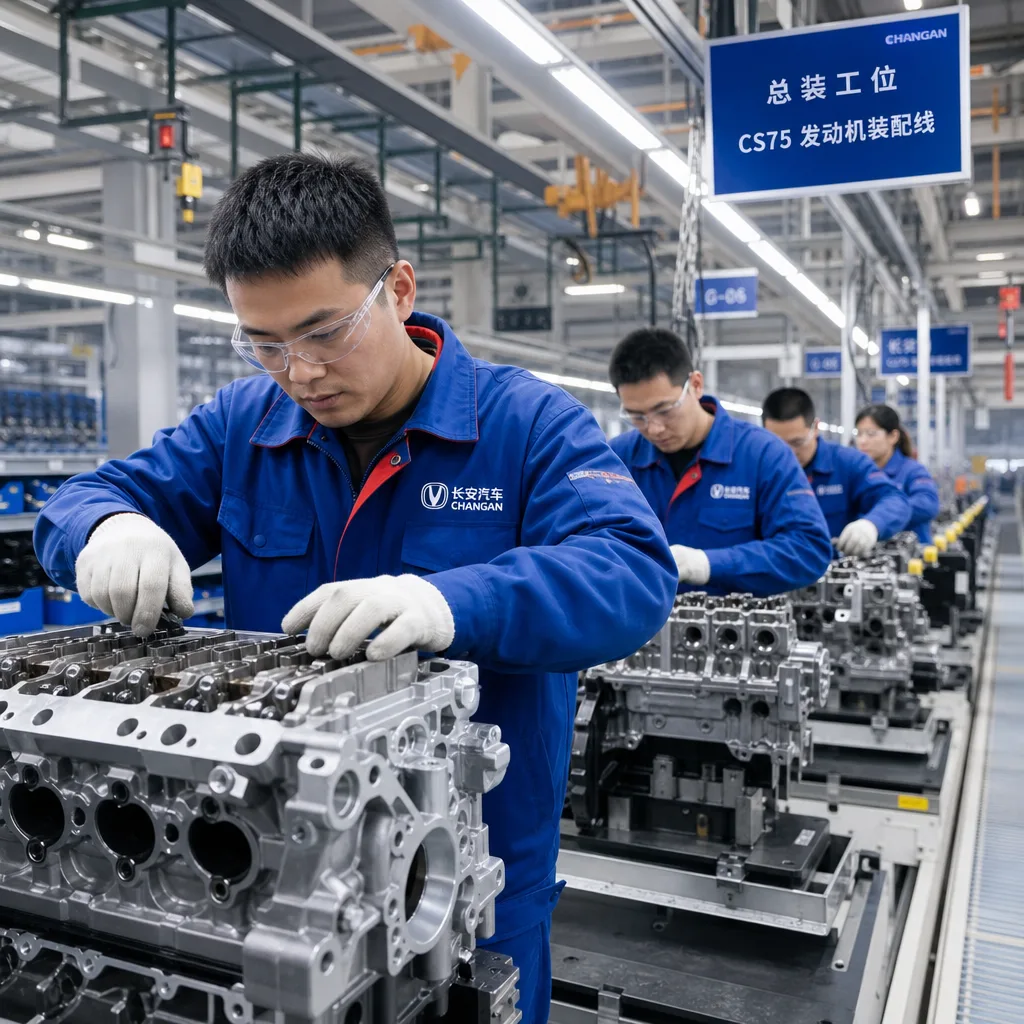
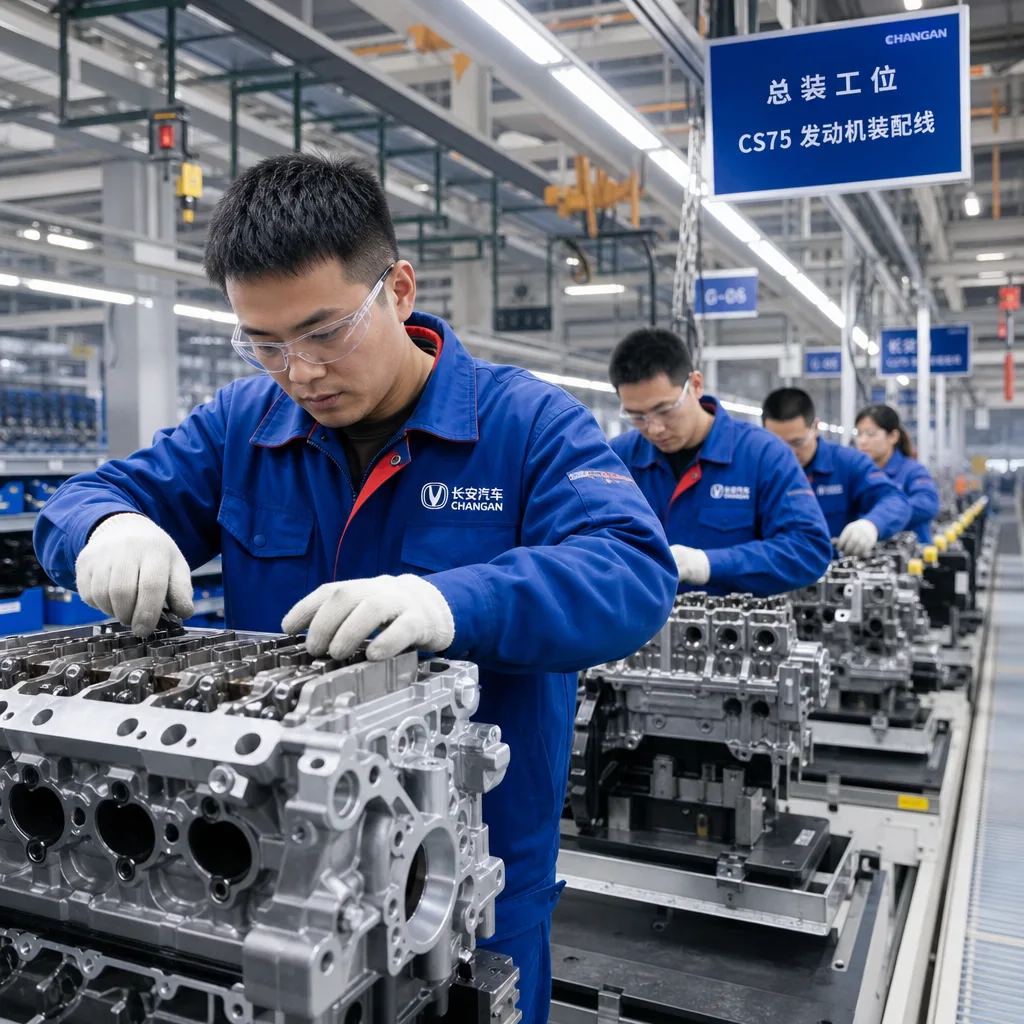
When assessing an engine block Cadillac OEM supplier, procurement teams should review the supplier as a manufacturing system, not just as a part seller. In practice, that means checking foundry source approval, machining process flow, final washing and cleanliness control, inspection records, PPAP-style readiness where required, and the ability to manage low- and medium-volume runs without losing repeatability. Driventus supports B2B buyers with audited production, technical documentation and programme-based supply planning for engine and powertrain components in export markets. Driventus is an independent aftermarket manufacturer; brand names are referenced for fitment only.
What buyers should verify before approving a supplier
A sound approval process for an engine block Cadillac OEM supplier should cover four areas before RFQ award or supplier nomination: manufacturing scope, quality discipline, export execution and commercial stability. If any one of these is skipped, the risk usually shows up later as warranty claims, stockouts or expensive rework after receipt.
- Manufacturing scope: confirm whether casting, rough machining, finish machining, washing and packing are completed in-house or through approved sub-suppliers. Buyers should identify the foundry source, casting method, core-making controls, melt verification method such as spectrometer analysis, heat-treatment status where applicable, CNC machining capacity, line boring or line honing capability, final washing process and rust-prevention method.
- Quality controls: verify incoming casting inspection, first-off and last-off inspection, in-process SPC where used, bore size control, deck flatness control, main bore alignment measurement, leak-test method, thread gauging, gauge calibration status, batch traceability and the process for segregation and disposition of non-conforming parts.
- Export execution: review carton and pallet specifications, VCI or oil-based corrosion protection, desiccant use where needed, pallet load limits, barcode or label format, mixed-SKU handling, container loading method and shipping-document accuracy.
- Commercial stability: check MOQ by variant, lead time for samples, first orders and repeat orders, tooling ownership terms, fixture maintenance responsibility, engineering-change process, forecast expectations, warranty claim response time and whether safety stock can be supported for repeat programmes.
A practical audit should also map any outsourced steps. Outsourcing is not automatically a problem, but the control path needs to be clear. If casting is external and machining is in-house, buyers should ask how the supplier approves the foundry, whether incoming castings are checked for chemistry, hardness, key datums and visible defects, how rejected lots are quarantined and whether the same foundry source is locked for repeat orders. For engine blocks, a change at foundry level can alter wall-thickness consistency, graphite structure, machinability and leak performance.
For overseas sourcing, documented audit evidence matters. Ask to see process flow charts, control plans, PFMEA summaries, drawing revision logs, gauge calibration lists, sample inspection reports, recent corrective actions and machine-capacity data for the relevant line. If the supplier supports OEM or Tier-1 business, it should be familiar with IATF 16949:2016 requirements and maintain a documented quality management structure under ISO 9001:2015. If parts will enter the EU or UK market, chemical compliance declarations aligned with REACH (EC) No 1907/2006 should also be available where relevant to coatings, oils or packaging materials.
At Driventus, buyers can review our catalog for product scope and the quality system for process and certification background before moving to technical review.
Critical technical controls for engine block supply
Engine blocks are not forgiving components. Variation introduced at the casting or machining stage can create major fitment and durability issues downstream, especially when product is distributed across multiple warehouses or installed by independent repair groups that expect interchangeability without line boring, thread repair or surface correction.
Key production checkpoints
A credible supplier should control the following characteristics on every programme:
| Control point | Why it matters | Typical verification method |
|---|---|---|
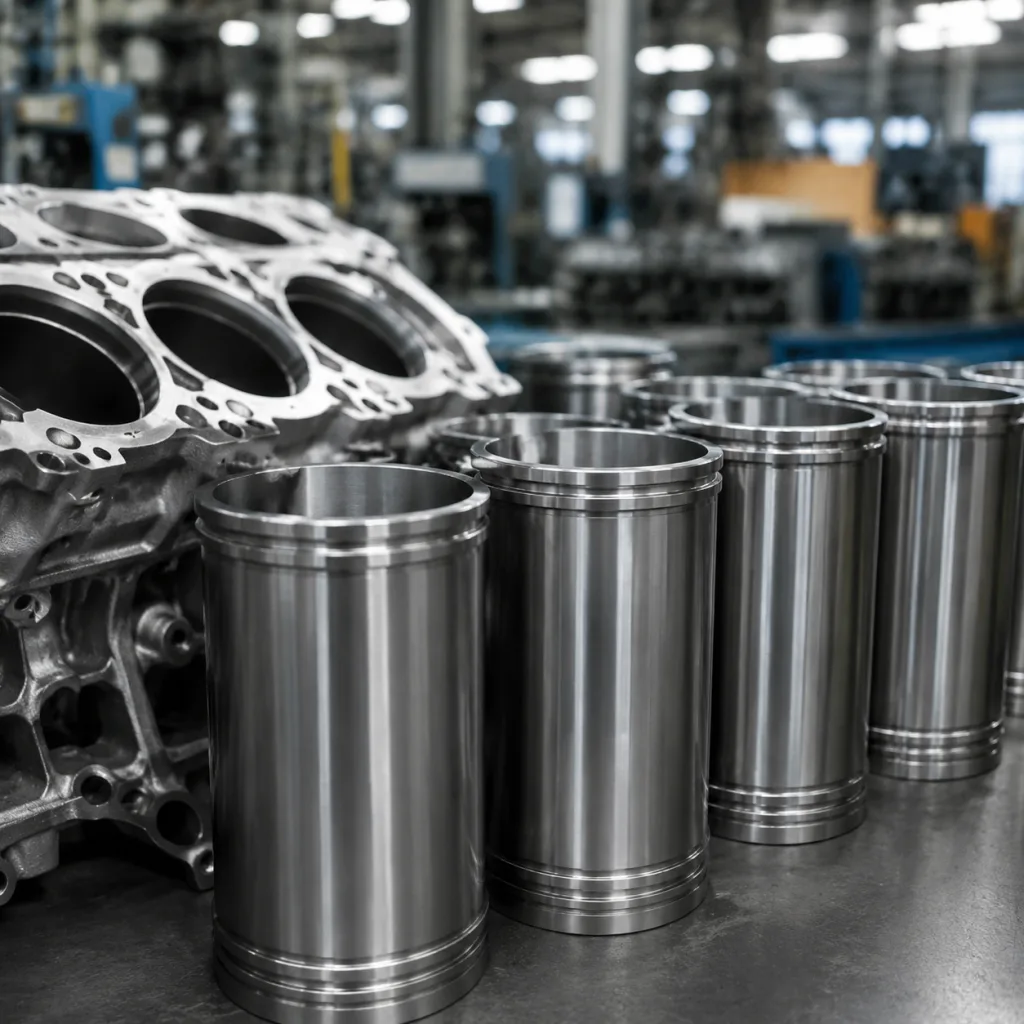
| Cylinder bore diameter, roundness, taper and straightness | Affects piston-to-wall clearance, oil consumption, ring sealing and wear | Bore gauge, air gauge, CMM sampling |
| Deck flatness and surface finish | Influences head-gasket sealing, clamp load retention and rework risk | Granite plate, profilometer, CMM check |
| Main bearing bore diameter and alignment | Determines crankshaft rotation stability, bearing crush and bearing life | Line bore gauge, fixture inspection, CMM correlation |
| Cam bore or lifter bore location where applicable | Affects valvetrain geometry and assembly accuracy | CMM, dedicated fixture, bore gauge |
| Core shift and wall thickness | Changes coolant passage geometry, local strength and machinability margin | Section validation, casting inspection, ultrasonic or wall-thickness study where used |
| Casting porosity and leak tightness | Can cause coolant or oil leakage and reduce structural life | Air-under-water pressure test, dry decay test, impregnation review where applicable, metallographic review |
| Thread quality and insert retention | Prevents assembly damage, torque loss and field strip-out | GO/NO-GO gauge, torque audit, thread plug check |
| Oil gallery and coolant passage cleanliness | Reduces contamination risk during assembly and early engine failure | Final wash validation, residual contamination audit, borescope or visual inspection |
| Rear seal bore, bellhousing faces and datum relationships | Protects sealing and transmission alignment | CMM, fixture check, datum study |
| Sourcing factor | Trader-only source | Integrated manufacturer |
|---|---|---|
| Process visibility | Limited visibility into foundry and machining controls | Direct access to process records and production planning |
| Dimensional issue response | Slower, dependent on sub-supplier feedback | Faster root-cause access at factory level |
| Tooling change management | Often indirect and less transparent | Managed with clearer ownership and revision control |
| Batch traceability | Varies by sub-supplier chain | Typically stronger and easier to audit |
| Packaging control | May rely on third-party consolidation | Better alignment between production, preservation and packing |
| Cost structure | Lower quoted detail, harder to separate risk cost | Clearer view of tooling, process and repeat-order economics |
| Auditability | Limited | Better suited to on-site or remote audits |