Engine Mount Acura Supplier: B2B Sourcing Guide
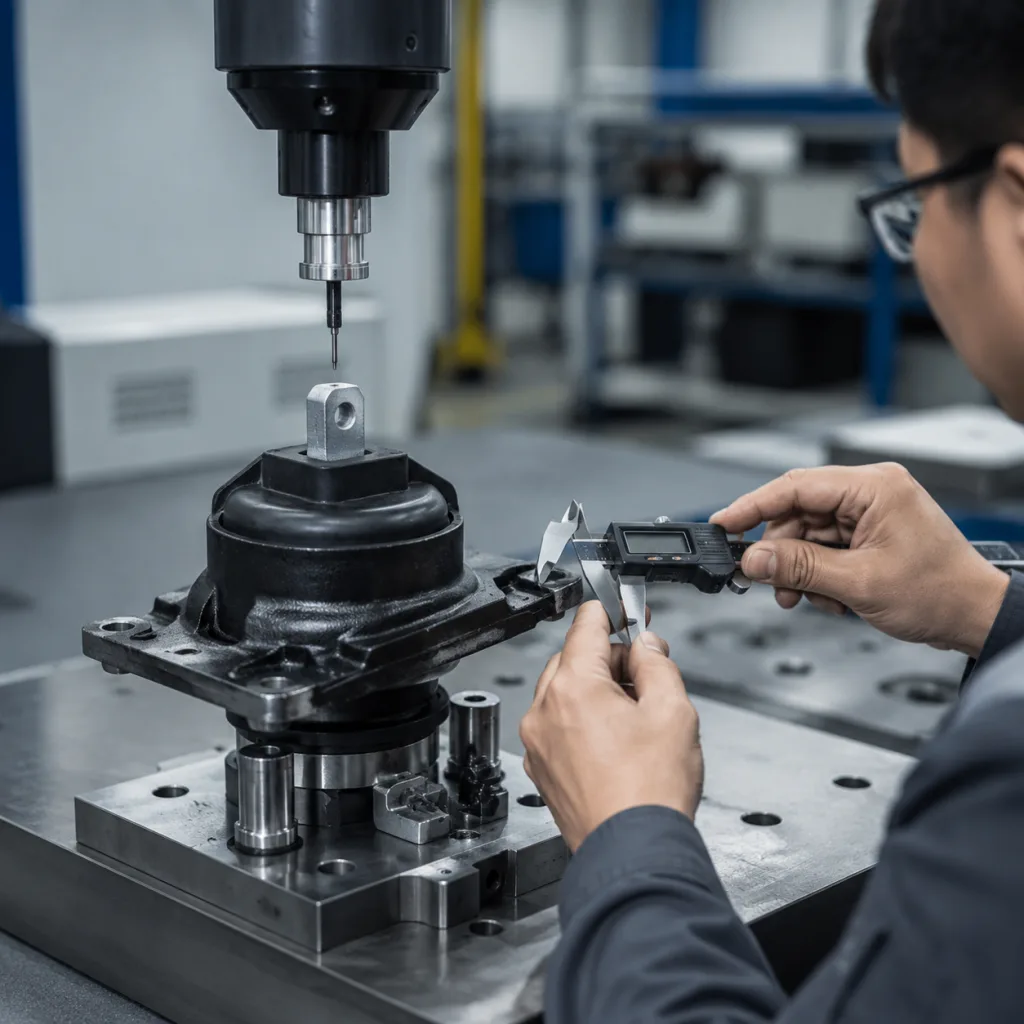
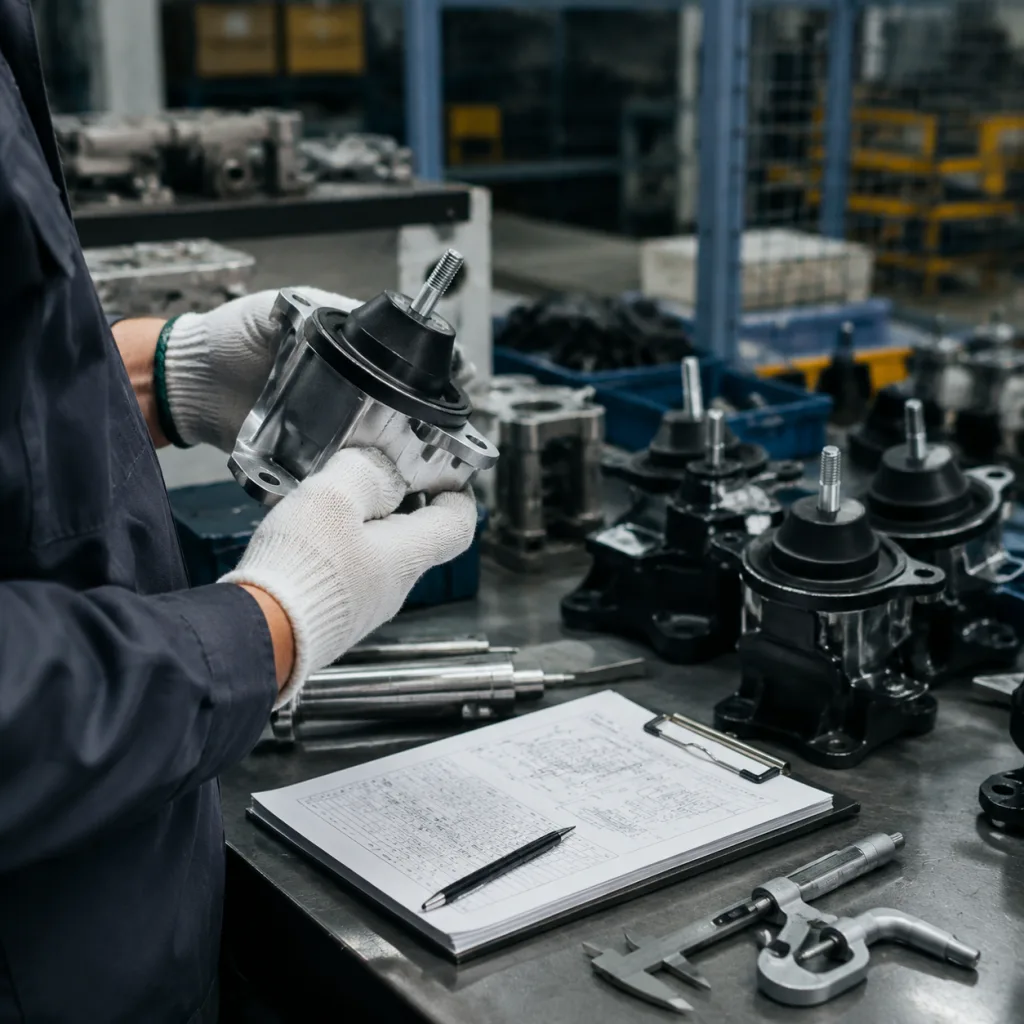
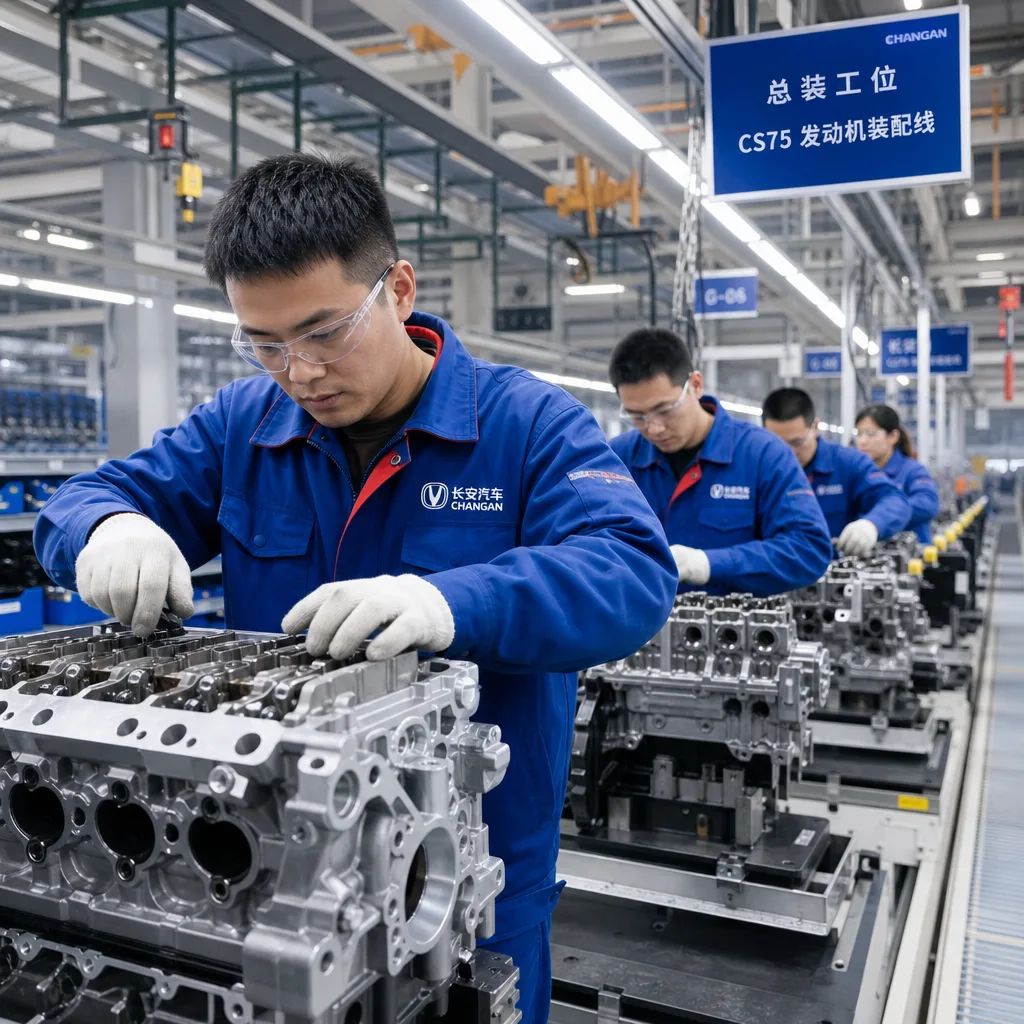
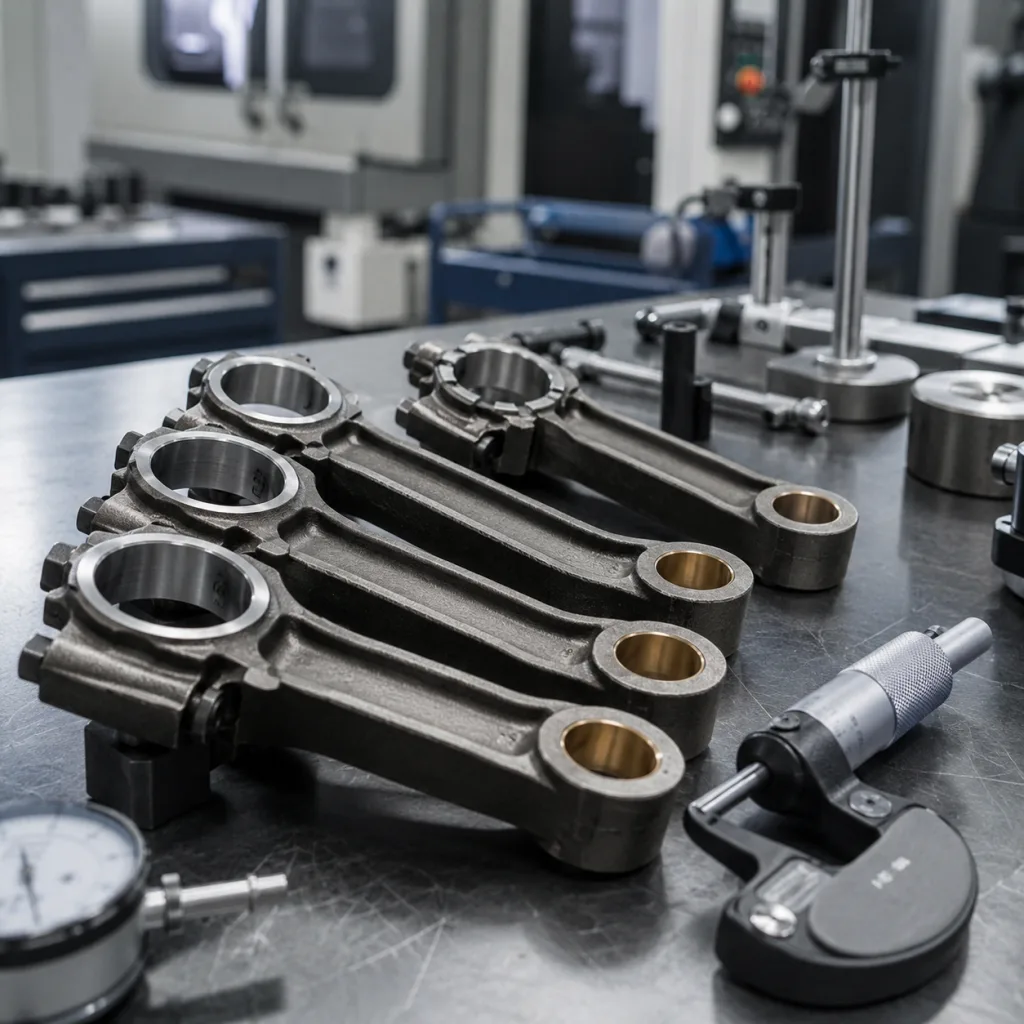
If you are sourcing an engine mount Acura supplier for aftermarket distribution, repair chains, or programme-based supply, the real job is not finding a catalog match. It is proving fit, stiffness, durability, and delivery stability before the part reaches your channel. Engine mounts must match bracket geometry, bolt pattern, engine-code interface, and the target durometer for the application; even small deviations can trigger vibration complaints, drivetrain movement, or installation delays. Driventus is an independent aftermarket manufacturer; brand names are used for fitment reference only. We produce engine and powertrain components in Taizhou, Zhejiang, with IATF 16949:2016 and ISO 9001:2015 systems in place. For procurement teams, the working checklist is simple: confirm OE reference coverage, define annual volumes, validate samples, and align packaging and labelling before release. If you also source adjacent parts, see [our catalog](/products.html) and [engine components](/products/engine-components.html).
How to judge fit before you quote
For B2B sourcing, an Acura engine mount should be treated as a controlled assembly, not a generic rubber part. Start by confirming:
- OE cross-reference coverage for the target application
- Engine code, chassis code, and transmission variant matched to the mount
- Bracket and bushing dimensions against the sample or drawing, including hole spacing, boss height, and installed offset
- Rubber compound or hydraulic fluid specification, where applicable, plus hardness target and ageing requirement
- Torque path, stud length, and installation fit on the engine-bay side and body-side interfaces
- Packaging, barcode, and batch traceability requirements
If the platform carries more than one engine code, ask for application-level confirmation instead of relying on a model-only match. A supplier should provide dimensional data, material declaration, sample photos, and first-article approval before mass production. For broader sourcing context, our quality system explains how incoming material control, process checks, and final inspection are handled.
Spec checks that decide the outcome
Engine mounts are sensitive to geometry and stiffness, so procurement teams should compare the following values before ordering:
| Item | Typical buyer check | Why it matters |
|---|---|---|
| Bolt hole spacing | ±0.3 mm on critical holes; ±0.5 mm maximum on non-critical features | Prevents installation mismatch |
| Hole diameter | Match drawing tolerance, usually H11/H12 range for non-press features | Controls assembly ease and clamp security |
| Bracket thickness | Match OE drawing within ±0.2 mm where clamp load is sensitive | Maintains alignment and prevents preload loss |
| Rubber hardness | Application-specific durometer, commonly 55–70 Shore A for rubber/metal mounts | Controls vibration isolation and engine movement |
| Dynamic deflection | Validate against OE-style load path at idle and bump/rev conditions | Reduces cabin vibration complaints |
| Metal finish | E-coat, paint, or plated finish with target salt-spray performance | Corrosion resistance and shelf life |
| Fluid fill volume | Match supplier control limit within defined process window for hydraulic mounts | Prevents drift in ride feel and leakage |