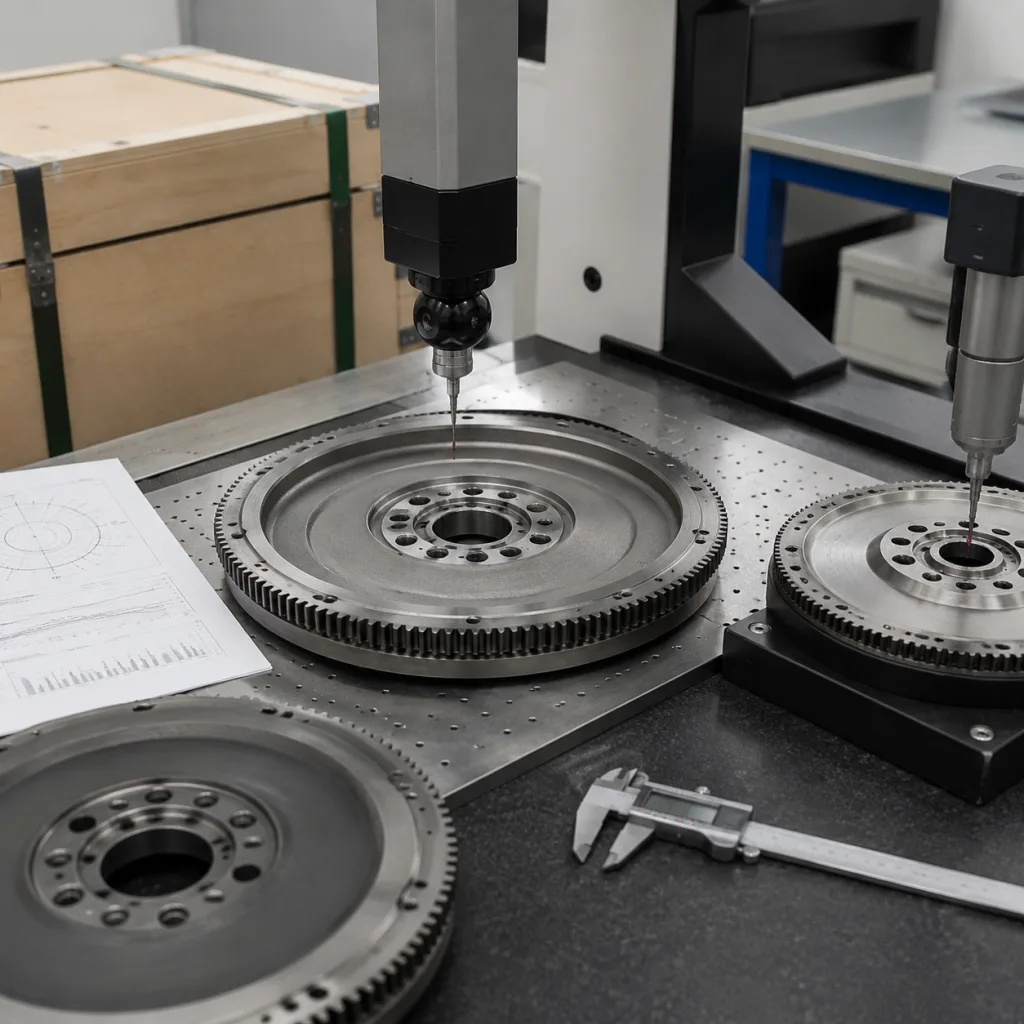
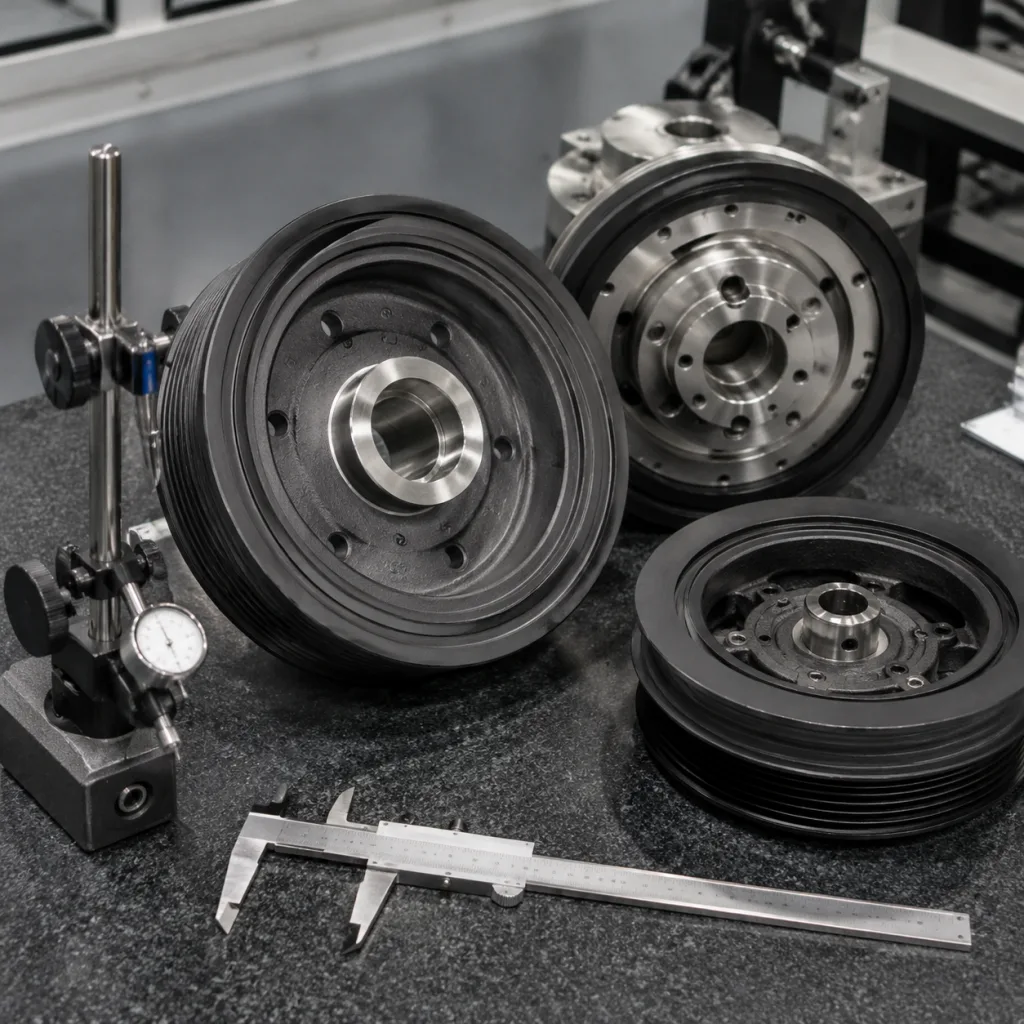
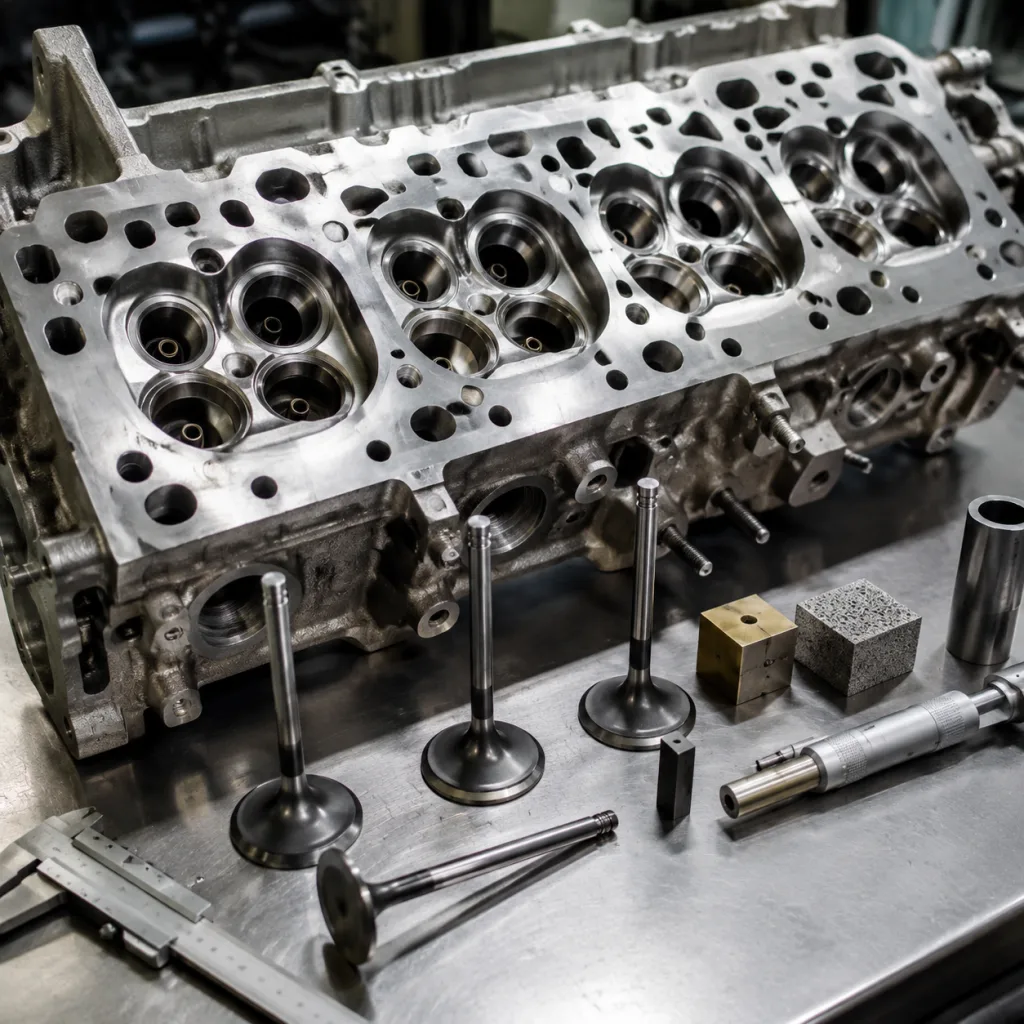
Engine Bearing Opel Manufacturer China Sourcing Guide
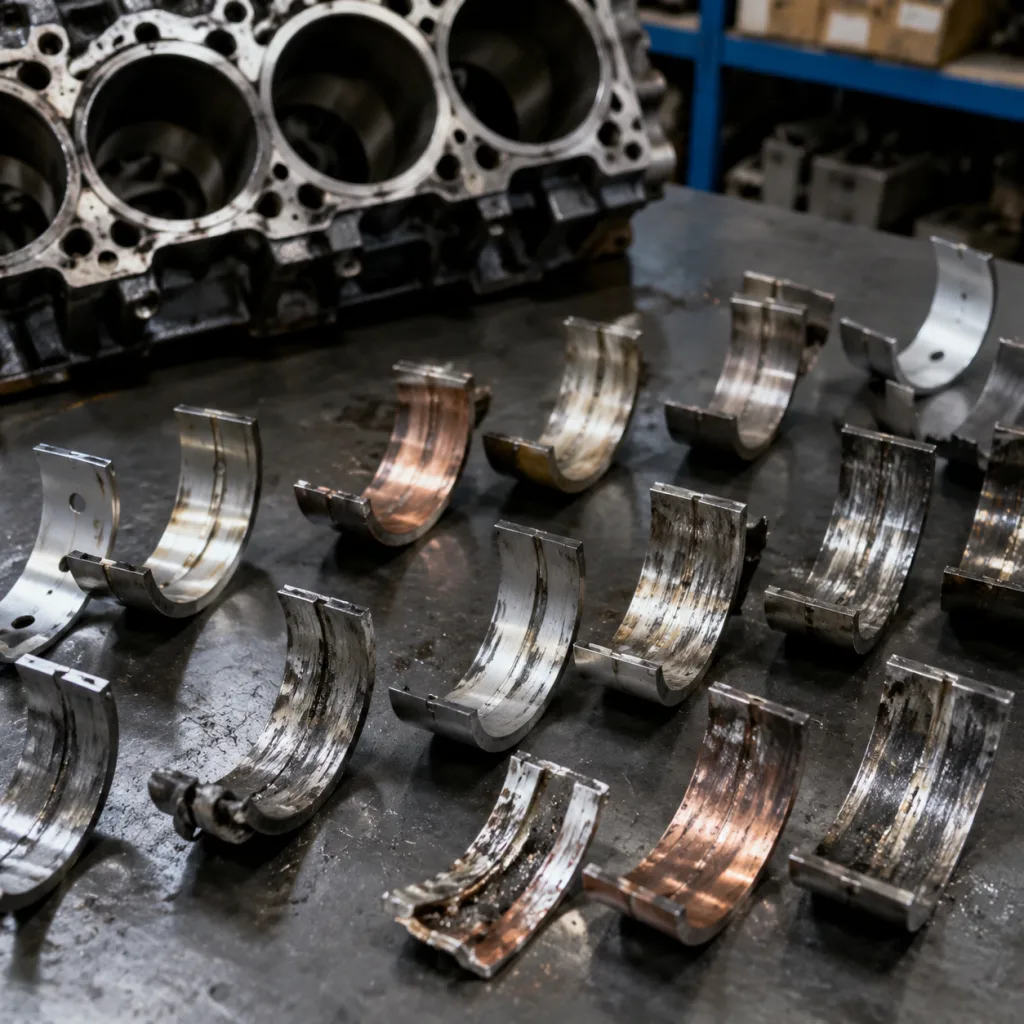
Finding an engine bearing Opel manufacturer China buyers can rely on is less about a long application list and more about repeatable control. A bearing shell can look acceptable and still fail on wall thickness, crush height, oil-hole alignment, coating build, lug position, or packaging traceability. That is where sourcing decisions usually go wrong: the buyer compares part numbers and unit price before confirming the process behind them.
Driventus manufactures engine and powertrain components in Taizhou, Zhejiang, and exports to more than 60 countries. For Opel-related bearing programmes, we support drawing review, OE-style cross-reference mapping from customer data, material checks, in-process SPC, final inspection, lot traceability, and export packaging. A useful RFQ should define bearing type, nominal and undersize dimensions, alloy or layer structure, coating target, annual volume, packaging format, label data, and required records before price negotiation begins. Driventus is an independent aftermarket manufacturer; Opel and other vehicle brand names are used only to identify fitment.
Start With the Buying Decision, Not the Part Number
The first question is not “Can you quote this reference?” It is “What kind of supply programme are we building?” Aftermarket distribution, repair-chain replenishment, private-label packing, and OEM/Tier-1 validation all require different evidence, different packaging controls, and different approval timing.
Use this decision frame before sending the RFQ:
| Buying Scenario | What to Lock First | What Usually Fails Later If Ignored | |
|---|---|---|---|
| Aftermarket distributor | Cross-reference list, size range, set content, carton quantity | Mixed standard and undersize stock, wrong kit composition, slow claims handling | |
| Repair-chain replenishment | Fast label recognition, barcode fields, lot code, stable reorder MOQ | Warehouse picking errors and branch-level returns | |
| Private-label importer | Artwork, unit box format, pallet label, carton strength, label approval flow | Repacking cost, delayed shipment, poor shelf presentation | |
| Drawing-based programme | Controlled drawing, tolerance stack, inspection method, sample approval rule | Rejected samples after tooling, unclear acceptance criteria | |
| OEM or Tier-1 validation | PPAP level, control plan, PFMEA, capability targets, change-control rules | First sample passes but production cannot be approved |
| Item | Typical Control Point | Practical Target for RFQ Review | Procurement Relevance |
|---|---|---|---|
| Steel backing | Strip thickness and bonding surface | Batch certificate plus incoming thickness check | Supports fatigue resistance and shell stability |
| Intermediate layer | Alloy composition and bond integrity | Spectrometer or certificate verification by material lot | Affects load capacity and seizure margin |
| Overlay or coating | Thickness and uniformity | Buyer-defined target, commonly reviewed in microns | Influences embedability and running-in behaviour |
| Shell forming | Radius, free spread, and crush height | Drawing tolerance or approved master-sample window | Determines seating in the housing bore |
| Locating lug | Position and profile | Position checked from shell edge datum | Supports assembly orientation and fitment control |
| Oil features | Groove, chamfer, and oil-hole position | Hole alignment, burr control, and groove continuity | Helps maintain lubrication path consistency |
| Final inspection | Wall thickness, width, marking, and set content | Lot record linked to carton and part number | Reduces returns from mixed or incorrect references |
| Requirement | Standard Catalogue Item | Custom or Private-Label Programme | |
|---|---|---|---|
| RFQ response | 2–5 working days after complete data | 5–10 working days after drawing review | |
| Sample lead time | Commonly 2–4 weeks if tooling exists | Commonly 4–8 weeks depending on tooling and material | |
| MOQ basis | By part number, set quantity, or carton multiple | By production run, coating batch, and packaging type | |
| Price logic | Lower risk when tooling and materials are existing | Affected by tooling, alloy, coating, inspection, artwork, and order split | |
| Documentation | Inspection report and packing list | Control plan, drawing review, PPAP support if agreed | |
| Packing | Neutral box, bulk carton, or kit | Branded box, barcode, pallet label, mixed set | |
| Reorder planning | Stock item or scheduled replenishment | Forecast-based material reservation recommended |
| Evaluation Area | What to Request | Practical Pass/Fail Signal | Why It Matters |
|---|---|---|---|
| Certification | IATF 16949:2016 and ISO 9001:2015 certificates | Certificate scope covers automotive production, not only trading | Confirms documented automotive quality management scope |
| Process control | Control plan and sample inspection records | Records show actual measured values and gauge IDs | Shows repeatability beyond catalogue claims |
| Application data | Cross-reference table and fitment notes | Standard and undersize variants are separated clearly | Reduces mis-picks and warranty disputes |
| Material control | Alloy certificate and restricted substance review | Material lot is linked to production lot | Supports import compliance and customer audits |
| Capacity | Monthly output by bearing family | Capacity is stated by family, not only total factory volume | Helps plan replenishment and launch orders |
| Packaging | Label sample, carton photo, and pallet plan | Labels include part number, size, quantity, lot, and barcode if required | Prevents receiving errors and mixed stock |
| After-sales support | 8D response process and retention samples | Supplier can contain, sort, replace, and report root cause | Speeds containment if a batch issue occurs |