Sourcing engine bearings for Iveco applications comes down to more than finding a matching catalogue number. Buyers need shells that fit the crankshaft journal and housing bore correctly, hold stable metallurgy across repeat batches, and arrive with documents that support incoming inspection and resale. Critical checks include wall thickness, crush height, free spread, overlay condition, oil-hole alignment, size marking, packaging, and lot traceability. Driventus manufactures engine and powertrain components in Taizhou, Zhejiang, and supplies B2B customers in more than 60 countries, including aftermarket distributors, repair-chain sourcing teams, and OEM or Tier-1 purchasing groups. This guide explains how to evaluate an engine bearing Iveco supplier for technical capability, quality controls, MOQ planning, lead time, and audit readiness. Driventus is an independent aftermarket manufacturer; brand names are referenced for fitment only.
Sourcing Priorities for Iveco Engine Bearing Programs
Procurement teams usually buy Iveco main bearings, connecting rod bearings, camshaft bearings, thrust washers, or complete bearing kits for diesel engine repair programs. A strong sourcing brief should move from application mapping to measurable inspection points, so both the buyer and factory are working from the same technical baseline.
A practical sourcing file should include:
Engine family, engine code where available, and displacement range
Bearing position: main, connecting rod, camshaft, or thrust
Standard size and undersize options, such as STD, 0.25 mm, 0.50 mm, and 0.75 mm where applicable
Required documents: inspection report, material declaration, packing list, certificate of origin, and traceability label
Buyers can review adjacent engine component ranges through our catalog and the engine parts category at /products/engine-components.html. When choosing an engine bearing Iveco supplier, the first capability check is not whether one sample looks acceptable; it is whether the factory can hold geometry, surface condition, and marking accuracy across production batches.
Technical Specification Points to Confirm
Engine bearings are compact parts with very narrow functional margins. A shell may appear correct visually but still create field risk if crush, eccentricity, wall thickness, or oil clearance does not match the housing bore, crankshaft journal condition, and intended repair size.
Specification item
Procurement check
Why it matters
Wall thickness variation
Confirm batch inspection method and tolerance band
Controls oil clearance after assembly
Crush height
Verify with fixture-based measurement
Maintains bearing retention in the housing bore
Free spread
Check against sample approval record
Supports assembly fit and seating pressure
Overlay condition
Review thickness and surface finish checks
Affects embeddability and initial running surface
Locating lug position
Compare with fitment drawing or approved sample
Prevents incorrect shell seating
Oil groove and hole alignment
Inspect against application layout
Maintains oil flow to journals
Size marking
Confirm STD and undersize marking rules
Reduces warehouse and workshop picking errors
</tr></thead><tbody> </tbody></table>For aftermarket Iveco applications, cross-reference data should be treated as a starting point rather than final approval. Buyers may provide generic OE-style references in the sourcing brief, for example OE 06A… or OE 11251… formats, but fitment should still be confirmed by drawings, buyer samples, engine code mapping, and dimensional inspection. Driventus does not claim approval or endorsement by any vehicle manufacturer.
Quality System, Testing, and Documentation
For export supply, quality expectations should be documented before sampling and quotation are finalized. Driventus operates under IATF 16949:2016 and ISO 9001:2015 management systems, and buyers can review the quality system as part of supplier qualification.
For bearing programs, common quality controls include:
Incoming verification of steel strip, alloy material, and surface condition
Process checks for forming, machining, boring, grooving, and surface treatment
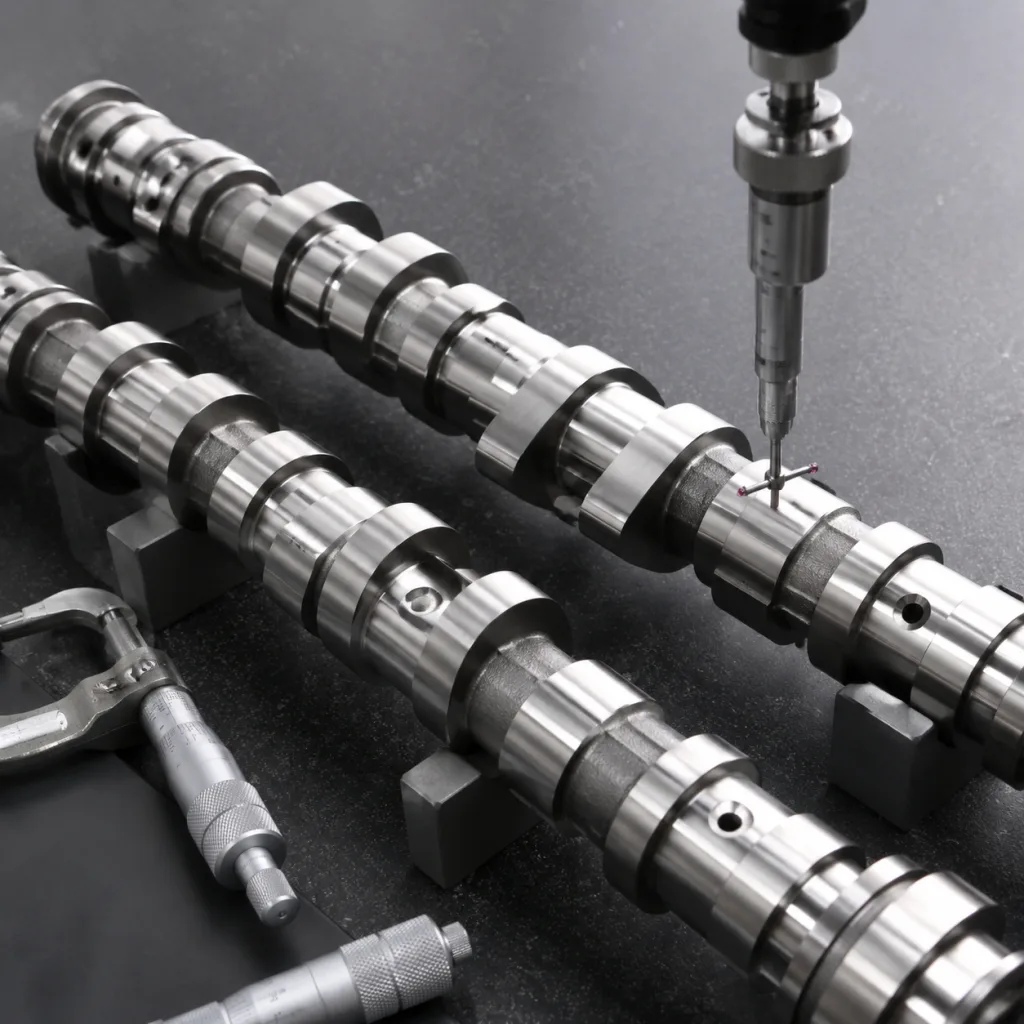
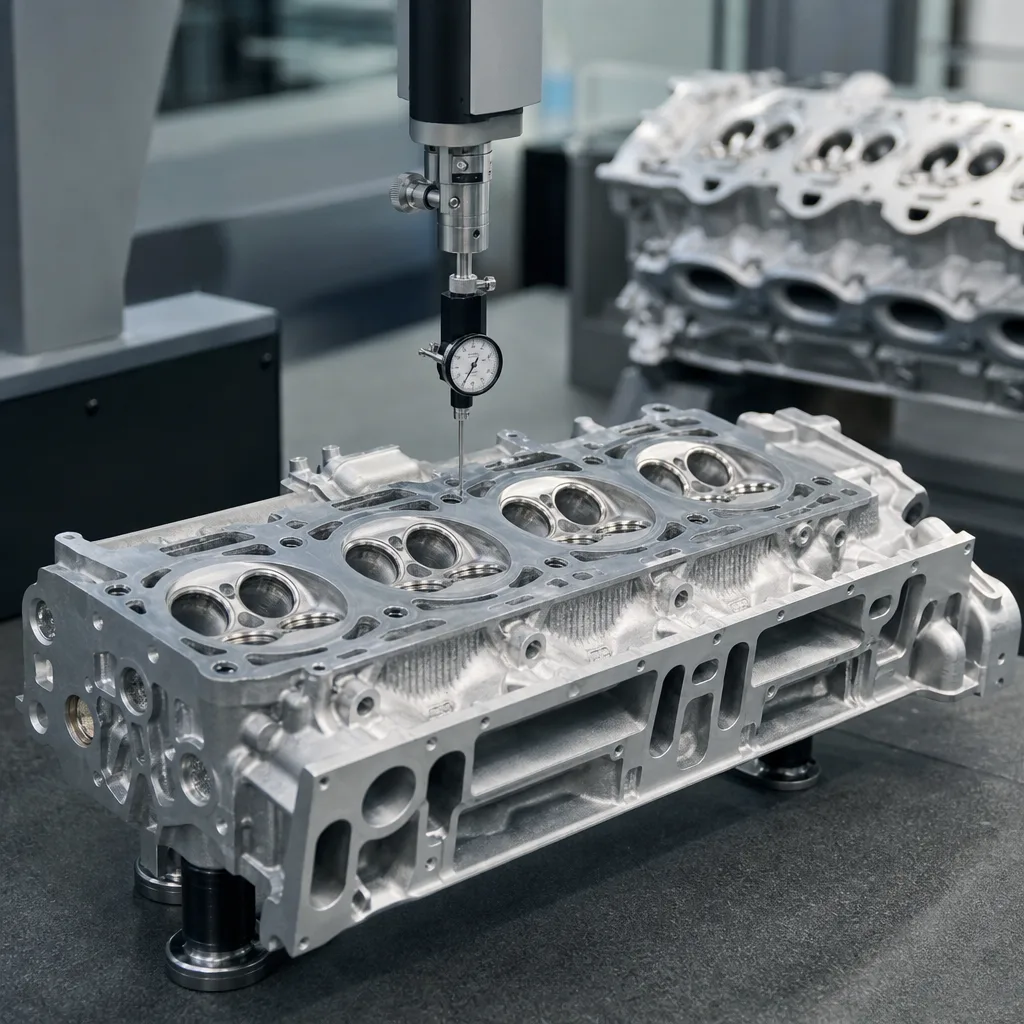
Dimensional inspection using micrometers, bore gauges, profile fixtures, and coordinate measuring equipment where applicable
Surface roughness checks on running surfaces
Coating or overlay thickness checks, depending on material design
Visual inspection for scoring, burrs, delamination, edge defects, contamination, and mixed sizes
Batch traceability from production lot to inner box, export carton, and packing list
Where buyer programs require advanced approval, Driventus can support documentation aligned with common automotive sourcing practice, such as process flow charts, control plans, inspection reports, and sample submission packs. Formal PPAP scope should be agreed before quotation because the required submission level, sample quantity, validation content, and record format can affect both cost and lead time.
Environmental and market compliance requirements should also be defined early. For EU-bound orders, buyers may request material declarations relevant to REACH (EC) No 1907/2006. If packaging, labelling, customs wording, or importer-specific marks are required, these details should be included in the purchase specification rather than added after production.
MOQ, Lead Time, and Commercial Planning
A qualified engine bearing Iveco supplier should provide clear commercial parameters before sampling begins. Engine bearing demand is often split by engine family, bearing position, and repair size, so MOQ planning affects landed cost, warehouse coverage, and service availability.
Typical sourcing variables include:
MOQ by part number, size grade, and packaging format
Tooling or fixture cost for new references
Sample lead time for existing references versus new development
Mass-production lead time after sample approval
Carton quantity, pallet configuration, and gross weight
Incoterms, usually EXW, FOB Ningbo or Shanghai, or CIF by agreement
Labelling rules for neutral, distributor, or private-label cartons
For existing references, sample preparation is generally faster because production tooling and inspection fixtures may already be available. New references normally require drawing review, sample reverse engineering where permitted, prototype production, dimensional confirmation, and approval of marking and packaging details.
Importers should also plan stock depth by sales channel. Distributors may prefer mixed-size kits to simplify warehouse handling and improve repair coverage. Repair chains may prioritize reliable availability of STD and common undersize bearings over a very broad slow-moving range. Driventus can quote standard aftermarket packaging as well as buyer-specified private-label formats after the technical and artwork requirements are confirmed.
Factory Audit and Supplier Qualification Checklist
A supplier audit should confirm that the manufacturer can repeat the approved sample condition under normal production conditions. Desk review is useful, but bearing programs benefit from evidence of process control, inspection discipline, calibrated measurement, and traceability from production to shipment.
Use this checklist during qualification:
Confirm business licence, export experience, and product liability documentation where required
Review IATF 16949:2016 and ISO 9001:2015 certificate scope and validity
Check whether inspection equipment is calibrated and records are retained
Ask for the control plan covering wall thickness, crush height, free spread, surface condition, and size marking
Review non-conforming material handling and corrective action records
Verify batch coding on parts, inner boxes, cartons, and packing lists
Confirm packaging protection against corrosion, part mixing, and transit damage
Evaluate communication response time for engineering questions, order updates, and claim handling
Buyers sourcing for branded distribution should also review confidentiality, label approval, and artwork control. For custom kits, a packaging error can create a field return even when the bearing shell itself is correct. Driventus supports custom manufacturing for buyer-specific references, kit structures, and packaging requirements, subject to technical review.
How Driventus Supports Iveco Bearing Buyers
Driventus supplies engine bearings and related engine components to aftermarket distributors, wholesalers, repair groups, and industrial buyers. The sourcing process is built around technical confirmation rather than assumptions from vehicle model names alone, which is especially important when multiple engine variants and repair sizes are involved.
A typical project flow is:
1. Buyer sends an application list, sample, drawing, or OE-style reference where available. 2. Driventus checks fitment, material structure, size grade, and production feasibility. 3. Quotation defines MOQ, sample timing, production lead time, packaging, and document scope. 4. Samples are produced or selected from existing stock for dimensional approval. 5. Production begins after written sample approval and purchase order confirmation. 6. Final inspection records and export documents are prepared before shipment.
This process helps reduce the main risks in bearing procurement: wrong application, unstable clearance, poor surface finish, mixed size grades, packaging errors, and unclear claim responsibility. For buyers comparing suppliers, the decision should be based on documented capability, communication quality, and repeat-order reliability, not only unit price.
Driventus is an independent aftermarket manufacturer; brand names are referenced for fitment only.
Frequently asked questions
Send the engine application, bearing type, size grade, quantity, packaging requirement, and any drawing, sample, or OE-style reference available. Photos of the old bearing and markings can help, but dimensional confirmation is still required before production.
Yes. Driventus can support neutral packaging, distributor labels, and buyer-specified kit structures after artwork and carton requirements are confirmed. MOQ depends on the part number range, packaging format, and whether references are existing or newly developed.
No. Driventus does not claim approval or endorsement by any vehicle manufacturer. Driventus is an independent aftermarket manufacturer; brand names are referenced for fitment only.
If you are evaluating an engine bearing Iveco supplier for repeat export supply, share your application list, MOQ target, and documentation requirements. You can [request a quote](/contact.html) or contact the sourcing team at /contact.html