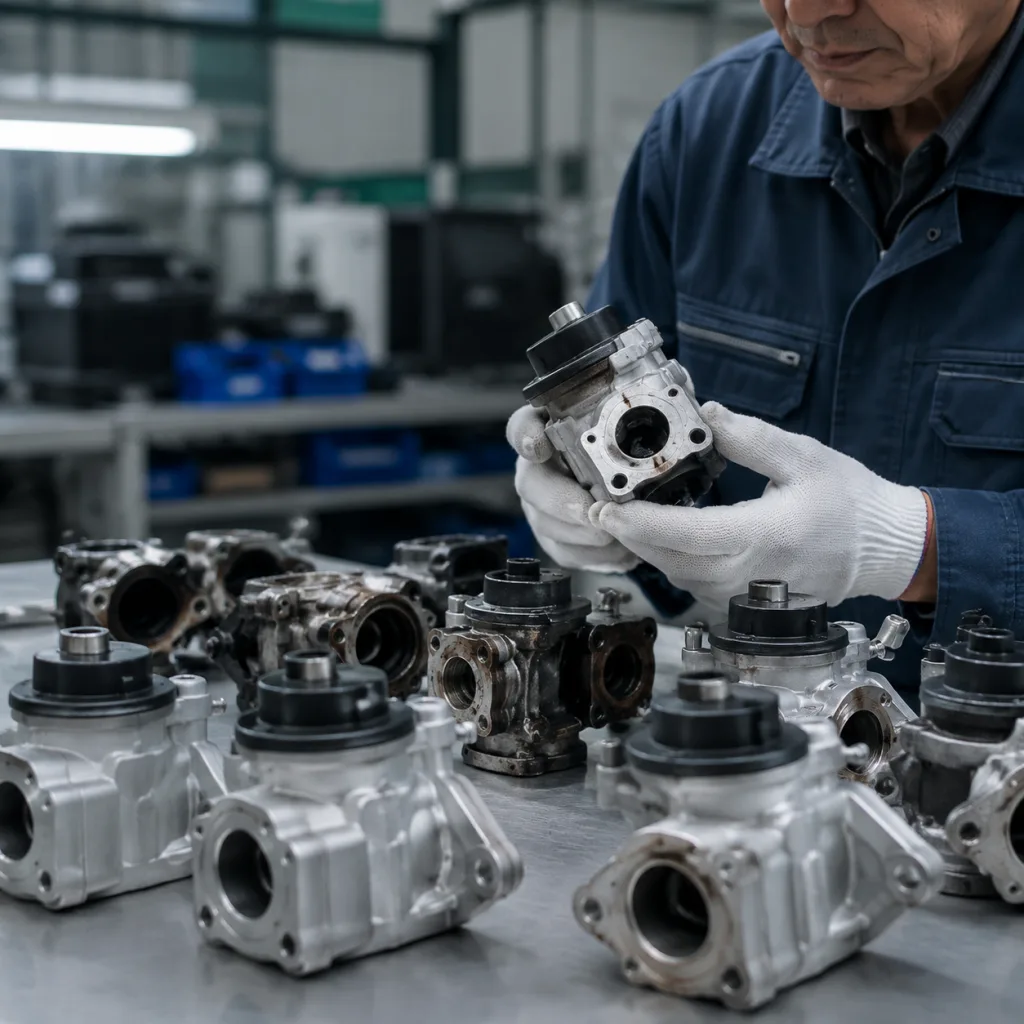
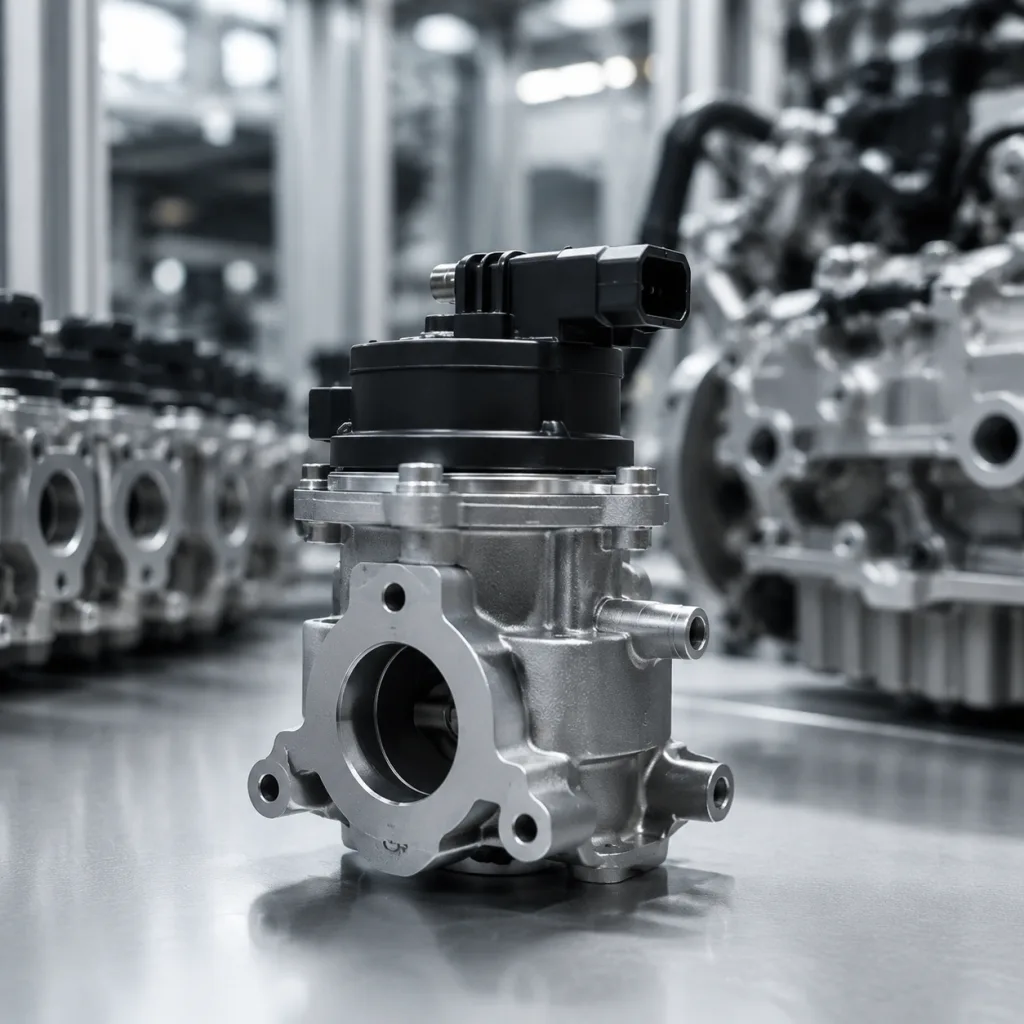
Procurement teams looking for an EGR valve Toyota OEM supplier need more than a part that resembles the original unit. The component must match critical dimensions, deliver repeatable flow performance, use traceable materials, and come from a factory that can support audits, volume planning, and issue resolution. Driventus supplies Toyota-fit EGR valves for aftermarket and OEM-aligned sourcing programmes from our manufacturing base in Taizhou, China, with production controls supported by IATF 16949:2016 and ISO 9001:2015 quality-management systems. We work with distributors, wholesalers, repair networks, and Tier-1 buyers that need consistent supply, technical documentation, and export-ready packaging. Driventus is an independent aftermarket manufacturer; Toyota and other vehicle brand names are referenced only to identify fitment. This guide explains what to check before issuing a purchase order, how to compare technical offers, and which documents to request when qualifying a Toyota application. For long-term sourcing, the strongest decision criteria are fitment accuracy, validation evidence, production capability, and supply continuity—not unit price alone.
What buyers should verify in a Toyota EGR valve supply offer
A technically acceptable offer should demonstrate that the supplier understands the application, the installation interfaces, and the operating requirements of the valve. For procurement teams, the review should cover fitment, function, documentation, and commercial continuity.
At minimum, request the following information:
OE cross-reference, when available, such as OE 25620-0R010, or the buyer’s own equivalent fitment reference
Vehicle application data, including engine family, model year range, and destination market where relevant
Connector type, pin count, mounting points, bolt pattern, and port geometry
Valve type: electric EGR valve, vacuum-operated assembly, or EGR valve with cooler integration where applicable
Body material, seat material, shaft or spindle specification, and gasket type
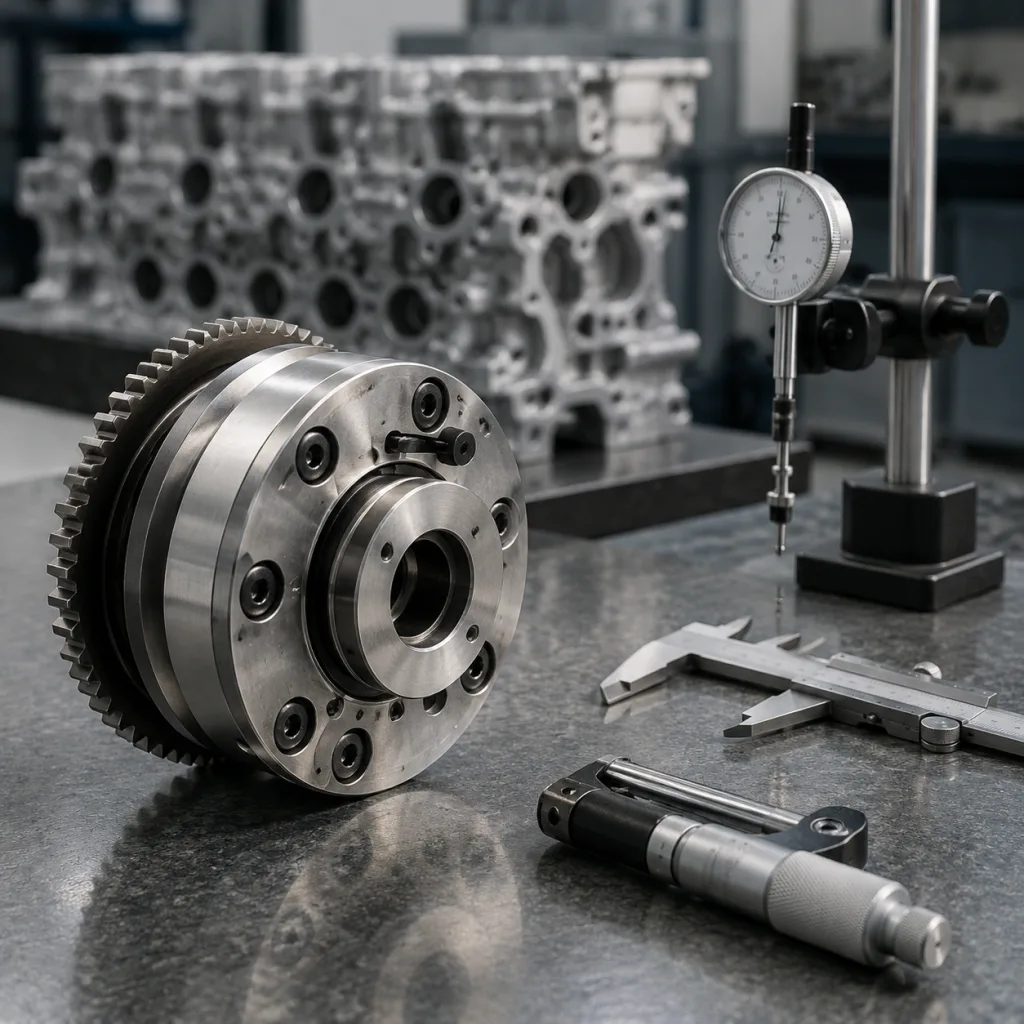
Dimensional tolerance targets for mounting faces, ports, and other critical interfaces
Validation data for closed-position leakage, response time, flow behaviour, and cycle durability
Packaging specification, carton quantity, barcode format, and label traceability
Country-of-origin declaration, HS code confirmation, and export documentation requirements
For Toyota-fit programmes, the risk is not limited to whether the part can be bolted into position. A small deviation in mounting face flatness, spindle travel, port alignment, or connector indexing can create installation delays, diagnostic errors, exhaust leakage, or warranty claims. A capable supplier should therefore provide sample inspection records, control plans, and clear change-control procedures before mass shipment begins.
Buyers should also confirm whether the quoted part is intended for direct replacement in a defined application or for a broader aftermarket range. The broader the coverage claim, the more important it becomes to review cross-reference logic, sample fitment evidence, and the supplier’s method for handling superseded OE numbers.
Technical characteristics procurement teams compare
EGR valves are emissions-related engine components, so procurement decisions should be based on measurable characteristics rather than catalogue appearance alone. The table below highlights the main points buyers normally compare during supplier qualification.
Item
Typical procurement check
Why it matters
Mounting interface
Bolt pattern, face flatness, port alignment, gasket surface
Prevents installation issues and exhaust leakage
Actuation type
Stepper motor, solenoid, DC motor, or vacuum control
Must match ECU strategy, vacuum routing, and calibration
Batch code, date code, inspection records, packing record
Supports claims handling, containment, and recall control
</tr></thead><tbody> </tbody></table>For buyers supplying mixed markets such as the EU, UK, US, Canada, Australia, and Brazil, the same part family may require different carton markings, barcode formats, label languages, or compliance statements. These details should be confirmed before the first production run, not after finished goods are packed.
It is also useful to compare how each supplier defines pass/fail criteria. Two offers can list similar tests, but one may use tighter leakage limits, more detailed dimensional inspection, or more consistent end-of-line testing. When evaluating an egr valve toyota oem supplier, ask for the test method as well as the result.
How Driventus supports sourcing programmes
Driventus manufactures engine and powertrain components in Taizhou, Zhejiang, and exports to more than 60 countries. For Toyota-fit EGR valve programmes, our support model is designed for B2B sourcing teams that need repeatable quality, clear communication, and predictable replenishment rather than one-off retail fulfilment.
Commercial support points
MOQ planning aligned to distributor, wholesaler, or programme demand
Sample submission before tooling release, order finalisation, or range launch
Lead-time planning based on production capacity, material availability, and packing requirements
Batch traceability covering incoming materials, machining, assembly, final inspection, and shipment
Export packing suitable for palletised shipment, warehouse receiving, and onward distribution
Support for private-label or customer-specific packaging where the programme scope allows
Our team can support buyer audits with process documentation, inspection records, and quality-system evidence. Typical discussions include incoming quality control, in-process inspection, end-of-line testing, nonconforming material handling, and corrective action procedures. This helps procurement teams assess whether the factory can maintain consistency over multiple purchase orders rather than only produce an acceptable approval sample.
Review our quality system for the standards and controls we maintain across production. For broader engine and powertrain purchasing, see our catalog and engine components.
Validation, compliance, and documentation
A Toyota-fit EGR valve should be validated as an engineered component, not treated as a generic commodity item. Buyers should request evidence that covers both product performance and process control, especially when the part is intended for distributor stock, repair-network replenishment, or a long-term aftermarket programme.
Published standards and regulatory references commonly relevant to sourcing include:
IATF 16949:2016 for automotive quality management in the supply chain
ISO 9001:2015 for quality management systems
REACH (EC) No 1907/2006 for substance compliance in the EU supply chain
ECE R-83 where an emissions-related application requires regulatory alignment
SAE J2527 for environmental durability test methodology when specified by the buyer
Requested documents should include dimensional inspection reports, material declarations, sample validation data, and PPAP-style submission where required by the customer. Common validation topics include temperature cycling, vibration resistance, closed-position leakage, actuator response, connector sealing, and cycle durability. For applications involving electronics, buyers may also ask for electrical resistance data, pin-out confirmation, and end-of-line test records.
Compliance requirements vary by destination market and customer policy, so the purchase specification should state what is mandatory. If your programme needs custom brackets, housings, connectors, or packaging changes, see our custom manufacturing capability and share the target OE reference, annual demand, and validation expectations at the start of the review.
Supply chain factors that affect purchase orders
Supplier performance is often determined by logistics discipline and repeatability, not only by part accuracy. Even a well-designed EGR valve can create problems if samples, production lots, cartons, and documents are not managed consistently. Before awarding business, confirm the following:
1. Minimum order quantity and whether mixed references can be consolidated 2. Standard lead time for samples, pilot orders, and production lots 3. Monthly capacity, peak-season constraints, and planned maintenance windows 4. Packing quantity per carton, pallet configuration, and carton strength 5. Incoterms supported for export shipments and the usual departure port 6. Spare capacity for urgent replenishment, range extension, or forecast changes 7. Requirements for private-label packaging, neutral packaging, or customer barcode systems 8. Process for handling engineering changes, superseded references, and quality claims
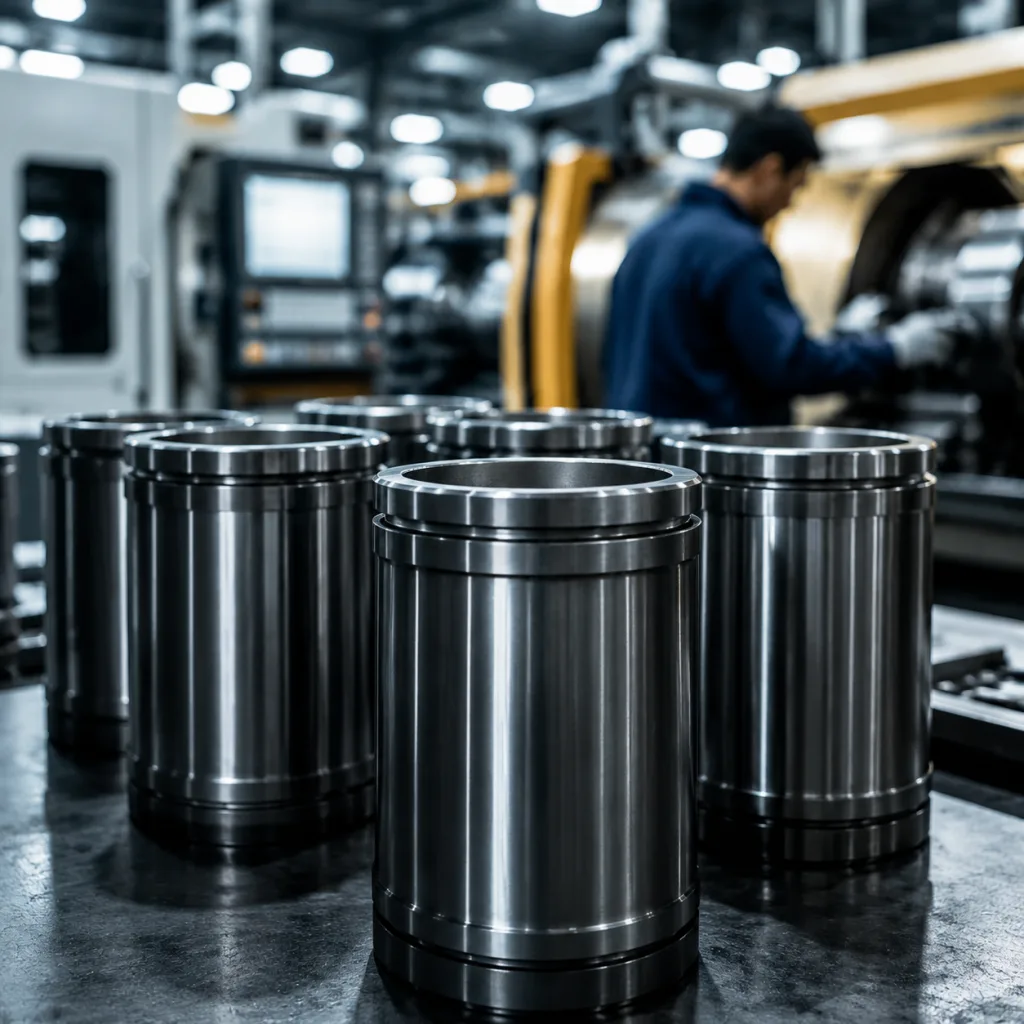
A supplier should be able to explain how steel, aluminium, seals, gaskets, actuators, and electronics are controlled from inbound receiving through final testing. This matters when buyers need to avoid line stops, back orders, or repeated stock-outs across a wide application range.
For ongoing programmes, forecast sharing usually improves delivery stability. A rolling demand plan helps the factory reserve materials, schedule assembly, and reduce the risk of sudden lead-time changes. If you need a formal quotation, use request a quote and include the OE reference, annual demand, packaging preference, and destination market.
Why a direct manufacturer can reduce programme risk
Buying from a direct manufacturer can reduce handoff risk between trading layers, especially for components with tight fitment, thermal, and electrical requirements. It gives procurement teams a clearer view of the people, processes, and records behind the supplied part.
Key advantages include:
Engineering ownership of the part drawing and critical dimensions
Clearer change-control discipline when materials, tooling, or processes are adjusted
More consistent test methods across production batches
Faster response when a catalogue reference is superseded or an application note changes
Better traceability when a field issue requires containment and root-cause analysis
Direct access to quality records, sample feedback, and corrective action updates
For the Toyota EGR valve category, this visibility is valuable because many references differ by engine family, emissions package, production year, and destination market. A visual match may not confirm functional compatibility, and a broad interchange claim should always be supported by technical evidence.
Driventus is structured to support repeat sourcing programmes with technical documentation, controlled production, and export packaging suited to B2B channels. If your team is building a supply list for distributor stock or workshop network replenishment, the best next step is to confirm the target OE reference, expected annual volume, destination market, and sample requirements before launch.
Frequently asked questions
Yes. We supply Toyota-fit EGR valves for B2B export programmes, subject to fitment data and application review. Driventus is an independent aftermarket manufacturer and does not claim vehicle manufacturer approval.
Request dimensional data, material declarations, validation results, batch traceability, packing specifications, and quality-system evidence. For regulated markets, also confirm REACH and any buyer-specific compliance requirements.
Yes. We can evaluate custom manufacturing requests for brackets, housings, connectors, labels, or packaging changes when the business case supports it. Share your OE reference, target volume, destination market, and required timeline first.
If you are qualifying a Toyota EGR valve supply programme, send the OE reference, target volume, destination market, and packaging requirements to compare options and timelines. Contact us here: /contact.html