EGR valve · 2026-06-09

EGR Valve Mini Supplier for B2B Sourcing

Choosing an EGR valve Mini supplier is a technical sourcing decision, not a simple price comparison. For importers, aftermarket distributors, repair-chain buyers, and Tier-1 sourcing teams, the common risks include dimensional mismatch, unstable actuator calibration, weak carbon-resistance performance, inconsistent fitment data, and incomplete shipment documentation. A qualified supplier should be able to present process controls, incoming material checks, end-of-line test records, packaging specifications, traceability details, and clear commercial terms before trial orders move into repeat supply. Driventus manufactures engine and powertrain components in Taizhou, Zhejiang, and exports to more than 60 countries. Our EGR valve sourcing support covers OE-style fitment mapping, sample validation, MOQ planning, private-label packaging, and export documentation for buyers in the EU, UK, US, Canada, Australia, Brazil, and other major aftermarket markets. Driventus is an independent aftermarket manufacturer; brand names are referenced for fitment only.

What buyers should verify before sourcing

A Mini EGR valve program can involve multiple engine families, model years, emissions calibrations, connector layouts, and installation positions. Procurement teams should request a structured fitment file instead of relying only on catalogue text or a single cross-reference. The file should identify engine code, fuel type, valve type, connector pin count, gasket requirement, mounting position, and any market-specific application notes.

For Mini applications, buyers often source for both independent aftermarket distribution and workshop network stock. That means the part must tolerate mixed vehicle age, variable fuel quality, frequent stop-start use, and carbon-loaded operating conditions. Key sourcing checks include:

  • Dimensional match to the original valve body, flange, port geometry, and bolt pattern
  • Electrical resistance or position-sensor output range where applicable
  • Actuator movement consistency under repeated open-close cycles
  • Gasket sealing performance after thermal cycling
  • Carbon and soot exposure resistance in the valve seat and shaft area
  • Connector retention strength and protection against handling damage
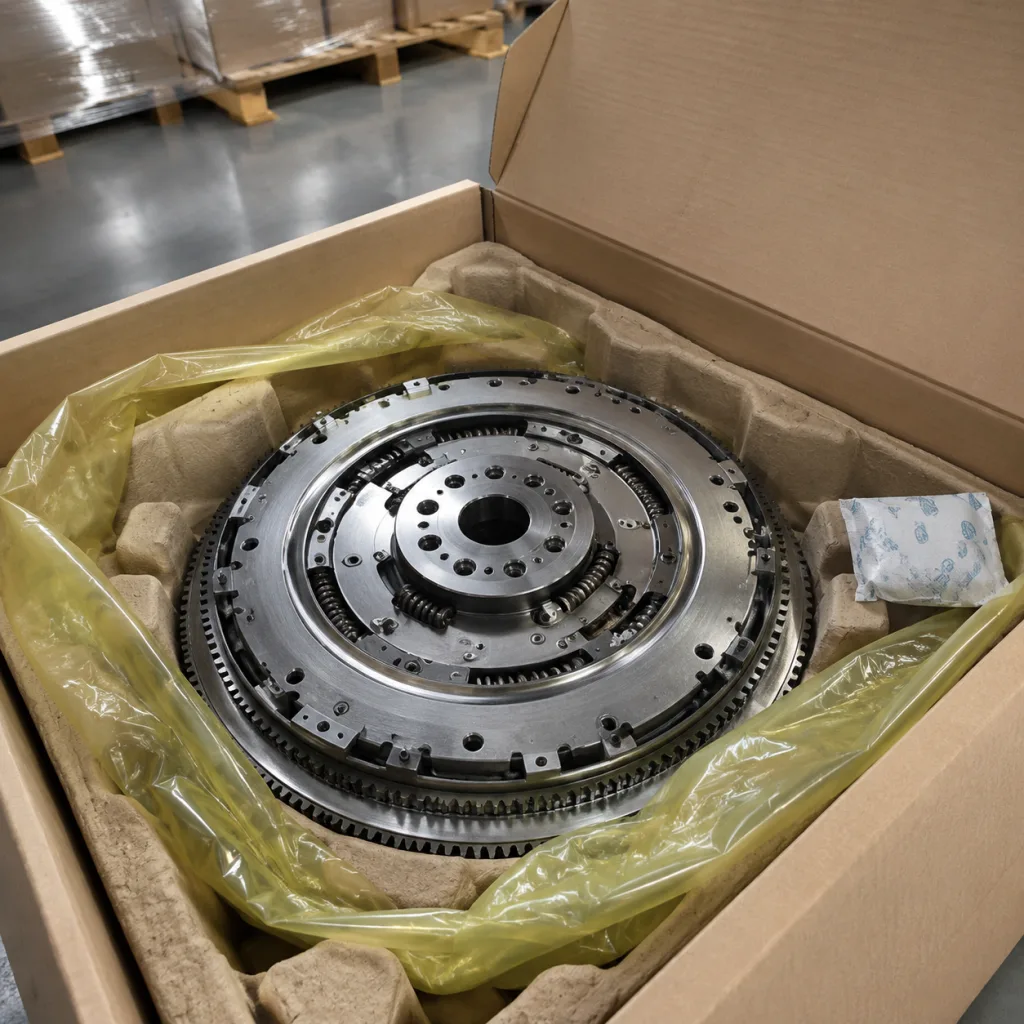
  • Packaging that protects the valve, gasket face, and connector during ocean or air freight

Buyers can review related engine lines through our catalog and engine component coverage at /products/engine-components.html.

Supplier qualification criteria for Mini EGR valves

A credible EGR valve Mini supplier should be ready for factory audits, technical file review, and repeat-order performance checks. Certification alone does not prove that every valve will match the application, but it is a useful starting point for assessing management discipline. Driventus operates under IATF 16949:2016 and ISO 9001:2015, with process controls covering supplier management, traceability, inspection, corrective action, and production change control. Buyers can review our quality system before requesting audit documents.

</tr></thead><tbody> </tbody></table>Procurement teams should also review how the supplier handles rejected parts, engineering-change notifications, and claims feedback from the field. These controls are especially important when the same reference is ordered repeatedly across several destination markets.

Driventus is an independent aftermarket manufacturer; brand names are referenced for fitment only. We do not claim approval or endorsement by any vehicle manufacturer.

Technical validation and compliance expectations

EGR valves operate in high-temperature exhaust gas recirculation environments, where soot, vibration, heat, and actuator load can affect long-term reliability. A sourcing decision should therefore include engineering validation, not just sample appearance. Typical validation for an aftermarket EGR valve program includes leakage testing, actuator response checks, thermal cycling, vibration checks, connector retention testing, and salt-spray evaluation for exposed metal parts where market conditions require it.

Published regulations and standards may apply at vehicle, material, or quality-system level. ECE R-83 covers emissions requirements for certain light vehicles in applicable markets, while REACH (EC) No 1907/2006 may be relevant for chemical substance declarations for products placed on the EU market. For supplier management, IATF 16949:2016 and ISO 9001:2015 remain common audit references. These frameworks do not replace application-specific validation, but they help define documentation discipline and corrective-action expectations.

A practical validation file for B2B buyers should contain:

  • Dimensional inspection report against approved drawing or benchmark sample
  • Material declaration for housing, shaft, gear, spring, seal, and connector components
  • Electrical test report for motor, solenoid, or sensor function where fitted
  • Leakage test method, acceptance limit, and batch result summary
  • Thermal cycling record for valve body, gasket interface, and actuator housing
  • Vibration or transport simulation record for packaging approval
  • First shipment control plan and corrective-action contact process

Buyers should align acceptance limits before approving samples, because unclear test criteria can create disputes after the first shipment. For modified specifications, labelling, or packaging, Driventus supports custom manufacturing for agreed programs.

MOQ, lead time, and commercial planning

Commercial terms should match the buyer’s stocking model and risk profile. A distributor building a new Mini range may need lower first-order quantities, mixed references, and accurate catalogue support. A repair-chain buyer may need stable replenishment for fewer high-turnover SKUs. An OEM or Tier-1 service program normally requires forecast-based planning, PPAP-style documentation where agreed, and stricter change control.

Driventus usually evaluates MOQ by part number, tooling status, packaging requirement, and forecast volume. Existing aftermarket references can often be sampled faster than custom-developed items. New variants may require drawing review, tooling confirmation, test plan agreement, cost review, and packaging approval before serial quotation.

Qualification item What procurement should request Why it matters
Quality certificationIATF 16949:2016 and ISO 9001:2015 certificatesConfirms structured automotive quality management
Fitment evidenceCross-reference list, sample photos, dimensional reportReduces catalogue and application errors
End-of-line testingLeakage, actuation, electrical, and sensor checksScreens non-conforming valves before shipment
TraceabilityBatch number, production date, inspection recordSupports claims analysis and containment
Packaging approvalInner box, master carton, label, pallet planReduces freight damage and warehouse errors
Change controlNotification process for material, tooling, or supplier changesProtects repeat-order consistency

</tr></thead><tbody> </tbody></table>Lead time depends on order mix, production schedule, inspection depth, and packaging complexity. Buyers should confirm sample availability, pre-shipment inspection timing, sea freight planning, and holiday-period capacity before issuing annual forecasts. Clear forecasts also help the supplier reserve materials and reduce the risk of urgent substitutions.

Audit documents and shipment controls

A factory audit should test whether the supplier can repeat the same result across batches, not merely produce one acceptable sample. For EGR valves, auditors should focus on incoming component control, machining or assembly consistency, actuator calibration, leakage testing, and finished-goods protection. The audit should also verify that non-conforming products are physically segregated, rework is controlled, and final inspection records can be traced to production batches.

Useful audit evidence includes inspection work instructions, control plans, gauge calibration records, training records, internal audit summaries, corrective-action reports, and traceability samples from recent production. Procurement teams should also check how engineering changes are approved, documented, and communicated before the next purchase order is produced.

Shipment controls are equally important because EGR valves can be damaged by connector impact, gasket-face scratches, moisture exposure, or carton compression. Driventus can provide agreed packaging layouts, neutral or private-label cartons, palletisation plans, and inspection photos before dispatch. For EU buyers, chemical compliance documentation related to REACH (EC) No 1907/2006 can be discussed during quotation. For Brazil, Canada, Australia, the UK, and the US, importers should confirm local labelling and customs documentation requirements before final packaging approval.

How Driventus supports EGR valve procurement

Driventus supplies engine and powertrain components including pistons, crankshafts, gaskets, water pumps, turbochargers, and EGR-related parts. For Mini EGR valve sourcing, our support is structured around risk reduction: confirm the application, validate the sample, agree the inspection plan, and then scale supply under controlled documentation.

A typical sourcing workflow is:

1. Buyer sends target references, photos, annual volume, destination market, and packaging requirement. 2. Driventus checks fitment, current tooling, sample availability, and documentation status. 3. Samples are supplied for dimensional, functional, and installation checks. 4. Commercial terms are agreed, including MOQ, lead time, Incoterms, labelling, and claim process. 5. Production is inspected according to the agreed control plan. 6. Shipment documents and packing records are shared before dispatch.

When contacting a potential EGR valve Mini supplier, buyers should avoid incomplete enquiries because missing fitment or connector details can delay quotation and sampling. Include vehicle coverage, target references, forecast, quality expectations, destination market, packaging needs, and any compliance documents required by your importer or customer. To start a technical and commercial review, request a quote with the available reference information.

Frequently asked questions

Send target application, photos, OE-style cross-reference if available, connector details, annual forecast, destination market, packaging requirements, and any inspection or compliance documents needed. This helps confirm fitment and quotation scope before sampling.

Yes. Driventus can discuss neutral or private-label packaging, carton dimensions, barcode requirements, pallet plans, and pre-shipment inspection records. Packaging approval should be completed before serial production.

No. Driventus is an independent aftermarket manufacturer; brand names are referenced for fitment only. We do not claim approval, endorsement, or sponsorship by any vehicle manufacturer.

For fitment review, MOQ planning, samples, and export documentation, contact Driventus with your target references and forecast. Start a sourcing discussion at /contact.html

Request a Quote
Sourcing scenario Typical buyer priority Supplier response needed
New distributor rangeMixed SKUs, moderate MOQ, catalogue accuracyFitment file, sample set, private-label option
Repair-chain supplyFast replenishment, low defect rate, consistent packagingStable stock plan, batch traceability, claims process
Tier-1 or OEM service programDocumentation depth and change controlTechnical review, audit support, controlled production
Private-label importLabel compliance, carton strength, barcode controlPackaging artwork check and shipment inspection