Procurement teams searching for an EGR valve Isuzu manufacturer China usually need more than a low unit price. They need dimensional match, repeatable emissions performance, stable lead times, and a supplier that can support audit requests and export documentation. Driventus supplies EGR valves for B2B buyers who need replacement and aftermarket fitment across common Isuzu applications. We produce in Taizhou, Zhejiang, and export to 60+ countries under IATF 16949:2016 and ISO 9001:2015 controls. Driventus is an independent aftermarket manufacturer; brand names are referenced for fitment only. For buyers comparing sources, the key checks are seat geometry, actuator response, valve lift, connector type, and resistance to soot-related sticking. This post outlines what to verify before placing a trial order, how to compare suppliers, and where custom manufacturing can reduce risk on higher-volume programs.
What procurement teams should verify first
For EGR sourcing, the first question is not only whether the valve fits, but whether it performs consistently under thermal load and soot exposure.
Functional data: commanded opening range, response time, leakage rate, closed-position sealing, and return-spring force if applicable.
Materials: stainless steel or heat-resistant alloy body, corrosion-resistant stem, and high-temperature seal material rated for exhaust gas exposure.
Traceability: batch number, test record, lot code, and incoming material identification tied to each shipment.
Export compliance: REACH (EC) No 1907/2006 declaration where required for EU supply, plus carton labels and commercial invoice data aligned to destination customs rules.
A supplier should be able to state the exact application range and any known exceptions. If the buyer needs a replacement path for a specific engine family, ask for dimensional confirmation against the OE part and a sample for bench validation before committing to volume. For high-risk programs, request a control drawing with critical-to-function dimensions, including seat diameter, actuator stroke, flange flatness, and electrical terminal position. Typical buyer tolerances for approval are ±0.10 mm on sealing-related machined dimensions, ±0.20 mm on bracket and mounting features, and a leakage limit defined in the buyer’s own bench test method.
Core EGR valve specifications
The specification set should be clear enough for technical review and incoming inspection. A practical RFQ should include the following items.
Item
Typical buyer check
Valve type
Vacuum, electric, or integrated cooler assembly
OE reference
OE 06A107065-style cross-reference only when relevant
Housing material
Stainless steel, cast aluminium, or mixed construction
Seal material
High-temperature elastomer or metal-to-metal seat
Electrical interface
Pin count, terminal plating, connector keying
Dimensional control
Bolt-hole spacing, port diameter, overall height
Performance test
Leakage, response, endurance, thermal cycling
</tr></thead><tbody> </tbody></table>If your program requires tighter control, specify the critical dimensions that affect sealing and flow. For example, port concentricity, actuator stroke, and seat flatness often matter more than cosmetic finish. A workable buyer spec often includes: actuator response time under 0.5-1.0 seconds at rated voltage, closed leakage not exceeding the customer’s acceptable flow threshold, and an endurance target of 50,000-100,000 cycles depending on vehicle duty cycle. Buyers should also request test evidence aligned to internal validation plans and, where applicable, durability methods such as SAE J2527 for environmental exposure comparison, even when the part itself is not an exterior component. For incoming inspection, a sample AQL plan of 0.65/1.0 for critical dimensions and 2.5 for appearance is commonly used on aftermarket programs, with final acceptance tied to the buyer’s PPAP-style sample approval or functional sign-off.
How Driventus supports supplier qualification
Procurement teams often need a short list of evidence before supplier approval. Our quality system is built for that review path.
Certification: IATF 16949:2016 and ISO 9001:2015 controlled production.
Incoming control: material verification, hardness checks where applicable, and lot traceability.
Process control: key dimensions checked during production, not only at final inspection, with in-process gauges on sealing, port, and mounting features.
Testing: leakage and functional checks before packing, plus cycle testing on approved program samples.
Documentation: inspection reports, packing lists, material declarations, and export documents for B2B shipments.
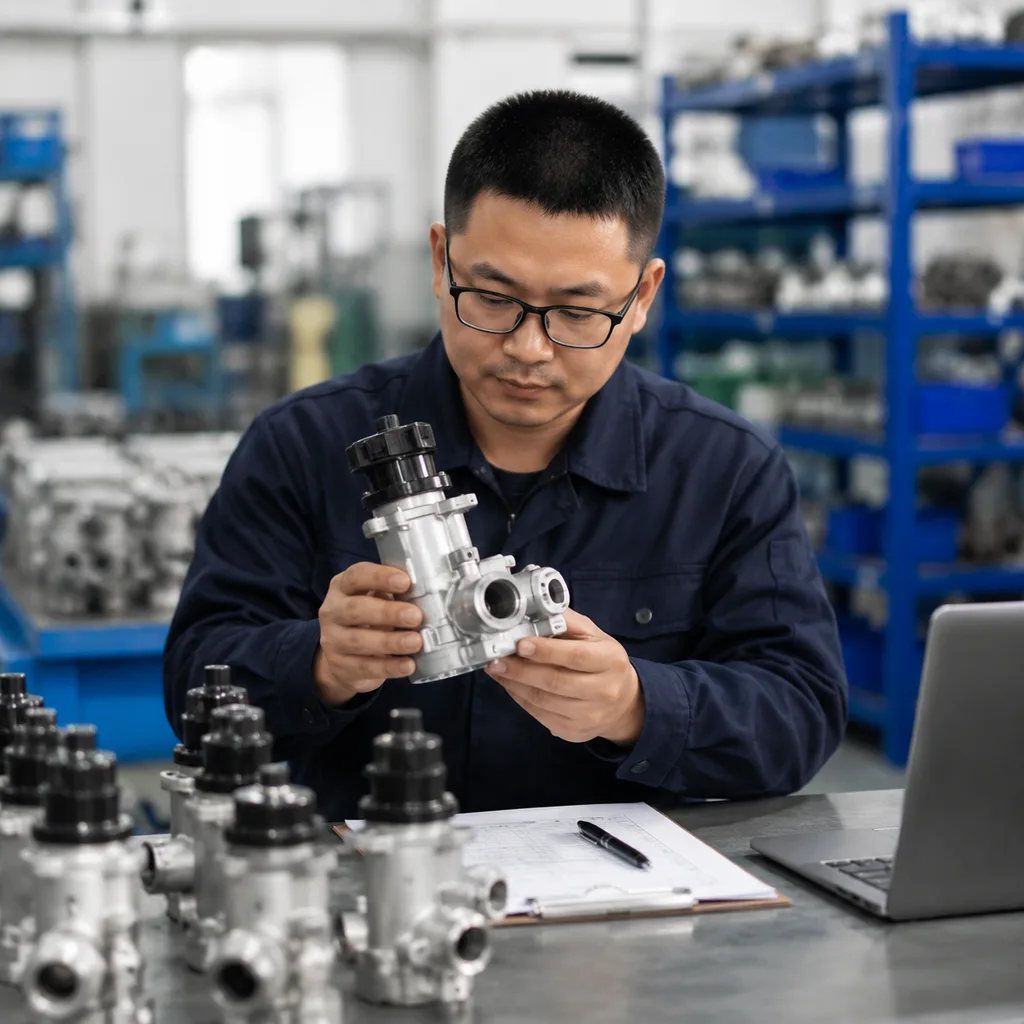
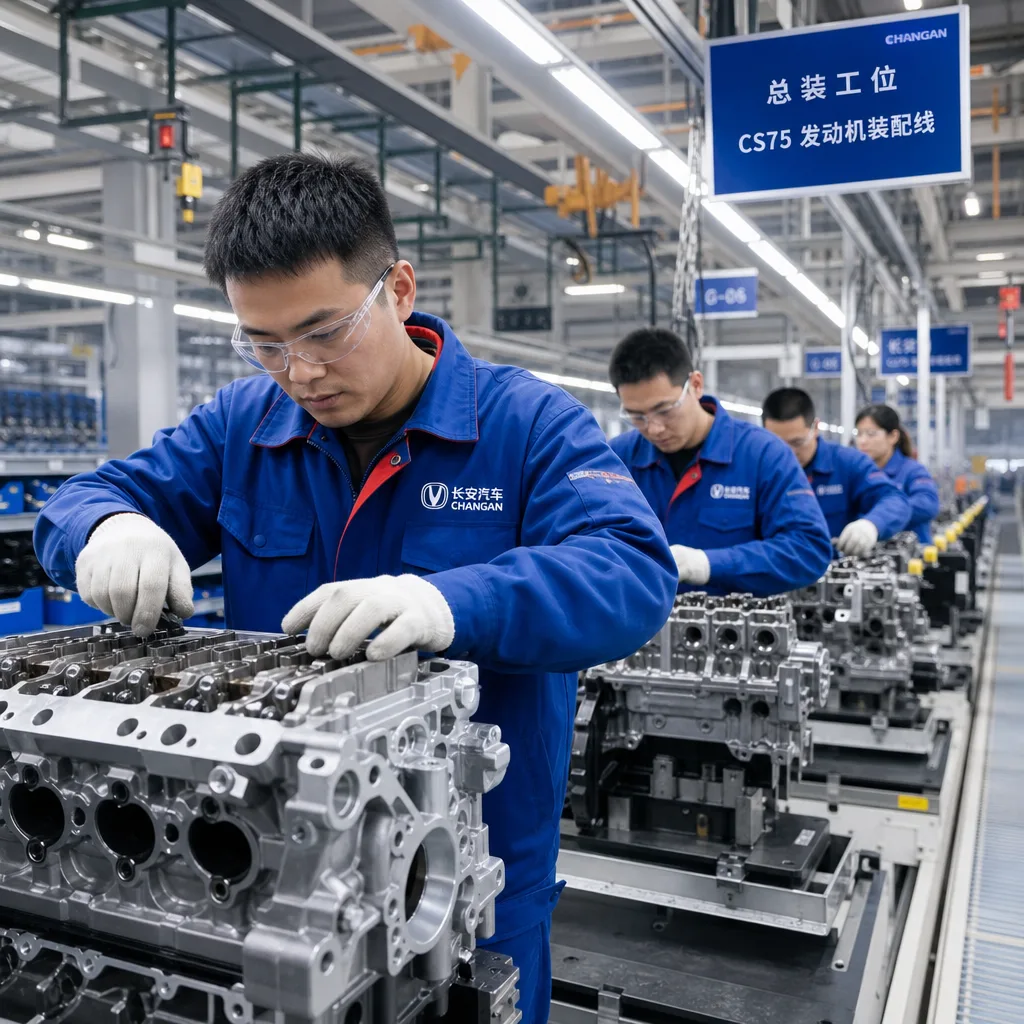
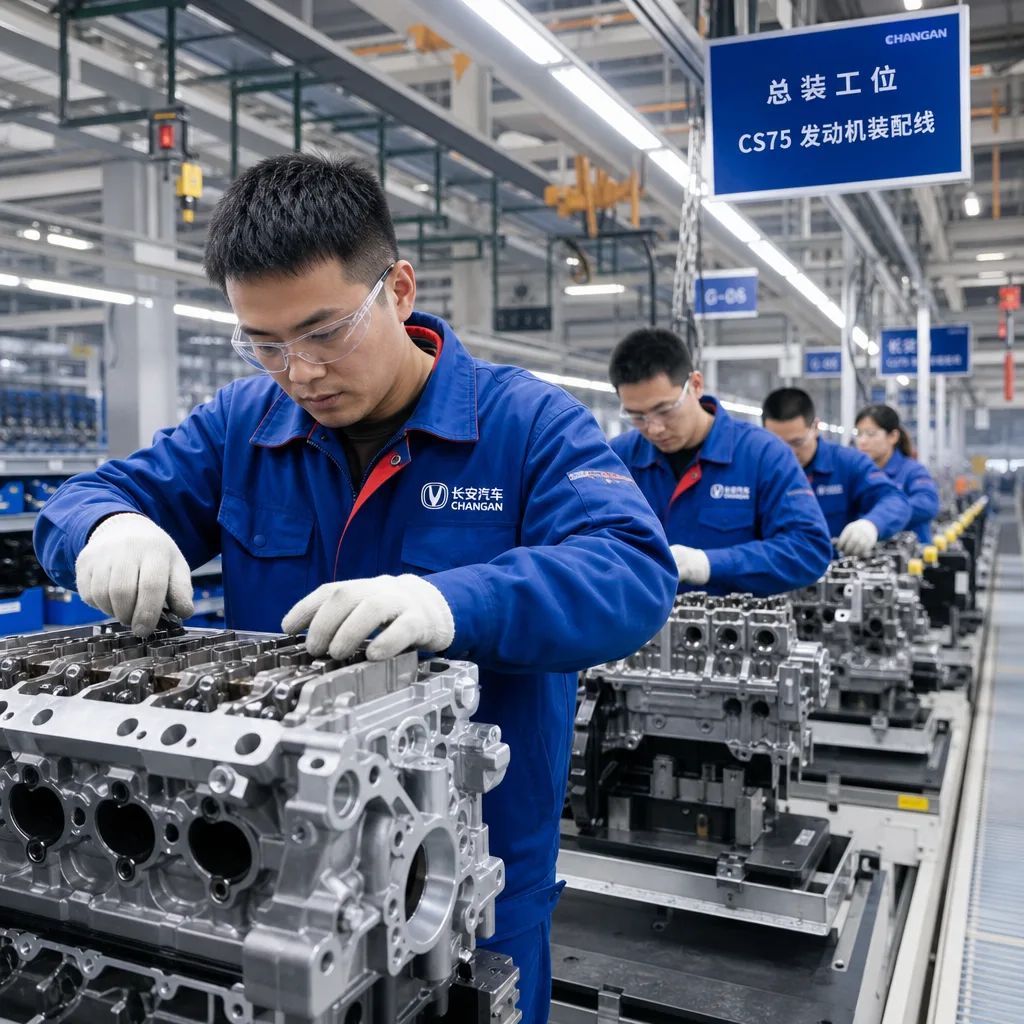
You can review our quality system before issuing a trial order. For larger accounts, we can support product-specific control plans and PPAP-style documentation requests where the buyer’s process requires them. If your review team needs practical evidence, we can also supply sample measurements, test fixtures used for validation, and photos of the control points on the production line so your engineering and procurement teams can compare them against your incoming inspection checklist.
Sourcing models for distributors and repair networks
Different buying channels need different supply terms. A wholesaler may prioritise catalogue breadth, while a repair chain may want fewer SKUs with stable replenishment. OEM and Tier-1 buyers usually ask for tighter process control and more documentation.
Driventus supports these models with:
1. Trial order support for fitment confirmation and service-market validation. 2. Stable replenishment for repeat SKUs with forecast-based planning. 3. Custom manufacturing for application-specific housings, connectors, or packaging. 4. Private-label and carton control where channel strategy requires it.
For commercial planning, distributors often start with 50-200 units per SKU as a validation buy, while regional repair networks may move to 300-1,000 units once returns stay below an agreed threshold. For annual programs, MOQ is usually tied to packaging and production setup: standard stock items can be lower, while custom housing or connector versions often require a minimum run to amortize tooling and changeover. See our catalog for adjacent engine components, or review custom manufacturing if your programme needs a modified EGR configuration. If you source across related engine parts, engine components can help consolidate suppliers.
Validation checks before first purchase order
Before placing volume, ask for a controlled sample and run a short validation plan. This reduces return risk and installation disputes.
Minimum checks
Match OE bracket position, port alignment, and connector polarity.
Confirm valve movement is smooth through the full commanded range.
Inspect for leakage at closed position after thermal soak.
Verify packaging protects machined faces and electrical terminals.
Compare measured dimensions against your approved sample or drawing.
For emissions-related parts, the buyer should keep the validation scope factual and specific. The goal is to prove dimensional and functional equivalence for the intended aftermarket application, not to infer vehicle-maker endorsement. Driventus is an independent aftermarket manufacturer; brand names are referenced for fitment only. A practical validation sequence is sample receipt, dimensional inspection, bench actuation test, thermal soak at the buyer’s target temperature range, installation trial on the intended engine family, and a short field run with return-rate tracking. Buyers commonly approve a sample only after 10-20 installation checks with no connector mismatch, no hard-sticking events, and no abnormal soot buildup at the seat.
Lead times, MOQ, and commercial fit
A dependable China supplier should be able to explain commercial terms early, before sample approval turns into a purchase delay. For most EGR valve programmes, MOQ depends on tooling status, packaging requirements, and whether the part is held as standard stock or made to order.
Typical sourcing questions:
What is the MOQ per SKU and per carton?
What is the standard lead time after sample approval?
Can the supplier hold safety stock for repeat buyers?
Are mixed-SKU export cartons available for regional distribution?
Can the factory support annual volume growth without changing the control plan?
Typical commercial logic is straightforward: stocked items can often ship in 7-15 days after order confirmation, repeat production usually runs 25-35 days, and custom parts with new fixtures or packaging can require 35-50 days depending on approval timing. MOQ may be 50-100 pieces for standard catalog items, 200-300 pieces for private-label carton programs, and 500+ pieces when tooling, connector changes, or special validation are required. Buyers should also ask for price breaks by tier, because EGR valve pricing often improves materially at 500, 1,000, and 3,000 unit thresholds. If you are consolidating supply from multiple countries, a Chinese manufacturer can reduce freight complexity when documentation, packing, and production are managed in one place. For RFQs, use request a quote and include OE reference, annual demand, target market, acceptable lead time, packaging instructions, and any test requirements.
Frequently asked questions
Yes. We supply aftermarket EGR valves for selected Isuzu fitments and export to B2B customers in multiple regions. Fitment should be confirmed by OE reference, engine code, and sample check before purchase.
We can provide quality certificates, inspection records, packing details, test summaries, and export documentation. Additional product control documents can be discussed for larger or more regulated programmes.
Yes. Through our OEM service path, we can support custom housing, connector, packaging, and control requirements for approved programmes, subject to technical feasibility, sample approval, and volume.
If you are sourcing an EGR valve program and need fitment confirmation, documentation, or a trial order, contact Driventus through /contact.html.