EGR valve · 2026-06-19

EGR Valve Honda Supplier for B2B Sourcing

Selecting an egr valve Honda supplier is a risk-control decision, not a catalogue exercise. A valve may look correct and still fail the programme: the connector may latch poorly, the seat may leak when hot, the actuator response may trigger fault codes, or the shipment may arrive without the documents your customer needs for approval and traceability.

Driventus Auto Parts manufactures engine and powertrain components in Taizhou, Zhejiang, and supplies B2B customers in Europe, the UK, North America, Australia and Brazil. For Honda-fitment EGR valve programmes, we support aftermarket distributors, private-label importers, repair-chain buyers and Tier-1 sourcing teams with sample validation, packaging control, production records and export documentation.

Driventus is an independent aftermarket manufacturer; vehicle brand names are used for fitment identification only. Before requesting a quotation, prepare the engine code, connector photos, benchmark sample or drawing, target annual volume, packaging format, destination market and any customer-specific compliance requirements. The sections below show how to qualify the part, the factory and the commercial plan before committing to volume.

Start with fitment risk, not a model-name match

The first failure in many Honda-fitment EGR valve projects happens before production starts: the buyer and supplier quote different variants of what appears to be the same application. Vehicle name alone is not enough. Engine family, emission calibration, connector type, mounting flange, cooling arrangement and sales region can all change the EGR valve specification.

A sourcing file should therefore be built around application evidence. For example, one vehicle name may include different EGR valve variants across 1.5 L, 1.8 L, 2.0 L, 2.2 L or 2.4 L engines, petrol and diesel applications, automatic and manual calibrations, and regional emissions packages. A photo helps. A benchmark sample helps more. Measured dimensions and connector data help most.

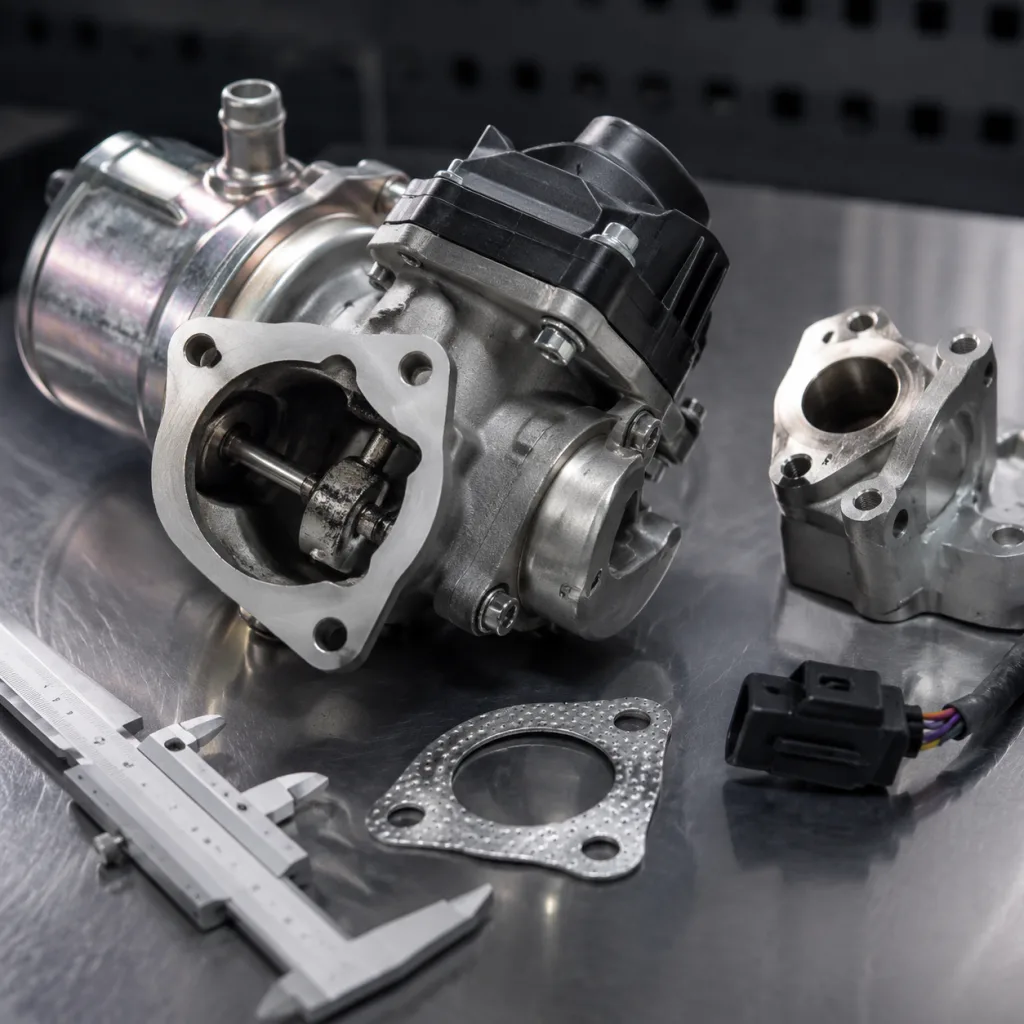
Driventus supplies EGR valve assemblies for independent aftermarket and private-label programmes. Common purchasing scenarios include distributor replenishment, engine-management range expansion, repair-chain stocking and controlled sourcing projects where the buyer provides samples, drawings or catalogue cross-references. Where OE-style references are used in the buyer’s system, they should be treated as identification data for the sourcing file rather than as a claim of original equipment approval.

When shortlisting an egr valve Honda supplier, confirm that the factory can support these checks before price negotiation goes too far:

  • Fitment confirmation by application, engine code and production-year range
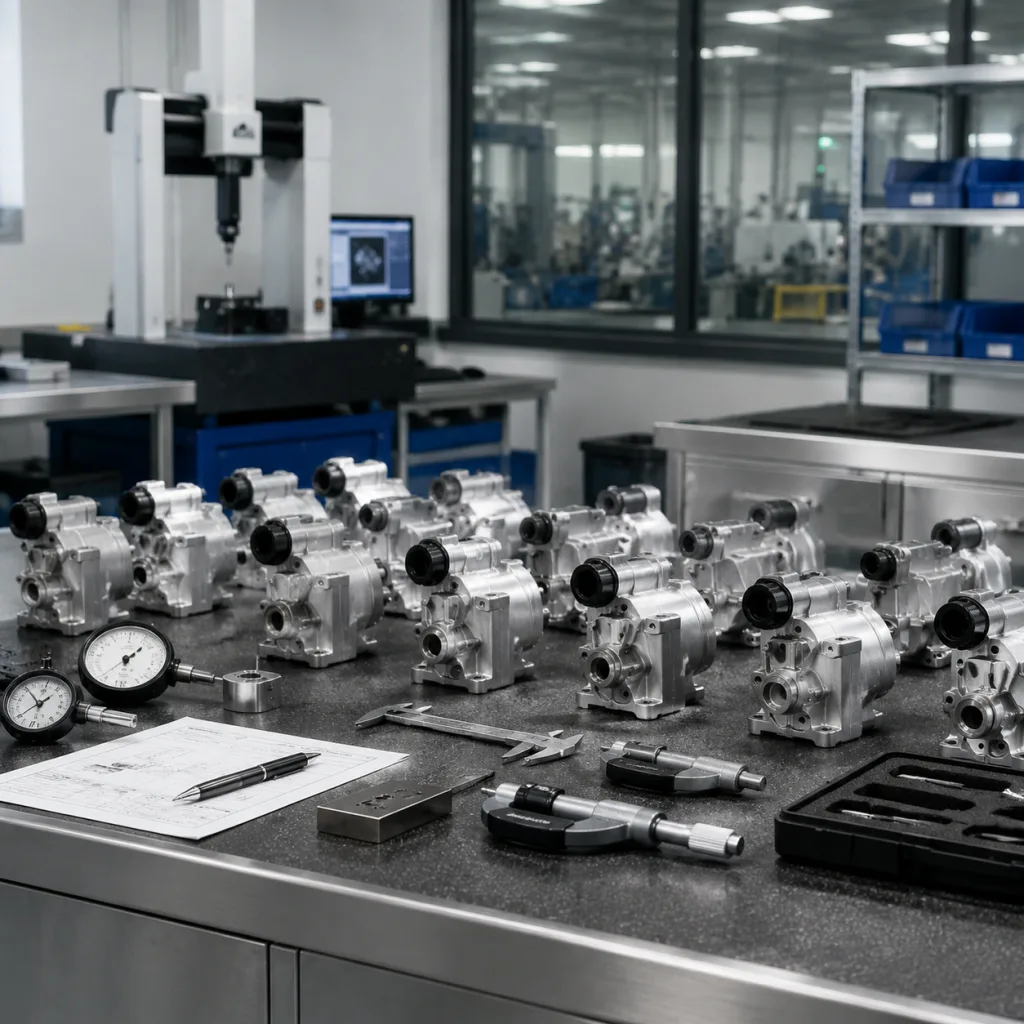
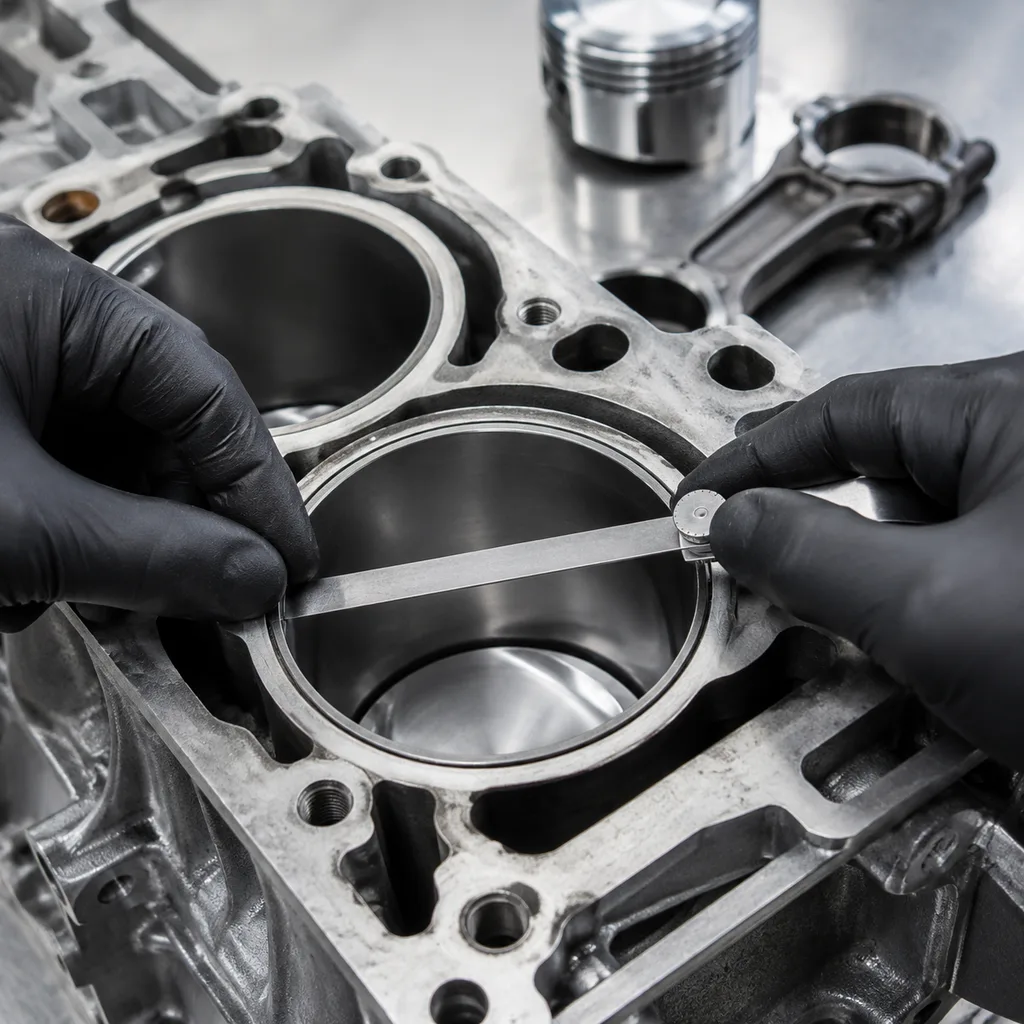
  • Dimensional inspection against buyer sample, drawing or approved benchmark part
  • Connector housing, terminal and pin-position verification, including 2-pin, 3-pin, 5-pin or 6-pin layouts where applicable
  • Valve stroke, response and return-position data, typically recorded on a functional test bench before packing
  • Seat leakage performance under defined pressure, time and temperature conditions agreed in the control plan
  • Thermal ageing, heat-soak or operating-cycle test records where required
  • Lot traceability from incoming material to finished packed goods, including casting, actuator, connector and final-test batch records
  • Neutral, private-label or buyer-specified packaging options with barcode and batch-code control
  • Export documentation suitable for the destination market, such as commercial invoice, packing list, certificate of origin where requested and compliance declarations where applicable

Honda brand names and model references should be used only for application identification. Driventus does not claim approval, endorsement or authorisation by any vehicle manufacturer.

Spec deep-dive: the RFQ details that prevent bad samples

An EGR valve RFQ should remove interpretation. Short descriptions such as “good quality”, “same as sample” or “Honda type” leave too much room for error. EGR valves operate in exhaust gas, soot, moisture, acidic by-products and sustained heat. Small deviations in valve-seat finish, actuator response, gasket-face flatness or connector geometry can become installation complaints, drivability faults or diagnostic trouble codes.

Use the RFQ to define what must be checked and how it will be judged:

</tr></thead><tbody> </tbody></table>For sample approval, measurable acceptance criteria are better than subjective inspection notes. Define gasket-face flatness, port concentricity, bolt-hole centre distance tolerance, coil resistance range at 20°C, sensor output range, no visible casting cracks, no burrs on sealing surfaces and 100% final functional test before packing. If the part uses an electronic position sensor, state whether voltage-output curve, PWM response or resistance sweep data is required.

Published requirements vary by market, vehicle age and customer channel. For manufacturing controls, buyers should review IATF 16949:2016 and ISO 9001:2015 documentation. For chemical substance obligations into the EU, REACH (EC) No 1907/2006 should be included in the compliance discussion. If an EGR valve is sold for emissions-related service applications, buyers may also consider vehicle-level frameworks such as ECE R-83 for context, while avoiding any unsupported claim that an aftermarket component has separate vehicle-manufacturer or regulatory approval.

Factory evidence: what should be visible before approval

Certificates are useful, but they do not prove that a specific EGR valve line is under control. The better question is operational: can the supplier show how variation is detected before goods leave the factory?

Driventus operates under IATF 16949:2016 and ISO 9001:2015 certified management systems. Buyers can review our quality system as part of supplier assessment. For higher-volume programmes, we can support audit preparation with documents commonly requested by sourcing engineers, quality teams and category managers.

Ask for evidence that connects the process from incoming material to final packing:

  • Business licence and relevant certificate copies
  • Process flow chart for the EGR valve assembly route, from incoming casting and actuator receipt through machining, washing, assembly, functional test and packing
  • Control plan covering incoming inspection, machining, assembly and final test
  • PFMEA where required by the project or customer procedure
  • Gauge list, calibration status and measurement responsibilities, including calipers, height gauges, plug gauges, leak testers, resistance meters and functional test benches
  • Incoming material inspection records for casting, spring, shaft, seal, actuator, connector, terminal and gasket where applicable
  • In-process and final inspection report formats with sampling plan or 100% test fields clearly identified
  • Sample submission records with dimensional results, preferably showing actual values rather than only pass/fail marks
  • Functional test records for agreed performance points, including leak, actuation, return and electrical checks
  • Packaging specification and drop-test information when requested
  • Corrective action process for nonconforming parts and customer claims, including containment, root cause, corrective action and effectiveness verification

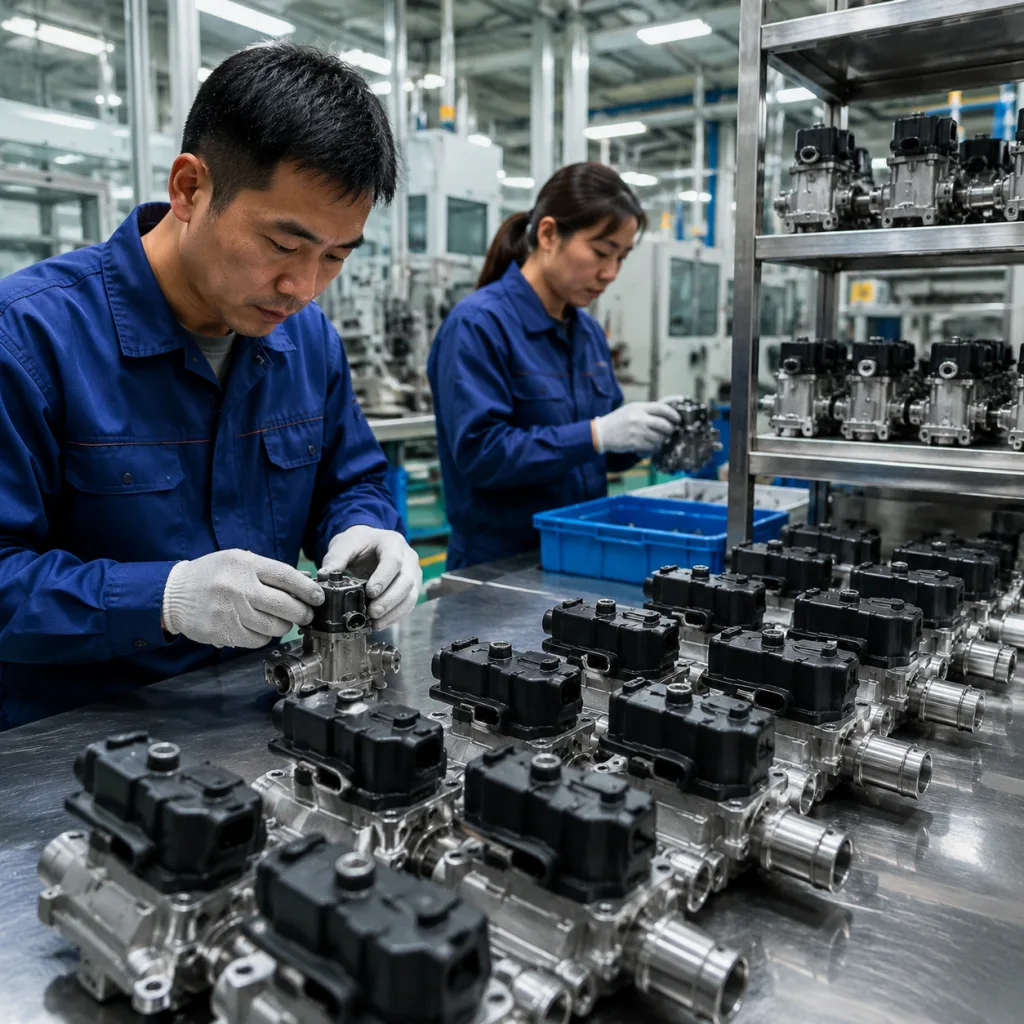
For EGR valves, the audit should focus on the failure points that create field returns: valve-seat machining, actuator assembly, coil resistance or sensor-output checks, gasket-face control, connector fit and final functional testing. A practical route includes incoming inspection, CNC or finish machining of critical faces, deburring, ultrasonic or high-pressure cleaning where needed, sub-assembly of valve and actuator, torque-controlled fastening, leak or pressure-decay testing, electrical and movement testing, visual inspection, traceability labelling and final packaging.

If a factory cannot explain how it detects sticking, leakage, poor response and connector defects, the buyer will carry the warranty exposure. That is a weak position for distributors, repair chains and service-parts programmes.

Factory evidence: what should be visible before approval

Commercial decision framework: MOQ, lead time and unit cost

MOQ is not just a supplier rule. It is the result of tooling status, component purchasing, packaging setup, testing burden and forecast confidence. Lead time follows the same logic. A stocked item, a private-label repack and a new development should not be planned as if they were the same project.

Buyers can review our catalog and engine-related product scope at /products/engine-components.html before sending the RFQ. Then classify the project:

  • Existing catalog item: lower MOQ potential, shorter sampling time and available tooling or component supply.
  • Private-label packing on existing item: extra time for artwork approval, label format, carton testing, barcode control and packing instructions.
  • Modified configuration: engineering confirmation for connector, bracket, gasket, port or calibration-related differences.
  • New development: benchmark sample review, tooling assessment, validation planning and PPAP-style documentation may be needed.

Indicative planning points for B2B buyers:

RFQ item What to confirm Procurement risk if omitted
Application dataEngine family, displacement, fuel type, model year and destination marketWrong calibration, connector or mounting variant
Mounting interfaceBolt-hole position, gasket-face flatness, port diameter and flange thickness; typical critical dimensions should be checked to drawing or sample tolerance such as ±0.10 mm for machined interfaces where agreedExhaust leakage, poor fit and warranty claims
Electrical interfaceConnector housing, pin count, terminal material, sealing and latch position; check terminal retention and connector insertion feel against benchmarkHarness mismatch or intermittent signal
Valve movementStroke range, response time, return position and actuator behaviour; record open/close response at agreed voltage and temperaturePoor EGR flow control or fault-code risk
Leakage controlSeat leakage under an agreed pressure or test method, for example pressure-decay or flow leakage testing at defined kPa and durationEmissions faults, rough idle or repeat replacement
Thermal durabilityHigh-temperature cycling, heat soak and operating-cycle conditions, commonly including repeated actuation after exposure to elevated exhaust-side temperatureWarping, sticking, coil damage or actuator degradation
PackagingUnit protection, carton strength, label format and pallet requirements; check inner bag, gasket protection and connector cap where neededTransit damage, relabelling cost and warehouse inefficiency

</tr></thead><tbody> </tbody></table>As a planning guide, sample preparation for an existing item is commonly 7–15 working days if components are available. Made-to-order production often requires 30–45 days after deposit and packaging approval. New development can require 60–120 days because benchmark measurement, tooling, prototype trial, durability checks and customer approval must happen before mass production. Ocean-freight transit and customs clearance should be added separately to factory lead time.

Unit price is normally affected by annual forecast, per-SKU MOQ, actuator type, connector and sensor content, casting complexity, machining time, leakage-test requirement, packaging specification and inspection-document burden. A low MOQ with private-label boxes can raise unit cost because packaging, setup and testing records are spread across fewer pieces.

For distributors, a mixed-SKU order may be more practical than a high MOQ on one slow-moving item. For repair chains, forecast stability, vehicle parc data and observed failure rates can help define initial stocking levels and replenishment frequency.

Private-label scenario: what changes after the valve is approved

Technical approval is only half the programme. Once the valve is acceptable, the next risk moves to packaging, labelling, documentation and receiving efficiency. A good part in a weak carton can still become a customer complaint.

Some buyers need a direct replacement for a known application; others require a controlled private-label line with consistent cartons, labels, country-of-origin marks and import documentation. Driventus supports both routes through custom manufacturing, subject to technical review, compliance checks and commercial feasibility.

For Honda-fitment EGR valve projects, customisation may include:

  • Buyer-specific carton and label design with agreed dimensions, board strength and print colour references
  • Barcode, QR code or batch-code format, including SKU, production lot, quantity, country of origin and date code where required
  • Accessory kits with gasket or bolts where specified, packed to prevent scratching of the valve face or connector damage
  • Connector or bracket confirmation against supplied samples, including latch direction, pin spacing and harness clearance
  • Neutral branding for wholesale distribution
  • Consolidated shipment with other engine components
  • Documentation aligned with the buyer’s receiving and traceability process

Private-label buyers should provide packaging artwork and label rules early. Carton strength, palletisation, moisture protection, barcode readability and label language can affect customs clearance, warehouse receiving and downstream customer satisfaction. Practical packaging controls include VCI or polybag where moisture risk is identified, connector protection to avoid terminal deformation, foam or cardboard inserts for heavier metal bodies, outer carton gross-weight limits suitable for manual handling and pallet stacking patterns agreed before shipment.

For EU and UK importers, chemical compliance declarations and material-related information should be considered during onboarding, particularly where elastomers, coatings, solder, terminals and electrical connectors are involved. Buyers should also define whether they need HS code confirmation, country-of-origin statement, material declaration, long-term supplier declaration or customer-specific compliance form before the purchase order is issued.

Driventus can also support cross-category consolidation for engine parts such as gaskets, water pumps, turbocharger components and other powertrain items. This helps importers reduce supplier count while maintaining separate inspection standards, test criteria and packaging rules for each product family.

Private-label scenario: what changes after the valve is approved

Step-by-step qualification before a volume order

The safest route is not quote, sample, container. It is controlled qualification. Each step should reduce one type of risk: wrong application, weak performance, poor packaging, undocumented process or unmanageable claims.

Recommended sourcing sequence:

1. Send complete RFQ data. Include the application list, engine details, target annual volume, destination market, packaging request and any OE-style or catalogue cross-reference used in your system. Add photos of the connector face, mounting face, port shape and label if available. 2. Confirm technical match. Compare flange, port, connector, valve movement, gasket interface and installation envelope against a retained sample or approved benchmark. For critical dimensions, use actual measured values and agreed tolerances instead of visual comparison only. 3. Request sample documents. Ask for dimensional results, functional test data, material declarations and packaging information where relevant. If the channel is sensitive to returns, request leak-test and electrical-test records for each sample. 4. Run installation checks. Use controlled workshop, bench or fleet validation before releasing the item for sales stock. Record diagnostic trouble codes, idle stability, connector fit, gasket sealing, bolt alignment and post-installation road-test feedback. 5. Review quality documentation. Confirm IATF 16949:2016 and ISO 9001:2015 status, control plan, inspection method and traceability process. Define which test data must be retained by lot and for how long. 6. Agree packaging and labelling. Lock carton format, barcode, batch code, label language, pallet rules and private-label requirements before mass production. Require written approval of artwork and a packing sample for new private-label programmes. 7. Place a pilot order. Use the first shipment to confirm defect rate, carton condition, receiving efficiency and customer feedback before scaling volume. A pilot can be one mixed-SKU LCL order or a controlled first batch rather than a full annual commitment.

Claims handling should also be defined before the first purchase order. Required evidence may include photos, diagnostic codes, mileage, installation date, batch number, vehicle application and test result after return. Clear rules discourage unsupported claims while allowing genuine defects to be investigated quickly and corrected at process level.

For repeat orders, buyers should compare lot-to-lot functional data, monitor return rate by SKU and review any trend linked to connector damage, leakage, sticking, packaging damage or application mismatch. A qualified egr valve Honda supplier should make that review easier, not harder.

Frequently asked questions

Send the application, engine code, displacement, fuel type, market region, photos or sample, connector view, mounting-face photo, expected annual volume, target MOQ, packaging request and any existing catalogue cross-reference. If you use OE-style references, provide them exactly as listed in your system.

Yes. Driventus can support neutral or buyer-branded packaging, subject to artwork approval, MOQ and compliance review. Packaging details such as carton size, barcode, label language, batch code and pallet pattern should be confirmed before production to avoid relabelling and warehouse delays.

No. Driventus is an independent aftermarket manufacturer; brand names are referenced for fitment only. We do not claim approval, endorsement or authorisation by any vehicle manufacturer.

If you are qualifying an egr valve Honda supplier for distributor, repair-chain or OEM service channels, send your RFQ details, benchmark sample information, target MOQ, annual forecast and destination-market requirements. You can [request a quote](/contact.html).

Request a Quote
Project type Typical MOQ discussion Lead-time driver
Stocked or repeat item50–200 pcs per part number may be possible, or mixed-SKU order by cartonFinished-goods or component inventory
Existing tooling, made to order200–500 pcs per part number depending on component batchCasting, machining, actuator and electronic component supply
Private-label programme300–1,000 pcs per label run or carton artwork, depending on packaging supplierPrinted box, label approval and packing material availability
New developmentProject-based MOQ, often 500–1,000+ pcs after approvalTooling, samples, testing and validation