Buying an EGR valve for Alfa Romeo applications is a sourcing decision, not a retail replacement. The real risk is not the part number alone; it is misaligned fitment, weak traceability, and a supplier that cannot hold the same specification across repeat orders. For procurement teams, the questions are practical: which engine code, which OE cross-reference, what annual volume, and what validation evidence exists.
Driventus is an independent aftermarket manufacturer; brand names are referenced for fitment only. We supply engine and powertrain components from Taizhou, Zhejiang, with `IATF 16949:2016` and `ISO 9001:2015` systems in place. This article focuses on how buyers can separate a usable `egr valve alfa romeo supplier` from a generic catalog seller, what failure modes to watch for, and which commercial terms matter before PO release.
Start with fitment, not price
Before shortlisting an `egr valve alfa romeo supplier`, confirm the engine code, emission family, and OE reference. Alfa Romeo fitment changes by model year, diesel or petrol application, cooling layout, connector style, and mounting geometry.
Use this checklist during RFQ:
Vehicle model, year range, and engine code
OE part-number cross-reference, for example `OE 55210201` or the equivalent code on the label
Mounting pattern, flange shape, and pipe orientation
Connector type, pin count, and harness length
Valve body material, gasket set, and hardware scope
Required documents: dimensional report, PPAP-style submission, or sample inspection record
If the target is a fleet or distributor programme, ask for batch traceability and carton-label consistency. A supplier that cannot identify the exact application by engine code will create avoidable returns and warranty claims.
Where EGR sourcing usually fails
Most sourcing problems show up after the sample phase. The sample may bolt on, but the production lot can still fail because of tolerance drift, weak sealing, or inconsistent electrical response.
Common failure modes include:
Wrong OE cross-reference with a visually similar body
Connector mismatch that passes a quick bench check but fails installation
Seal leakage after thermal cycling or soot exposure
Slow actuation or unstable control response under load
Inconsistent packaging that complicates warehouse picking and claims handling
Missing lot codes, which makes traceability difficult when a complaint appears
The easiest way to avoid these issues is to treat the supplier review as a repeatability check, not a one-time sample approval.
Supplier comparison: what separates serious manufacturers
A credible supplier should support repeat orders, not only one-off samples. For EGR valves, the useful filters are process control, test coverage, and documentation discipline.
Criterion
What to check
Why it matters
Certification
`IATF 16949:2016`, `ISO 9001:2015`
Signals controlled automotive processes
Material control
Castings, valves, seals, springs, electrical parts
Reduces variation between batches
Functional testing
Leak, actuation, response, and cycle testing
Verifies performance before shipment
Traceability
Lot code, date code, carton ID
Supports claim handling and recalls
Lead time
Sample, pilot, and mass-production timing
Protects service levels
MOQ
By part number and packaging type
Impacts inventory strategy
</tr></thead><tbody> </tbody></table>For buyers in the EU and UK, also ask whether materials and subcomponents are managed for `REACH (EC) No 1907/2006` exposure risk where relevant. For emissions-related programmes, request test references aligned to the target vehicle duty cycle and any applicable internal validation standard.
Validation pack to request before PO release
A sample that fits the flange is not enough. Buyers should ask for evidence that the EGR valve performs under heat, soot, and cycling conditions typical of the application.
Request a minimum validation pack that includes:
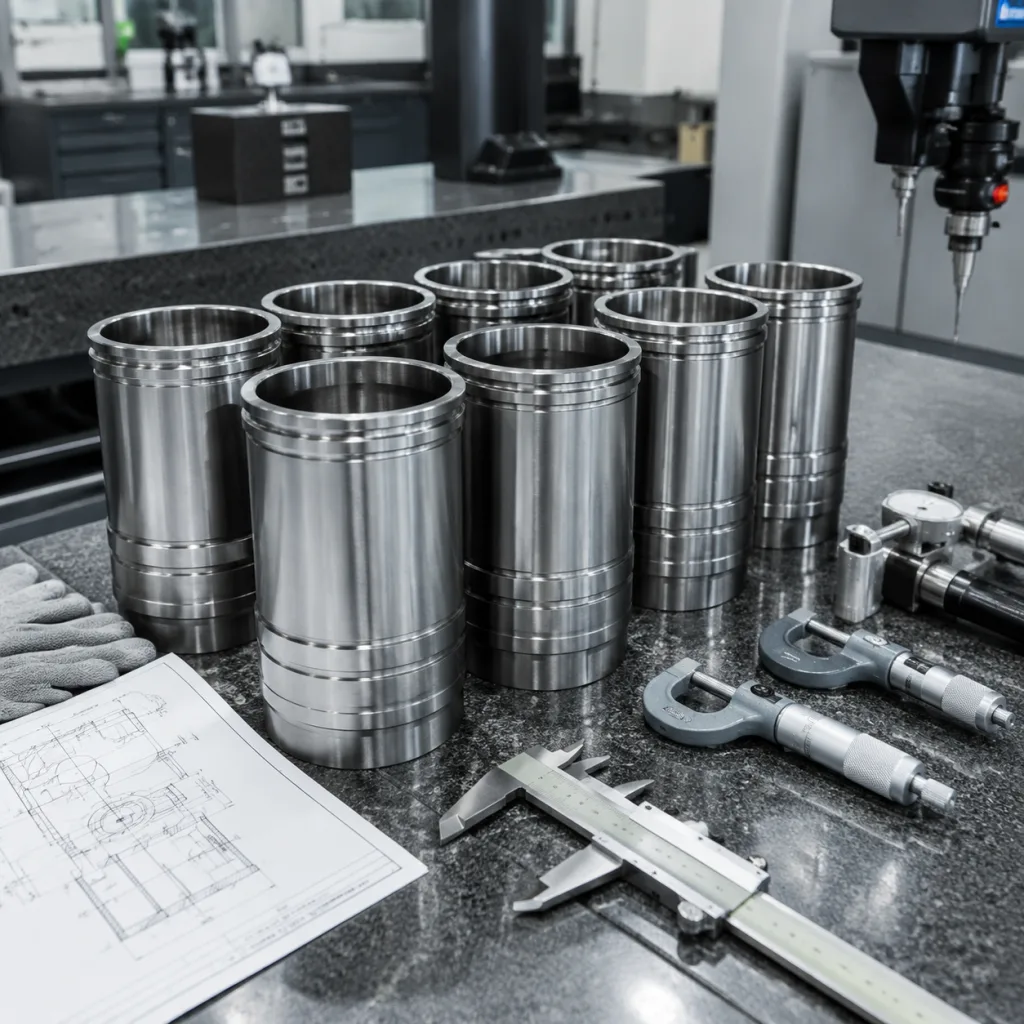
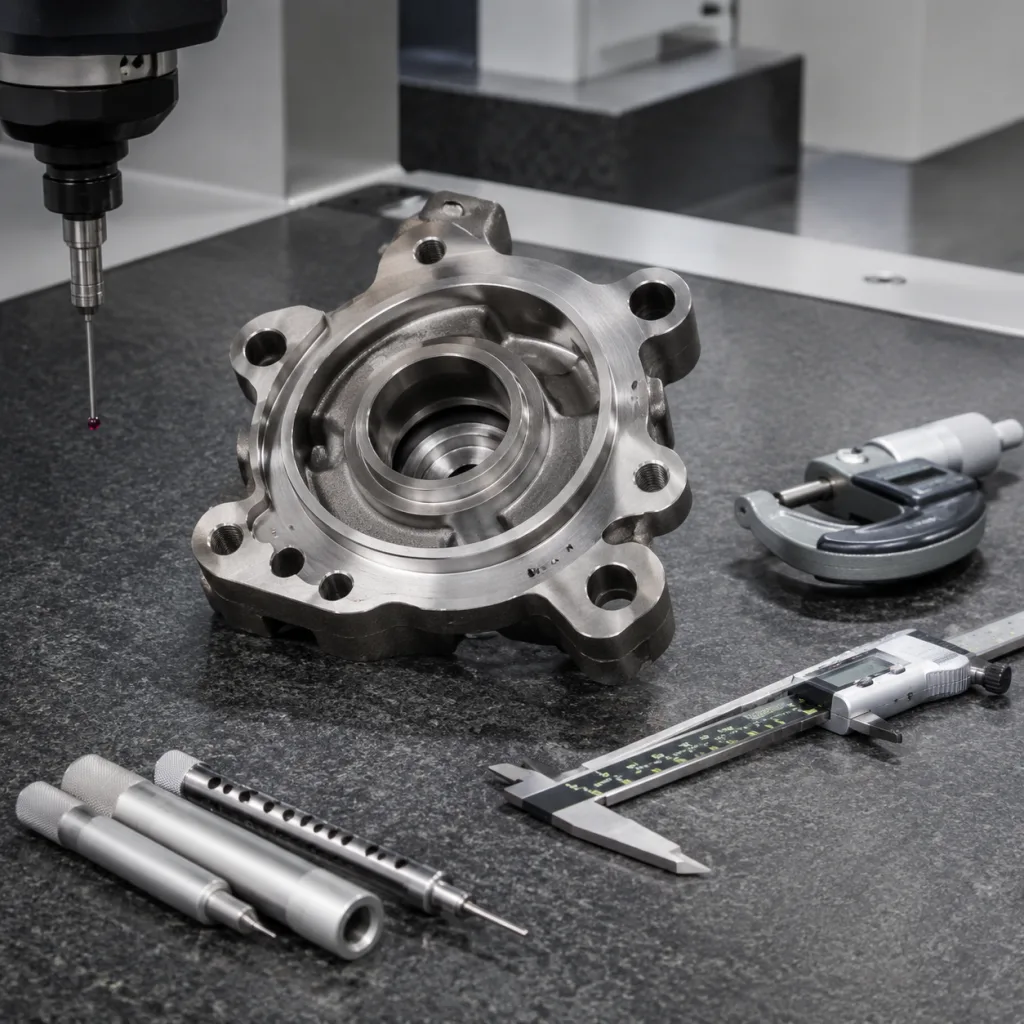
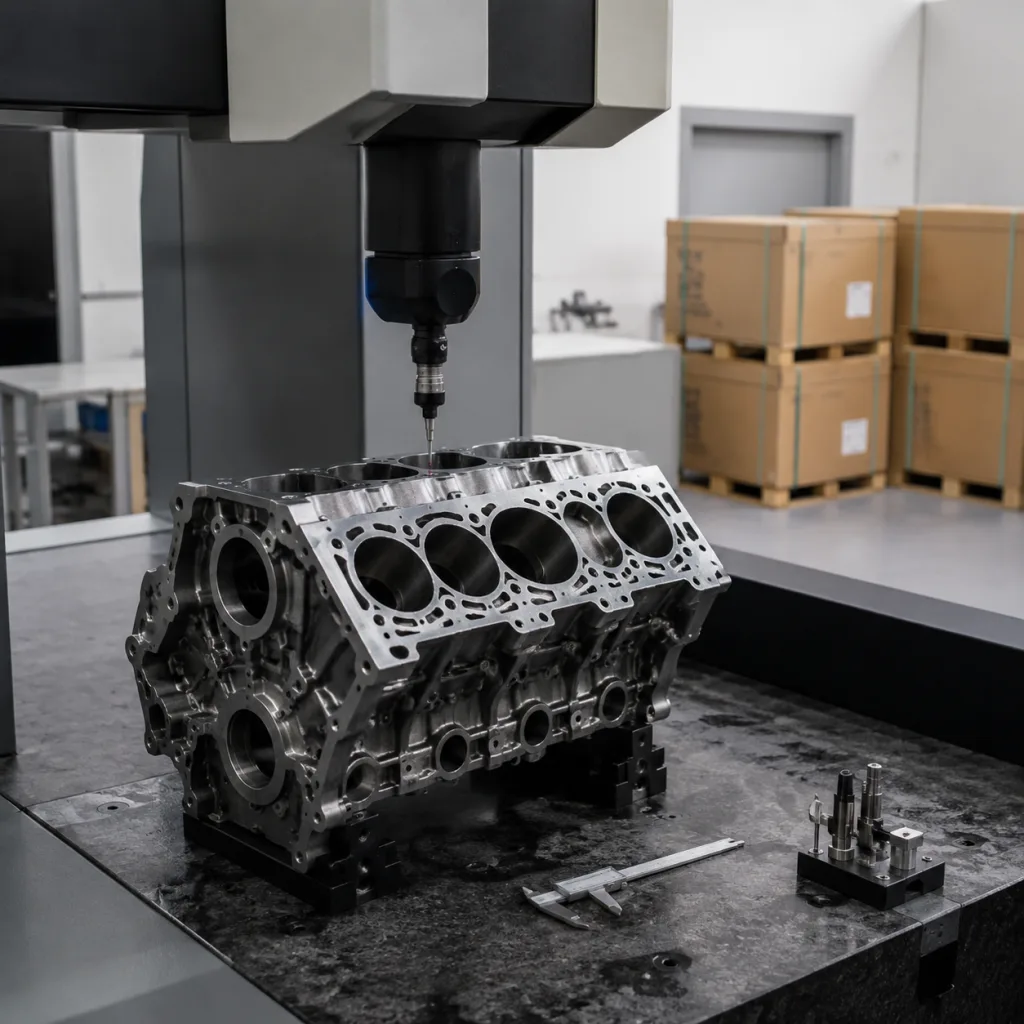
Dimensional inspection against drawing or master sample
Seal integrity and leak check
Actuation response test across the intended voltage or control range
Thermal cycling or endurance summary
Connector pull-force and fit check where electronic control is present
Visual report for casting finish, machining quality, and gasket seating
For corrosion and durability screening, many buyers reference internal test plans or published methods such as `SAE J2527` where appropriate to the component environment. For emissions programmes, align validation to the relevant vehicle or engine compliance framework rather than assuming generic fitment is sufficient.
How Driventus supports Alfa Romeo programmes
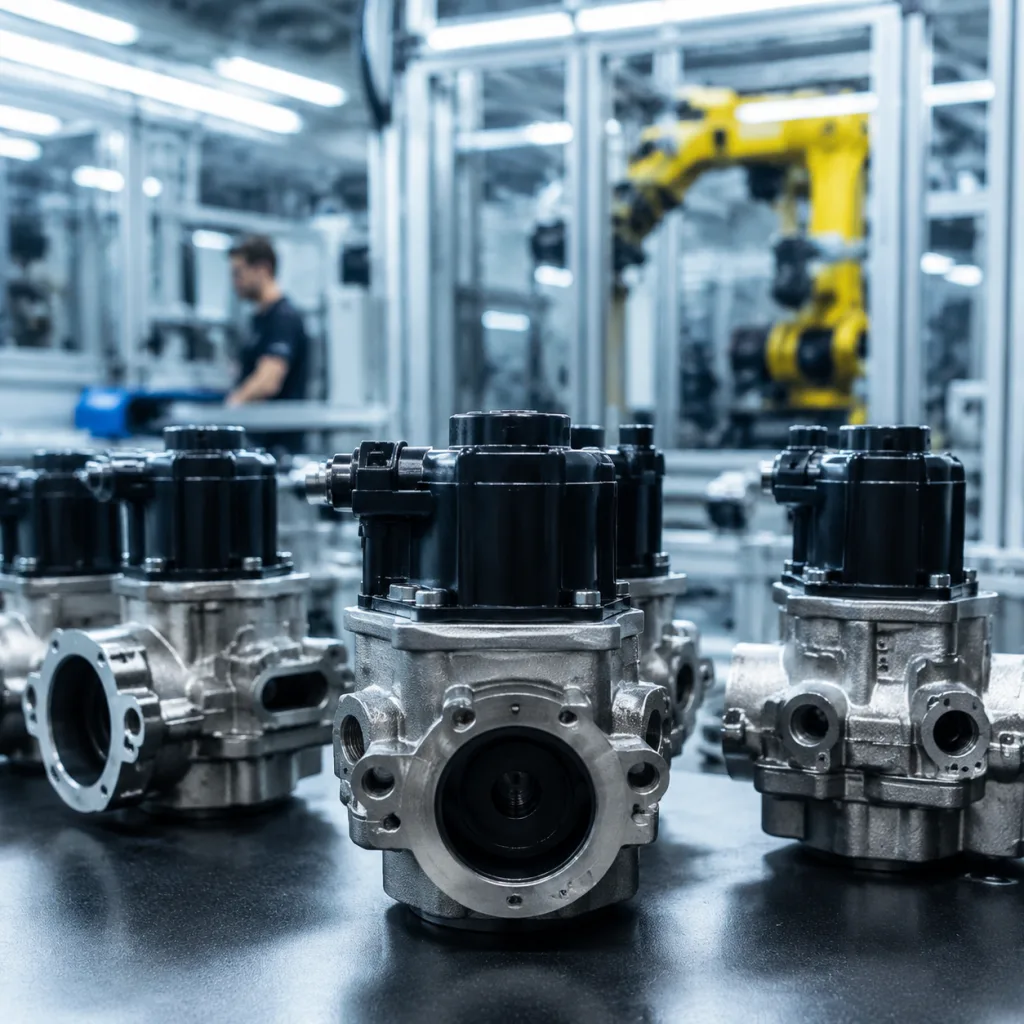
Driventus manufactures engine and powertrain components in Taizhou, Zhejiang and exports to more than 60 countries. For buyers seeking an `egr valve alfa romeo supplier`, the practical value is controlled manufacturing and stable repeatability across production lots.
We support sourcing teams with:
OE cross-reference review at enquiry stage
Dimensional checks against the approved sample or drawing
Lot-based traceability and export documentation
Packaging formats for distributor, warehouse, or repair-chain use
Flexible programme development for private label or catalog supply
Our quality system is documented here: quality system. For broader engine-component sourcing, see our catalog and engine components. If a programme needs a different housing material, connector arrangement, or packaging format, custom manufacturing is available within defined engineering limits.
Commercial terms that change the real cost
Procurement teams should compare suppliers on more than unit price. Total landed cost and supply continuity matter more once a part enters regular demand.
When comparing offers, review:
MOQ by part number and by carton quantity
Sample lead time versus production lead time
Tooling ownership if a new variant is required
Incoterms, packaging spec, and palletisation
Warranty handling process and claim evidence requirements
Forecast support for quarterly or annual replenishment
For buyers building a regional programme, the strongest supplier is usually the one that can keep the same specification stable across multiple shipments. If the part must be modified for a specific application or packaging standard, confirm engineering change control before release.
Frequently asked questions
Provide the model, year range, engine code, OE reference, connector details, and expected annual volume. Photos of the old part and label help reduce fitment mistakes and sample delays.
At minimum, look for `IATF 16949:2016` and `ISO 9001:2015`. For export programmes, ask how traceability, inspection records, and corrective action are handled across batches.
Yes. We support private label and application-specific packaging through defined engineering and commercial review. See [request a quote](/contact.html) for an RFQ entry point.
If you are building a repeat supply programme, send the OE reference, target volume, and packaging requirement through [request a quote](/contact.html). We will review fitment, lead time, and production options.