EGR Cooler Seat Supplier: Sourcing Guide for Buyers
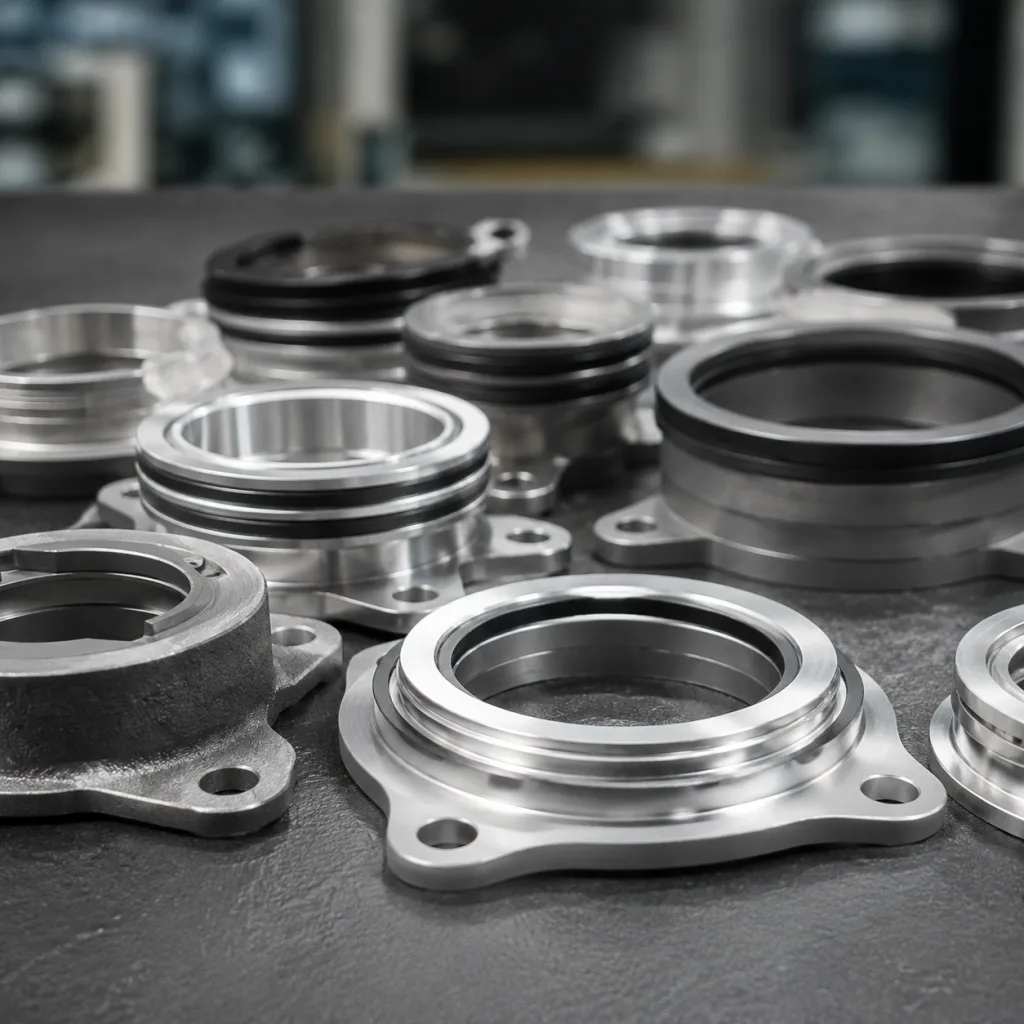
If you are qualifying an egr cooler seat supplier, the decision usually comes down to fit, repeatability, and documentation. Buyers need parts that maintain seal integrity under thermal cycling, match the mating geometry, and arrive with reliable supply terms. For aftermarket distributors, OEM or Tier-1 programs, and repair-chain purchasing teams, the core questions are straightforward: can the supplier build to drawing, how tightly is dimensional control managed, and how quickly can production scale without losing consistency? Driventus is an independent aftermarket manufacturer; brand names are referenced for fitment only. Our EGR cooler seat programs are built under IATF 16949:2016 and ISO 9001:2015 controls, with export-oriented packing and traceability for global B2B sourcing. This guide outlines what to verify before awarding supply, including materials, tolerances, inspection, and commercial terms.
What buyers should verify first
When screening an egr cooler seat supplier, start with the part definition, not the price. A seat that looks simple can still fail if the sealing land, thickness, or surface finish drifts outside specification.
Minimum sourcing checks:
Drawing version and revision control
OE cross-reference, where applicable, for fitment only
Base material and heat-resistance data
Machining tolerance on the seal face and OD/ID features
Sampling plan for PPAP, FAI, or buyer-specific approval
Packaging method to prevent edge damage in transit
Target annual usage, monthly release quantity, and forecast stability
For programs that use OE references, confirm the part is quoted as a dimensional replacement only. We do not claim vehicle-manufacturer approval or endorsement.
Buyer-ready spec targets to confirm on the RFQ:
Critical OD/ID features: typically hold to the buyer drawing, with a common commercial target of ±0.05 mm on non-forming diameters unless otherwise stated
Thickness or stack height: typically ±0.03 mm where seal compression is sensitive
Concentricity/runout on the sealing land: target ≤0.03 mm TIR for tight-fit programs
Surface finish on the seal face: often Ra 1.6–3.2 µm depending on gasket or metal-to-metal interface
Burr limit: no sharp edge, no loose chips, and edge break defined on the print
If you do not have a complete print, ask the supplier to quote against a sample with a written inspection plan, then lock the final dimensional baseline before tooling release.
Materials and construction choices
EGR cooler seats are exposed to hot exhaust flow, condensate, soot, and repeated thermal expansion. Material selection affects service life and installation consistency, so the choice should be tied to the operating environment rather than appearance alone.
Material option
Typical use
Sourcing note
Stainless steel
High-temperature sealing surfaces
Good corrosion resistance and stable geometry
Heat-resistant alloy
Severe thermal cycling
Better durability at elevated exhaust temperatures
Machined metal blank
Custom programs
Suitable when the seat is supplied as a precision-finished component
Gasket-compatible composite interface
Assemblies with matched sealing stack
Requires controlled thickness and compression data
</tr></thead><tbody> </tbody></table>For B2B buyers, the important point is not only material grade but also machining control. Surface finish, concentricity, and burr control affect fit as much as the alloy itself. If your drawing calls for a critical sealing land, ask the supplier to state the process used for final finishing and in-process inspection.
Process detail buyers should ask for:
Raw-stock chemistry certificate tied to heat or lot number
CNC turning or milling sequence for the sealing face and locating features
Deburring method, especially on the contact edge and relief groove
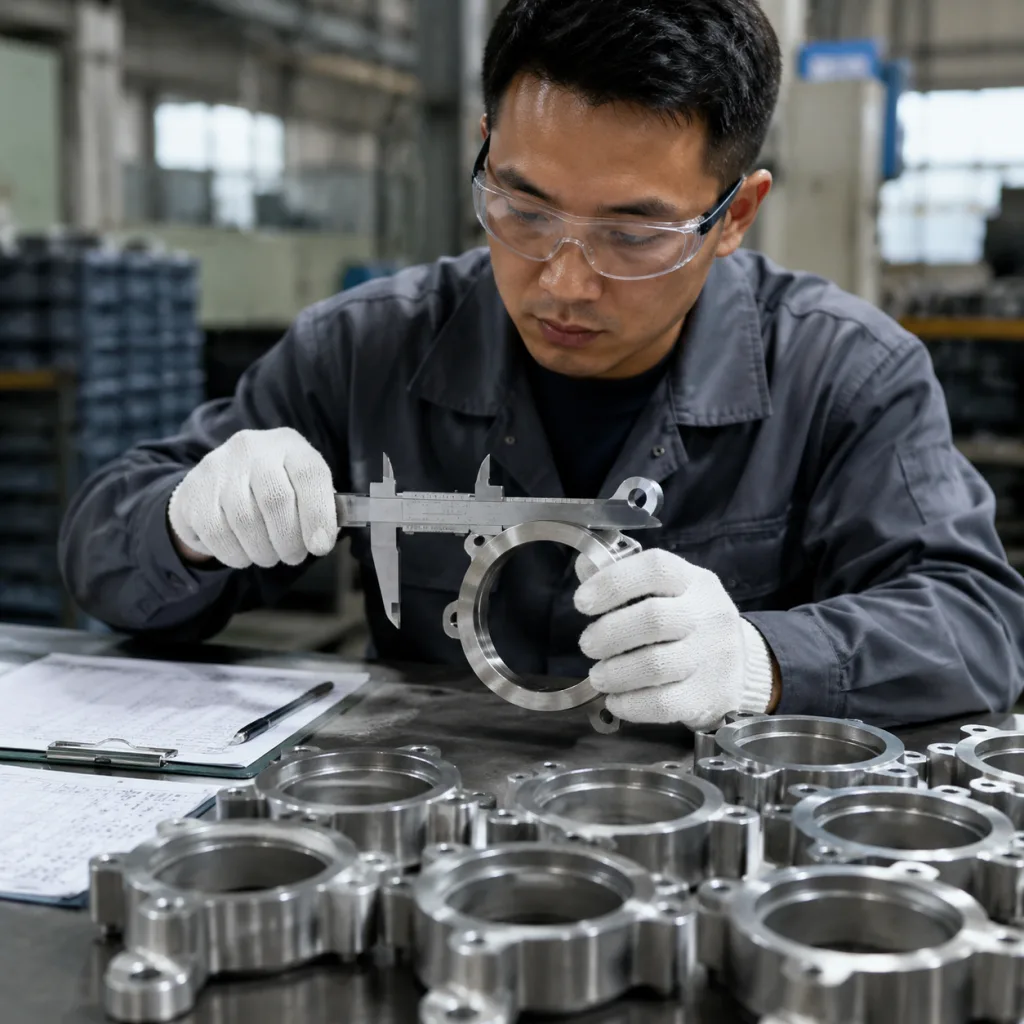
100% go/no-go gauging for critical diameters, or a documented sampling plan if the part family supports it
Final cleaning standard to remove abrasive residue and metal fines
For high-heat applications, buyers commonly request a material hardness or heat-stability target in the 180–240 HB range for certain steel grades, plus a thermal cycling validation report. The exact value should follow the application drawing, not a generic catalog claim.
Lead time, MOQ, and supply planning
A practical supplier relationship depends on stable commercial terms. For aftermarket and fleet channels, the most useful numbers are MOQ, production lead time, and replenishment response.
Typical purchasing questions:
What is the MOQ for the first order and repeat orders?
What is the standard lead time after sample approval?
Can the factory hold safety stock for recurring SKUs?
Is mixed-SKU packing possible for distributor orders?
What documentation ships with each lot?
What is the price break by volume tier?
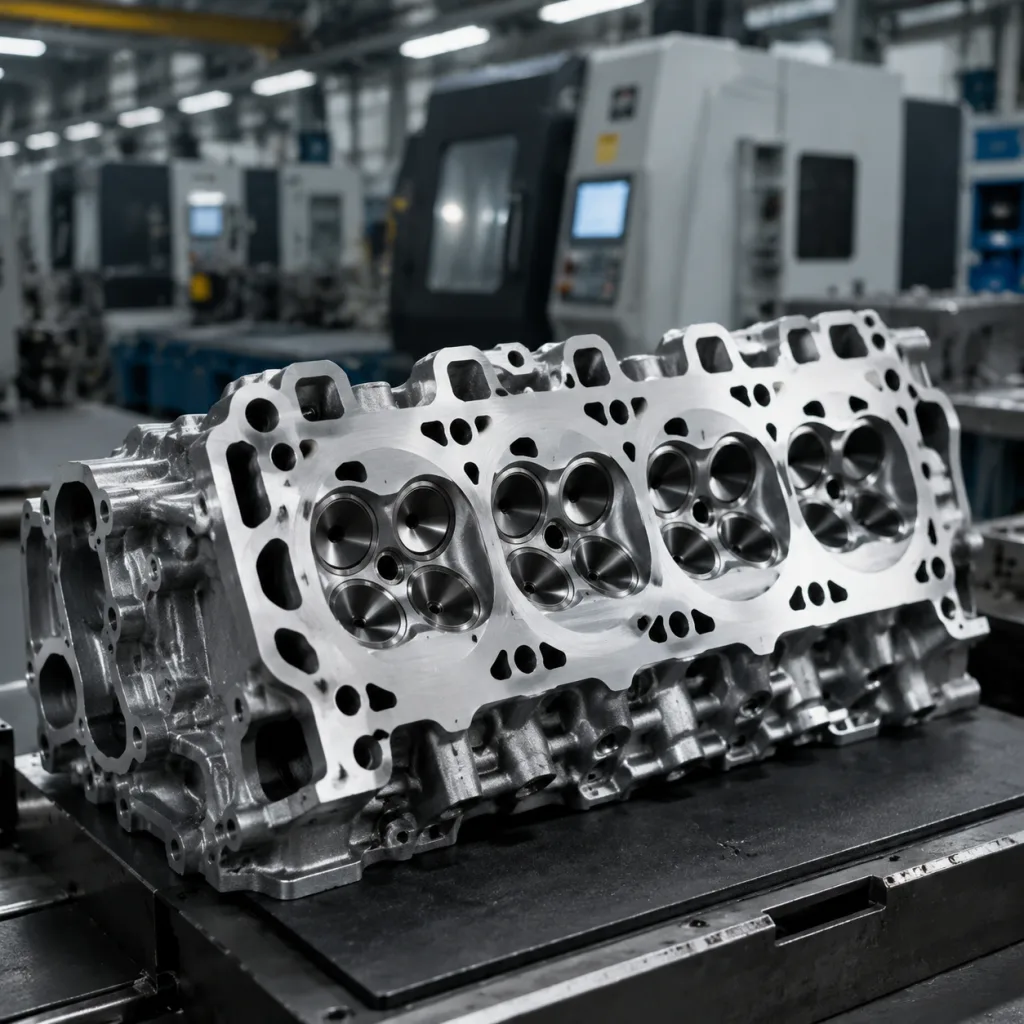
Driventus supports export programs from Taizhou, Zhejiang with a vertically integrated production flow, which helps reduce handoffs between machining, inspection, and packing. That structure is useful when buyers need predictable lead times across multiple part families, including items listed in our catalog and engine components.
Commercial planning benchmarks:
Sample or pilot lot MOQ: often 50–200 pcs for new programs, depending on tooling and inspection burden
Standard production MOQ: commonly 300–500 pcs per SKU for repeat export orders
Lead time after approved sample: often 20–35 days for stable repeat items
New tooling or engineering change: add 2–4 weeks for setup, first article, and approval
Safety stock: keep 1–2 weeks of confirmed demand for fast-moving SKUs if the factory supports replenishment
Price logic buyers can use:
Small lots usually carry a higher unit price because setup and inspection are spread over fewer pieces
Repeat orders should price down once tooling is stable and packaging is standardized
Ask for tiered quotes at 500 / 1,000 / 3,000 pcs so you can compare landed cost rather than nominal unit price alone
Confirm whether the quote includes export packing, lot labels, and test reports, because hidden adders can change the true buy price
Quality controls and documentation
A supplier should be able to show process control, not just a final inspection report. For purchasing teams, the evidence matters because EGR cooling systems operate in demanding thermal and corrosion conditions.
Quality documents to request:
IATF 16949:2016 and ISO 9001:2015 certificates
Material declaration where required for REACH (EC) No 1907/2006 compliance
Inspection report with critical dimensions
Traceability by batch or lot number
Corrective-action procedure for nonconforming parts
Sample approval record with measured data, not just a pass/fail note
A credible supplier will also explain how it controls first-piece checks, in-process gauging, and final audit. You can review how Driventus structures this work through our quality system. For custom dimensions, tooling changes, or special packing, custom manufacturing is available for buyer-specific programs.
Inspection data worth requiring on every lot:
Measured OD, ID, thickness, and any sealing-step dimension called out on the drawing
Lot size and sample size used for inspection
Gauge type used for each dimension
Rejection count, rework count, and disposition for any nonconformance
Packaging check for count accuracy and damage prevention
If your program requires a stricter release gate, specify PPAP level, FAI format, or an AQL plan before the first shipment. That keeps quality expectations consistent across pilot and production lots.
Fitment validation before award
Before moving from sample to production, validate the seat against the mating cooler, valve body, or manifold interface. Dimensional matching should be confirmed on physical samples, not only from drawings.
Validation checklist: 1. Measure the critical diameters, thickness, and seating angle. 2. Check assembly force and contact pattern. 3. Confirm leak resistance under the buyer’s test method. 4. Inspect for distortion after thermal exposure. 5. Recheck fit after vibration or repeat heat cycling where required.
If your program uses OE references such as OE 06A107065 or similar cross-references, use them only as fitment identifiers. The final acceptance standard should still be your own drawing, test, and inspection criteria. That approach reduces the risk of returns and avoids ambiguity between visual similarity and true interchangeability.
Practical validation targets:
Assembly should seat without galling, cross-threading, or edge shaving
Seal contact should be continuous around the full circumference or contact path specified on the print
Leak testing should be run at the buyer’s actual pressure and temperature window, not a generic room-temperature check
Thermal cycling should include at least one hot-to-cool transition sequence representative of service conditions
If the seat is retained by press fit or interference fit, define the acceptable installation force band in newtons or the equivalent press-load range
A supplier that can support dimensional reports, sample traceability, and repeat-fit verification will usually reduce launch risk and shorten the approval cycle.
Frequently asked questions
Yes. We support B2B private label and buyer-defined packaging for export markets. Programs can be built to drawing, sample, or OE cross-reference for fitment only.
Production is managed under IATF 16949:2016 and ISO 9001:2015. Material and compliance requests can also be aligned with REACH (EC) No 1907/2006 where applicable.
Yes. We can support custom manufacturing, pilot sampling, and staged release plans for new programs before full production approval.
If you are qualifying a new source or comparing sample parts, send your drawing, target volume, and fitment notes. Use our request a quote page to start the review: /contact.html