EGR Cooler Mini Supplier: Sourcing, Specs, and Lead Times
For buyers sourcing a compact exhaust gas recirculation cooler, size is only one part of the specification. The part still has to meet port geometry, coolant connection, thermal duty, leak integrity, and corrosion targets while fitting a restricted engine bay. Driventus is an independent aftermarket manufacturer; brand names are referenced for fitment only. If you are comparing an egr cooler mini supplier, the useful questions are practical: can the supplier hold dimensions across batches, provide traceable material data, and support sampling without delays? That matters for distributors, repair chains, and OEM or Tier-1 programmes where the cost of a mismatch is higher than the unit price. The sections below set out the sourcing checks, documentation, and production controls that reduce risk before you place volume.
What a Compact EGR Cooler Supplier Must Deliver
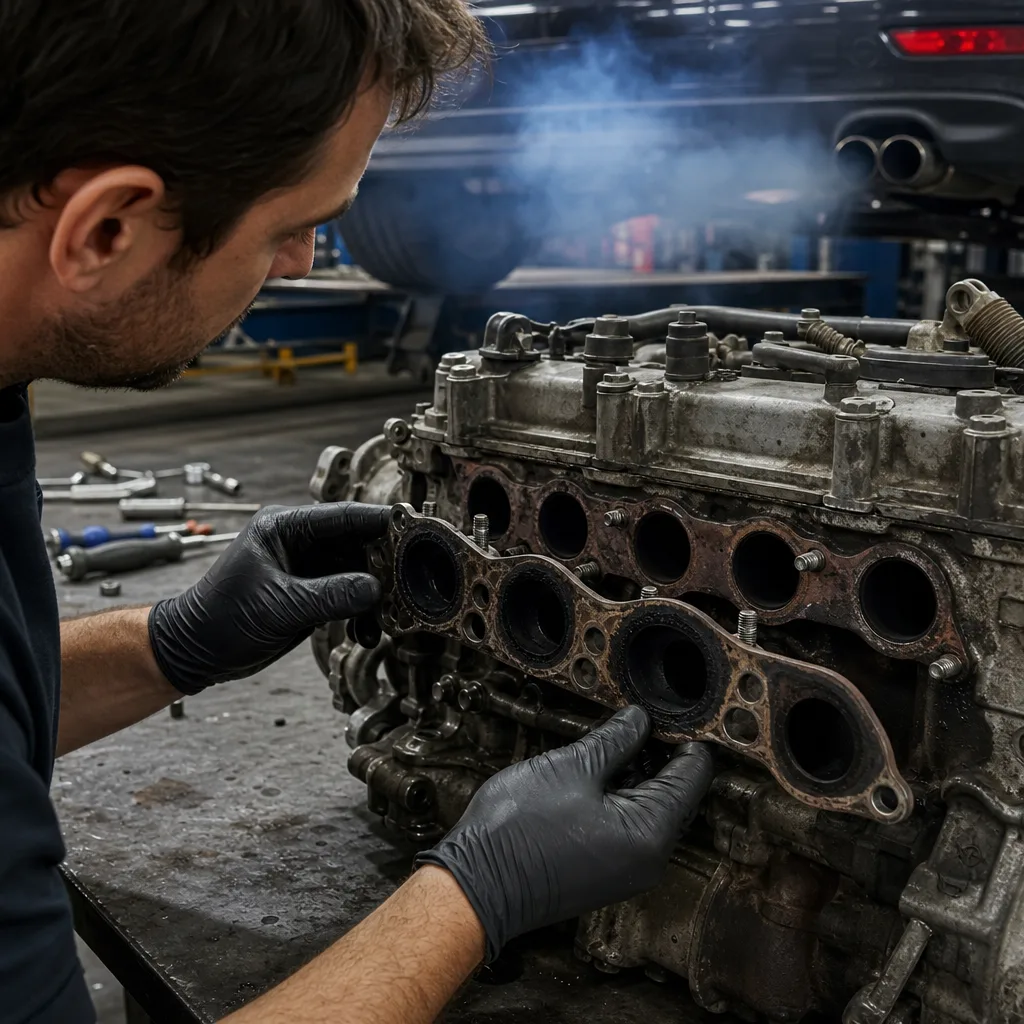
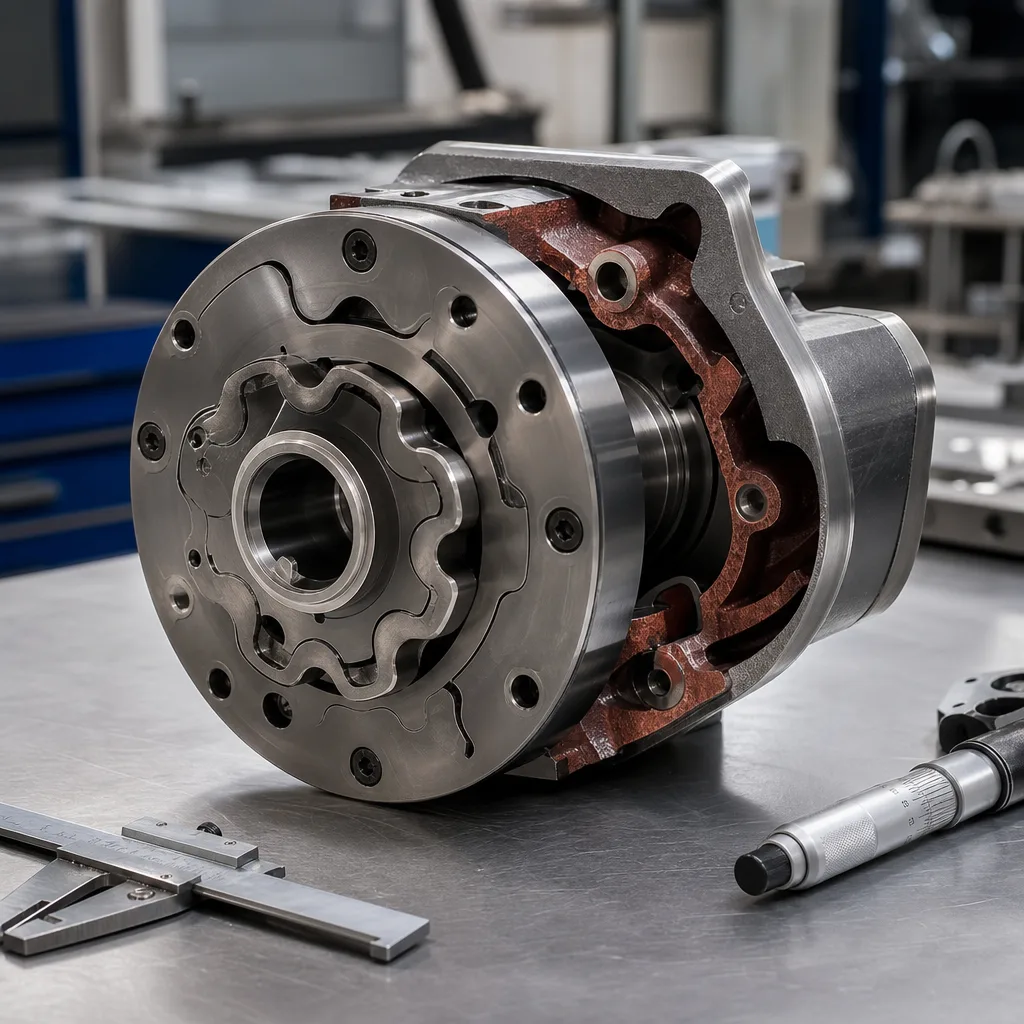
A compact EGR cooler is not only a smaller heat exchanger. It has to match port location, bracket position, mounting depth, and thermal duty while staying inside the original package envelope. For procurement teams, that means the supplier must control geometry, weld integrity, and batch-to-batch consistency.
For a supplier in this segment, the first question is whether the part is built for catalogue fitment or for a drawing-controlled programme. Catalogue parts are faster to source. Drawing-controlled parts are better when the vehicle platform has tight packaging, a revised flange, or a special hose angle. Driventus supports both routes through our catalog and custom manufacturing.
Specifications Buyers Should Verify
Before sampling, request the dimensions and performance data that affect installation and field life. Mini-format coolers often fail on fitment details, not on headline capacity.
Item
What to confirm
Why it matters
Core envelope
Overall length, width, height, and port centre distance
Prevents interference with brackets, shielding, and adjacent hoses
Connection style
Flange, tube, threaded, or quick-connect arrangement
Ensures the part can be installed without adapter risk
Materials
Tube, header, housing, gasket, and fastener specification
Affects corrosion resistance and thermal stability
Pressure drop
Exhaust-side restriction at the intended flow range
Protects drivability and emissions performance
Leak criteria
Coolant-side and exhaust-side test thresholds
Reduces warranty returns and field rework
Thermal validation
Cycle count, temperature range, and soak conditions
Shows whether brazing and sealing remain stable
Packaging
Transit protection, corrosion inhibitor, and carton spec
Lowers damage in export shipping
</tr></thead><tbody> </tbody></table>If your programme includes corrosion or emissions validation, ask for test plans aligned to SAE J2527 where applicable, and consider the vehicle-level context of ECE R-83 when the cooler is part of an emissions control system. For substance declarations, buyers should also request REACH (EC) No 1907/2006 documentation.
Quality System and Documentation
A credible supplier should be able to show an IATF 16949:2016 or ISO 9001:2015 quality system, control plans, gauge calibration records, lot traceability, and first-article reports. On welded or brazed coolers, leak testing is necessary but not sufficient. You also need a defined process window for brazing temperature, fixture control, and post-braze inspection.
A practical document pack should include:
Dimensional inspection records for the first sample and the pilot lot
Material certificates for tubes, headers, housings, and sealing parts
Pressure and leak test reports with stated acceptance criteria
Traceability links from finished part to batch or heat number
REACH declarations and packaging substance controls
Change-control notice periods for tooling, material, or process changes
A quality system that is documented and auditable is more useful than a broad claim about production capability, because it lets your team compare suppliers on the same basis.
MOQ, Lead Time, and Supply Planning
MOQ should reflect process stability, not arbitrary stock risk. Buyers usually want three stages: sample order, pilot batch, and steady-state replenishment. Lead time depends on tooling status, brazing fixtures, and whether the cooler uses an existing core or a new housing. For distributors and repair chains, the best commercial setup is often a small initial run with forecast-based replenishment after fitment approval.
Use the sourcing model that matches your risk profile:
Drawing-controlled build: better for special packaging and tighter fitment needs
Custom manufacturing: suitable when ports, brackets, or core size must be revised
If you are building a broader powertrain basket, engine components can often be sourced on the same procurement cycle. That improves freight planning, document handling, and supplier consolidation.
Factory Audit Checklist Before You Place Volume
A short factory audit will tell you more than a product brochure. Use it to verify the process, not just the finished sample.
Confirm whether the core is furnace-brazed, vacuum-brazed, or welded, and where inspection points are placed
Ask how leak testing is done, at what pressure, and for how long
Review whether the supplier keeps traceability back to material heat or production lot
Check the corrosion-control method for export transit and sea freight
Verify that the supplier can issue country-of-origin, REACH, and packing compliance documents
Ask how engineering changes are controlled after sample approval
If the answers are specific and documented, the supplier is more likely to support stable volume. If they are vague, the commercial risk usually shows up later as fitment complaints or late deliveries. For procurement teams that need a sourcing review, request a quote with the drawing, target market, and annual volume.
Frequently asked questions
MOQ depends on whether the part is a catalogue match or a drawing-controlled build. Existing fitments can often start with samples and a small pilot lot. New geometry usually needs a higher MOQ to cover fixtures, inspection, and packaging setup.
Yes. The main inputs are envelope limits, port orientation, coolant connection type, thermal duty, and annual volume. A drawing-controlled programme should include dimensional checks, leak testing, and agreed change-control before release.
Ask for dimensional reports, material certificates, leak and pressure test records, traceability data, and REACH (EC) No 1907/2006 declarations. For validation work, request the agreed internal test plan and control documents used in production.
Share your drawing, annual volume, and target market if you want a sourcing review or sample offer. Start with [request a quote](/contact.html).