EGR Cooler Jeep Manufacturer China: Sourcing Guide
For procurement teams sourcing an egr cooler Jeep manufacturer China, unit price is only one part of supplier selection. The stronger filters are dimensional repeatability, thermal-fatigue resistance, coolant-side pressure integrity, gas-side sealing, stainless-steel traceability, and the ability to repeat the approved specification without batch-to-batch drift. Driventus is an independent aftermarket manufacturer; brand names are referenced for fitment identification only. We supply B2B buyers that need documented inspection, export-ready packaging, and stable production for aftermarket distribution, OEM/Tier-1 supply, or fleet maintenance programmes. Before issuing an RFQ, confirm the cooling-circuit layout, exhaust-gas and coolant connections, material specification, gasket interface, flange flatness, sensor bosses, bypass-valve arrangement where applicable, and the test regime required by your market. Our programmes are aligned with IATF 16949:2016 and ISO 9001:2015, with chemical compliance support for REACH (EC) No 1907/2006 where required.
What to confirm before you send an RFQ
A useful RFQ removes fitment ambiguity before pricing starts. At minimum, define the application family, engine code if available, fuel type, model year range, emissions package, inlet and outlet geometry, flange pattern, sensor ports, mounting points, and every coolant hose, pipe, or quick-connect interface. Add core length and width, tube-stack height, flange thickness, gasket type, gasket-face finish, wall-thickness target, and dimensional tolerances for bolt holes, port centres, and bracket datum points.
For Jeep EGR cooler sourcing, small differences can create major installation risk. Regional calibration, emission stage, turbocharger layout, exhaust manifold position, or coolant routing can change the cooler body, bypass arrangement, sensor boss, actuator bracket, or mounting ear even when two parts look similar in photos. If your team already has OE cross-reference data, send it together with drawings, sample photos, installation position, supersession numbers, and mating-pipe details so the supplier can confirm the exact variant rather than quote a visually similar part.
Procurement teams should separate commercial requirements from engineering requirements in the first RFQ. Annual volume, target MOQ, delivery destination, carton marking, pallet height, incoterms, and required documents affect the quotation, but they should not replace the technical file. A strong egr cooler Jeep manufacturer China quotation should identify the reference part number, confirmation basis, inspection plan, sample status, and which pressure, leak, dimensional, and packaging checks are included before shipment.
For related parts, review our catalog and the broader engine components range before finalising the bill of materials.
Materials and weld quality that affect service life
For EGR coolers, failure is usually driven by soot restriction, coolant contamination, thermal-fatigue cracking, internal leakage, or weld oxidation. Material choice and joining process matter more than cosmetic finish because the part works across two aggressive environments: hot exhaust gas on one side and pressurised coolant on the other. A cooler that passes a quick visual check can still fail early if the tube bundle, header plate, flange, brazed joint, or welded bracket is not controlled consistently.
Typical buyer checkpoints include:
- Stainless tube and header metallurgy matched to the duty cycle, commonly austenitic stainless grades such as 304, 316L, or equivalent drawing-specified material
- Tube wall thickness and header thickness recorded against the approved drawing or golden sample
- Braze or weld integrity at every pressure boundary, including tube-to-header joints and bypass sections
- Flange flatness and gasket-face condition controlled to the buyer's sealing requirement
- Bolt-hole position, port centreline, bracket angle, and mounting-ear height measured from agreed datums
- Internal cleanliness after brazing, welding, pickling, passivation, or washing to reduce contamination risk after installation
- External corrosion resistance, coating adhesion, and handling marks checked before packing
- Consistent flange thickness, bolt-hole chamfer, weld bead profile, and sensor-boss thread quality
Where a drawing calls for a specific alloy, coating, gasket interface, or surface treatment, the part should be built to that requirement rather than substituted for convenience. Stainless-steel grade, tube wall thickness, braze filler, weld penetration, shielding gas control, and post-process cleaning all influence long-term durability. On Jeep diesel applications, repeated heat-up and cool-down cycles can expose weak joints, especially around tube-to-header areas, bypass-valve sections, welded flanges, and mounting features that are loaded by vibration.
A sourcing team should ask how the supplier prevents oxidation, distortion, and internal residue during production. Useful evidence includes material certificates, weld procedure controls, brazing-furnace records where applicable, operator inspection records, pressure-boundary checks, thread-gauge records, and photos of critical features before final assembly. For private label cartons, barcode labels, or retail-neutral packaging, use custom manufacturing so the commercial specification and the production specification stay aligned.
Validation data buyers should ask for
Validation should be document driven, not based on verbal assurance. Before sample approval, buyers should ask for a dimensional inspection report, pressure test record, leak test result, material certificate, surface or corrosion evidence where specified, and inspection photos for critical interfaces. For emissions-related programmes, the technical file may also reference ECE R-83 expectations at the vehicle level, while surface durability or corrosion work may call for SAE J2527, ISO 9227 salt-spray exposure, or an equivalent buyer-defined test plan.
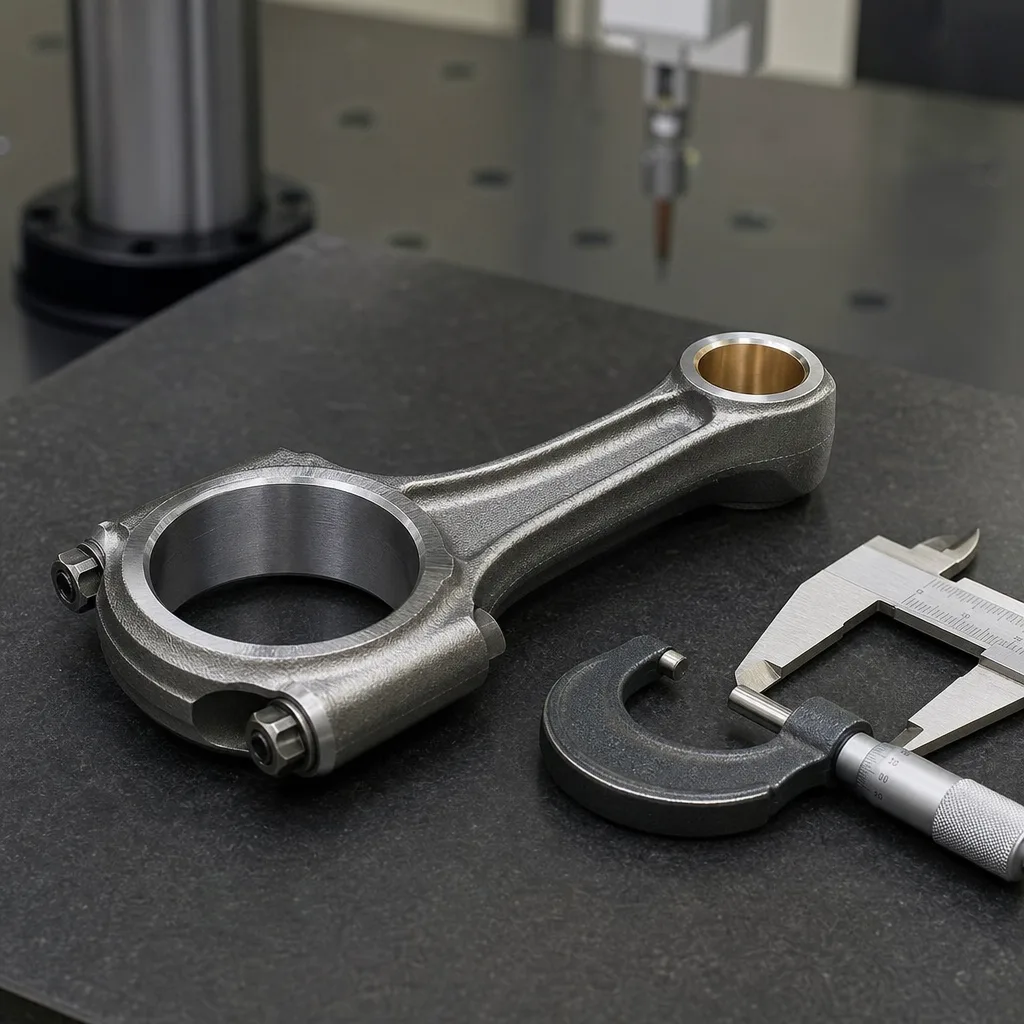
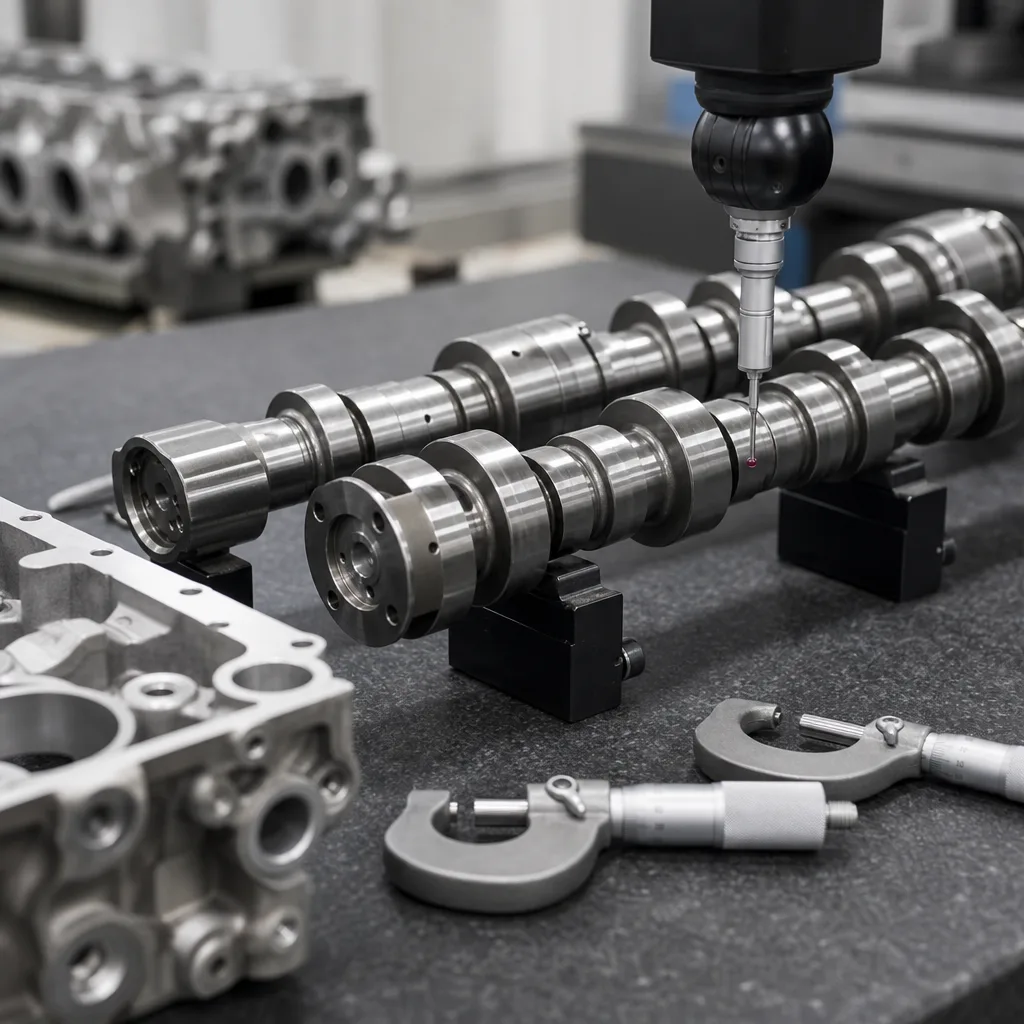
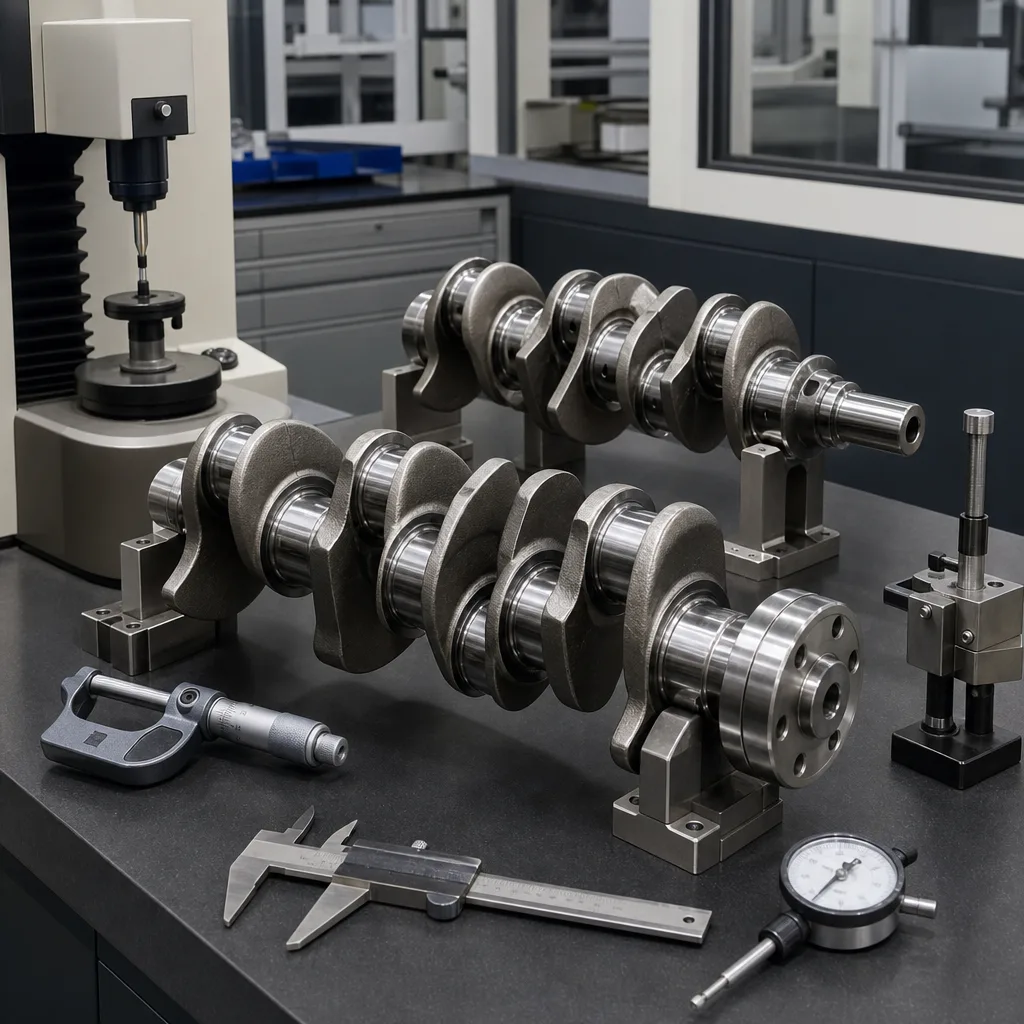
The most useful validation package links each test back to the part number, drawing revision, production batch, inspection date, measuring equipment, and sample status. A buyer should be able to see which dimensions were measured, what acceptance limits applied, whether gauges or CMM fixtures were used, and whether the test was performed on a prototype, pilot lot, or production lot. For EGR coolers, common checks include coolant-side pressure retention, gas-side leakage, flange flatness, port position, mounting-hole tolerance, thread quality, weld appearance, actuator or bypass fit where applicable, and packaging drop or transit protection review.
Thermal cycling deserves particular attention because the cooler expands and contracts repeatedly under real vehicle conditions. Ask the supplier to define the cycle profile rather than simply state that thermal testing was completed: temperature range, number of cycles, dwell time, coolant pressure, inspection interval, and final leak-test limit should be visible in the report. If the part is intended for fleet, wholesale, or high-volume aftermarket supply, ask whether the supplier can support repeat validation after tooling changes, process changes, fixture repair, or material-source changes. This helps prevent an approved sample from becoming disconnected from later production.
We do not claim vehicle manufacturer approval. The correct approach is to supply traceable evidence that your engineering and quality teams can compare against the vehicle programme, duty cycle, and local compliance file. Our quality system page outlines the inspection flow from incoming material control to final packing. That is the baseline a procurement team should expect when evaluating a China-based source for this part family.
Supply model, MOQ, and lead time
Many buyers are replacing fragmented purchasing with a single controlled supply line. That changes the conversation from one-off pricing to MOQ by SKU, forecast stability, revision control, lot traceability, and how quickly a supplier can repeat the same quality after the first approved shipment. For an EGR cooler Jeep manufacturer China programme, the best supply model depends on whether the buyer is filling a stock range, developing a private-label item, consolidating SKUs, or supporting a project with formal drawing control.
| Programme type | Best fit | Typical buyer need |
|---|---|---|
| Stock replacement range | Distributors and repair networks | Lower MOQ, faster dispatch, repeatable packaging |
| Custom manufacturing | OEM and Tier-1 projects | Drawing control, project lead time, sample approval |
| Mixed SKU consolidation | Multi-location fleets and wholesalers | Combined shipment planning, carton optimisation |
| Private label supply | Brand owners and importers | Artwork control, barcode labels, stable carton specification |
| Technical resourcing | Buyers replacing an unstable supplier | Fitment confirmation, sample comparison, process review |