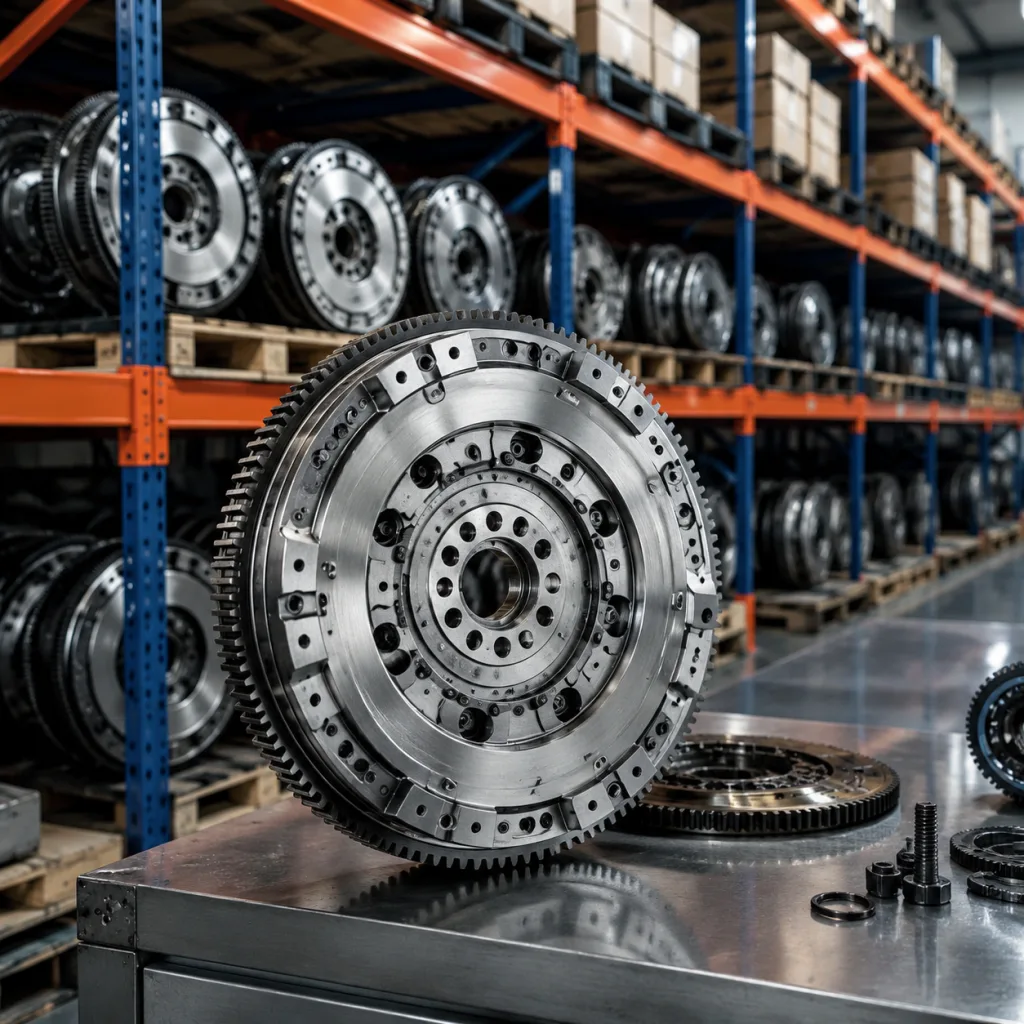
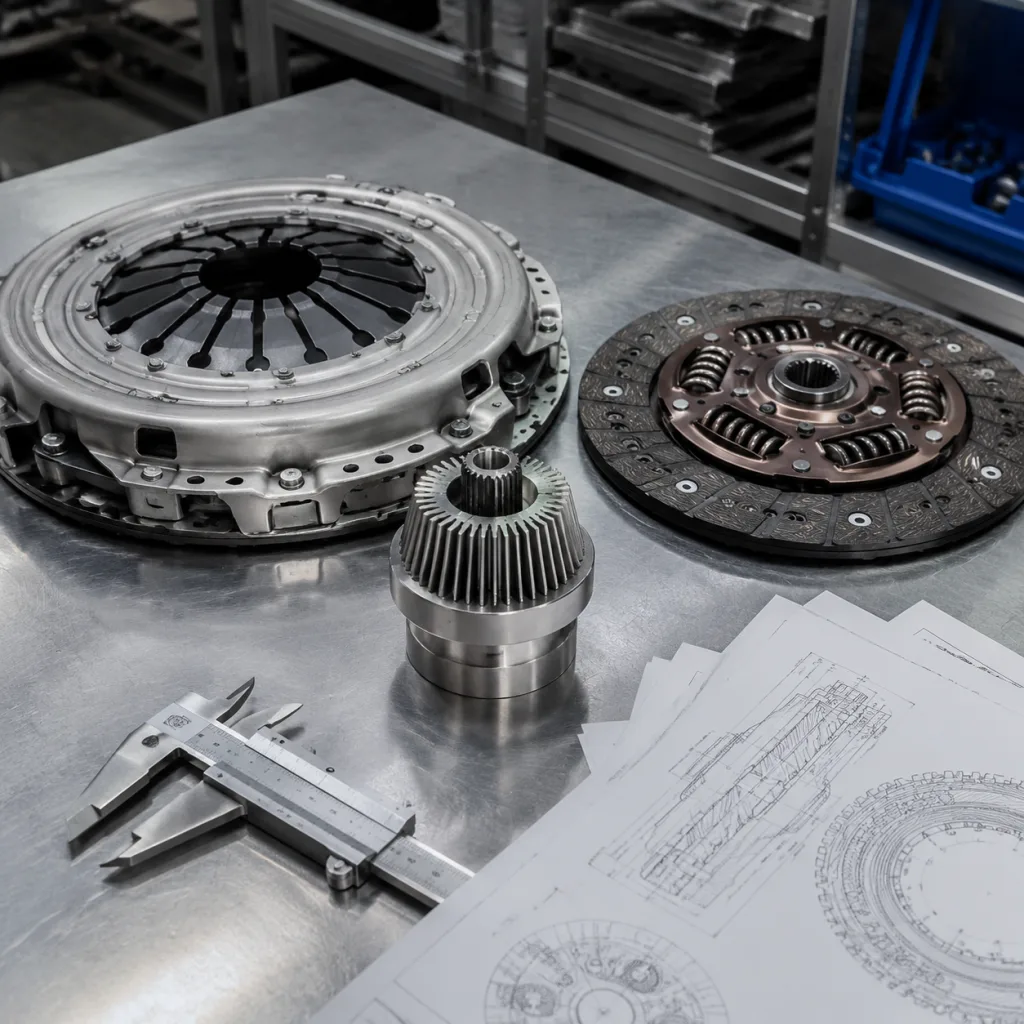
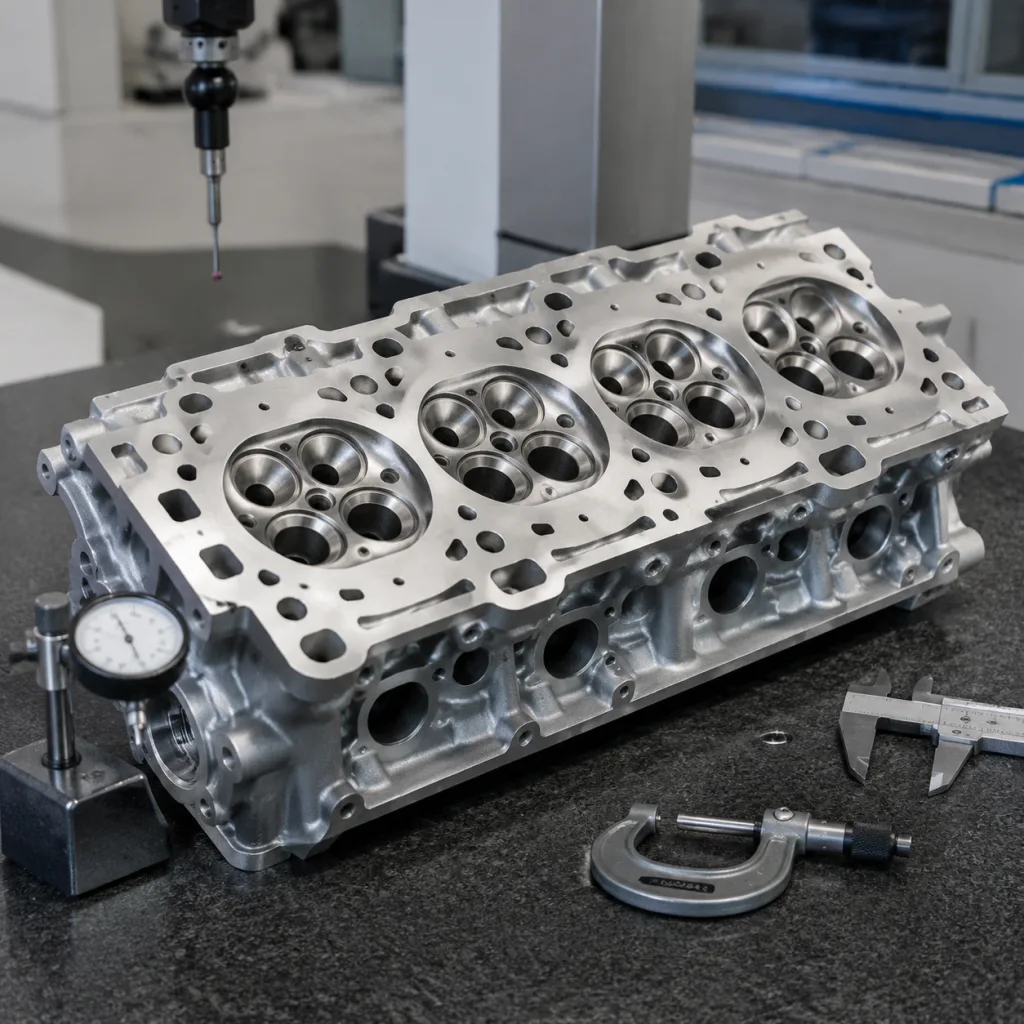
Dual Mass Flywheel Infiniti Wholesale Supply Guide
Wholesale buyers searching for a dual mass flywheel Infiniti wholesale source need more than a part name and a unit price. The real decision is whether the supplier can match OE fitment, hold tolerances, and keep repeat orders consistent across multiple SKUs. That matters for distributors, repair networks, and importers that depend on stable lead times, inspection records, and documentation that survives procurement review. Driventus is an independent aftermarket manufacturer; brand names are used here for fitment reference only. This guide breaks the buying process into the checks that actually reduce risk: application validation, process control, spec comparison, validation testing, and order planning.
First, decide if the part is a true fit
Start with application data, not price. A dual mass flywheel is sensitive to engine code, transmission type, bolt pattern, starter engagement, offset, and damping characteristics. If one of those variables is wrong, the part may still bolt up and then create vibration, noise, or clutch wear.
What to confirm before you compare suppliers
Vehicle application by engine code, transmission type, and OE reference
Housing and friction-surface dimensions against an OE sample
Bolt circle, tooth count, and offset confirmation
Balance record and runout limits from production inspection
Packaging, labelling, and batch traceability for warehouse intake
For wholesale programs, ask for cross-references in the format your team already uses, including OE-style references such as `12310-xxxxx` when those are available in your internal catalogue. Driventus does not claim OEM approval; it supplies independent aftermarket parts based on verified fitment data.
Where wholesale programs fail in practice
Most sourcing problems show up after the order is placed. The usual failure modes are easy to spot early if you know what to look for.
A flywheel can pass a visual check and still be wrong on tooth count, mass distribution, or clutch interface. That leads to returns, repeat labor, and warranty friction. It can also happen the other way around: the part is technically correct, but the supplier cannot hold the same dimensions, packaging, or batch traceability on the next shipment.
That is why buyers should treat the supplier as a process owner, not just a seller. The question is not only “What is the unit price?” It is also “Can this factory repeat the same result across reorders, claims, and market-specific packing rules?”
Spec check: the fields that matter most
Dual mass flywheels vary by engine platform, but buyers can compare a small set of technical fields to screen suppliers quickly and consistently.
Specification field
What to confirm
Why it matters
OE cross-reference
Match to engine and transmission application
Prevents misfit and returns
Runout
Controlled during machining and final inspection
Reduces vibration and noise
Balance
Dynamic balance record per batch or part
Supports smooth drivetrain operation
Tooth count
Verified against starter engagement
Avoids starting issues
Material set
Casting, spring pack, friction ring, hardware
Affects durability and service life
Packaging
Corrosion protection and label traceability
Protects freight and warehouse handling
</tr></thead><tbody> </tbody></table>If you are sourcing at scale, ask whether the factory can support engine-family coverage through our catalog and related engine components. That makes it easier to consolidate purchasing across pistons, gaskets, pumps, and flywheels without adding separate supplier layers.
Why process control and certification change the outcome
Certification matters because wholesale buyers need evidence, not assurances. Driventus works to IATF 16949:2016 and ISO 9001:2015, which supports process discipline in production, inspection, and corrective action.
Our quality system is relevant to wholesale sourcing because it helps document:
Incoming material checks
In-process dimensional inspection
Final functional inspection
Nonconformance handling and batch traceability
Supplier control for outsourced processes
For export programs, materials and surface treatments should also be reviewed against applicable chemical compliance requirements such as REACH (EC) No 1907/2006 where relevant. If your tender requires documentation, ask for certificates, inspection reports, and sample approval records before release.
How to build the RFQ and reorder plan
Wholesale supply is not only about unit price. The order structure has to fit your inventory model and service-level targets. For a dual mass flywheel program, buyers should confirm MOQ by SKU, standard lead time, and whether repeat orders can use the same tooling and inspection regime.
A practical RFQ should ask for:
MOQ per part number
Sample lead time and production lead time
Carton dimensions and pallet configuration
Warranty terms for B2B resale channels
Support for mixed-SKU export shipments
Driventus manufactures in Taizhou, Zhejiang, and exports to 60+ countries. For larger programs, custom manufacturing can align packaging, labelling, and application coverage with distributor requirements. If your team is planning a multi-market rollout, request a quote early so lead-time and freight assumptions can be built into your forecast.
What validation tests to ask for before approval
A supplier statement is not enough. The part should be backed by measurable test data that works for commercial fleets and repair networks, not just a catalog claim.
Useful validation items
Dimensional inspection report for the first article sample
Dynamic balance verification
Runout measurement at relevant datum points
Functional rotation or torsional response check where applicable
Salt spray or corrosion-resistance data if finish is critical
Packaging drop or transit protection checks for export cartons
Where a program requires additional evidence, ask whether the supplier can align test methods with published standards or customer-specific procedures. For aftermarket fitment, practical acceptance usually depends on OE-equivalent dimensions, stable damping behaviour, and controlled batch-to-batch variation. Driventus does not promise vehicle-manufacturer endorsement; it supplies parts for independent aftermarket use only.
Frequently asked questions
Yes, mixed-SKU programs are typically possible if the applications are confirmed in advance. The buyer should provide OE references, engine codes, and target quantities so packaging and lead time can be planned correctly.
Ask for certificates to IATF 16949:2016 and ISO 9001:2015, inspection records, fitment cross-references, and packaging details. If your market needs chemical compliance data, request REACH-related documentation where relevant.
Yes. Custom labelling, carton design, and export packing are normally handled through the OEM-services workflow. Share your required brand presentation, barcode format, and destination-market rules before production starts.
If you are building a repeatable wholesale programme for Infiniti applications, send your OE references, target volumes, and delivery window. We will review fitment and supply options through /contact.html