Cylinder Sleeve Hyundai Supplier: B2B Sourcing Guide
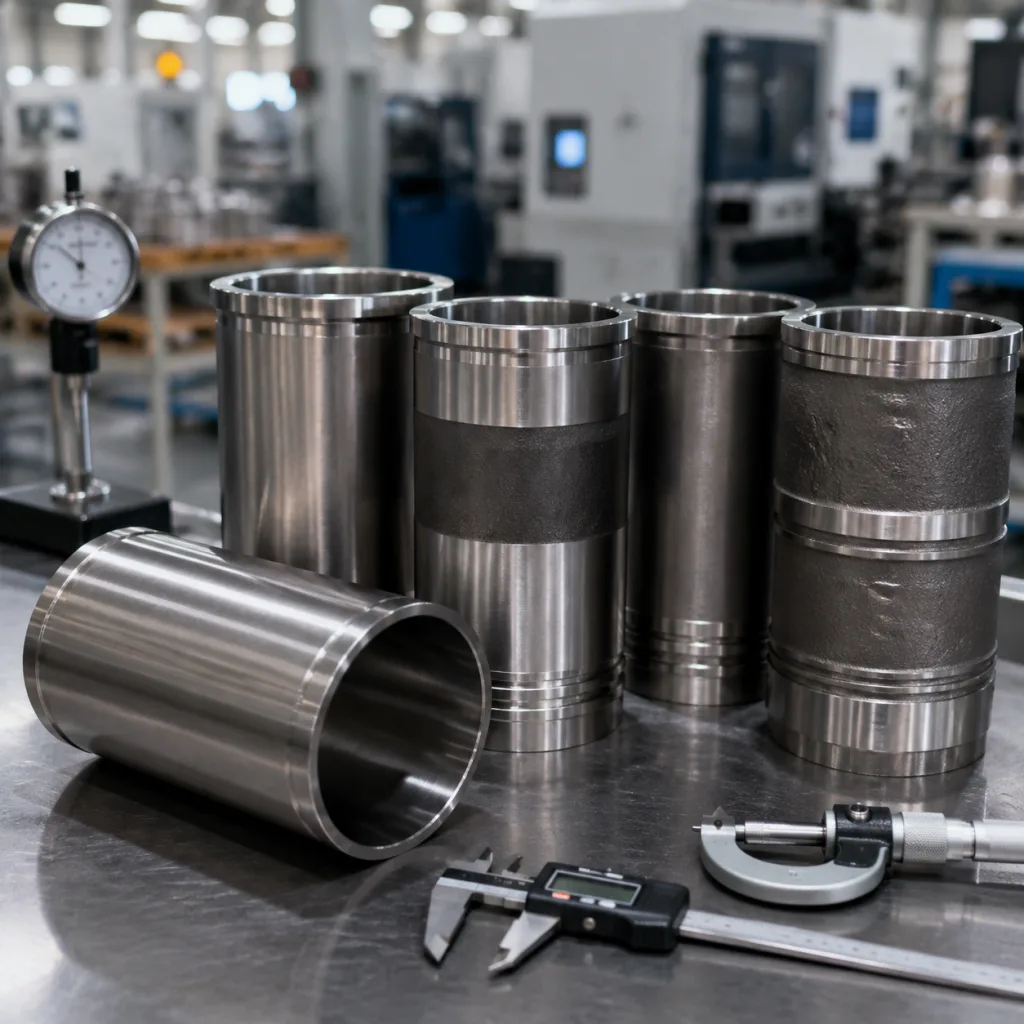
If you are sourcing a cylinder sleeve Hyundai supplier, the real questions are technical and operational rather than promotional. You need bore size control, alloy selection, surface finish, batch consistency, and confidence that the factory can support repeat supply for rebuild or remanufacturing programmes. For procurement teams, the practical test is straightforward: can the supplier match the OE geometry, document material and process control, and ship on a schedule that fits your inventory model? Driventus produces engine and powertrain components in Taizhou, Zhejiang, with export experience across 60+ countries and certification to IATF 16949:2016 and ISO 9001:2015. Driventus is an independent aftermarket manufacturer; brand names are referenced for fitment only. Use this guide to evaluate sleeve capability, supplier documentation, and commercial terms before you place a trial order.
What buyers should confirm first
For Hyundai engine programmes, the first screening step is fitment control. A sleeve that looks correct in photos can still fail on interference fit, deck height, or finished bore tolerance.
Before you request samples, confirm the following:
- Engine code and cylinder count
- OE sleeve or block bore dimensions
- Finished bore diameter and hone allowance
- Sleeve wall thickness and flange geometry
- Material type, usually cast iron or alloyed iron
- Surface hardness and wear requirement
- Packaging standard for sea freight and warehouse intake
If you already have an OE reference, ask for cross-checking against the OEM drawing or teardown sample. Keep the procurement request focused on measurable data rather than generic compatibility claims. For broader engine-part sourcing, see our catalog and the engine family overview at /products/engine-components.html.
Typical sleeve specifications and controls
A qualified cylinder sleeve supplier should document the full process chain, from casting to final inspection. For Hyundai replacement and remanufacturing work, buyers usually ask for the following controls.
| Item | Typical control point | Why it matters |
|---|---|---|
| Material | Alloyed cast iron / ductile iron grade | Wear resistance and thermal stability |
| Outer diameter | Controlled to drawing tolerance | Interference fit in block |
| Inner diameter | Pre-finish and final hone allowance | Stable piston clearance |
| Wall thickness | Measured at multiple points | Heat transfer and strength |
| Flange height | Controlled where applicable | Deck sealing and head gasket interface |
| Roundness / taper | Measured after machining | Ring seal and oil control |
| Surface finish | Verified by production standard | Bedding-in and oil retention |