Buyers sourcing a cylinder sleeve Honda manufacturer China should focus on dimensional control, material grade, and repeatable inspection data before price. For engine rebuild and aftermarket supply, the sleeve must match bore size, flange height, wall thickness, and surface finish within the drawing tolerance, or the installation will fail during honing, sealing, or heat cycling. Driventus supplies engine components from Taizhou, Zhejiang, with IATF 16949:2016 and ISO 9001:2015 systems in place, and exports to B2B customers in more than 60 countries. Driventus is an independent aftermarket manufacturer; brand names are referenced for fitment only. For buyers comparing vendors, the key questions are simple: can the factory hold stable metallurgy, can it document incoming and in-process inspection, and can it support OE cross-reference checks without claiming OEM approval? This article sets out the procurement points that matter for distributors, repair chains, and import managers.
What procurement teams should verify first
For cylinder sleeve sourcing, start with the drawing and the test method, not the brochure.
Base material: grey cast iron, alloy cast iron, or steel-backed sleeve construction, depending on application
Surface finish: bore finish after machining and the required honing allowance
Roundness and taper: confirm the acceptance limits on the customer print
Heat treatment or stress relief: ask for process data where required
Corrosion control: packaging, oil film, and storage conditions for export
If the program is tied to a specific engine family, ask for OE 06A107065-style cross-reference formats only where the application already uses that convention. Driventus can support drawing-based review and fitment checks, but it does not claim vehicle-manufacturer approval.
Factory capability, MOQ, and lead time
A China supplier is most useful when it can support both stock lines and lower-volume catalogue variants. For procurement, the practical questions are MOQ, sample lead time, and production stability.
Item
Typical sourcing check
MOQ
Separate MOQ for standard sleeves and custom sizes
Sample time
Confirm pre-production samples before bulk order
Bulk lead time
Ask for capacity by month, not a single promise
Packaging
Rust prevention, carton strength, pallet method
Traceability
Batch number, inspection record, and packing list
</tr></thead><tbody> </tbody></table>Driventus serves aftermarket distributors, OEM / Tier-1 suppliers, and multi-location repair chains. That means the supply model should support repeat orders, not only one-off shipments. If you need mixed part numbers across a programme, confirm whether the factory can consolidate cartons, split lots, and maintain the same dimensional control across batches.
Quality controls that reduce returns
A cylinder sleeve is a precision part, but many field failures come from weak process control rather than design. Buyers should ask for the inspection plan, not only the final inspection sheet.
Recommended checks
Chemical composition verification for each melt or incoming material lot
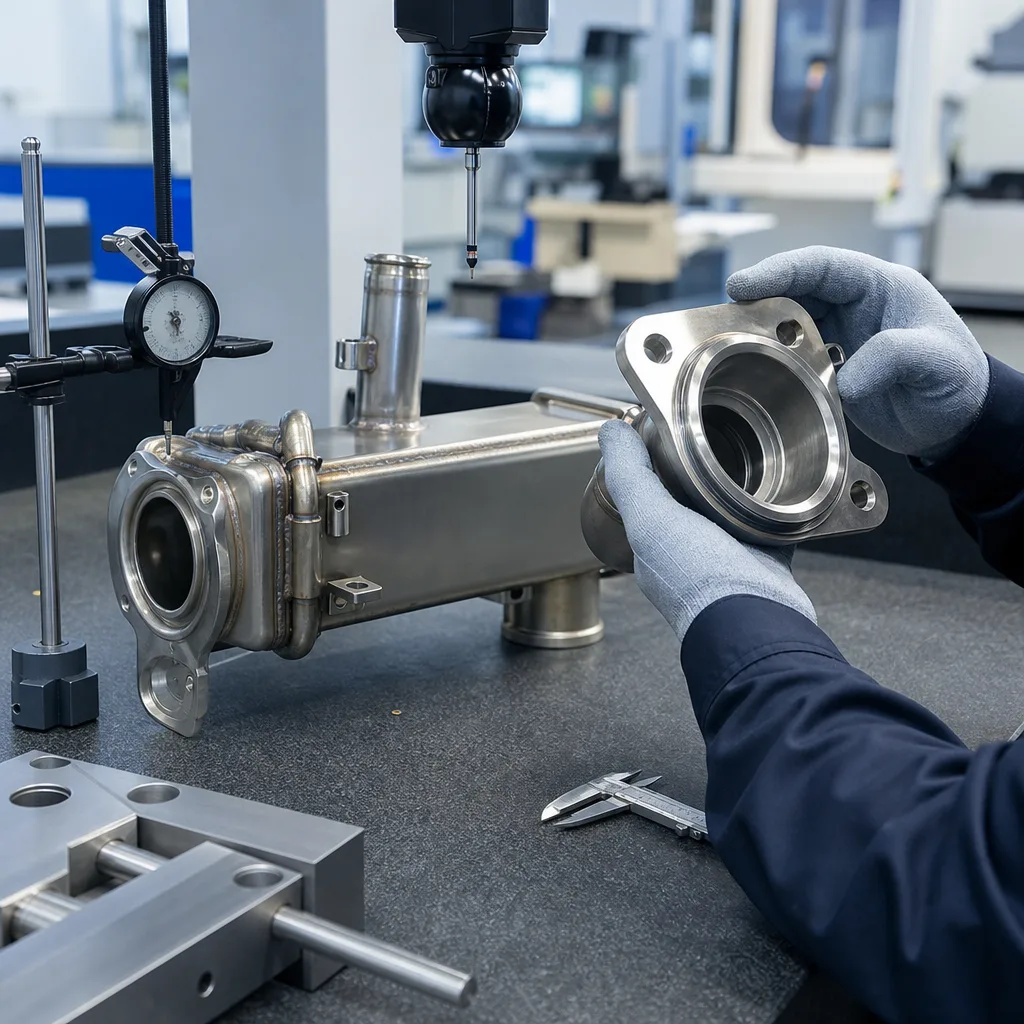
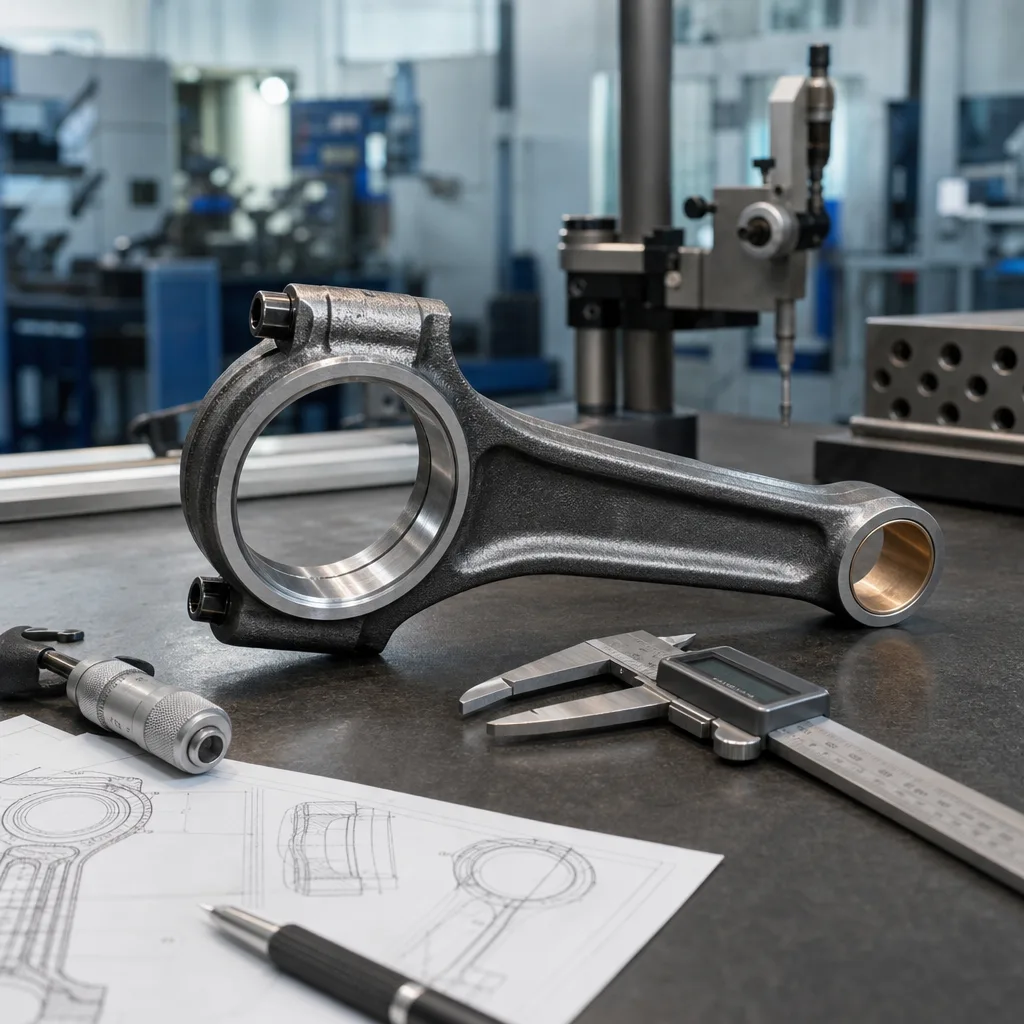
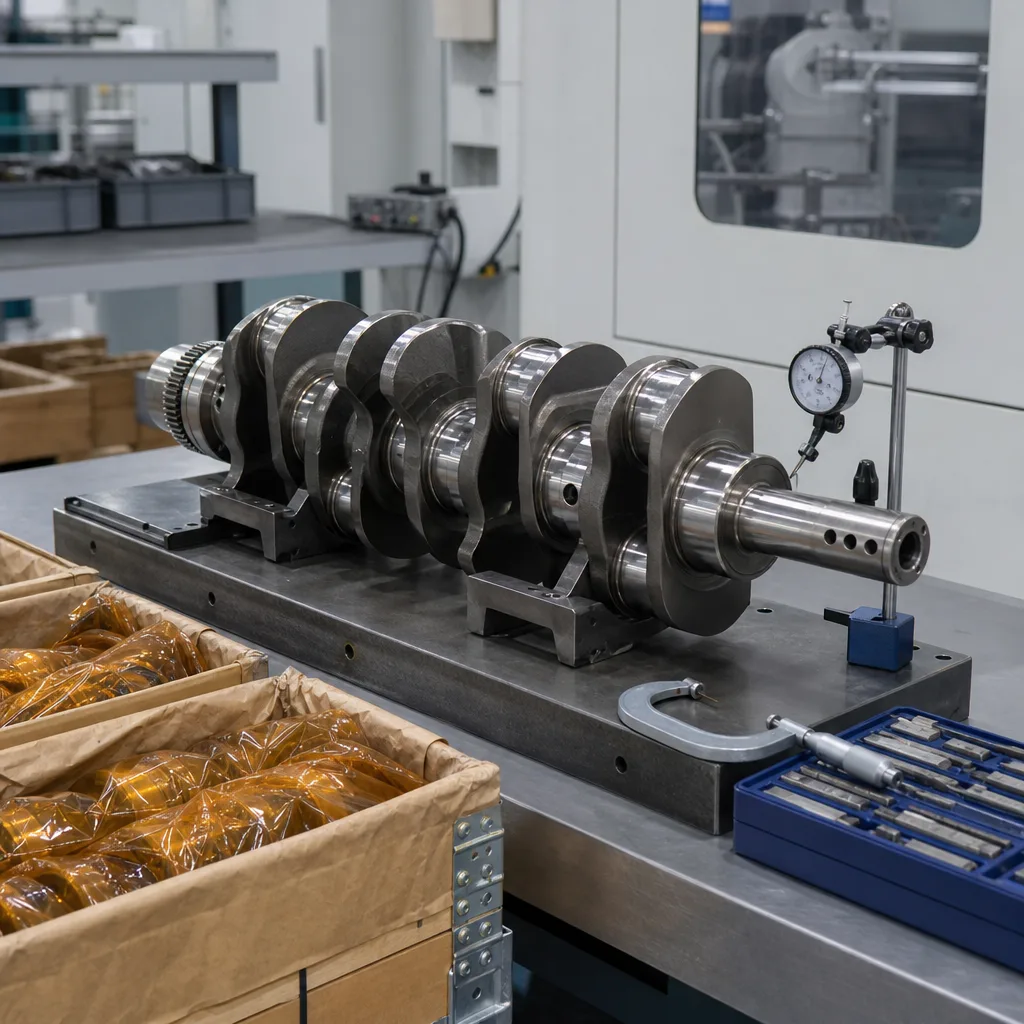
Dimensional inspection with calibrated gauges and bore measurement tools
Hardness check where applicable to the material specification
Visual inspection for porosity, cracks, pits, and machining marks
Packaging audit to prevent rust, impact damage, and contamination
Published standards matter here. A serious supplier should operate under IATF 16949:2016 and ISO 9001:2015, with documented control of nonconforming product. For export markets, material and coating discussions may also involve REACH (EC) No 1907/2006. For any sleeve used in emission-related engine rebuilds, the surrounding system may need to align with local compliance requirements such as ECE R-83, but the sleeve itself still has to meet the drawing first.
How custom manufacturing works for engine programmes
Custom manufacturing is useful when the OE part is discontinued, when the bore size is changed for repair stock, or when a customer wants a private-label replacement line. The process should remain controlled.
1. Share the sample, drawing, or OE cross-reference. 2. Confirm target dimensions, tolerance band, and material. 3. Review machining route, inspection points, and packaging. 4. Approve first article samples. 5. Release bulk production only after dimensional sign-off.
Driventus can support custom manufacturing for engine components where the buyer supplies the technical requirement. For broad programme sourcing, review our catalog and the related engine components range to map sleeve families against other rebuild parts. This approach helps procurement teams consolidate suppliers while keeping each part family on a controlled specification.
Commercial terms that matter to import managers
Price matters, but landed cost is the real metric. A lower unit price can disappear once freight, inspection, duties, and claim handling are included.
Key commercial points to confirm:
Incoterms used for quotation
Sample charge policy and tooling cost, if any
Packaging quantity per carton and pallet
Spare-part availability for long programme life
Documentation: commercial invoice, packing list, certificate of origin, and test reports where required
For buyers comparing a cylinder sleeve from multiple factories, request the same quote structure from each supplier. That makes it easier to compare unit price, packaging quality, and lead time on equal terms. If the supplier cannot explain traceability or does not provide a clear quality process, the apparent saving is usually false economy.
Why Driventus is set up for B2B sourcing
Driventus is based in Taizhou, Zhejiang, and manufactures engine and powertrain components for export markets in Europe, North America, Australia, and Brazil. The company works under IATF 16949:2016 and ISO 9001:2015, which supports disciplined process control, corrective action, and batch traceability.
For procurement teams, the practical value is consistency: stable dimensions, documented checks, and clear communication during sample approval and bulk release. Where an application needs a fitment reference, Driventus can work from the buyer’s specified OE cross-reference format without implying manufacturer endorsement. If your sourcing team needs a direct line for drawings, volume planning, or programme review, the next step is to request a quote.
Frequently asked questions
Yes. Submit the drawing, sample, or OE cross-reference if available. The factory can review dimensions, material, and packaging before sample approval and bulk release.
Ask for material records, dimensional inspection data, batch traceability, and the supplier’s quality procedure. IATF 16949:2016 and ISO 9001:2015 are the key system references.
Yes. Custom manufacturing is possible for non-standard bore sizes, private-label programmes, and discontinued references, subject to technical review and sample approval.
If you are comparing suppliers or planning a new programme, share your part requirements and target volume. Our team can review fitment, dimensions, and commercial terms with you at /contact.html