Cylinder Sleeve Citroen OEM Supplier: Sourcing Guide
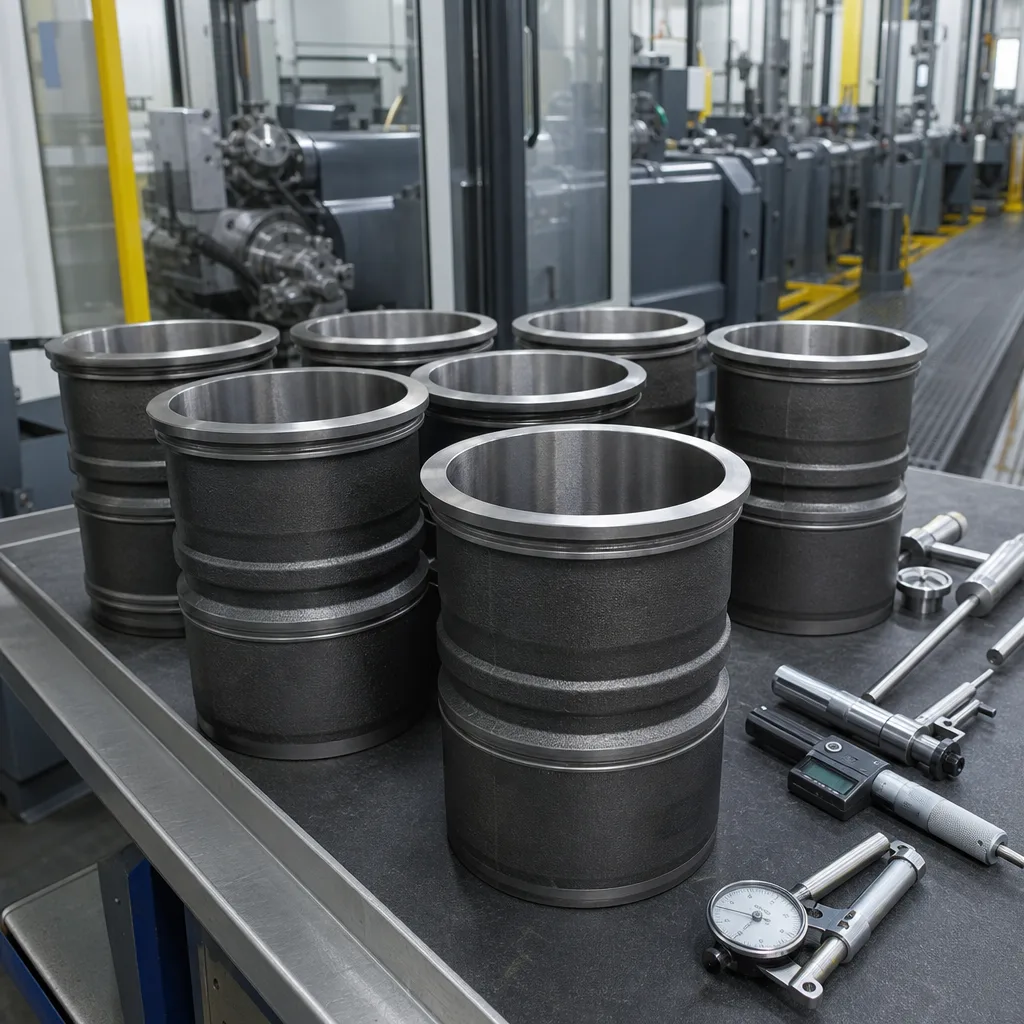
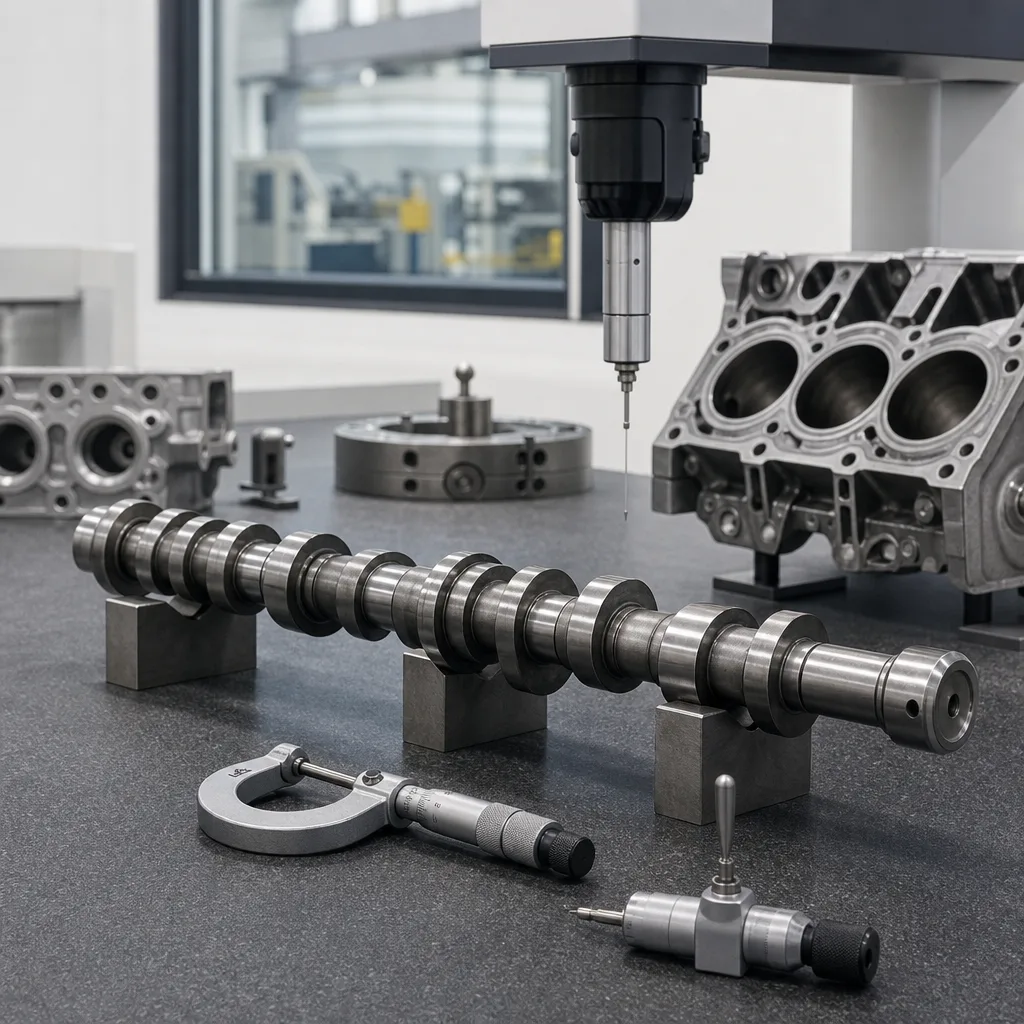
Citroen engine programmes often demand cylinder sleeves that match the original bore size, flange geometry, and coolant-side construction without adding machining risk at assembly. For procurement teams, the practical issue is not only dimensional fit but repeatability, material traceability, and documentation that survives supplier audits. Driventus is an independent aftermarket manufacturer; brand names are referenced for fitment only. We supply cylinder sleeves for Citroen applications through controlled production, measured inspection, and export documentation aligned with IATF 16949:2016 and ISO 9001:2015. Buyers can use us as a cylinder sleeve Citroen OEM supplier when they need consistent lead times, sample validation, and cross-reference support for replacement or contract manufacturing programmes. If you are comparing sources, the useful questions are simple: what material is used, how is the bore finished, what are the dimensional tolerances, and which test records are available before shipment?
What buyers should verify first
For a Citroen programme, the first filter is fitment. Confirm whether the engine uses a dry or wet sleeve, whether the sleeve carries a flange, and whether the upper land must project to a defined height. The second filter is supply discipline: ask for the target annual volume, pack quantity, and whether you need spare stock for service channels or scheduled production builds.
A practical RFQ should include:
- Engine code or VIN-derived reference
- Sleeve drawing or sample part
- Required ID, OD, length, flange height, and interference fit
- Surface finish, hardness, and any heat-treatment requirement
- Target annual volume and requested first shipment date
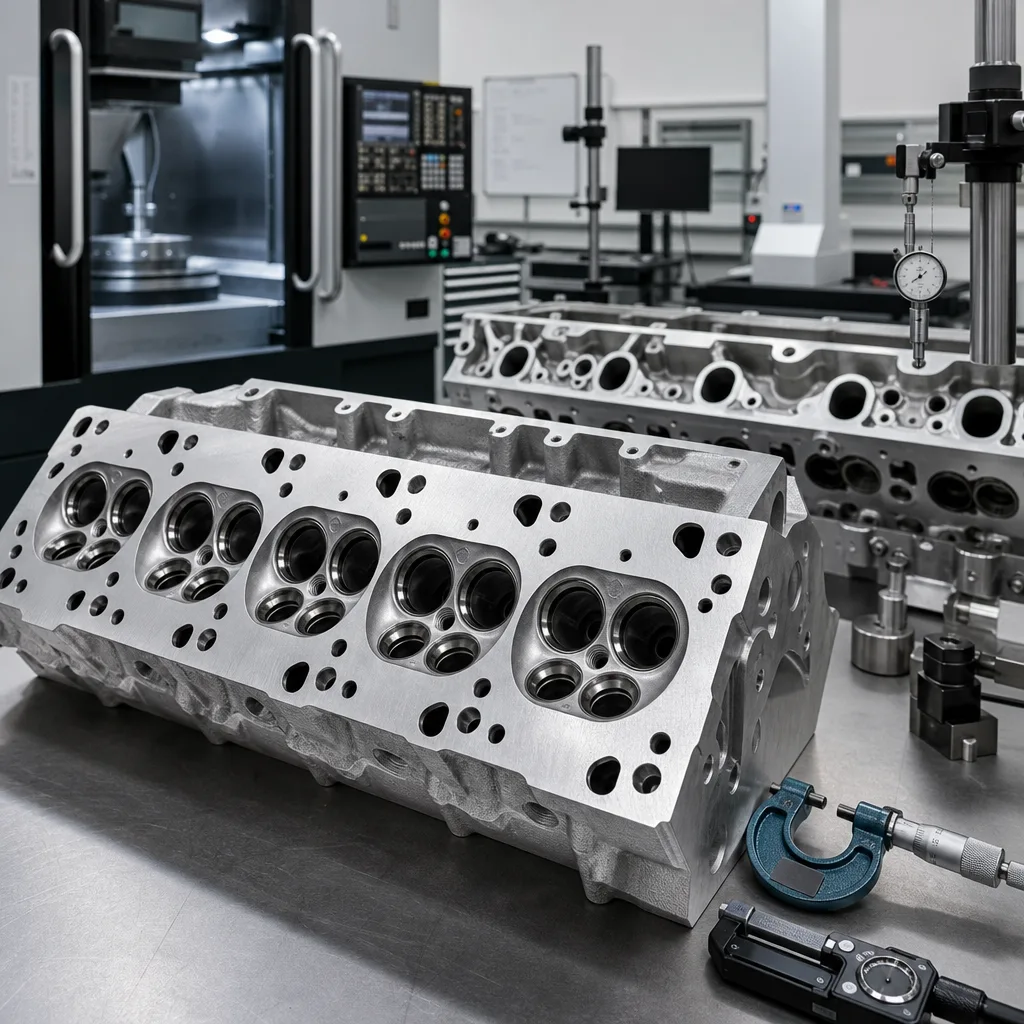
See our catalog for the current range and engine components when you need adjacent parts in the same programme.
Material and dimensional control
Most cylinder sleeves for passenger and light commercial engines are produced from pearlitic cast iron or alloyed cast iron. The buying issue is not the alloy name alone; it is whether the material, machining, and inspection plan are stable enough to hold the bore size across batches.
| Control item | What to specify | Why it matters | |
|---|---|---|---|
| Material | Cast iron grade, alloy additions, and heat lot traceability | Supports wear resistance and audit traceability | |
| Bore | Finished ID, roundness, taper, and honing pattern | Affects ring sealing and oil consumption | |
| OD / fit | Press-fit OD or wet-sleeve sealing geometry | Prevents movement, leakage, or distortion | |
| Flange / height | Flange thickness and installed protrusion | Keeps deck height and combustion sealing consistent | |
| Surface finish | ID roughness and critical face finish | Influences break-in and service life |
| Route | Best for | Typical MOQ | Trade-off |
|---|---|---|---|
| Stock catalog | Immediate replacement demand | Low to medium | Limited geometry options |
| Custom manufacturing | Special dimensions or packaging | Medium | First article and tooling time |
| Program supply | Recurring production or service volumes | Higher | Forecast discipline required |