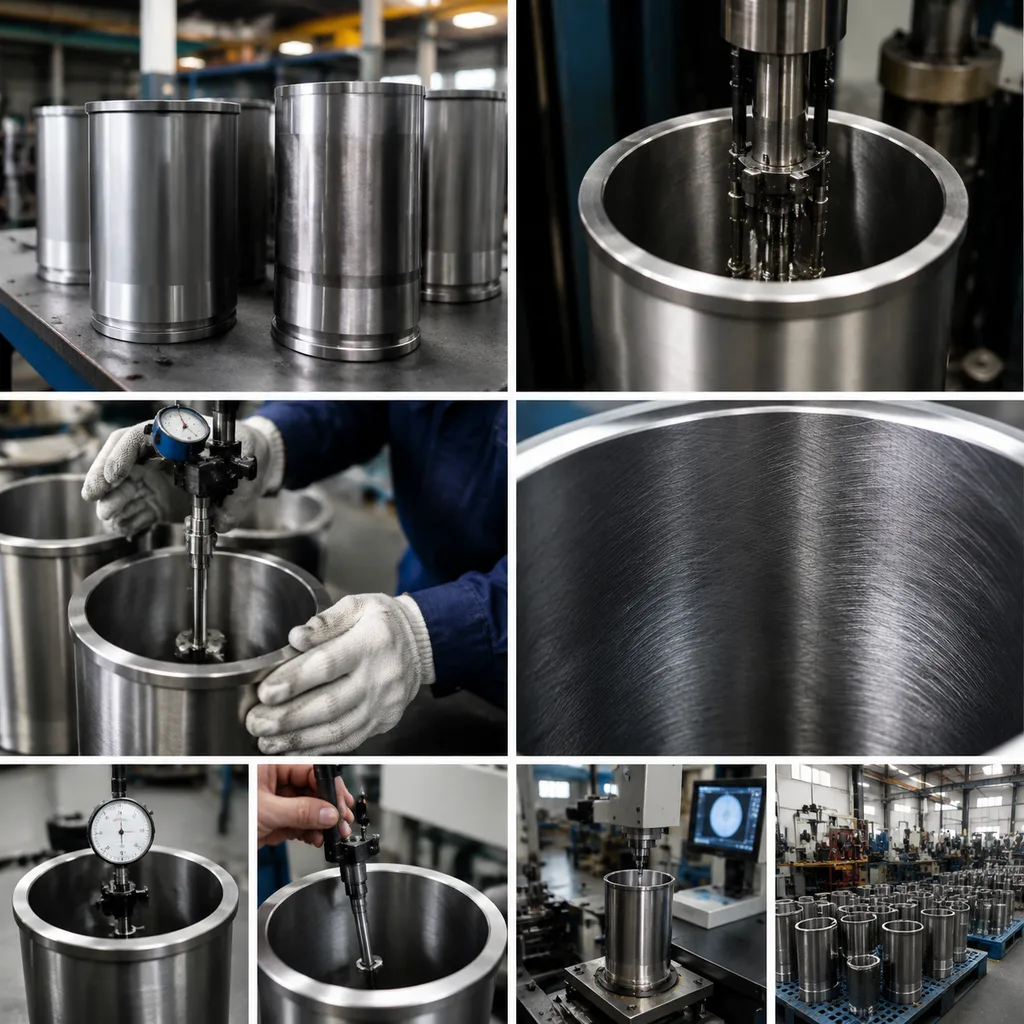
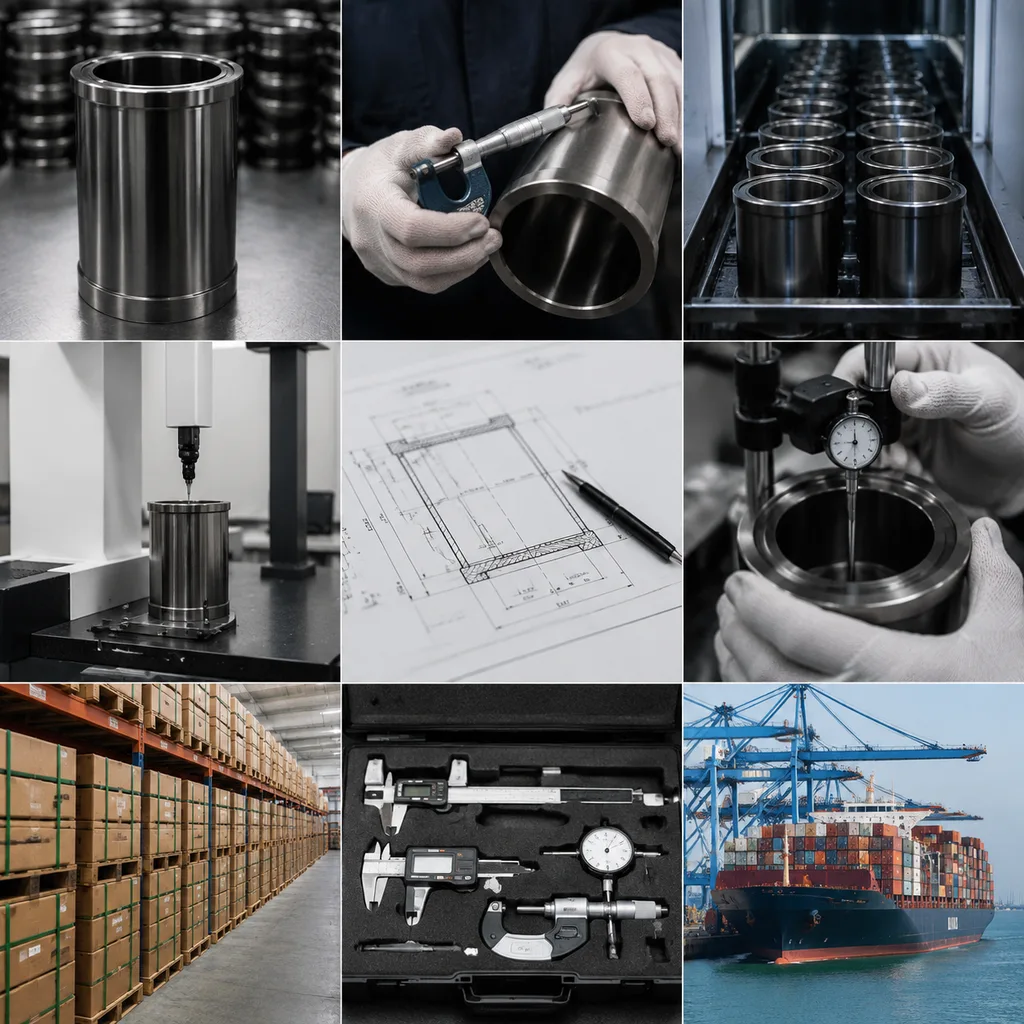
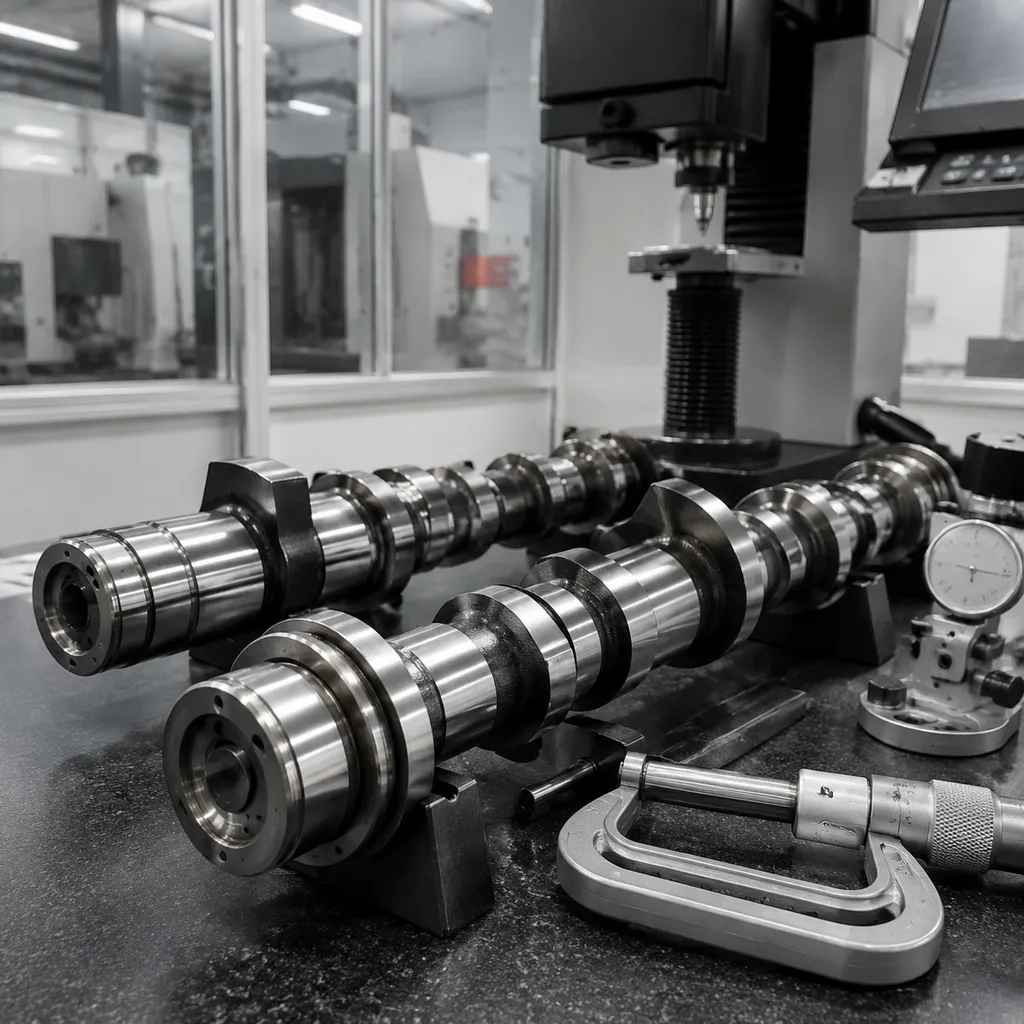
A sourcing search for a cylinder sleeve BMW OEM supplier often starts with a cross-reference, but the purchase succeeds or fails on details that never appear in a catalogue line. Casting chemistry. Bore geometry. Interference fit. Flange seating. Honing responsibility. Rust protection. Traceability after the parts leave the machining cell.
For BMW-fit engine repair, rebuilding, and remanufacturing programs, a sleeve should be specified around the actual block, installation process, and acceptance standard—not around an unsupported assumption of vehicle manufacturer approval. Driventus manufactures cylinder sleeves and related engine components in Taizhou, Zhejiang for aftermarket distributors, engine rebuilders, Tier-1 supply chains, and repair groups. Our production and quality controls are structured around IATF 16949:2016 and ISO 9001:2015 management systems, with PPAP-style documentation available when the project scope requires it.
Driventus is an independent aftermarket manufacturer. BMW and other brand names are referenced for fitment identification only.
Decision file: what must be fixed before anyone quotes
Treat the enquiry as a technical decision file, not a request for “best price.” A cylinder sleeve can be a rough blank, semi-finished liner, fully machined sleeve, or part prepared for customer-specific honing. Each version changes cost, lead time, inspection, and installation risk.
Before requesting pricing, lock down the variables that define the part:
Engine family or application range for aftermarket fitment reference
Nominal bore, outside diameter, wall thickness, and total length, preferably in mm to 0.01 mm
Flange diameter, flange thickness, chamfer, radius, undercut, and lead-in geometry where applicable
Target press or shrink interference, defined by housing bore, sleeve OD, and installation temperature
Material requirement, usually grey cast iron or alloyed cast iron, with hardness and chemistry limits
Supplied condition: rough bore, finish-bored, semi-honed, plateau-honed, or final-honed after installation
Surface roughness, crosshatch angle, and honing pattern requirement if final honing is included
Heat treatment, stress relief, or natural/artificial ageing requirement when specified by the technical file
Installation method: press fit, shrink fit, liquid-nitrogen cooling, block heating, or machining after installation
Packaging method for export shipping, distributor storage, and workshop handling
Target annual volume, first order quantity, release schedule, and safety-stock expectation
Do not ask a supplier to infer critical dimensions from a worn sample unless the project includes reverse engineering and validation time. Typical drawing controls may include bore/OD tolerance to ±0.01–0.03 mm, flange thickness to ±0.02 mm, total length to ±0.05 mm, roundness within 0.01–0.02 mm, and concentricity within 0.02–0.05 mm, depending on sleeve size and process. The final values must follow the customer drawing and installation method.
If an OE cross-reference is used internally, keep it generic unless disclosure is authorised. A partial or masked format, such as OE 06A107065 or OE 11251…, can help structure the enquiry, but drawings, CAD data, or measured samples are still needed for production control. A responsible aftermarket supplier should not imply approval, endorsement, or direct sourcing status with a vehicle brand unless that authorisation is formally documented.
Where sleeve sourcing fails: supplier checks that catch problems early
The cheapest sleeve is rarely cheap after bore distortion, flange mismatch, rust claims, or installation scrap. When evaluating a cylinder sleeve BMW OEM supplier, focus on the failure modes the supplier can prevent: unstable casting lots, thin-wall measurement error, poor graphite structure, inconsistent flange thickness, weak packing, and undocumented process changes.
Risk area
What to verify
Typical evidence requested
Quality management
IATF 16949:2016 and ISO 9001:2015 scope coverage
Valid certificates, audit report, process map
Material control
Cast iron grade, chemistry, microstructure, hardness range
Casting records, spectrometer report, hardness test, metallographic report where required
Machining control
OD, ID, flange, chamfer, concentricity, roundness
Control plan, CMM report, air gauge or bore gauge report
Tolerance capability
Repeatability for ID/OD, flange thickness, length, and runout
Capability study, first article report, gauge R&R where required
Surface finish
Honing angle, Ra/Rz requirement, plateau finish if specified
Surface roughness report, visual inspection standard, honing record
Traceability
Batch identification from casting to shipment
Lot code system, inspection records, packing list traceability
Packing specification, photos, drop or transit test records where used
Compliance
Chemical and market access requirements
REACH (EC) No 1907/2006 declaration where applicable
</tr></thead><tbody> </tbody></table>Useful questions are direct. Is every casting heat checked by spectrometer? Is hardness taken on the same lot as shipped parts? Which gauges are used for thin-wall OD measurement? How many parts are checked after a tool change? How is rust inhibitor validated for 30–90 days of ocean freight and warehouse storage?
For critical launches, an initial capability target such as Cpk ≥1.33 on key dimensions can be agreed after the process is stable and the measurement method is approved. Driventus supports technical review before tooling commitment, so buyers can verify manufacturability, documentation level, and inspection scope before locking in a program. Buyers can compare sleeve options in our catalog and review our documented quality system before scheduling a supplier audit.
Spec deep-dive: material, geometry, honing, and inspection controls
Cylinder sleeves run under thermal load, sliding contact, combustion pressure, and—depending on the design—oil or coolant exposure. The sleeve has to wear correctly, transfer heat, hold shape after installation, and accept the intended ring-pack finish. A hardness number alone does not prove that.
Common materials include pearlitic grey cast iron and alloyed cast iron with controlled carbon, silicon, manganese, chromium, copper, molybdenum, or other additions depending on the technical specification. A typical grey cast iron sleeve program may target approximately 3.0–3.5% carbon, 1.8–2.4% silicon, 0.5–1.0% manganese, controlled phosphorus and sulphur, and alloy additions when higher wear resistance is required. Hardness commonly falls in the HB 180–260 range, but the correct value depends on the engine program, machinability target, and customer drawing.
The material review should consider graphite distribution, matrix structure, scuff resistance, thermal transfer, and dimensional stability after machining and installation. Hardness is normally verified by batch. Metallographic checks can be agreed for critical or higher-risk programs.
Machining controls typically focus on:
Bore and outside diameter tolerance according to drawing, often held in the ±0.01–0.03 mm range for controlled features
Roundness and cylindricity after finish machining, with typical controlled targets of 0.01–0.02 mm where feasible
Concentricity between bore, outside diameter, and flange features, commonly specified at 0.02–0.05 mm
Flange parallelism, flange thickness, and seating face quality to prevent installation tilt or leakage risk
Chamfer and lead-in profile for installation without shaving, cracking, or edge damage
Surface roughness before or after final honing, for example Ra 0.2–0.8 µm depending on whether plateau honing is required
Crosshatch angle, often 35–45° when final honing is supplied and the customer specifies ring-pack compatibility
Burr removal at oil, coolant, or relief features where applicable
Visual checks for cracks, porosity, dents, rust, and handling marks
Inspection plans should match project risk. For stable aftermarket orders, Driventus normally applies incoming material checks, in-process dimensional checks at first piece and patrol frequency, final inspection, and batch traceability. For OEM, Tier-1, or controlled remanufacturing programs, we can align documentation with customer APQP requirements and submit PPAP-style packages when contractually agreed.
A practical control plan may include 100% visual inspection, critical gauge checks at start-up and every defined production interval, final AQL sampling for non-critical dimensions, and full first article measurement after tool change, fixture change, or process restart. Related engine parts are available under engine components.
Cost and timing scenarios: why MOQ is not one number
MOQ is not a policy line; it is the result of tooling, casting route, machining time, inspection burden, and packaging configuration. A validated catalogue sleeve can move quickly. A new design with pattern development and first article validation cannot.
Typical sourcing scenarios include:
Existing part in production: lower MOQ, often 100–300 pcs per reference, shorter sampling time, and reduced tooling cost
Existing blank with new machining: moderate MOQ, often 300–500 pcs, with fixture, CNC program, gauge, and inspection review required
New casting pattern: higher MOQ, often 500–1,000 pcs or an annual commitment, with pattern cost, development cycle, and first article validation required
Customer-owned drawing: faster technical review when tolerances, material, finish requirements, and acceptance criteria are complete
Reverse-engineered sample: additional measurement, drawing creation, tolerance confirmation, installation validation, and approval time required
For many aftermarket distributor programs, Driventus can quote by MOQ tier: trial order, mixed container order, and annual contract order. Unit price usually improves when fixed costs are spread across higher quantities. Price drivers include casting weight, machining time, tool wear, scrap risk, honing requirement, inspection frequency, packaging density, certificate package, Incoterms, and currency or metal cost movement.
A trial order may carry the highest unit price because engineering, setup, and inspection time are spread across fewer parts. An annual blanket order with scheduled call-offs normally allows better pricing and material planning.
Lead times are confirmed case by case after engineering review. As a planning guide, validated production parts may require about 3–5 weeks after deposit and specification confirmation. Existing blanks with new machining may need 5–8 weeks including fixture and first article checks. New casting development may require 8–14 weeks depending on pattern approval, casting trials, machining validation, and buyer testing.
Build time into the schedule for sample production, first article inspection, installation testing, packaging approval, export documentation, and customer-side validation. For private-label or controlled-specification projects, our custom manufacturing team can review drawings, samples, target cost, destination market, and annual volume before confirming feasibility.
Do not finalise a purchase order until installation method, supplied finish condition, acceptable inspection standard, responsibility for final honing or machining, and rework/replacement criteria are clearly defined.
Audit package: documents that prove the process, not just the certificate
A certificate is a starting point. The stronger audit question is whether the supplier can connect a shipped sleeve back to its casting lot, machining batch, inspection record, rust-prevention method, carton, and pallet.
Documentation should match order risk. A distributor buying standard replacement sleeves may need certificate copies, batch inspection reports, material records, and packaging photos. A Tier-1, fleet, or remanufacturing program may require a deeper package covering process flow, control plan, failure mode analysis, sample approval, and traceability.
A practical documentation package may include:
IATF 16949:2016 and ISO 9001:2015 certificate copies
Process flow chart for casting, heat treatment where used, rough machining, finish machining, honing, inspection, rust prevention, and packing
Control plan with critical dimensions, gauges, sampling method, reaction plan, and inspection frequency
Material chemistry and hardness report by batch, including casting heat or lot identification
Metallographic report where specified for controlled projects, such as graphite form, matrix structure, and porosity review
Dimensional inspection report for approved samples or first article parts, normally covering all drawing dimensions
Surface roughness report when finish honing or surface preparation is included
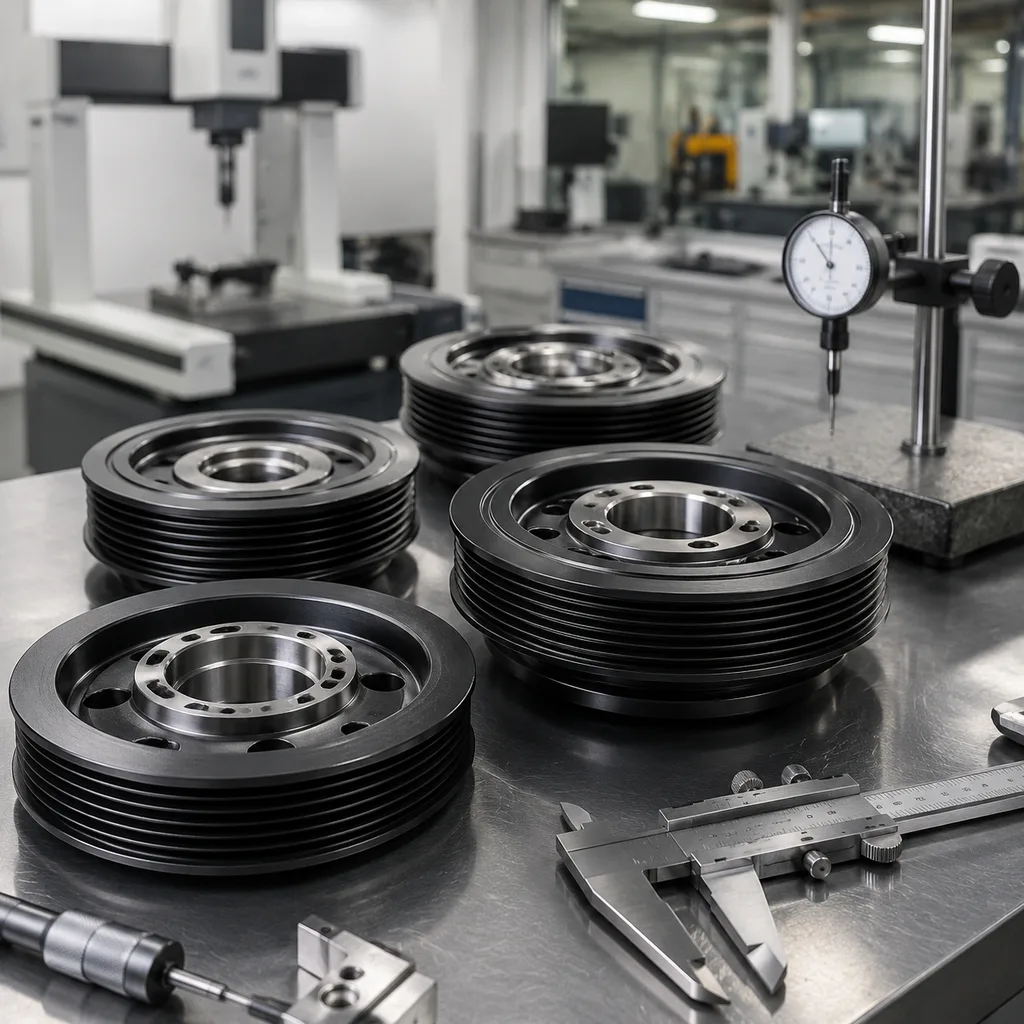
Gauge list and calibration status for bore gauges, micrometers, air gauges, surface testers, CMM, and hardness testers
Traceability method and lot coding description linking raw casting, machining batch, inspection record, carton, and pallet
Nonconforming product handling and corrective action process, when required by audit scope
Export packing specification and carton or pallet labelling layout
REACH (EC) No 1907/2006 declaration when required for EU importers
Factory audits should review calibration control, gauge repeatability, operator training, machining coolant management, casting storage, rust prevention, finished goods segregation, nonconforming product handling, and final packing. Also check how the supplier freezes the approved process after sample approval. Material grade, casting source, heat treatment or ageing, machining route, honing stones, inspection gauges, rust oil, and carton configuration should not change without customer notification when the contract requires process control.
Remote audits are useful for preliminary screening. High-volume or high-risk programs benefit from an on-site or third-party audit before mass production. For sensitive drawings or reverse-engineering projects, agree confidentiality terms and sample ownership before measurement, CAD conversion, or tooling work begins.
Project workflow: how Driventus turns a BMW-fit enquiry into a controlled order
Driventus does not treat a cylinder sleeve BMW OEM supplier enquiry as a price-only email. The first step is technical confirmation: fitment reference, drawing or sample, material expectation, annual demand, packaging and labelling requirements, destination market, and documentation level needed for approval.
A typical sourcing workflow is:
1. Buyer submits a drawing, sample, measured data, or fitment reference with target annual volume and first order quantity. 2. Engineering confirms manufacturability, missing specifications, inspection points, sleeve condition, and tooling status. 3. Sales provides MOQ tiers, tooling condition, estimated sample and mass-production lead time, packaging options, and export terms. 4. If needed, Driventus prepares a drawing review or measurement report, highlighting dimensions that must be confirmed before production. 5. Samples are produced or selected from validated stock where available. 6. Buyer reviews first article dimensions, installation results, surface condition, honing compatibility, and packaging. 7. Production proceeds with the agreed inspection plan, traceability controls, rust prevention, and shipment documentation. 8. Shipment is released with packing list traceability, agreed certificates, inspection records, and photos if required.
For quoting, send at minimum: sleeve drawing or sample photos, OD/ID/length/flange dimensions, material grade or hardness target, supplied finish condition, annual forecast, trial order quantity, delivery country, required Incoterm, private-label requirement, and documentation level.
That information allows Driventus to separate one-time tooling or fixture charges from recurring part price and to offer realistic MOQ tiers instead of an unreliable single number. We support export shipments to the EU, UK, US, Canada, Australia, Brazil, and other markets, with documentation aligned to the agreed contract and applicable importer requirements.
Driventus is an independent aftermarket manufacturer; brand names are referenced for fitment identification only. To start a controlled sourcing review, buyers may request a quote with drawings, sample photos, key dimensions, and expected order volume.
Frequently asked questions
Yes. Driventus supplies cylinder sleeves for independent aftermarket and B2B engine programs. Fitment is confirmed through drawings, samples, dimensions, or agreed cross-reference data. We do not claim vehicle manufacturer approval or endorsement.
Send the engine application, sleeve type, drawing or measured sample, material requirement, supplied finish condition, target quantity, destination country, packaging requirement, and any inspection documents required. Annual forecast and first order volume help us quote realistic MOQ, price tier, and lead time.
Yes. We can provide IATF 16949:2016 and ISO 9001:2015 certificate copies, inspection reports, material records, process documentation, traceability records, and audit support according to project scope and confidentiality requirements.
If you are comparing cylinder sleeve suppliers for a BMW-fit program, send the drawing, sample data, required tolerances, supplied finish condition, MOQ target, and forecast volume for a technical review. Start a sourcing discussion at /contact.html