Crankshaft Pulley Chevrolet Manufacturer China: Sourcing Guide
A crankshaft pulley Chevrolet manufacturer China search can produce dozens of similar-looking options. That is the easy part. The harder job is proving the pulley will hold bore size, offset, groove form, balance, and coating quality after the first sample becomes a repeat production order.
For Chevrolet-related aftermarket programmes, small errors show up quickly: belt chirp, edge wear, accessory vibration, corrosion after sea freight, or customer claims from a fitment that looked right in a catalog photo. Procurement should therefore treat the pulley as a controlled rotating component, not a commodity casting or machined wheel.
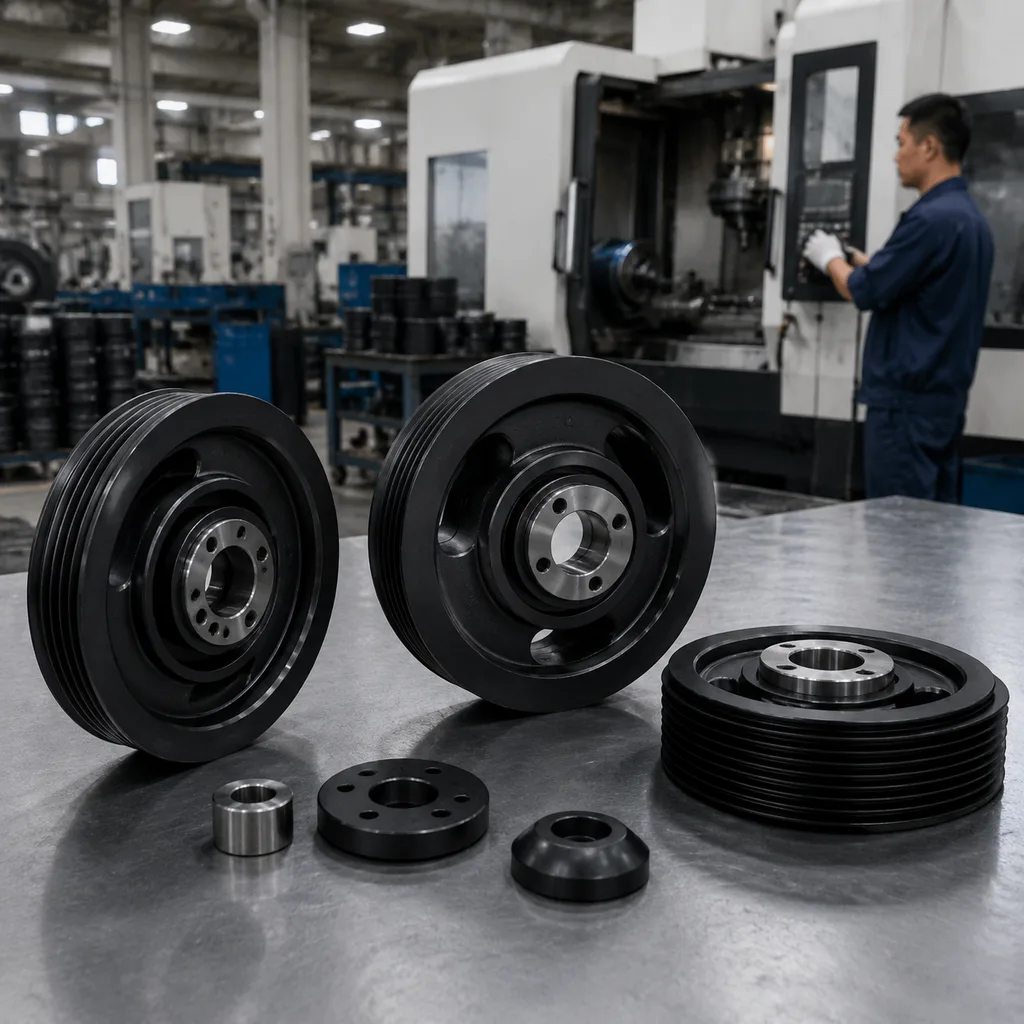
Driventus manufactures crankshaft pulleys for B2B buyers from Taizhou, Zhejiang, with production control documented under IATF 16949:2016 and ISO 9001:2015. We support aftermarket distributors, OEM and Tier-1 programmes, and repair-chain purchasing teams that need stable specifications, inspection records, practical lead times, and clear sampling communication.
Driventus is an independent aftermarket manufacturer. Chevrolet and other brand names are referenced only to identify intended fitment; they do not imply endorsement or affiliation. Use this guide to structure your shortlist, sample approval, and production RFQ around measurable evidence rather than broad supplier claims.
Decision Point: Is This Pulley a Simple Drive Part or a Damper?
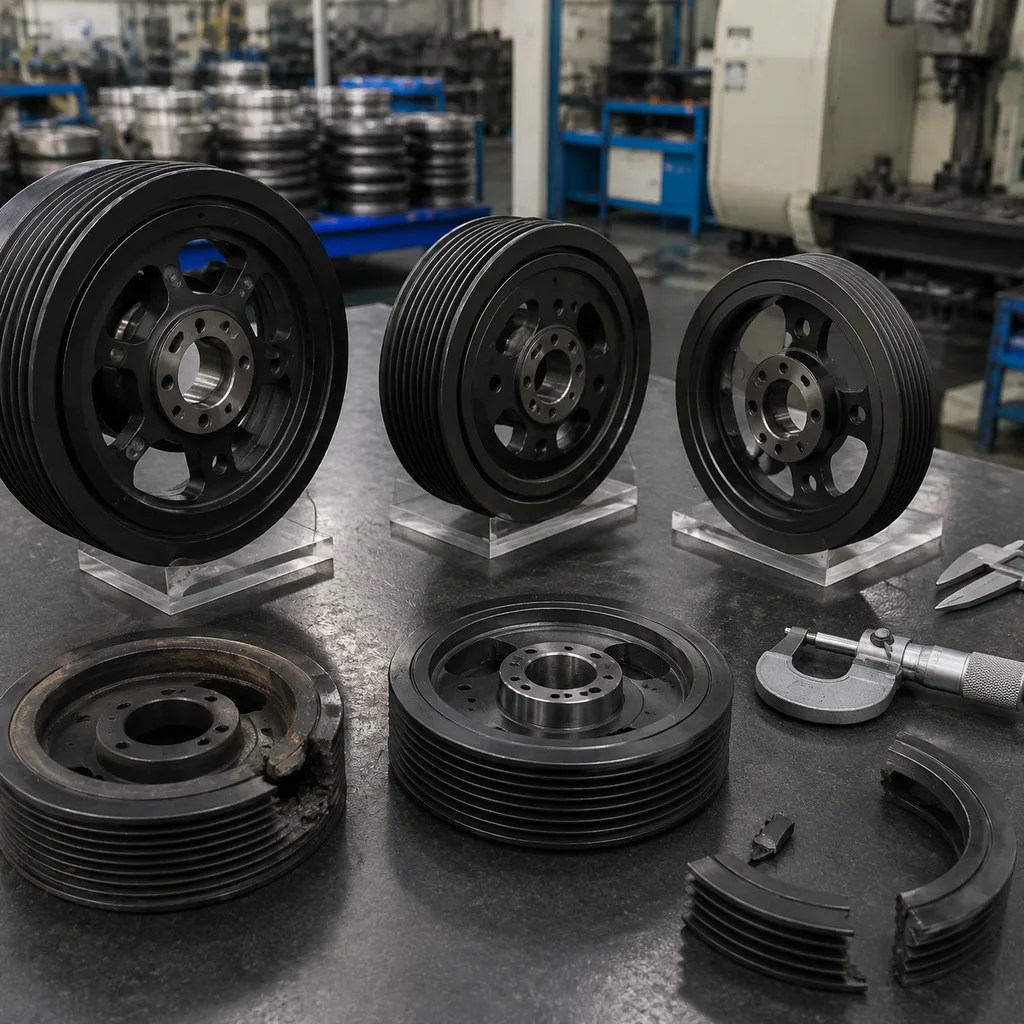
Start by separating accessory-drive pulleys from elastomer-damped harmonic balancer assemblies. They may appear in the same RFQ folder, but they do not carry the same risk, inspection logic, or validation cost.
A simple pulley mainly needs correct geometry, concentricity, groove form, coating, and mounting integrity. A damped assembly adds rubber compound control, bonding quality, torsional behaviour, heat ageing, and visual limits for rubber flash or separation. Comparing those two part types only by unit price creates a false shortlist.
Use the first RFQ review to confirm:
Bore and mounting interface: hub diameter, keyway or press-fit design, seating face, bolt-circle dimensions where applicable, and chamfer or relief features.
Offset and belt plane: datum location and offset measurement, so the belt aligns with the alternator, water pump, power steering pump, and A/C compressor.
Runout and balance: radial and axial runout limits, plus static or dynamic balancing requirements for the design.
Material and construction: steel, cast iron, ductile iron, solid pulley, or elastomer-damped assembly.
Groove profile: rib count, pitch, angle, depth, and surface finish for the specified Chevrolet engine family and belt layout.
Coating and export protection: finish type, corrosion target where specified, edge burr control, and packaging suitable for sea freight.
OE reference discipline: OE numbers used for fitment identification only, not as proof of endorsement or complete technical equivalence.
This split prevents a common sourcing mistake: approving a catalog-looking match before anyone has checked whether the component’s function, validation burden, and service-life expectation are actually the same.
Spec Deep-Dive: The Measurements That Decide Service Life
A crankshaft pulley specification should read like an inspection plan, not a product caption. Photos and OE references help identify the target. They do not define the working part.
Specification item
What to request
Why it matters
Material
Steel, ductile iron, cast iron, or damped assembly construction
Controls stiffness, mass, fatigue resistance, and machining stability
Runout
Radial and axial limits with the measurement datum stated
Reduces belt wander, vibration, and noise
Balance
Static or dynamic balance record according to design and speed range
Helps prevent vibration at operating speed
Groove profile
Single-V, multi-rib, or hybrid profile with rib count and pitch
Must match belt section and accessory alignment exactly
Damping element
Rubber compound, bonding control, and visual criteria where applicable
Critical for harmonic balancer durability and torsional vibration control
Finish
Phosphate, e-coat, paint, zinc-based coating, or approved alternative
Supports corrosion resistance after storage and shipping
Inspection
100% visual inspection plus sampling checks for CMM, roundness, runout, and groove geometry
Gives inbound QC objective lot evidence
Packaging
Rust prevention, separators, carton strength, and palletisation method
Prevents impact damage, moisture claims, and mixed-SKU errors
</tr></thead><tbody> </tbody></table>If you distribute across the EU, UK, US, Canada, Australia, or Brazil, ask for bilingual inspection records, batch identification, and traceability. Where required, surface treatment and chemical compliance should align with REACH (EC) No 1907/2006, RoHS requirements requested by your customer, and your restricted-substances list.
Private-label programmes need written acceptance criteria before sample build. Define limits for burrs, coating gaps, rubber flash, part marking, label position, carton strength, and pallet layout. These details look minor until a production lot arrives and the receiving team has no agreed basis to accept or reject it.
Failure Modes That Expose Weak Factory Control
China sourcing works well when the process is visible. It becomes risky when a supplier can quote a part but cannot explain how material input, casting or forming, machining, balancing, coating, and inspection are controlled from lot to lot.
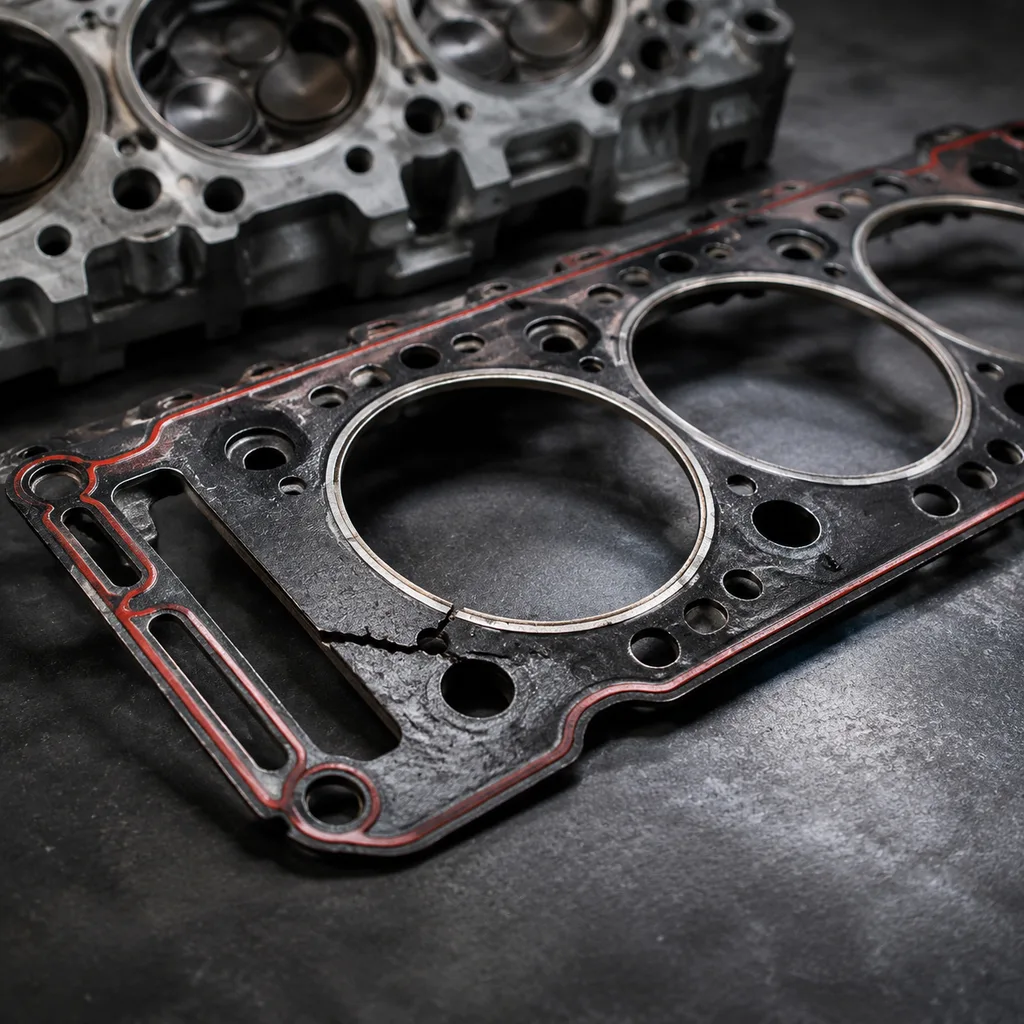
The warning signs are practical, not theoretical. Bore finish changes after the first order. Groove depth varies between cavities or tools. Coating thickness builds up where the belt needs clean contact. A subcontracted balancing step delays shipment or returns inconsistent records. Packaging allows pulleys to strike each other during export transit.
Driventus operates as a vertically integrated manufacturer, which helps keep machining and inspection feedback close to production. For buyers managing distributor replenishment over several years, that matters more than a one-time low sample price.
During supplier review, ask for:
incoming material certificates and heat or batch identification
process flow for machining, deburring, coating, and balancing
control plan or inspection plan for critical dimensions
gauge calibration records and the measurement equipment list
final inspection sampling plan with defined acceptance criteria
nonconforming product handling and corrective-action process
packaging controls for export transit, moisture prevention, and mixed-SKU shipments
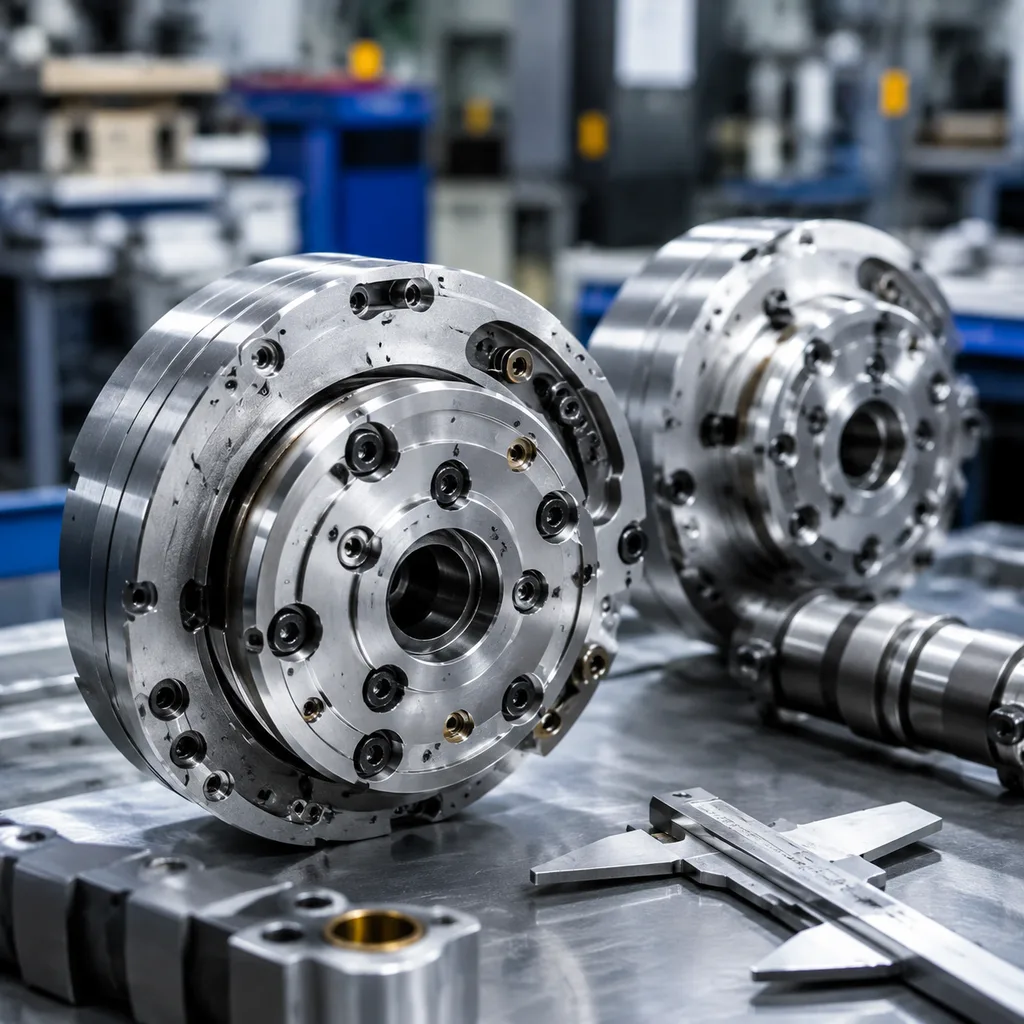
For remote audits, request live machine footage, recent production photos, measurement records, and sample images taken with metrology tools at the stated datum points. This evidence is more valuable than a generic capability deck. Our quality system page outlines the controls used for export production and the documents buyers can request during qualification.
Validation Path: From OE Reference to Approved Production Lot
OE-equivalence is not a visual claim. It is a sequence of checks that confirms the replacement pulley matches the required geometry, installation behaviour, and operating performance for the intended market version.
Use OE references to locate the application, then verify the complete fitment against your approved sample, drawing, or technical data. Chevrolet-related aftermarket demand can cover multiple regions and engine variants. A pulley that looks correct for one engine family may still differ in offset, damping construction, or belt layout for another.
A practical approval path is:
1. Dimensional match: hub diameter, bore, offset, overall width, groove count, rib profile, seating face, and belt alignment. 2. Installation check: torque fit, thread condition where applicable, interference or clearance fit, keyway engagement, and seating face contact. 3. Dynamic test: vibration, runout, belt tracking, and noise under representative load and speed conditions. 4. Durability review: thermal cycling, corrosion exposure, rubber bonding checks for damped assemblies, and fatigue assessment where required. 5. Service review: installation notes, packaging protection, part marking, and customer-facing cross-reference accuracy.
For programme work, Driventus can support sample approval, drawing review, controlled pilot lots, and production validation before mass manufacturing. If your sourcing plan includes adjacent parts, see our catalog and the broader engine components range for consolidation opportunities.
Do not skip the pilot lot when the part is new, customised, or tied to a high-claim market. Pilot production is where small drawing assumptions become measurable manufacturing facts.
Buying Scenario: Catalogue Part, Modified Part, or New Development?
Commercial terms only make sense after the sourcing scenario is clear. MOQ, lead time, and tooling flexibility vary sharply depending on whether you are buying an existing catalogue pulley, modifying a known design, or developing a new crankshaft pulley specification.
If it is a catalogue part: confirm current tooling status, recent production history, available inspection records, packaging format, and whether the sample comes from normal production or a hand-selected stock item.
If it is a modified part: document the requested change before PO release. Common changes include part marking, carton label, packaging format, corrosion protection, material upgrade, balancing requirement, and small geometry revisions for a regional engine variant.
If it is new development: allow time for drawing review, sample build, dimensional reporting, buyer testing, corrective action, pilot production, and final approval. Clarify who owns gauges, fixtures, moulds, and any dedicated tooling.
Typical buying variables include:
MOQ: lower for standard catalogue parts; higher for special coatings, unique balancing, private-label packaging, or new development.
Lead time: affected by raw material availability, machining queue, coating process, inspection workload, and approval status.
Forecast control: annual usage and call-off expectations help the factory plan material and capacity without process changes.
RFQ completeness: Incoterms, target delivery port, packaging rules, required test data, and validated OE references prevent underquoting.
For dimensional changes or drawing-based work, our custom manufacturing service is the correct route. Clear inputs shorten the quotation cycle and reduce the chance that a low quote excludes balancing, coating, private-label packaging, or extra inspection documents.
Fast Q&A for Supplier Shortlisting
What should eliminate a supplier immediately? Lack of current IATF 16949:2016 or ISO 9001:2015 scope evidence, no recent dimensional report, vague material description, unclear coating specification, or no defined corrective-action process.
What should be compared before price? The same drawing, part list, OE reference set, engine code, market version, packaging requirement, inspection requirement, and delivery term. Without equal inputs, the cheapest offer may simply be missing work.
What evidence proves export readiness? Experience shipping to North America, Europe, South America, and Oceania; carton and pallet specifications; rust-prevention method; mixed-SKU control; and traceable inspection records.
Which technical capabilities matter most? Runout measurement, balance control, groove inspection, bore and seating-face measurement, coating control, and the ability to repeat the same process conditions on replenishment orders.
What should be sent with an RFQ? OE reference, engine code, target market, annual volume, sample or drawing if available, required test data, Incoterms preference, target delivery port, and packaging requirements.
If you need a quote or sample review, use request a quote and attach the technical details already validated by your engineering team. Complete RFQs help the factory identify feasibility, risk points, and lead time without unnecessary back-and-forth.
Frequently asked questions
OE references help identify the intended application, but final confirmation still needs dimensions, photos, drawings, or a physical sample. This reduces fitment risk before sampling or production.
Typical documents include invoice, packing list, material declaration where requested, inspection records, and traceability details. Additional test reports, dimensional reports, or compliance documents can be added by programme.
Yes. We support drawing-based changes, private-label packaging, material or coating updates, and controlled dimensional revisions through our OEM workflow. Share the target application, expected annual volume, and validation requirements first.
If you are comparing suppliers or preparing an RFQ, send the OE reference, engine code, target annual volume, required test data, and delivery port through /contact.html and we will review the fitment and production options.