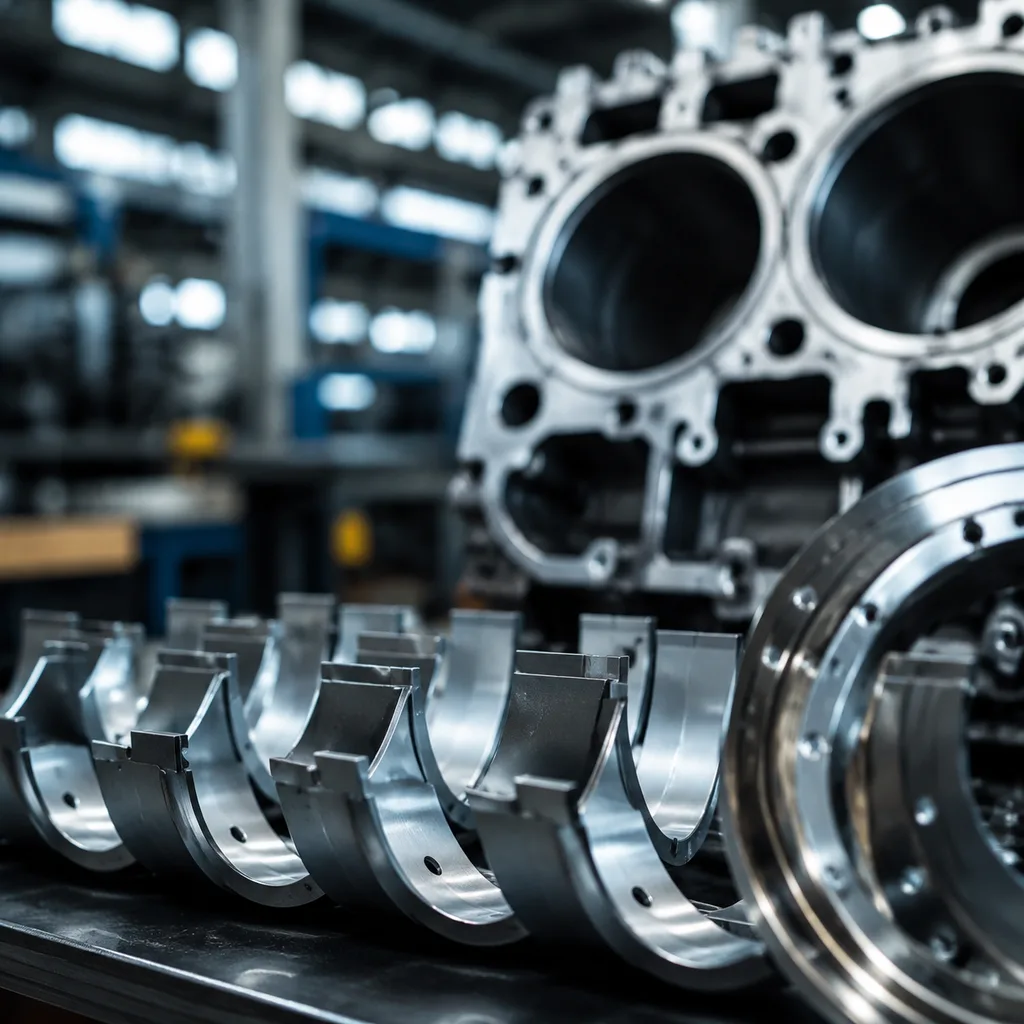
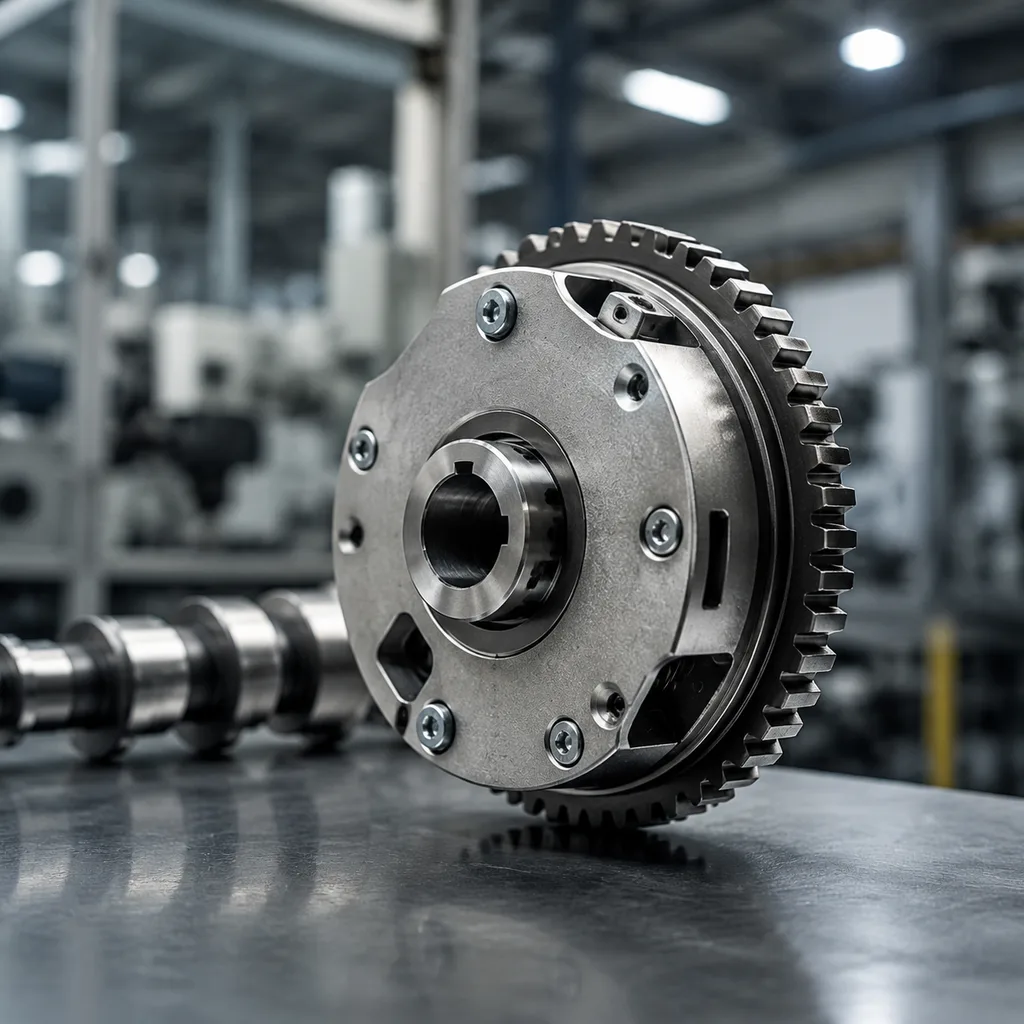
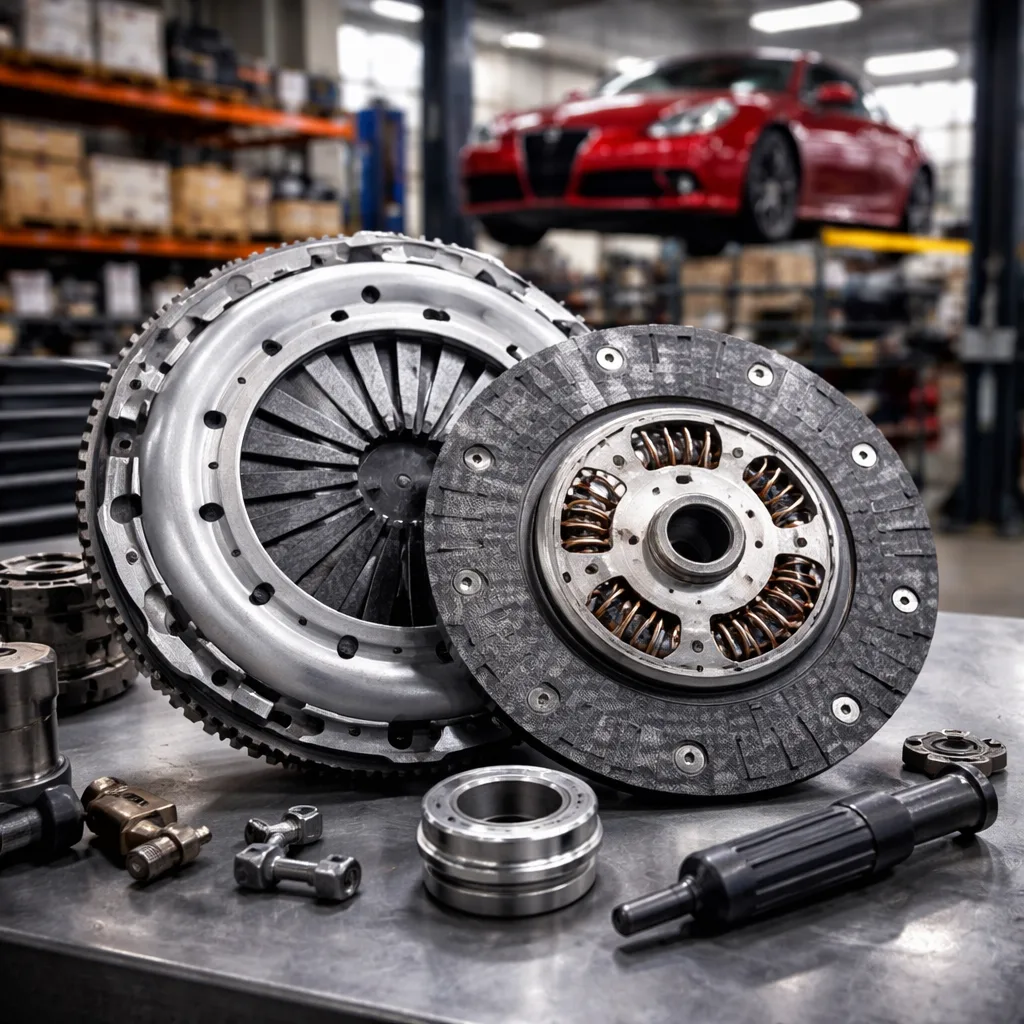
Procurement teams sourcing cylinder liner Buick wholesale parts need three priorities from the start: correct fitment, dependable supply, and traceable quality. For Buick applications, the liner must match bore diameter, flange height, wall thickness, and top land projection within the engine’s rebuild limits, and the supplier should quote the measuring standard used for each critical feature before you issue a PO. A practical wholesale programme also needs clear MOQ, repeatable lead time, and a documented control plan so buyers can compare samples, pilot lots, and production lots on the same basis. Driventus is an independent aftermarket manufacturer; brand names are referenced for fitment only. We support B2B sourcing for distributors, OEM and Tier-1 programmes, and repair networks from our Taizhou facility, with production controlled under IATF 16949:2016 and ISO 9001:2015. When comparing suppliers, check the drawing control process, inspection records, packaging standard, export lead time, and escalation path for out-of-spec lots before moving from sample approval to bulk purchase.
What buyers should verify before ordering
When sourcing a cylinder liner Buick wholesale programme, confirm the engine family, VIN or engine code, and whether the application uses a dry liner, wet liner, or parent-bore repair sleeve. For high-volume purchasing, the commercial terms matter, but the dimensional data matters more, because the wrong interference fit can scrap a block even when the part looks correct on arrival.
Minimum verification set
Bore diameter and finish size, with nominal and acceptable range
Outer diameter interference or slip fit, stated in microns or millimetres
Overall height, flange thickness, and top land projection
Material grade and heat-treatment state
Surface finish, roundness, taper, and cylindricity limits
Packaging and corrosion protection for export
Box quantity, pallet pattern, and unit weight for freight planning
For Buick engine programmes, ask for the exact engine code coverage, the OE reference list, and a controlled drawing revision number. A supplier that cannot state the inspection gauge used for each critical dimension, or cannot confirm whether the liner is intended for rough bore, finish bore, or finish hone workflow, is not ready for wholesale supply. As a rule, request a sample lot before volume release, then verify the first article against your shop’s actual machining process rather than a catalogue description alone.
Dimensional and material checks
Cylinder liners are simple parts only on paper. In practice, concentricity, hardness, and surface finish decide whether the rebuilt engine will seal and wear correctly. For wholesale buying, request the following data on each part number and require the supplier to attach measured values, not just pass/fail marks.
Check item
Typical buyer request
Base material
Alloy cast iron or specified equivalent
Hardness
Batch report with target range and test method
Bore tolerance
Per drawing, with measured records
Wall thickness
Nominal and minimum values at defined points
Flange height
Nominal value with allowed deviation
Honing condition
Rough machined or finish honed
Corrosion protection
Oil, VCI, or custom pack
Roundness / taper
Recorded on the inspection sheet
</tr></thead><tbody> </tbody></table>A good supplier should document CMM inspection, bore gauge checks, and lot-level traceability. For engine rebuilders, the liner surface must also support the planned ring pack and piston clearance after machining, so the buyer should specify the final hone target and the allowable stock removal if the liner is supplied semi-finished. Typical procurement packs also include a hardness certificate, a dimensional report from the pilot lot, and photo evidence of the packing standard used for export. If you are matching an OE 06A107065-style reference or another engine-specific code, keep the reference exactly as supplied and confirm the physical dimensions rather than relying on the number alone; the part number is a starting point, not proof of fit.
Wholesale supply factors that affect landed cost
Price per piece is only one part of the landed cost. Freight volume, carton strength, rework risk, and sampling cycle all affect total spend. For cylinder liner programmes, buyers usually save money by standardising the pack spec and reducing mixed-SKU shipments, because mixed lots increase pick errors and raise the chance of a partial delay at customs.
Commercial points to lock down early
MOQ per part number and per order
Sample lead time and bulk lead time
Carton quantity, inner pack, and pallet pattern
Incoterms and export documentation
Warranty terms for machining defects
Tolerance for partial shipment or buffer stock
Reorder trigger and forecast freeze window
A practical wholesale quotation should separate sample pricing, pilot-run pricing, and production pricing. Buyers should expect sample sets to cost more per piece, while bulk pricing should improve once the run exceeds the agreed MOQ and the packaging format is frozen. If the programme includes multiple Buick engine variants, ask the supplier to quote each part number with a clear price break table, such as base MOQ, mid-volume tier, and annual contract tier. For example, a buyer might request pricing at the sample stage, the first production lot, and the forecasted quarterly call-off level so that landed cost can be compared against actual demand. Lead time should also be stated in working days from PO and deposit receipt, with separate timing for tooling adjustment if the spec changes. If you are comparing suppliers, include expected rework allowance, carton failure rate, and any surcharge for private-label marks in the quote review so the final decision is based on total landed cost, not unit price alone.
Quality controls and compliance
Quality control should be visible before the first production run. At a minimum, the supplier should operate under IATF 16949:2016 and ISO 9001:2015, with incoming material checks, in-process inspections, and final audit records. For export markets, compliance screening should also cover REACH (EC) No 1907/2006 where applicable to materials and coatings. Buyers should also ask whether the supplier keeps retained samples, what the lot retention period is, and how nonconforming material is segregated before shipment.
Driventus is an independent aftermarket manufacturer; brand names are referenced for fitment only. That position matters for procurement because it means part selection must be validated on engineering data, not on a claim of vehicle-maker approval.
For a usable compliance review, request the control plan, the inspection frequency for critical dimensions, and the corrective-action workflow for failed batches. A buyer should know whether the supplier performs 100% visual inspection, sampling inspection under a defined AQL, or full dimensional checks on pilot and production lots. If your purchasing team needs deeper supplier review, use the quality system page to align document requests with your audit checklist. For custom dimensions, coatings, or pack methods, custom manufacturing supports controlled development and first-article approval.
How Driventus supports wholesale programs
Our cylinder liner supply is organised for repeat orders, not one-off retail sales. That means drawing control, batch coding, and export packing are managed as part of the order file, and the buyer receives a consistent process from sample approval through replenishment orders. For buyers, the practical benefit is fewer surprises at receiving, faster warehouse intake, and fewer disputes during claim handling.
We support:
Cross-reference validation against OE data supplied by the buyer
Production sampling and first-article inspection
Packaging marks for warehouse scanning
Consolidated shipping for multi-part engine kits
Private-label or neutral-label export packing
Scheduled replenishment with repeat lot coding
For a wholesale account, we can align the commercial structure to the programme size: single-SKU pilot orders, mixed-SKU trial shipments, and repeated volume calls against a forecast. Buyers should provide the engine code list, target annual quantity, preferred carton count, and acceptable lead-time band so the factory can lock a practical production slot. If your programme covers more than cylinder liners, you can also review our catalog or the broader engine components range to consolidate sourcing with one factory partner. That can reduce supplier count, simplify annual review meetings, and make it easier to keep one revision-controlled master file for all related parts.
When to request a custom specification
Custom specification is appropriate when the vehicle platform has a non-standard bore repair size, an export market requires a different corrosion package, or the rebuild shop needs a finish-machined liner ready for local honing. In those cases, the drawing should define every critical feature before quotation, including all tolerance zones, surface treatment requirements, and the final inspection method.
Use custom development when:
The OE liner is no longer available
The repair process needs oversize or undersize options
The wall thickness must change for a remanufacturing programme
The pack spec must support humid or sea-freight conditions
The buyer needs pre-finished or semi-finished machining condition
A controlled custom run should end with approved samples, dimensional records, and a production sign-off. Buyers should expect the supplier to confirm the revision number, quote the tooling or setup cost if any, and state whether the first batch will be run as a pilot lot before full release. If the requirement is urgent, ask for a sample turn time and a mass-production lead time separately, because those numbers are often different. If that is your current sourcing need, you can request a quote and include the engine code, target annual volume, required tolerances, and desired incoterm so the response is actionable on the first pass.
Frequently asked questions
Yes. Mixed-volume orders are possible when the part numbers are already validated and packed to a controlled order list. Final MOQ depends on the drawing, tooling state, packing format, and whether the order uses standard cartons or custom export packaging.
Yes. Share the engine code, OE reference, or sample part and we will confirm dimensional compatibility from the engineering data. Brand names are used for fitment only, and the final release should always be confirmed against the measured drawing and your own rebuild specification.
Typical documents include inspection records, batch traceability, packing list, and commercial invoice. For controlled programmes we can also provide dimensional reports, hardness records, and first-article samples so the buyer can approve the lot against the agreed spec before repeat shipping.
If you need a sourced, documented cylinder liner Buick wholesale quotation, send your part data, tolerance targets, forecast volume, and preferred lead-time window through our contact form. Start here: /contact.html