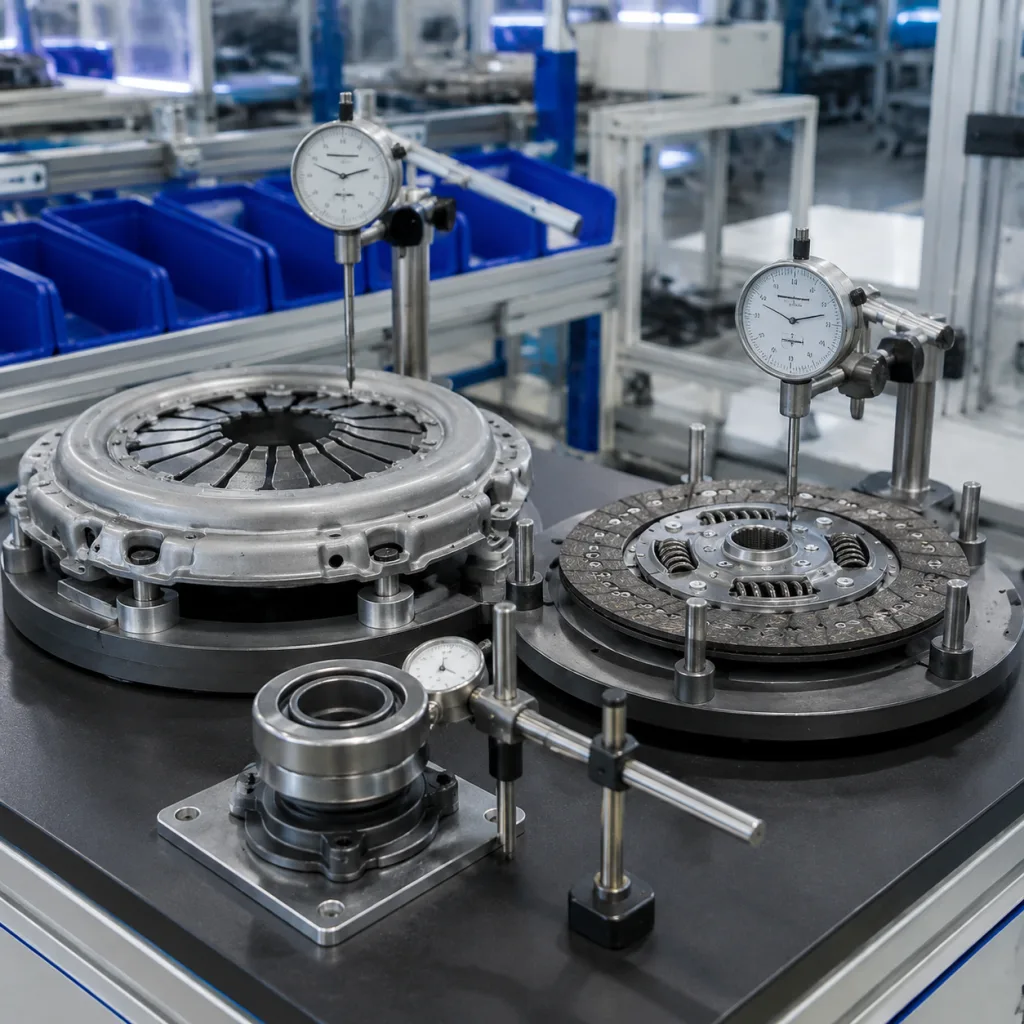
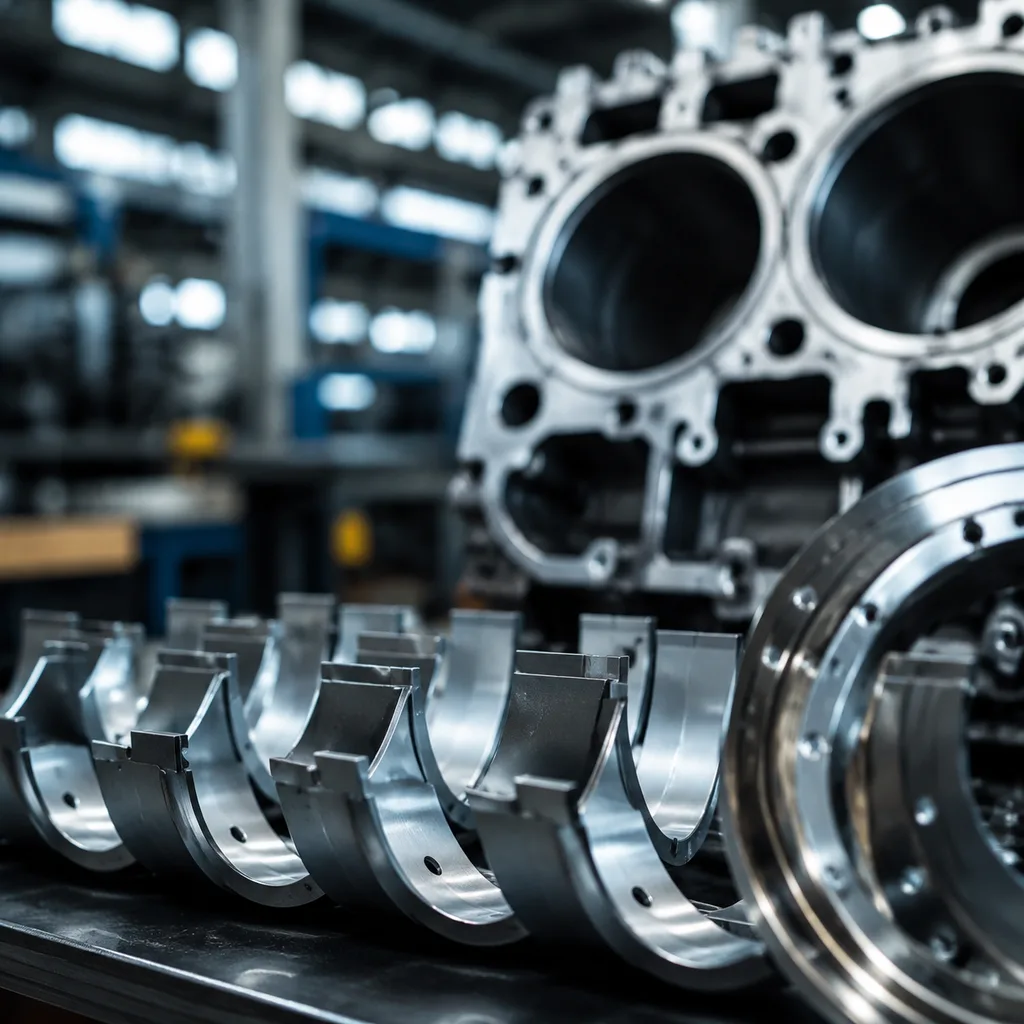
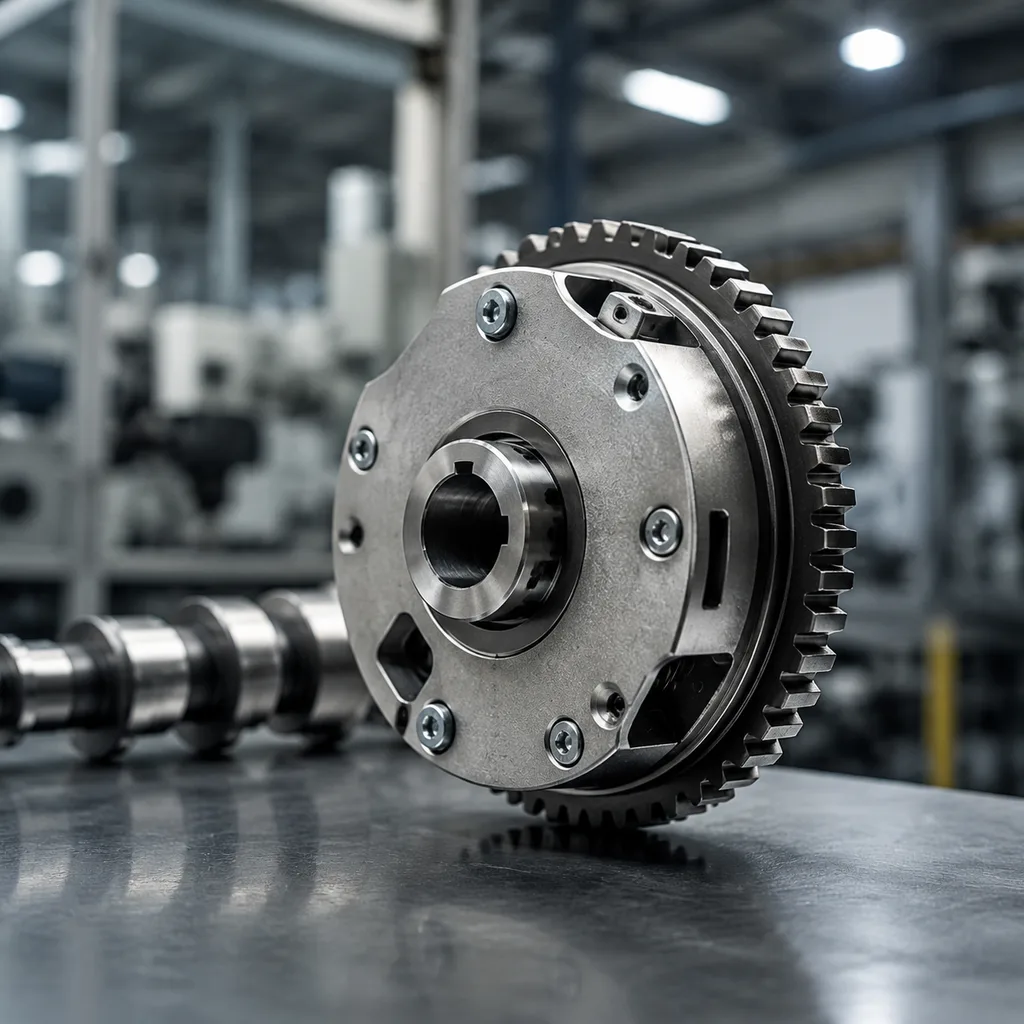
Clutch kit alfa romeo wholesale sourcing requires more than matching a disc diameter and spline count. Importers and category buyers need stable fitment coverage, controlled friction materials, repeatable diaphragm spring load, and documentation that can pass internal supplier approval. For European, UK, North American, Australian, and Brazilian distributors, the commercial decision also depends on MOQ, carton configuration, private-label readiness, and claim handling. Driventus manufactures clutch kits and related powertrain components in Taizhou, Zhejiang, with IATF 16949:2016 and ISO 9001:2015 quality management controls. This article outlines how procurement teams can evaluate Alfa Romeo clutch kit supply for aftermarket programmes, including specifications to request, audit points to check, and practical ordering considerations. Driventus is an independent aftermarket manufacturer; brand names are referenced for fitment only.
What Wholesale Buyers Should Define Before Sourcing
A clutch kit programme for Alfa Romeo applications should start with a fitment and demand map, not a price list. Most distributors need a mix of fast-moving compact and mid-size vehicle applications, older coverage for repair chains, and occasional low-volume performance-oriented models. The purchase specification should identify whether each kit includes a clutch cover, driven plate, release bearing, concentric slave cylinder, pilot bearing, alignment tool, bolts, or installation sheet.
Key sourcing inputs to define:
Target market: EU, UK, US, Canada, Australia, Brazil, or mixed export regions
Kit type: 2-piece, 3-piece, 4-piece, or CSC-inclusive kit
Application range: petrol, diesel, manual transmission code, and production year range
Fitment reference: TecDoc-style application data, OE cross-reference convention such as OE 06A… only where relevant, and buyer SKU mapping
Packaging: neutral carton, distributor brand, barcode, QR traceability, pallet label, and language requirements
Commercial terms: MOQ per SKU, mixed-SKU order allowance, sample order policy, lead time, and annual forecast
For an initial clutch kit alfa romeo wholesale enquiry, buyers should send current SKU lists, annual sales by reference, and any warranty return notes. This allows the factory to distinguish a catalogue gap from a quality improvement request.
Core Specifications to Request From the Factory
Dimensional match is necessary, but it is not a complete purchasing specification. Procurement teams should ask for drawings or controlled data sheets that define the functional characteristics of the kit.
Specification area
Typical data to request
Why it matters
Driven plate diameter
Nominal diameter and tolerance
Confirms contact area and flywheel compatibility
Spline profile
Tooth count, major diameter, minor diameter
Prevents input shaft mismatch and installation failure
Friction facing
Material type, thickness, rivet pattern
Affects engagement feel, durability, and heat resistance
Cover assembly
Clamp load range, release load range
Controls torque capacity and pedal effort
Diaphragm spring
Material grade and heat treatment control
Supports repeatable spring performance
Runout
Disc lateral runout limit
Reduces judder and uneven wear
Balance
Assembly balance control
Limits vibration at operating speed
Release bearing or CSC
Interface dimensions and seal material
Reduces noise, leakage, and premature release failure
</tr></thead><tbody> </tbody></table>A credible supplier should maintain controlled inspection records for critical dimensions, not only a final visual check. For friction materials, request confirmation of regulatory screening for substances controlled under REACH (EC) No 1907/2006 when supplying the EU market. Where the buyer has internal environmental or restricted substance lists, these should be included in the purchase agreement.
MOQ, Lead Time, and Private-Label Planning
Wholesale buyers often underestimate the operational difference between buying finished stock and building a sustainable private-label programme. Finished stock can shorten first shipment timing, but it may not match carton artwork, barcode structure, language requirements, or regional warranty documentation. Private-label production gives better channel control, but it needs approved artwork, master carton testing, and first-article confirmation.
A practical sourcing discussion should cover:
MOQ per reference and total order MOQ for mixed clutch kit shipments
Standard lead time for repeat orders versus new SKUs
Tooling or fixture requirements for uncommon applications
Availability of neutral, Driventus, or buyer-owned packaging
Barcode format, carton size, pallet height, and container loading plan
Spare component policy for bearings, CSC units, bolts, and alignment tools
Incoterms, export documentation, and destination compliance documents
For consolidated orders, buyers can review our catalog and group clutch kits with adjacent powertrain components to improve freight efficiency. This is useful for distributors that import pistons, gaskets, water pumps, turbochargers, and clutch kits on the same shipment cycle.
For new programmes, sampling should not be treated as a formality. Recommended sample checks include dimensional inspection, trial installation on representative transmission and flywheel interfaces, packaging drop checks, and a review of installation notes for local language suitability.
Quality System and Factory Audit Points
A factory audit for clutch kit supply should connect the quality management system to the actual production controls used on the line. Certificates alone do not confirm process discipline. Driventus operates under IATF 16949:2016 and ISO 9001:2015, and buyers can review our quality system when preparing supplier approval documents.
Important audit checkpoints include:
Incoming inspection for steel stampings, castings, friction facings, bearings, and hydraulic components
Material traceability from incoming batch to finished kit lot
Control plan for diaphragm spring forming, heat treatment, cover assembly, and riveting
Fixture calibration records for load testing, spline gauges, runout checks, and balance checks
In-process inspection frequency and reaction plan for nonconforming parts
Final kit verification against bill of materials and application label
Packaging inspection for carton strength, part protection, and label accuracy
Warranty return analysis process, including photo review and root-cause classification
Procurement teams should ask to see examples of inspection reports rather than only a blank template. Useful records include clamp load test results, release load curves, driven plate runout measurements, bearing noise checks, and CSC leak-test records where applicable. If the buyer requires PPAP-style documentation, the scope and submission level should be agreed before the first production order.
Fitment Data, Cross-References, and Claim Reduction
For aftermarket distributors, catalogue accuracy is a direct cost-control issue. A correctly manufactured clutch kit can still create a warranty claim if application notes are incomplete. Alfa Romeo applications may vary by engine, gearbox, flywheel type, model year, and market. Buyers should verify whether a kit is intended for a solid flywheel, dual-mass flywheel, pull-type release system, push-type release system, or CSC arrangement.
Data fields that reduce catalogue disputes:
Make, model, engine, fuel type, power output, and year range
Transmission code where available
Disc diameter and spline count
Flywheel type and release mechanism
Kit contents and exclusions
OE-style cross-reference field, using generic formats only where applicable, such as OE 11251…
Supersession history and buyer SKU mapping
Installation warnings for bolts, hydraulic bleeding, or flywheel inspection
Brand names and model names should be used only for fitment identification, not to imply endorsement. Driventus is an independent aftermarket manufacturer; brand names are referenced for fitment only.
For distributors developing exclusive references or regional packaging, Driventus can support custom manufacturing, including agreed kit contents, carton design, label format, and inspection documentation. Custom requests should be supported by drawings, samples, or validated cross-reference data to prevent ambiguity.
Commercial Risk Controls for Import Managers
A clutch kit alfa romeo wholesale programme should be managed with measurable commercial controls. The lowest unit price may not be the lowest landed cost if the programme causes high claims, catalogue corrections, repacking, or emergency air freight. Import managers should calculate cost per saleable kit after freight, duty, packaging, claims allowance, inspection costs, and inventory holding.
Recommended buying controls:
1. Start with a sample order for top references and any technically sensitive applications. 2. Confirm packaging artwork, barcode scan results, and pallet configuration before mass production. 3. Set an approved quality limit or inspection plan for pre-shipment checks. 4. Require traceability codes on product or carton labels. 5. Agree on evidence required for warranty claims, including installation photos and mileage. 6. Review sales and return rates after the first three to six months.
Typical lead time depends on SKU mix, packaging status, and production load. Repeat orders for standard references are normally easier to schedule than first orders with buyer-owned cartons and new labels. For long-tail references, annual forecast sharing helps the manufacturer plan friction material, bearings, and stamped components in advance.
Buyers comparing suppliers should request the same data set from each candidate: certificate copies, sample inspection report, packaging photos, MOQ table, lead-time commitment, claim policy, and fitment file. This creates a practical basis for comparison beyond quoted unit price.
Frequently asked questions
Send target SKUs, annual volume, destination market, required kit contents, packaging type, and any fitment cross-reference data. If buyer-owned packaging is required, include barcode rules, carton artwork, and language requirements.
Yes. Driventus can support neutral or buyer-owned packaging, agreed kit contents, and controlled inspection records. New private-label programmes require artwork approval, label confirmation, and sample review before mass production.
No. Driventus is an independent aftermarket manufacturer; brand names are referenced for fitment only. Products are supplied for aftermarket replacement and distribution programmes without implying vehicle manufacturer endorsement.
For MOQ, lead time, fitment files, and sample availability, send your SKU list and destination market details. Our team can review the programme and help you [request a quote](/contact.html).