Cylinder Head Kia Supplier: Sourcing, Quality, Lead Times
Procurement teams buying a Kia cylinder head usually need three things at once: fitment confidence, stable lead time, and documents that survive an audit. The part must match the engine family, seal reliably after machining, and arrive with traceable material and test records. Driventus is an independent aftermarket manufacturer; brand names are referenced for fitment only. For buyers comparing a cylinder head Kia supplier, the useful questions are simple: what casting route is used, how are flatness and pressure tests controlled, what is the MOQ, and which export documents are supplied with each shipment. We manufacture for distributors, OEM programmes, and repair networks, so the commercial package matters as much as the metal. The right supplier should be able to explain process control, not just list applications.
What buyers should verify first
For a Kia cylinder head purchase, the first pass should be commercial and technical together. Confirm the engine family, valve count, fuel system, emission level, and whether the order is for bare castings, fully machined heads, or assembled heads with valves and springs.
A sourcing checklist should cover:
Application list by engine family, not just model name
Casting route, heat treatment, and machining sequence
Pressure testing of coolant passages
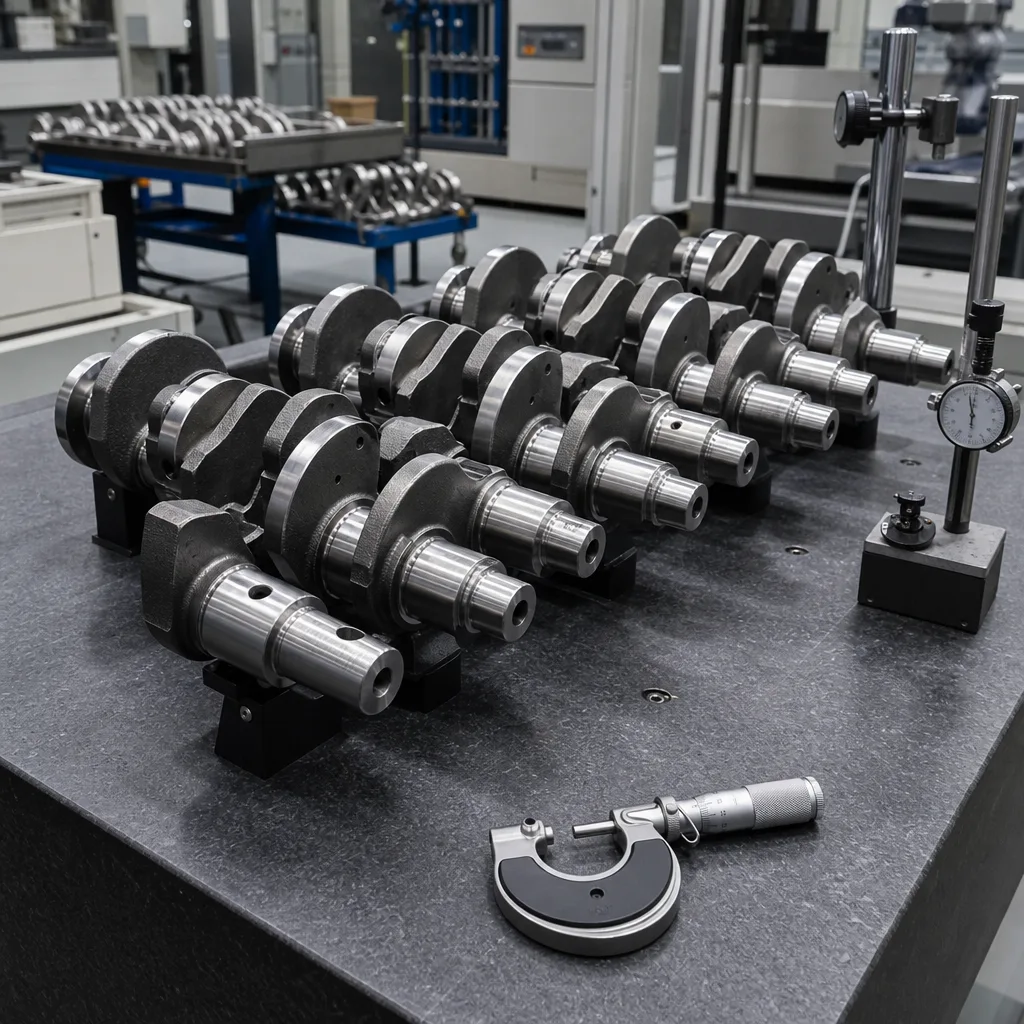
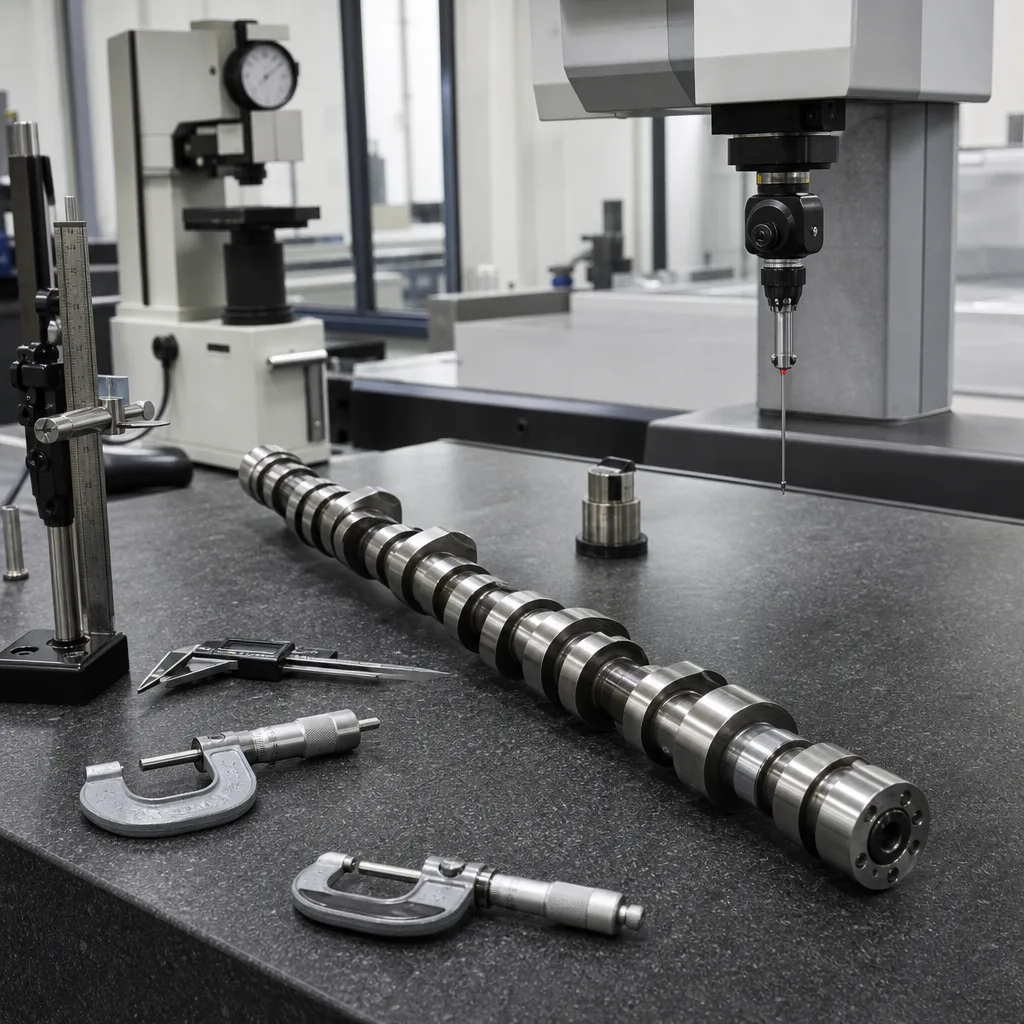
Flatness, seat concentricity, and guide alignment checks
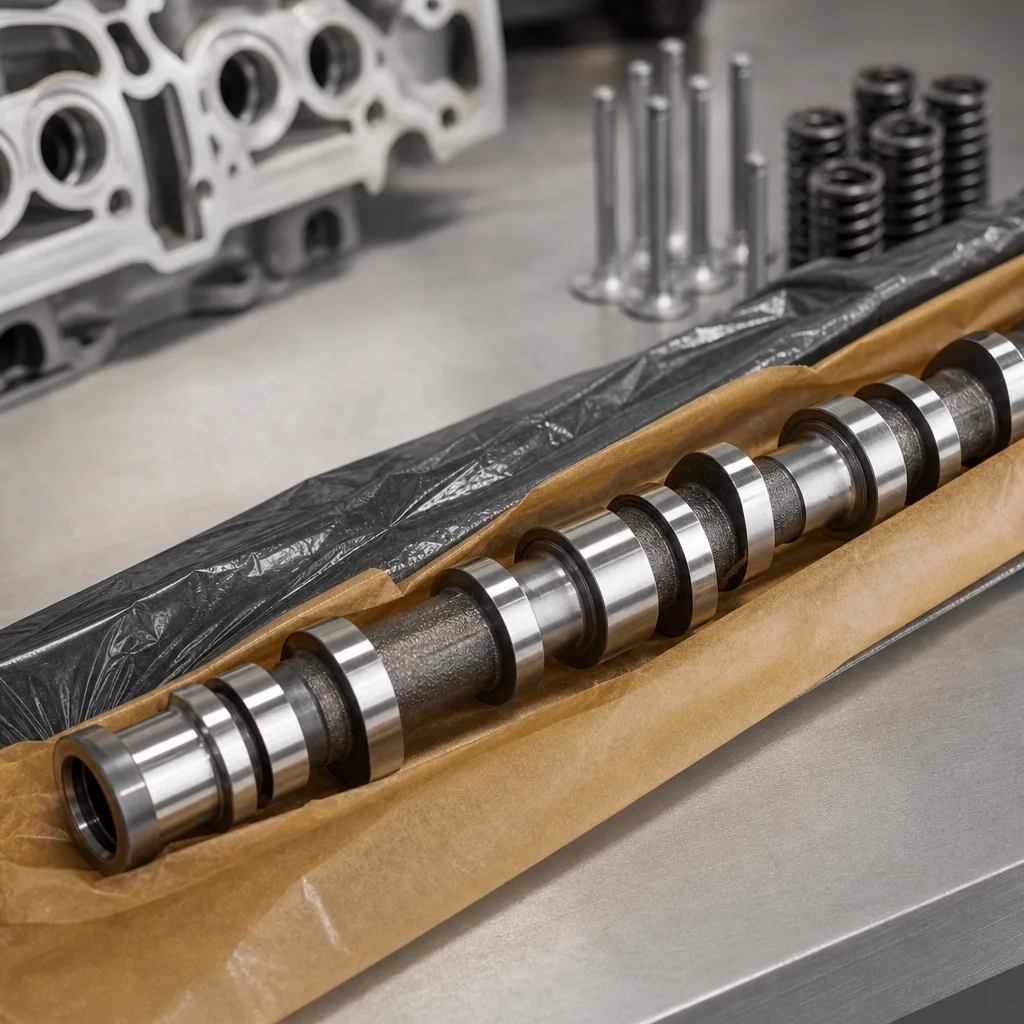
Pack-out standard for export pallets and moisture control
Traceability from heat lot to finished batch record
Most returns on cylinder heads are not cosmetic. They come from sealing issues, valve train mismatch, or a missing machining step. The controls below are the ones that matter most to procurement teams.
Control point
Buyer verification
Why it matters
Deck flatness
Measured after final machining to drawing limits
Protects head-gasket sealing
Valve guide position
Concentricity and runout check
Reduces oil consumption and misfire risk
Cam bore alignment
Gauge check across the full bore set
Prevents binding on OHC layouts
Coolant jacket pressure test
Air-under-water or equivalent test
Finds porosity before shipping
Surface finish
Mating surfaces controlled to print
Improves gasket repeatability
</tr></thead><tbody> </tbody></table>The right supplier should be able to show how these checks are recorded, what rejects are held, and how corrective action is closed.
Manufacturing and validation
Driventus builds under an IATF 16949:2016 and ISO 9001:2015 quality system. For procurement teams, that matters because the process is controlled from incoming material to final release, with documented non-conformance handling and corrective action. Material declarations for export programmes should also align with REACH (EC) No 1907/2006. Where the part sits inside an emissions-sensitive package, buyers may ask for validation against ECE R-83 or the vehicle programme's own test matrix.
The practical sequence is straightforward: casting inspection, heat treatment where specified, CNC machining, washing, leak testing, final dimensional inspection, and packing. That sequence is what keeps repeatability stable across batches. Review the structure of the quality system before issuing a supplier approval request.
Commercial terms procurement teams should lock down
The technical side is only half the job. A clean sourcing programme also defines how the supplier handles MOQ, lead time, packaging, and documentation.
Item
What should be fixed before PO
MOQ
By part number and casting family, not one blanket figure
Lead time
Sample, pilot, and mass production lead times stated separately
Packaging
Corrosion protection, carton strength, pallet height, label format
Documentation
Commercial invoice, packing list, material declaration, inspection report
Audit support
Photo evidence, remote process review, or site visit preparation
</tr></thead><tbody> </tbody></table>If the target is a repeat supply line, send the forecast, target delivery windows, and test requirements through request a quote. That gives the plant enough information to confirm cost and capacity without guesswork.
When custom manufacturing is justified
Not every programme should use an off-the-shelf casting. Use custom manufacturing when the buyer needs a different port shape, valve package, chamber volume, sensor boss, or packaging standard. Custom work also makes sense when several Kia variants share a family but differ in emissions hardware, cooling layout, or head gasket interface.
For procurement, the important point is to separate engineering change control from commercial approval. Ask for:
Drawing revision control and sample sign-off
Clear statement of what is interchangeable and what is not
Inspection report format for pilot lots
Batch traceability and retention period
That approach reduces disputes when a platform refresh arrives or when a distributor needs to consolidate multiple part numbers into one supply route.
Frequently asked questions
Typical documents include the commercial invoice, packing list, material declaration, inspection report, and batch traceability data. For programmes with tighter controls, we can add pressure-test records or sample approval files. Final contents depend on the part family and the agreed incoterms.
Yes. We can support lower MOQs for sample, pilot, or distributor replenishment orders when the drawing is stable. Mixed-model orders work best when the buyer provides a clear engine list and forecast split by part number. That lets us plan machining, packaging, and release timing without changing the technical standard.
Yes, through our OEM service route. We can review drawings, propose manufacturability changes, and build to the agreed revision. We do not claim vehicle manufacturer approval. Brand names are used for fitment reference only, and the buyer remains responsible for final application confirmation.
Send the engine list, target volume, and required documents, and we will prepare a sourcing response through [request a quote](/contact.html).