cylinder head · 2026-06-02

Cylinder Head Iveco Supplier: What Buyers Should Verify

Procurement teams looking for a cylinder head Iveco supplier are usually comparing far more than a price sheet. A sound decision depends on fitment control, casting integrity, machining capability, batch traceability, validation records, and repeat supply across engine families, production years, and export markets. For aftermarket distributors, service networks, fleet maintenance groups, and OEM-linked buyers, the practical questions are specific: does the head match the OE layout, will the gasket face and cam or rocker interfaces remain stable after machining and thermal loading, do the coolant and oil passages align with the block and gasket, and can the supplier document material, machining, inspection, cleaning, packaging, and shipment controls.

Driventus is an independent aftermarket manufacturer; brand names are referenced for fitment only. That distinction matters in sourcing conversations. Buyers need a supplier that can work from engine codes, OE references, casting marks, physical samples, drawings, and cross-reference data without claiming vehicle-maker approval. A strong sourcing process separates fitment compatibility from brand ownership, then checks the technical evidence behind every quoted part number.

The sections below outline what to verify before placing a trial order, how to compare suppliers on technical grounds, which documents to request for export and compliance review, and how to qualify sampling, audit access, MOQ, lead time, and mass-production readiness.

What buyers should verify first

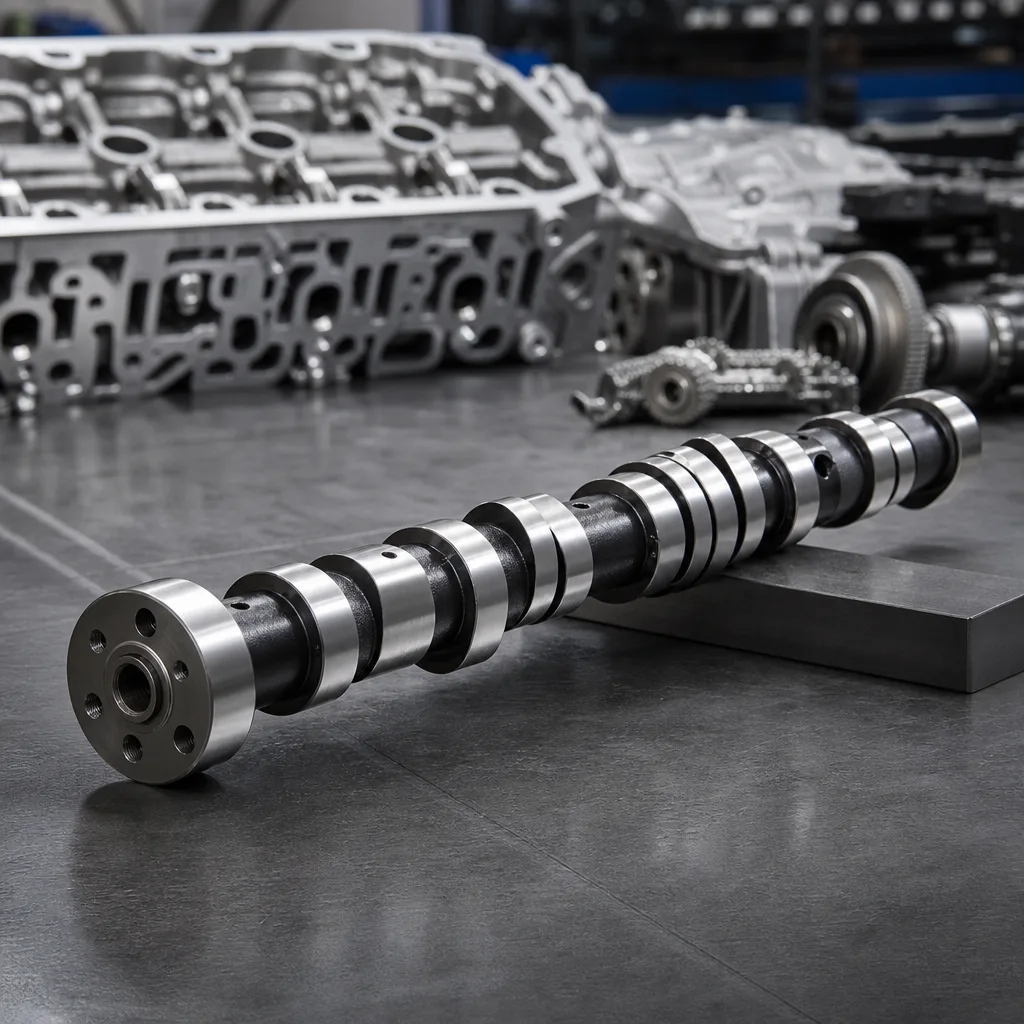
A cylinder head is not a commodity casting. For an Iveco program, the first review should confirm platform fitment, combustion chamber geometry, valve train layout, injector and glow plug positions, coolant passage alignment, oil gallery routing, bolt-hole pattern, dowel locations, and gasket face dimensions. Two heads can look almost identical from the outside, while a small change in water jacket design, valve seat depth, injector sleeve detail, sensor boss location, or cam carrier interface can still cause installation issues, coolant leakage, compression loss, or early field failure.

When evaluating a cylinder head Iveco supplier, start with the part identification method. Ask whether the supplier confirms fitment by engine code, OE reference, casting number, application list, physical sample, drawing, or a combination of these. This is especially important for mixed-market distributors, where the same vehicle family may include regional engine variants, emissions packages, injector types, EGR layouts, and production-year differences that affect the head specification.

Ask for:

  • Casting material declaration: aluminium alloy or cast iron grade, heat-treatment route where applicable, and hardness range after treatment.
  • Fitment confirmation: engine code, application range, OE or aftermarket cross-reference basis, and any excluded variants.
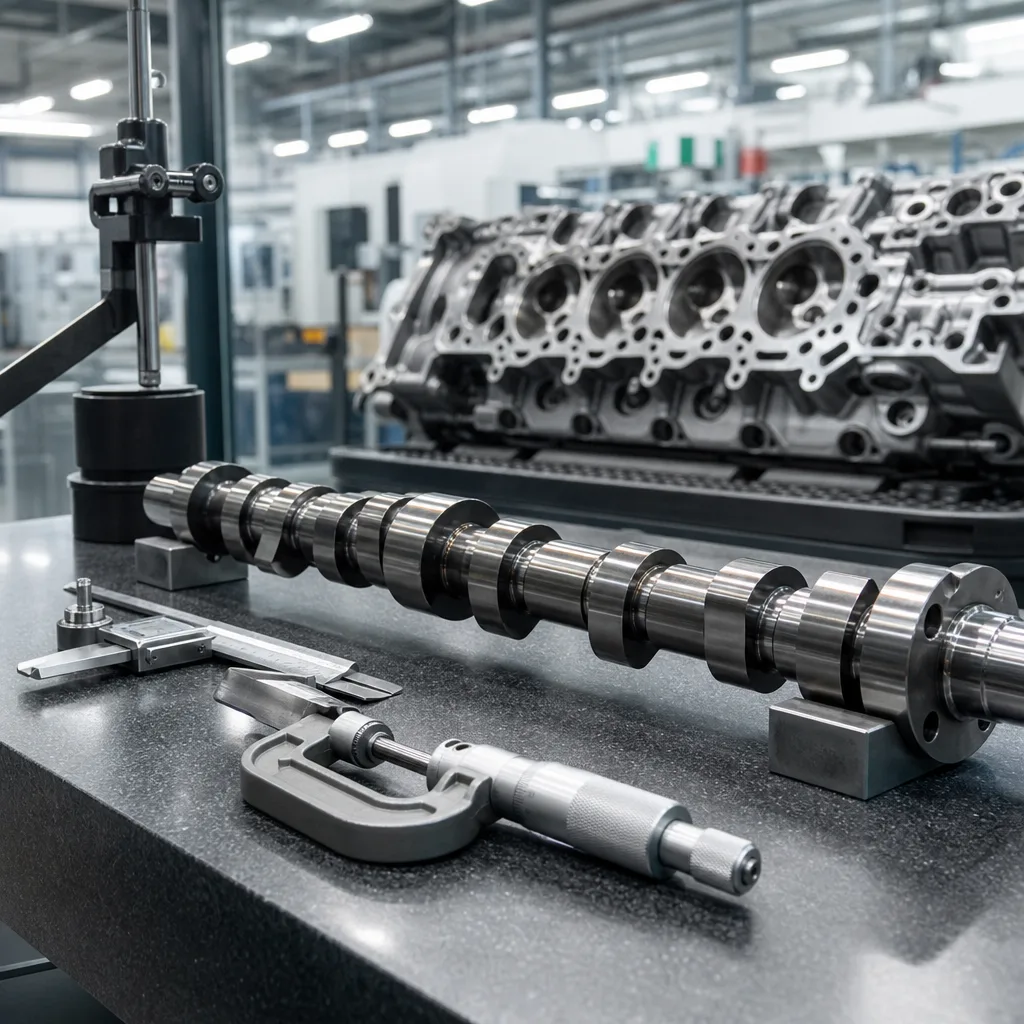
  • Machining data: valve seat concentricity, guide bore position, cam bore or rocker shaft alignment where applicable, deck flatness, and gasket-face surface finish.
  • Critical geometry checks: combustion chamber volume, valve recession or protrusion, injector bore angle, bolt-hole position, dowel location, and coolant/oil passage alignment.
  • Pressure-test evidence: coolant jacket integrity, leak test method, test medium, test pressure, test duration, temperature condition, and acceptance criteria.
  • Thread and sealing checks: injector clamp threads, glow plug threads, sensor ports, core plugs, sealing faces, and plug torque references where applicable.
  • Traceability: batch code, casting lot, machining date, production line or operator record, inspection record linkage, and nonconformance history.
  • Packaging control: rust inhibitor or VCI where needed, machined-face protection, threaded-hole protection, end-cap protection, carton compression strength, pallet bracing, and drop or vibration protection for export freight.

Also confirm whether the head is supplied bare, semi-loaded, or fully assembled. A bare head places more responsibility on the buyer or installer to select valves, springs, guides, seats, plugs, seals, injector sleeves, and gaskets. An assembled head demands tighter control of component sourcing, seat insertion, spring installed height, valve sealing, plug installation, and assembly torque, but it can reduce workshop time when the bill of materials is stable.

If the supplier cannot show repeatable inspection records, the price is rarely the real cost. Rework, returns, gasket failures, coolant leaks, delayed repair jobs, and vehicle downtime become the hidden spend. A qualified supplier should be able to explain how each batch is identified, how porous or cracked castings are screened out, how machining offsets are controlled, and how dimensional and pressure-test results are retained for warranty analysis.

Specification points to compare

Use a structured comparison instead of relying on a general quality claim. The aim is to put competing quotations on the same technical basis. A low unit price may look attractive until it excludes pressure testing, assembled components, export packing, inspection reports, or the machining tolerances required by the buyer's market.

The table below covers the items buyers normally review during RFQ and sample approval. Target values should be agreed against the drawing, gasket supplier requirement, and engine family. Even so, the supplier should be able to state its controlled range rather than simply saying "standard quality."

</tr></thead><tbody> </tbody></table>During sample approval, request at least one dimensional report tied to the submitted sample serial number or batch code. For higher-risk programs, it is sensible to check several pieces from the same batch and compare flatness, valve seat position, guide bore location, thread quality, coolant pressure-test results, and packaging condition after transit. That shows whether the supplier can repeat the process, not just prepare one good sample.

Clarify the quoted configuration before comparing price. Some suppliers quote a bare casting with machining only. Others include valves, springs, seals, seats, guides, cam caps, core plugs, injector sleeves, or accessory hardware. Confirm whether gaskets, head bolts, sensors, rocker gear, injector clamps, protective plugs, and private-label cartons are included or excluded, because these details affect landed cost, warranty responsibility, and installation readiness.

For buyers building a multi-part package, it is efficient to source from a supplier that also covers related engine components. See our catalog and the broader engine components range for adjacent parts that may share the same sourcing cycle, such as gaskets, water pumps, oil pumps, timing components, and other engine repair items.

Compliance, validation, and export documentation

For EU, UK, North American, Australian, Brazilian, Middle Eastern, and other export-market buyers, compliance is not limited to the part itself. A serious cylinder head program should be backed by a documented quality system, controlled material inputs, repeatable inspection procedures, calibrated gauges, retained records, and export-ready paperwork that the buyer can use for customs, receiving inspection, warranty review, and internal approval.

Driventus operates to our quality system with IATF 16949:2016 and ISO 9001:2015 processes. For material and chemical compliance, buyers commonly ask for REACH (EC) No 1907/2006 declarations and supporting supplier statements for restricted substances. Depending on the customer and destination market, the RFQ may also require material certificates, coating or corrosion-prevention statements, country-of-origin details, HS code confirmation, packing list format, commercial invoice data, barcode rules, carton artwork approval, and private-label carton specifications.

For complete engine programs or emissions-sensitive repair channels, some customers also request compatibility evidence aligned to ECE R-83 where the head is part of a larger emissions-critical assembly. A cylinder head alone may not determine emissions performance, but combustion chamber geometry, valve sealing, injector location, swirl and port geometry, and coolant management can affect the assembled engine. Documentation should therefore be clear about the supplied component, the intended fitment, and the limits of any compatibility statement.

Validation should cover both the product and the process. Product validation may include dimensional inspection, pressure testing, hardness checks where applicable, material confirmation, thread inspection, seat vacuum or leak checks, surface-finish measurement, and assembly verification for loaded heads. Process validation may include incoming material control, casting inspection, machining setup approval, first-off inspection, gauge calibration, cleaning verification, final inspection, and packaging approval. For repeat programs, ask whether the supplier can provide batch-level records rather than only a one-time sample report.

If your sourcing team needs a bespoke casting, machining route, assembled-head configuration, or private-label pack, custom manufacturing is the correct channel. That route is especially useful when the buyer needs sample-to-production control, defined inspection plans, specific corrosion protection, special carton graphics, regional labeling, barcode rules, pallet height limits, or a non-standard carton and pallet specification.

MOQ, lead time, and audit points

The sourcing decision should cover commercial terms and factory capability, not just part fitment. A cylinder head program usually carries more risk than a simple accessory part because tooling, casting yield, heat treatment, CNC machining time, pressure testing, cleaning, inspection, and export packing all affect delivery. When reviewing a cylinder head Iveco supplier, ask for the following before moving from sample to production:

  • MOQ by part number, material family, casting route, and supplied configuration.
  • Sample lead time, including whether samples come from existing stock, pilot machining, or a new casting run.
  • Pilot-run capacity and the number of pieces available for approval testing, bench checks, and installation trials.
  • Mass-production lead time after sample approval, artwork approval if applicable, and deposit.
  • Annual volume range, monthly capacity, peak-season capacity, and buffer stock policy.
  • Tooling ownership, tooling maintenance responsibility, cavity identification, and expected tool life if a new casting is required.
  • Audit access for incoming inspection, casting control, heat treatment, machining control, pressure testing, washing, final inspection, and packing.
  • Corrective-action response time for rejected lots and the expected format for 8D, 5-Why, containment, and reinspection reports.
  • Change notification rules for material, tooling, machining process, sub-supplier, packaging, labeling, test method, or inspection frequency changes.

For OEM and Tier-1 buyers, a supplier should be able to discuss process capability, gauge calibration, control plans, sample submission format, special-characteristic control, and containment actions. For distributors and repair networks, the conversation may focus more on stable repeat availability, mixed-SKU consolidation, carton durability, replacement policy, label clarity, and clear identification on invoices and packing lists.

Review commercial terms alongside technical risk. Confirm Incoterms, payment terms, warranty handling, spare sample availability, carton quantities, palletization, pallet height, gross weight, warehouse labeling, and whether inspection reports are supplied with every shipment or only on request. If a market requires private-label packing, check the artwork approval process, barcode validation, and lead time impact before the trial order.

If the buyer needs a formal sourcing event, request a quote with drawings, engine code, OE reference if available, casting number, photos of the existing part, target annual volume, target market, preferred configuration, and required documentation. That allows the supplier to answer on the same technical basis and reduces the back-and-forth that often delays sample approval.

How Driventus supports Iveco sourcing

Driventus is set up for B2B supply to distributors, repair networks, fleet service channels, and OEM-linked programs that need repeatable engine-part output. For an Iveco cylinder head program, the practical value is not a generic promise. It is the ability to work from sample inspection, dimensional confirmation, technical cross-reference review, controlled production records, and packaging requirements that match export freight and receiving-inspection conditions.

We support buyers with:

  • Fitment review using engine code, application details, customer drawings, reference samples, casting marks, and available cross-reference information.
  • Dimensional review against customer drawings or physical samples, including critical sealing, bore, thread, dowel, chamber, and passage features.
  • Material, machining, pressure-test, cleaning, and inspection records for receiving teams and internal approval files.
  • Batch traceability so warranty questions can be linked to production date, casting lot, machining batch, and inspection history.
  • Packaging controls for sea freight, air freight, warehouse handling, mixed-load consolidation, and private-label distribution.
  • Configuration support for bare, semi-loaded, or assembled supply where the bill of materials and inspection requirements are clearly defined.
  • Parallel sourcing for gaskets, pumps, timing components, and other our catalog items when the buyer wants a consolidated purchase order.

For new programs, Driventus can review sample photos, casting references, engine data, gasket interface details, and target-market requirements before confirming whether an existing item is suitable or whether a custom route is needed. For repeat programs, the work shifts to batch consistency, lead-time planning, documentation, packaging reliability, and keeping receiving teams supplied with the evidence they need to approve incoming lots quickly.

Driventus is an independent aftermarket manufacturer; brand names are referenced for fitment only. That statement should be clear in every RFQ, catalogue entry, label review, and commercial discussion so procurement teams can separate fitment compatibility from brand ownership. The result is a cleaner sourcing process: technical evidence, controlled production, export-ready documentation, and a supplier relationship built around repeatable supply rather than one-off price comparison.

Frequently asked questions

Send the engine code, OE reference or casting number if available, photos of the old part, gasket face measurements, target configuration, annual volume, destination market, and any packing or documentation requirements. If you have a sample, include clear images of the combustion face, valve train side, coolant passages, injector or plug bores, threaded ports, and casting marks.

Yes, when the program needs controlled documentation, batch traceability, and process consistency. Buyers usually request material declarations, dimensional reports, pressure-test records, inspection reports, gauge-control evidence, change-control rules, and sample approval documents before pilot approval.

No. We also support adjacent engine and powertrain parts, which helps buyers consolidate sourcing and reduce inbound complexity. That is useful when the procurement team wants one supplier for a broader engine program, including gaskets, pumps, timing components, and other related repair parts.

If you are qualifying a cylinder head Iveco supplier, send your drawing, engine code, OE reference or casting number, sample photos, required configuration, documentation needs, destination market, and annual demand for a technical review and commercial offer. [request a quote](/contact.html)

Request a Quote
Parameter What to request Why it matters
MaterialAlloy grade or iron specification, treatment state, hardness range, and material certificateDetermines thermal stability, strength, machinability, and crack resistance
Casting qualityVisual standard, porosity limit, X-ray or dye-penetrant use where required, and rejection criteriaReduces leak risk, machining scrap, and field cracking
Deck flatnessMeasured flatness across the gasket face and inspection methodAffects MLS or composite gasket sealing and compression retention
Surface finishRa or Rz value for the gasket face, measured with a calibrated profilometerHelps match modern gasket requirements and prevents sealing-face mismatch
Valve seatsSeat material, interference fit, seat angle set, runout or concentricity, and valve contact widthControls wear, sealing, heat transfer, and compression loss
GuidesGuide bore tolerance, guide material, installed height, and stem-to-guide clearance targetInfluences oil control, valve movement, and valve life
Cam or rocker interfacesBore alignment, cap matching, thread quality, dowel fit, and torque referencesPrevents noise, binding, oil-pressure loss, and assembly issues
Injector and plug boresBore diameter, angle, sealing face, thread gauge result, and sleeve detail if applicableProtects combustion sealing, injector alignment, and serviceability
Coolant jacket testTest medium, pressure, duration, temperature, and pass/fail leakage limitVerifies coolant jacket integrity before shipment
CleaningChip removal, oil gallery flushing, core-sand removal, and final cleanliness checkPrevents abrasive contamination of the rebuilt engine
TraceabilityBatch coding, lot records, inspection report linkage, and label formatSupports warranty analysis, field containment, and recalls
DocumentationPPAP-style pack where required, dimensional report, COA, material declaration, packing list detail, and change-control statementReduces approval delays for OEM, Tier-1, fleet, and distributor buyers