Cylinder Head Genesis Wholesale: Buyer Sourcing Guide
Buyers searching for cylinder head genesis wholesale usually need more than a price list. They need confirmation that the head matches the engine family, seals correctly, and arrives with the right machining, traceability, and export packaging. Driventus is an independent aftermarket manufacturer; brand names are referenced for fitment only. For Genesis applications, the first step is to lock down engine code, combustion chamber geometry, valve train layout, gasket face finish, and any special port or sensor provisions. A credible supplier should also explain how the part is cast, machined, inspected, and packed before shipment. That is the difference between a low-cost offer and a supply program that can support distributors, repair chains, and OEM or Tier-1 buyers without repeated claims or returns.
What to verify before an RFQ
For this part family, the RFQ should start with fitment data, not model name alone. Ask for engine code, cylinder count, fuel system, valve count, and whether the head is needed as a bare casting, a machined head, or a fully assembled unit. If the application is tied to Genesis vehicles, confirm the exact engine variant and compare the drawing against the sample you already have in stock.
Valve spring rate, seal type, protrusion, lash setup
</tr></thead><tbody> </tbody></table>For a broader view of available engine parts, see our catalog and the related engine components.
Material, machining, and sealing specs
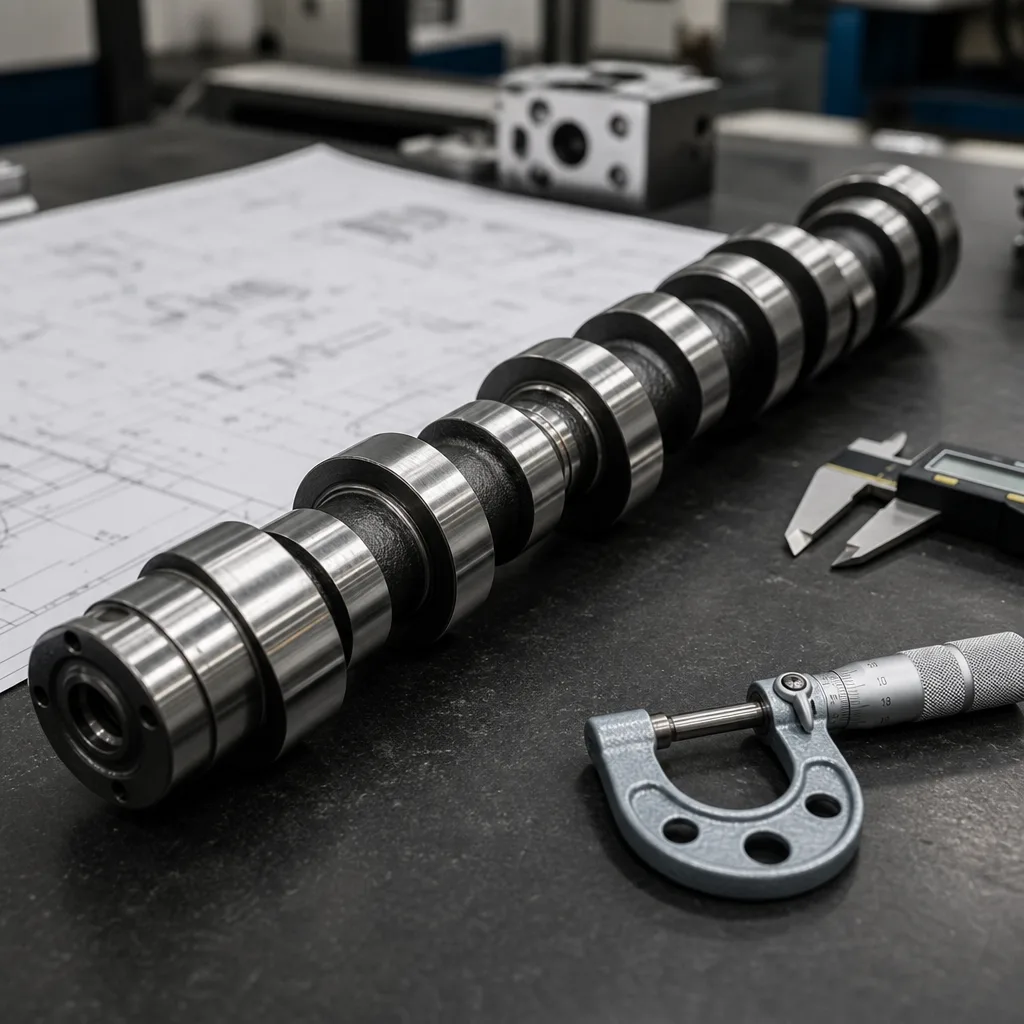
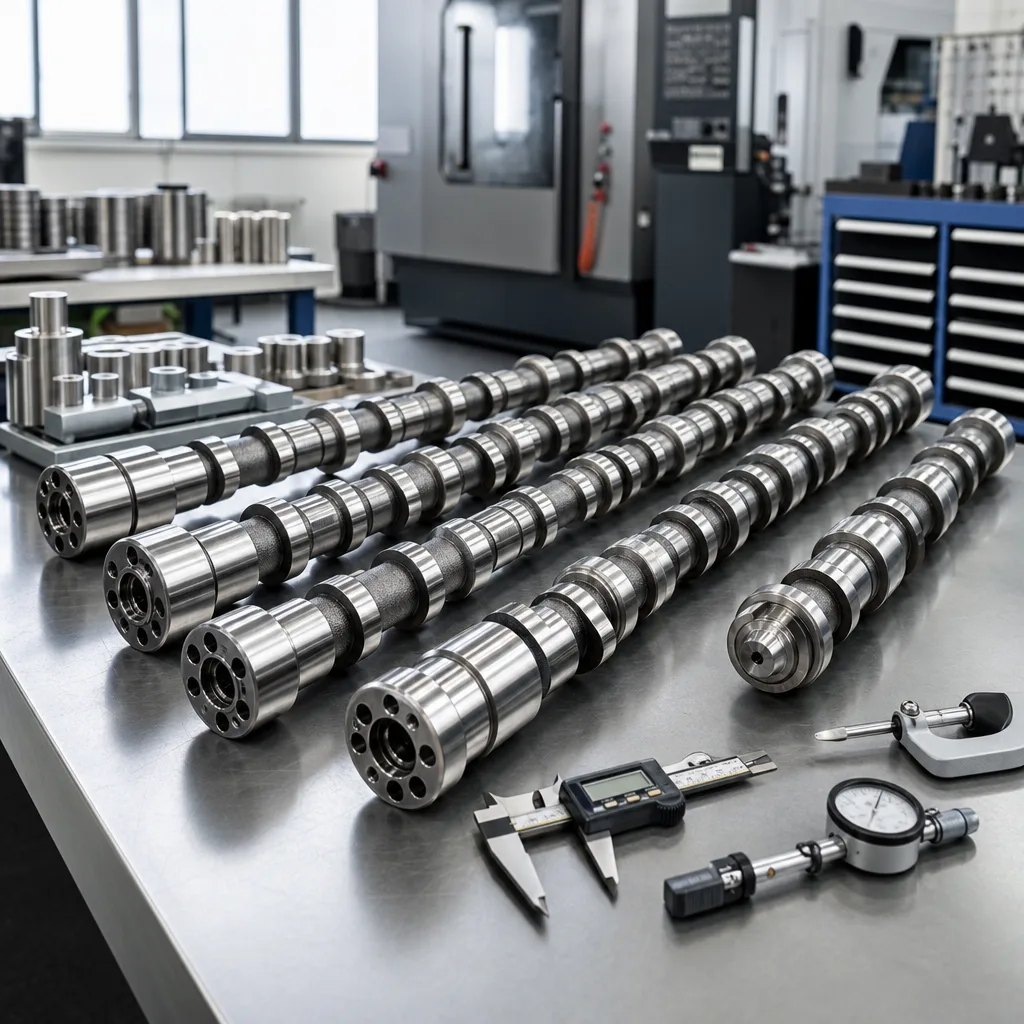
A cylinder head can look correct and still fail in service if the machining stack is inconsistent. Buyers should request the dimensional plan, not only the sales sample. Typical checkpoints include deck flatness, valve seat concentricity, guide-to-stem clearance, cam bore alignment where applicable, and gasket-face roughness. On modern aluminium heads, a practical acceptance range is often defined by the engine drawing rather than a generic market spec, so the supplier should show measured results against the target reference.
Common buying checks include:
Deck flatness after final machining
Seat runout and seat width control
Valve guide material and installation interference
Pressure test for water jackets
Surface finish matched to MLS or composite gasket design
Cleanliness after machining and washing
If the buyer is comparing multiple offers, the lowest-cost head is rarely the lowest-risk head. A slightly higher machining standard usually reduces warranty exposure, especially in high-mileage fleet or repeat-repair programs.
Quality system and compliance evidence
Wholesale buyers should treat the quality file as part of the product. At minimum, ask for IATF 16949:2016 and ISO 9001:2015 certificates, plus lot traceability, material certificates, dimensional inspection reports, and pressure-test records. If the part will move through the EU or UK supply chain, ask for a REACH (EC) No 1907/2006 declaration for the supplied articles and any requested substance disclosure.
quality system should describe how incoming castings are controlled, how machining is monitored, and how nonconforming parts are segregated. For a new program, first-article approval matters more than a brochure. Ask for the exact control plan used on the current production route, not a generic template.
Where customer validation is wider than the part itself, define the test plan up front. That can include emissions or durability references such as ECE R-83 or SAE J2527 when they are relevant to the complete engine package or the surrounding component set.
MOQ, lead time, and packaging options
A practical wholesale offer should explain how production volume changes cost, timing, and packaging. If the supplier machines in-house, control of the casting-to-finish chain is usually better than a multi-site handoff. If the supplier outsources finishing, ask who owns dimensional sign-off and how defect containment works between plants.
For commercial terms, buyers should clarify:
MOQ by part number and by machining variant
Tooling ownership for new castings or special ports
Lead time for samples, pilot batches, and repeat orders
Carton count, pallet pattern, and export labelling
Corrosion protection, VCI use, and valve-cover protection
Private label or neutral packaging requirements
If you need carton artwork, barcode labels, or mixed-SKU pallet logic, custom manufacturing is the right entry point. In some programs, the packaging spec is as important as the head itself because it affects warehouse handling, damage rate, and claim frequency.
Validation after first sample
The first sample should be treated as a technical gate, not a courtesy shipment. Before you release volume, verify that the sample head seats correctly on the gasket, clears the piston and valve train stack, and matches the torque sequence and fastener length specified for the engine family. If the sample is for a reman or replacement programme, inspect thread depth, sensor ports, coolant passages, and any machining near the cam or rocker interfaces.
A simple validation checklist is usually enough for the first round:
Visual inspection under clean light
Pressure test and leak check
Dimensional check against the master drawing or approved sample
Trial fit on a reference short block or fixture
Post-run inspection after thermal cycling where available
If you are ready to move from sample approval to commercial supply, request a quote with the target volume, target market, and any packing or labelling constraints. The more precise the input, the fewer surprises in production.
Frequently asked questions
Yes, provided the engine code, fitment sample, and target finish are clear. We confirm machining, assembly scope, and packaging before quotation so the supply plan matches the application.
Ask for material certificates, dimensional inspection reports, pressure-test records, traceability by lot, and quality certifications. For regulated supply chains, request IATF 16949:2016, ISO 9001:2015, and REACH declarations where needed.
Yes. Common options include neutral cartons, barcode labels, VCI protection, palletisation by SKU, and private-label artwork. Share the warehouse and retail requirements before production starts.
If you are building a wholesale program for Genesis applications, send the target engine code, annual volume, and sample photos through [request a quote](/contact.html). We can confirm fitment, documentation, and packaging before the first order.