clutch kit · 2026-06-16

Clutch Kit Toyota Manufacturer China: Sourcing Guide

When you source a clutch kit Toyota manufacturer China, the question is not “who quotes fastest?” It is “who can hold fitment, process control, and supply continuity across lots?” Start with the OE cross-reference, then verify spline count, disc outer diameter, hub offset, cover height, diaphragm spring load, lining thickness, and release bearing interface before you approve a sample order. Driventus is an independent aftermarket manufacturer; brand names are referenced for fitment only. We produce clutch-related engine and powertrain components in Taizhou, Zhejiang, and export to more than 60 countries under IATF 16949:2016 and ISO 9001:2015 systems. If you are shortlisting factories, use documented process control, PPAP-style sample review, and bench or road validation as your decision points.

What matters before you request a quote

In clutch sourcing, fitment data comes first. A supplier can have good pricing and still fail if the dimensions are off by a fraction.

Check these items before quotation:

  • OE cross-reference and application range, only when the target listing already gives one
  • Disc diameter, spline count, hub offset, and friction facing thickness with tolerance bands
  • Cover assembly height, clamp load range, and bolt pattern
  • Release bearing type, pilot bearing compatibility, and alignment tool fit
  • Packaging, barcoding, and country-of-origin documentation

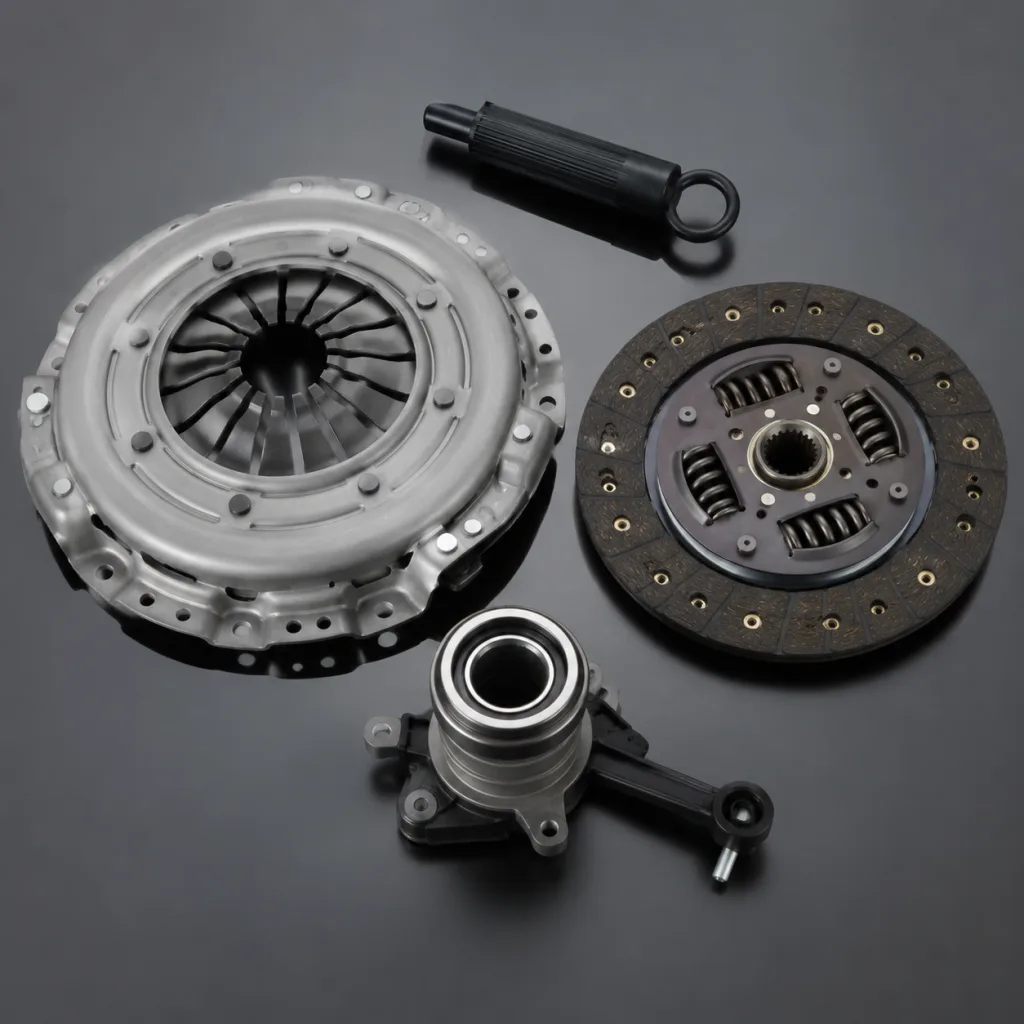
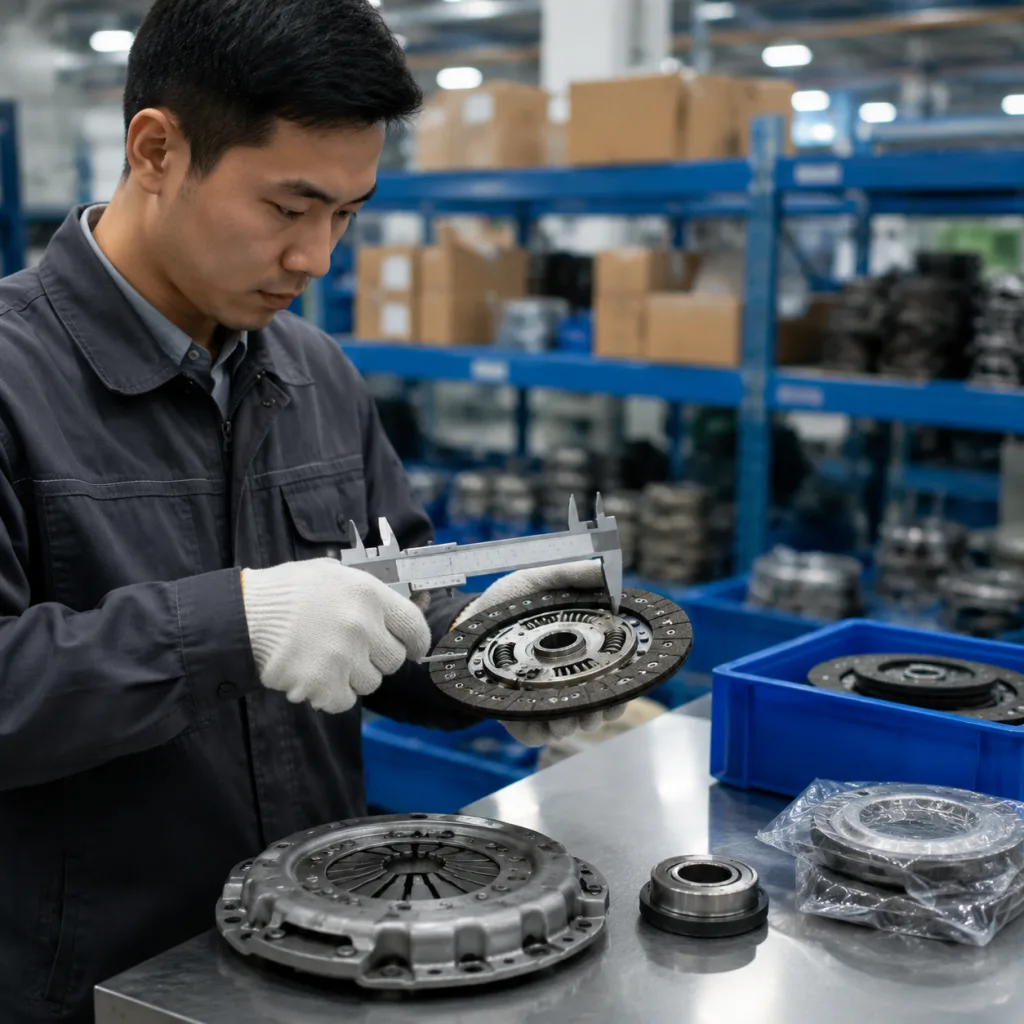
For Toyota programmes, dimensional match matters more than broad interchange claims. Ask for a sample report with measured values, not just a catalogue sheet. Buyers commonly ask for runout within 0.20 mm or better, disc friction facing thickness within ±0.15 mm, and a cover assembly height window controlled to the supplier’s internal drawing. If the part is for a repair chain or distributor programme, confirm whether the kit contains the full set: clutch disc, pressure plate, release bearing, and alignment tool, or only the disc and cover. Typical kit pack-outs are 3-piece kits for aftermarket replacement and 4-piece kits when the alignment tool is included.

Where suppliers usually fail

The weakest clutch kit programmes do not fail on price. They fail on control.

Common failure modes include:

  • Friction material batches with weak traceability
  • Disc runout that drifts outside the gauge limit
  • Clamp load variation that changes torque capacity from lot to lot
  • Release bearings with poor grease fill or early noise
  • Carton mistakes that mix kit contents or labels

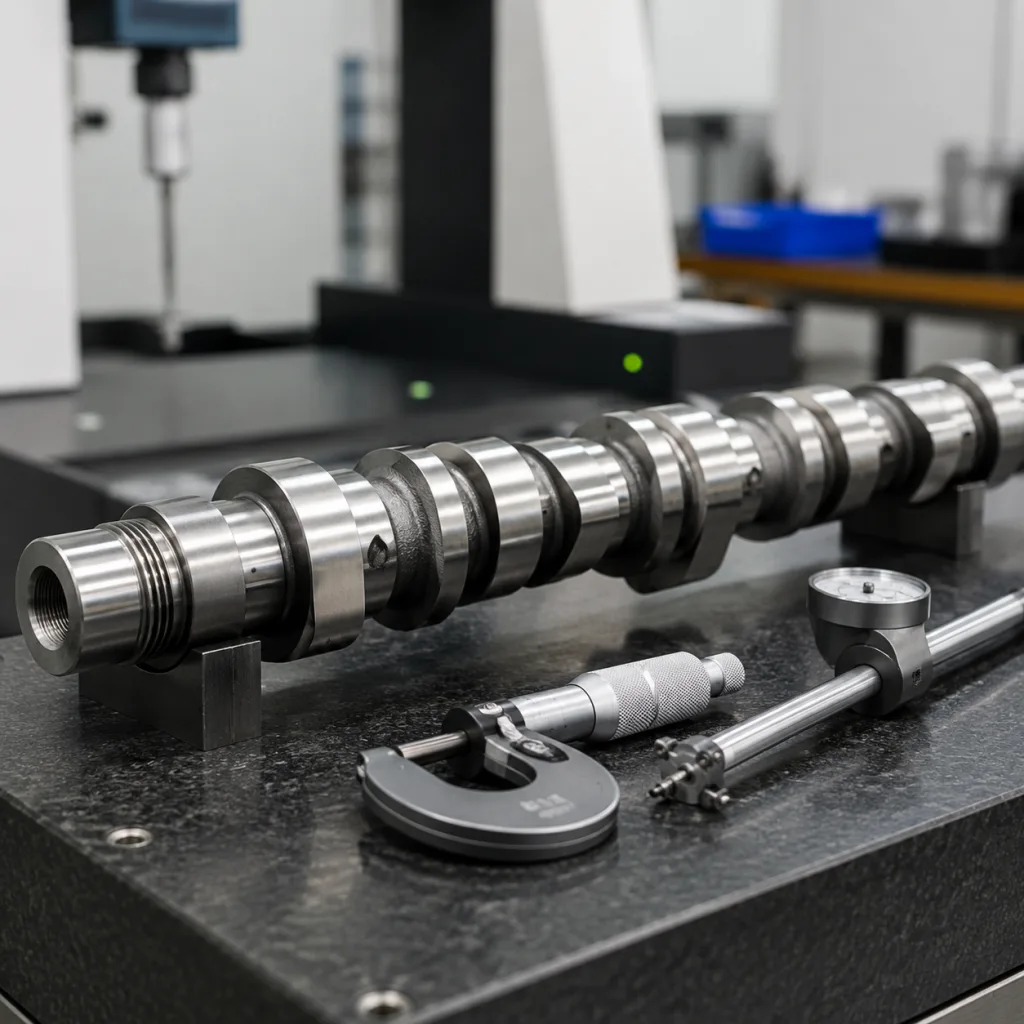
A reliable factory treats clutch kits as controlled assemblies, not box-build items. Friction and cover assemblies need measurable acceptance limits at each stage, with retained records. Under IATF 16949:2016 and ISO 9001:2015, Driventus uses controlled incoming inspection, in-process checks, and final verification. For EU-bound supply, material declarations should also support REACH (EC) No 1907/2006 where applicable. If the programme spans multiple regions, ask for lot traceability, retained samples, and a documented nonconformance process with containment timing. Also ask how the factory handles critical-to-fit dimensions, gauge calibration intervals, and in-process recheck frequency. Those controls usually separate a stable supplier from a low-price trader.

Controls that should appear in the spec sheet

A useful spec sheet reads like a control plan, not a marketing page.

</tr></thead><tbody> </tbody></table>This is where many buyers overpay for vague confidence. Ask for measured values, gauge names, and acceptance windows. If a factory cannot show those details cleanly, the risk usually moves downstream to receiving inspection and field claims.

Controls that should appear in the spec sheet

How to structure the buying process

Procurement teams usually compare MOQ, lead time, and packaging flexibility at the same time. A clutch kit source in China is more useful when it can support both replenishment and model-specific programmes.

Use this sequence:

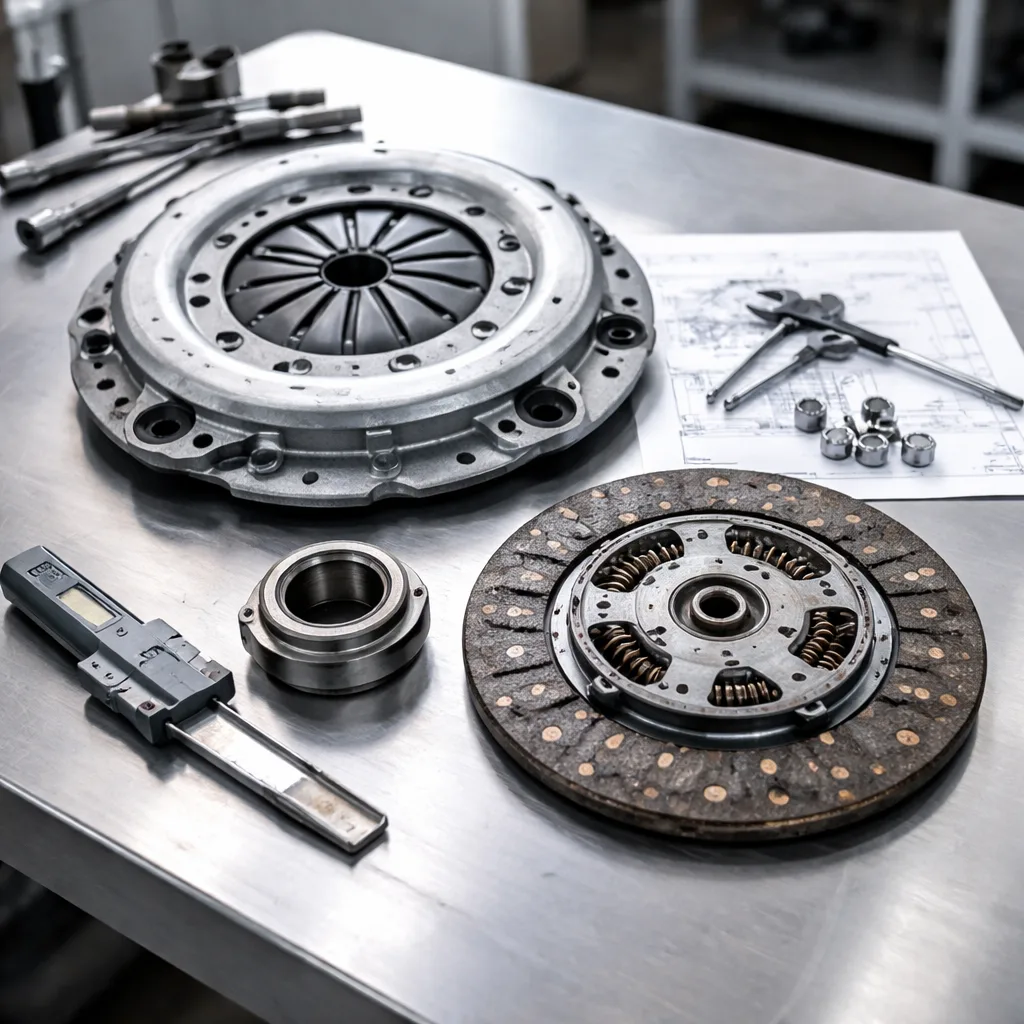
1. Confirm the application list and OE references. 2. Request a technical drawing or application sheet with full dimensions, tolerances, and revision level. 3. Ask for batch test data, a recent inspection record, and a photo of the actual gauge setup used. 4. Verify sample fitment on the intended transmission family. 5. Approve packaging, labels, and barcode format before volume release.

Typical commercial logic is straightforward: sample orders are often 1-5 sets per application for verification, pilot lots are commonly 50-200 sets, and normal production MOQ may range from 200-500 sets per part number depending on packaging and material availability. Standard lead time after sample approval is often 20-35 days for repeat items and 35-50 days when packaging or label customisation is added. If a programme needs new carton artwork, allow an additional 5-7 days for proof approval. For forecast-driven buyers, a stable monthly release schedule often reduces landed cost more than a small unit-price change. Driventus can support custom manufacturing for special packaging, kit configuration, and application-specific requirements through custom manufacturing.

What validation should block order release

Do not release volume orders on catalogue data alone. Validate fit, function, and durability before you commit.

Recommended checks:

  • Verify spline engagement and shaft fit on the intended transmission family, including spline count, major/minor diameter, and insertion depth
  • Measure pedal effort and engagement point during vehicle or dyno evaluation, and record any shift-quality change after heat soak
  • Run a launch and shift cycle test to confirm no slip under load, using at least 10-20 repeated starts where the vehicle programme allows it
  • Inspect for chatter, judder, or abnormal noise after heat soak, especially after stop-and-go operation or hill-start conditions
  • Confirm release bearing smoothness and seal condition after endurance cycling, then recheck grease leakage and rotation noise

A practical buyer checklist also includes static inspection after disassembly: facing wear pattern, rivet head condition, diaphragm finger uniformity, and whether the pressure plate contact surface shows hot spots. Where the application is demanding, a supplier should be able to discuss test references such as ECE R-83 for vehicle-related operating context and SAE J2527 for durability-style environmental exposure when relevant to validation planning. Not every clutch kit programme needs the same test matrix, but the supplier should show a consistent internal method, recorded results, and an explanation of how failures trigger corrective action. If the part family is closely tied to broader engine sourcing, review our catalog and the related engine components range for programme consolidation.

What validation should block order release

How to compare factories in China

A real shortlist is built on evidence, not on the longest promise sheet.

Compare suppliers on these points:

  • Whether they can provide a drawing with revision control and full dimensions
  • Whether batch records and inspection photos match the stated gauge setup
  • Whether export documentation fits your destination market
  • Whether packaging photos, label data, and carton protection are complete
  • Whether the factory can explain quarantine, root-cause analysis, and replacement timing for rejected lots

Factories that can support OEM-style discipline usually explain control plans, gauge management, and traceability without evasive language. That matters for import managers who need fewer surprises at receiving inspection. Driventus publishes its quality system for buyers who need a documented review path before sample approval. We also support quotation requests for target volumes, application matching, and private-label programmes through request a quote.

How the economics work for distributors

A clutch kit supply programme is rarely judged only by unit price. Distributors and repair chains also care about return rates, shelf life, and service consistency.

Good commercial fit usually includes:

  • Low variation across production lots
  • Clear carton identification and barcode data
  • Stable interchangeability across listed applications
  • Support for repeat orders without re-approval delays
  • Responsive engineering feedback when fitment questions arise

For many distributors, a 1%-2% price reduction is less valuable than a 2-3 week improvement in replenishment reliability, because a delayed stockout can cost more in lost service sales than the parts margin itself. Ask the supplier to state whether pricing changes with order tiers, such as 200 sets, 500 sets, and 1,000+ sets, and whether mixed-application consolidation qualifies for a lower freight-per-unit cost. For stock planning, confirm shelf-life guidance for packed rubber and grease components, usually with a target storage window of 24 months or more when cartons remain sealed and dry. For aftermarket channels, the best supplier is the one that can repeat the same specification next quarter, not only the one that can quote quickly today. Driventus is an independent aftermarket manufacturer; brand names are referenced for fitment only. If you need a sourcing partner for Toyota-related programmes, we can support sampling, technical review, and volume planning from our Taizhou production base.

Frequently asked questions

No. Driventus is an independent aftermarket manufacturer; brand names are referenced for fitment only. We supply clutch kits built to match listed applications and verified dimensions, not manufacturer-endorsed parts.

Buyers can request dimensional data, sample inspection records, material declarations where applicable, and quality-system information. For regulated markets, REACH-related documentation may also be relevant. Buyers may also request a sample PPAP-style pack with drawing revision, measured critical dimensions, and lot traceability details.

Yes. We support custom manufacturing for packaging, label format, and kit configuration when the application and order volume justify it. This is often used by distributors and regional importers. Typical private-label projects start with a pilot lot of 50-200 sets, then move to repeat production once artwork, carton drop testing, and barcode confirmation are approved.

If you are qualifying a clutch kit Toyota manufacturer China, send your application list and target volume for a technical review and quotation: /contact.html

Request a Quote
Control point What to confirm Typical buyer target Why it matters
Friction materialMaterial batch traceability, rivet integrity, bond strengthFull lot traceability, bond strength recorded by batchReduces slip and hot-spot risk
Disc runoutMeasured against a defined internal limit≤ 0.20 mm TIR at the specified gauge pointProtects pedal feel and engagement smoothness
Disc balanceStatic or dynamic balance checkResidual imbalance within the supplier’s approved limit, commonly ≤ 10 g·cm equivalentLowers vibration and shudder risk
Cover loadClamp-load test by batchClamp load recorded at test height, often held within ±8% of nominalSupports torque-capacity consistency
Release bearingNoise, grease fill, seal conditionSmooth rotation, no abnormal noise, grease fill verifiedLowers early-return rates
Final packCorrect kit contents and label verification100% pack verification before carton closePrevents mis-picks in distribution