Cylinder head Buick wholesale sourcing is not a part-number exercise. The sample can look right and still fail later through casting porosity, seat runout, poor cleaning, weak cartons, or missing batch records. Importers, category managers, engine rebuilders, and regional distributors need a supply programme that controls repeat batches, not just first articles. Driventus manufactures engine and powertrain components in Taizhou, Zhejiang, and exports to more than 60 countries. For Buick-fitment aftermarket ranges, our focus is practical: controlled MOQ, predictable lead-time planning, documented inspection, packaging built for export freight, and clear defect accountability. Driventus is an independent aftermarket manufacturer; brand names are referenced for fitment identification only.
Start With the Buying Scenario, Not the SKU List
A Buick-fitment cylinder head order can mean very different things depending on the buyer. A regional wholesaler may need mixed pallets across several GM-family applications. An engine rebuilder may want bare heads and its own assembly process. A repair-chain purchaser may prefer fewer references, but faster replacements and strict claim rules.
Before quoting, define the programme type:
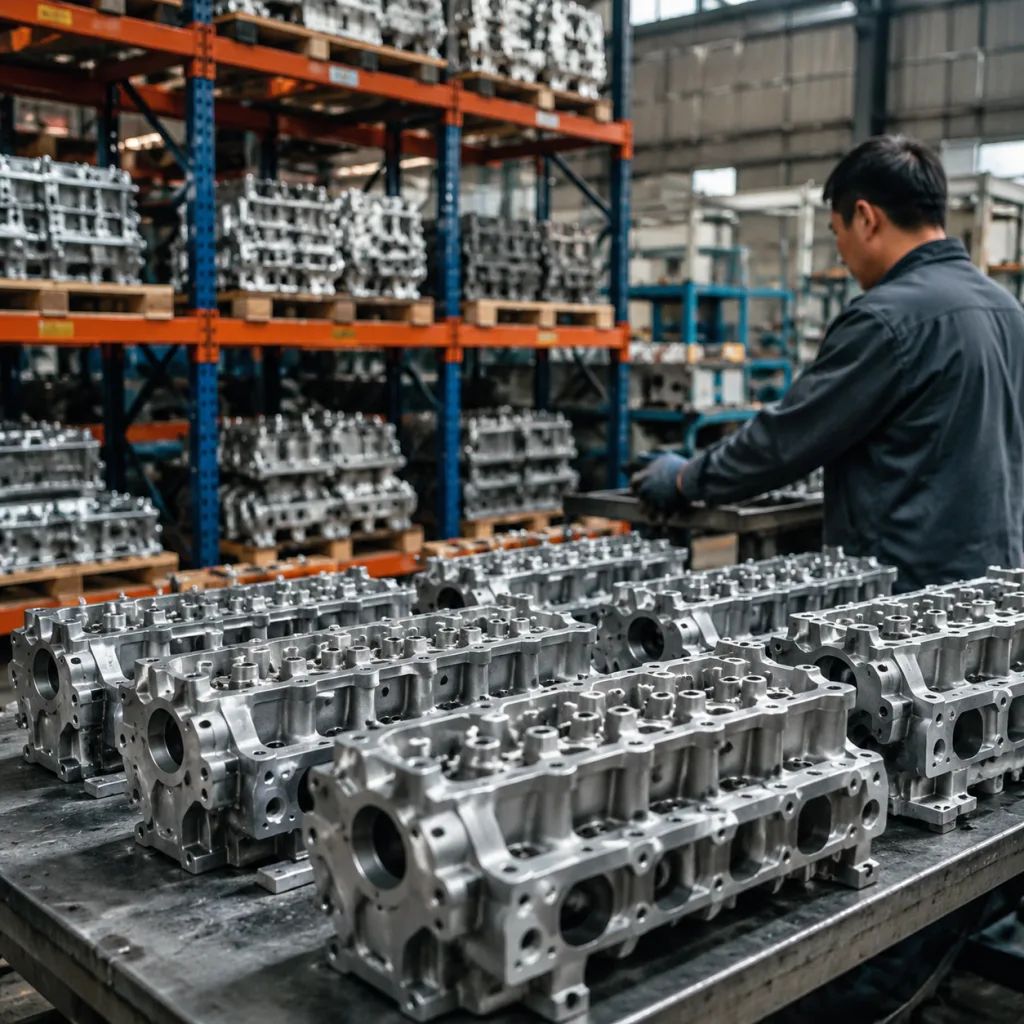
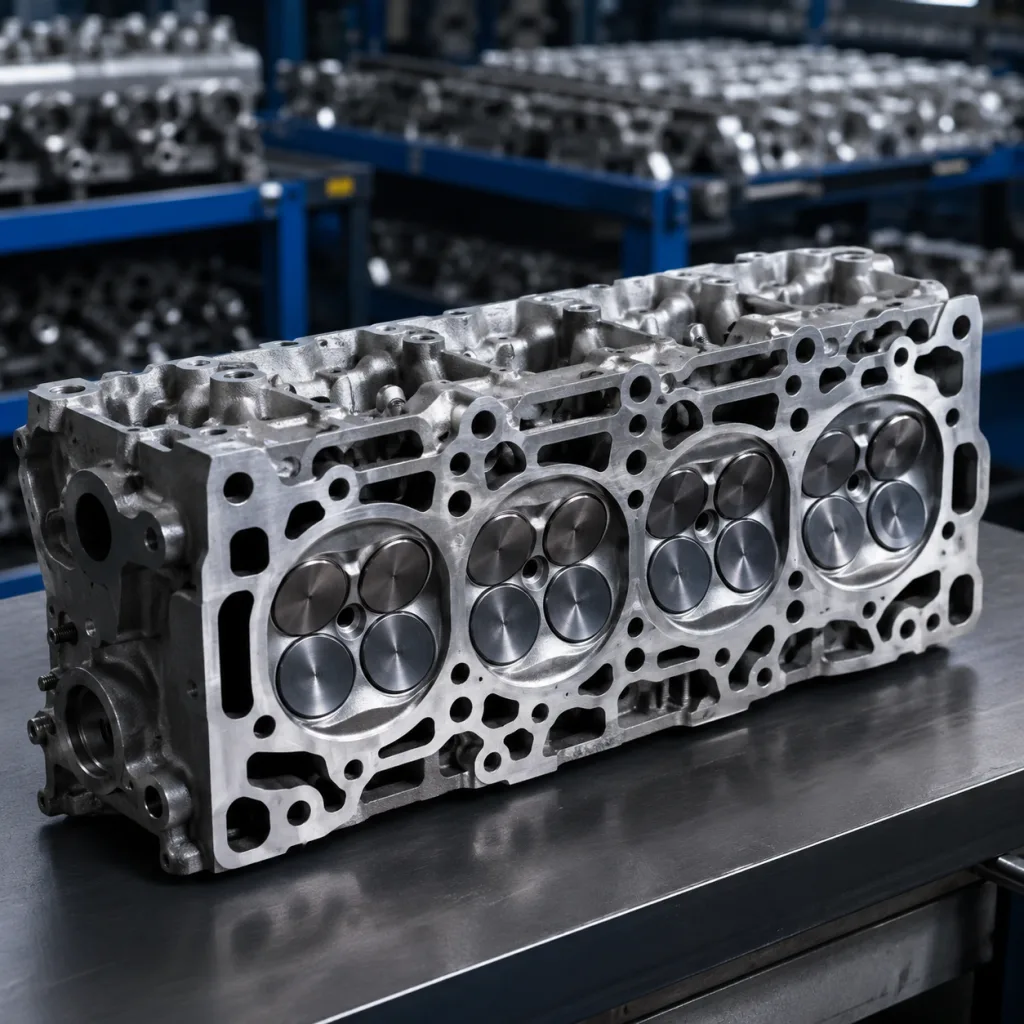
Bare cylinder head: CNC-machined casting supplied without valves, guides, springs, seals, camshaft hardware, or plugs. Inspection usually focuses on deck flatness, cam or rocker datum, threaded holes, oil galleries, and pressure-test status.
Assembled cylinder head: valves, guides, springs, seals, seats, plugs, and expansion plugs installed to an agreed bill of materials. Buyers should specify spring load, installed height, valve protrusion, and sealing method.
Semi-finished casting: heat-treated casting supplied for buyer-side machining. This works only when datum pads, stock allowance, hardness range, and casting-lot traceability are controlled by drawing.
Private-label supply: neutral or buyer-branded cartons, barcode labels, shaped foam, moisture protection, corner reinforcement, pallet pattern, and drop-test expectations agreed before production.
Custom application development: drawing review, reverse engineering, casting-pattern review, fixture design, trial machining, and validation for non-standard demand through custom manufacturing.
Classify references before negotiating MOQ. A-items should support monthly replenishment. B-items can run quarterly. C-items may belong in annual or shared-container builds. This keeps slow-moving heads from forcing uneconomic single-SKU production while preserving catalogue coverage.
Most failures in a cylinder head Buick wholesale programme are not visible in product photos. They appear after heat cycles, after installation, or after cartons have crossed an ocean. That is why buyers should audit the process path, not only approve a sample.
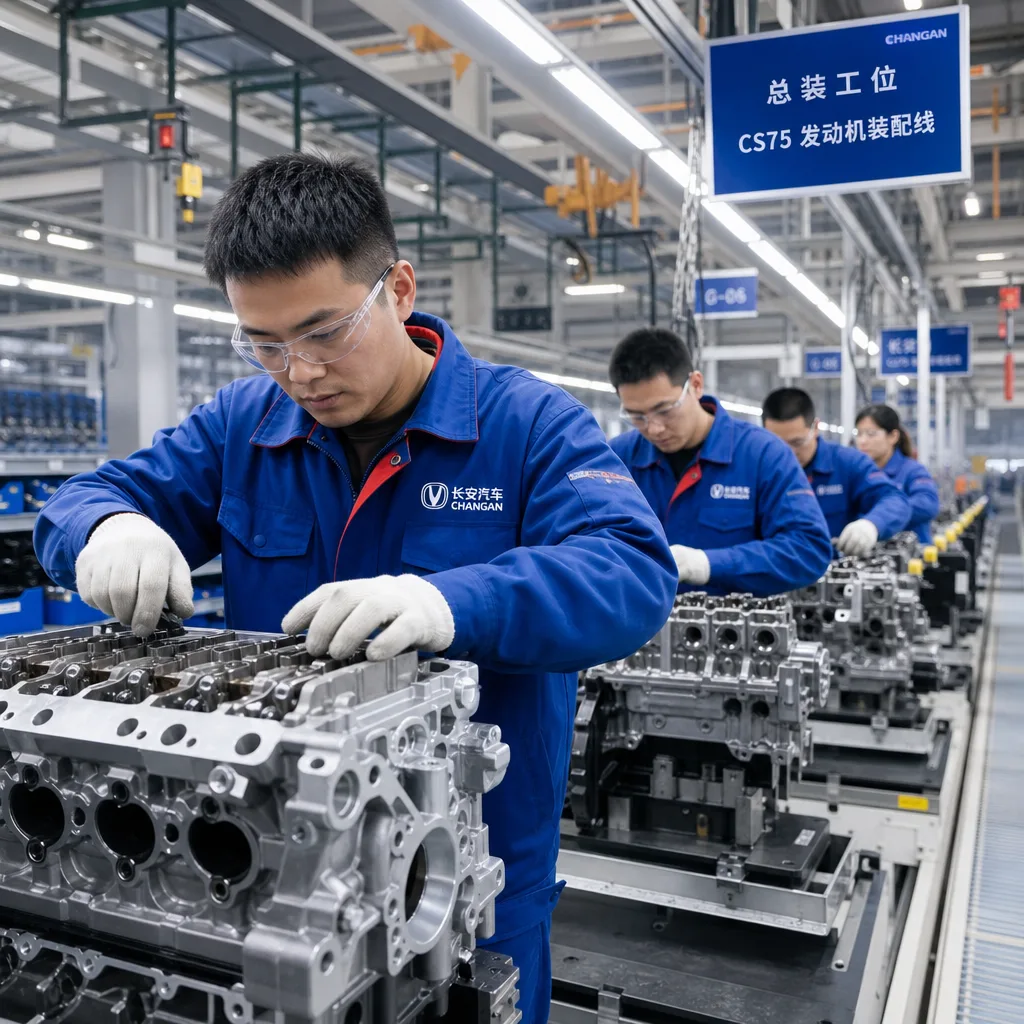
Driventus operates under IATF 16949:2016 and ISO 9001:2015 management systems. These systems support document control, traceability, corrective action, supplier management, and continual improvement. They do not replace product validation. Buyers can review our quality system when preparing supplier qualification files.
The main failure modes are predictable:
Failure mode
What to verify
Procurement impact
Casting porosity or leakage
Furnace lot, mould batch, pressure-test record, date code
Enables batch containment instead of programme-wide holds
Soft material or weak threads
Alloy chemistry, heat-treatment record, hardness range
Reduces cracking, thread pull-out, and seat movement
CNC datum drift
Fixture plan, tool-life limit, first-off and last-off records
Protects gasket face, cam bore, and manifold alignment
Oil-gallery flushing, coolant-passage air blow, borescope checks where needed
Prevents debris-related field failures
Freight damage
Five-layer carton, shaped foam, VCI bag where needed, pallet strap pattern
Lowers landed damage and replacement cost
</tr></thead><tbody> </tbody></table>A useful audit follows the part physically: incoming alloy, casting identification, heat treatment, shot blasting, rough machining, finish machining, washing, seat and guide installation, pressure testing, final inspection, corrosion protection, carton packing, and pallet loading. For high-risk features such as gasket face, cam bore alignment, valve-seat concentricity, and spark-plug threads, the inspection method should be written into the control plan.
For North American, EU, UK, Australian, and Brazilian import programmes, buyers may also request material declarations aligned with REACH (EC) No 1907/2006 where relevant. Exhaust-emission compliance, such as ECE R-83, is normally handled at vehicle-system level rather than as a stand-alone cylinder head approval. Treat any claim of vehicle manufacturer approval or emissions certification for an individual replacement head with caution.
MOQ and Lead Time: The Trade-Offs That Matter
MOQ is not only a sales number. It reflects casting patterns, machining fixtures, valve-train hardware, inspection workload, packaging design, and batch scheduling. The right order size balances landed cost, cash flow, catalogue coverage, and claim containment.
Typical planning ranges for distributor programmes:
Sample order: 1–5 pieces per reference for dimensional inspection, assembly review, pressure-test confirmation, and trial fitment.
Pilot batch: 20–50 pieces per reference, or a mixed-SKU pallet where tooling, casting stock, and packaging are already available.
Regular wholesale MOQ: commonly 50–200 pieces per reference. Bare heads usually trend lower; assembled heads and new castings trend higher because seats, valves, springs, guides, and plugs must be planned as a kit.
Price breaks: often appear at 50, 100, and 200+ pieces because CNC setup, inspection reporting, carton artwork, and pallet space are spread across more units.
Active-reference lead time: approximately 30–45 days after order confirmation, deposit, packaging approval, and final application-list freeze.
New-development lead time: approximately 60–120 days, depending on casting pattern, fixture, validation, first-article inspection, and packaging requirements.
Shipping format: carton-packed heads on export pallets, LCL consolidation for trial orders, or FCL container loading for scheduled replenishment.
These are planning ranges, not fixed commitments. Final MOQ depends on the bill of materials, bare versus assembled supply condition, casting availability, and inspection scope. A buyer requesting 100% dimensional reporting, private-label cartons, or special valve-spring hardware should allow more preparation time than a repeat bare-head order using existing packaging.
Compare landed cost, not only unit price. Include packing, inland freight, ocean or air freight, duty, inspection, warranty allowance, and inventory carrying cost. Very small orders protect cash but raise freight cost per unit. Full containers improve logistics efficiency but increase exposure if part-number mapping or demand forecasts are wrong.
The best approach is often mixed: pair slower Buick/GM-family references with faster movers so container utilisation stays healthy. When production batch, carton lot, and customer shipment are traceable, containment is faster and replacement stock can be allocated without freezing the entire programme.
Specification Deep Dive: What Must Be Written Down
A wholesale order should not rely on a vague phrase such as “Buick fitment.” The specification must identify the target OE configuration and the supply condition. Driventus does not claim approval or endorsement by any vehicle manufacturer. OE part-number cross-references, when used, are for identification and fitment mapping only; buyers should provide the relevant number family, engine code, drawings, or approved master sample where available.
A practical specification sheet should cover:
Engine family, displacement, fuel type, aspiration type, and model-year range.
Bare or assembled condition, including plugs, dowels, sensors, and cam hardware.
Combustion-chamber volume tolerance, often controlled within an agreed range such as ±0.5–1.0 cc when volume matching matters.
Deck-surface flatness and roughness; many aftermarket programmes specify flatness in the 0.03–0.05 mm range over the gasket face and Ra suitable for the intended gasket type.
Valve-seat material, seat-angle package, interference fit, and concentricity target; seat runout targets are often around 0.03–0.05 mm depending on valve size and engine design.
Valve-guide material, installed height, bore finish, and installed clearance range by valve-stem diameter and operating temperature.
Cam-bore alignment or rocker-support datum requirements, including datum reference surfaces and allowable misalignment.
Thread inspection for spark-plug, manifold, sensor, accessory, and lifting holes, with go/no-go gauges for critical threads.
Pressure-test method and acceptance criteria, including test pressure, holding time, temperature if hot testing is required, and zero-leak definition.
Packaging drop standard, corrosion protection, carton label format, pallet height limit, and maximum carton gross weight.
Receiving checks that catch real risk
At incoming inspection, focus on gasket-face flatness, chamber consistency, valve-seat runout, thread condition, oil-passage cleanliness, and pressure-test evidence. For assembled heads, also verify valve-spring installed height, valve sealing, plug installation, and hardware completeness.
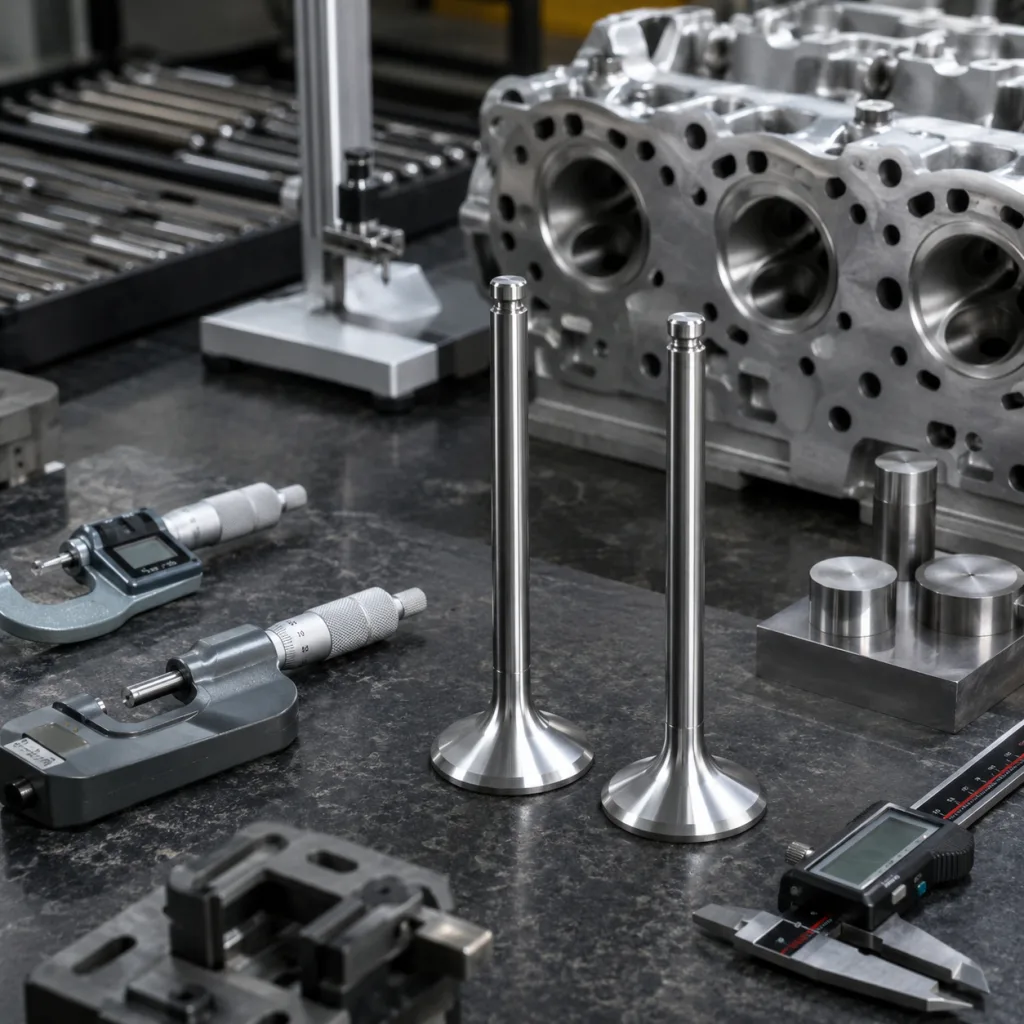
Link critical features to measuring equipment. Use CMM or dedicated gauges for datum and hole position, straightedge and feeler gauge or surface plate for flatness, profilometer for deck roughness, air gauge or bore gauge for guide clearance, vacuum or fluid test for valve sealing, and thread plug gauges for spark-plug and manifold holes. If the buyer supplies a master sample, the supplier should state which features are copied directly and which are controlled by engineering drawing.
Relevant management and material frameworks may include ISO 9001:2015, IATF 16949:2016, and REACH (EC) No 1907/2006. SAE J2527 is a brake dynamometer test procedure and is not applicable to cylinder head validation; it should not be cited as evidence for this product category.
Importer Documentation: Decide Before Production Starts
Paperwork should be agreed before production, not chased after the shipment leaves the factory. Missing records can delay port clearance, slow first-batch approval, or weaken a warranty decision when a distributor needs evidence.
</tr></thead><tbody> </tbody></table>For OEM or Tier-1 style projects, buyers may request APQP/PPAP-style evidence. Agree the submission level at quotation stage because it affects engineering time, inspection workload, and lead time. A practical PPAP-style file for an aftermarket cylinder head may include design record, process flow, PFMEA, control plan, material results, dimensional results, pressure-test results, packaging approval, and sample warrant.
Repair chains and multi-location distributors may need more than technical reports. Define carton barcode structure, country-of-origin marking, serial or batch label format, installation instruction inserts, and claim photos required before replacement approval. Labels should normally show buyer SKU, supplier part number, production lot, quantity, gross weight, carton number, and destination information so warehouse teams can trace a claim without opening every carton.
Driventus can align inspection reports and packaging labels with buyer templates when requirements are provided before order confirmation.
Supplier Qualification: A Seven-Gate Decision Process
A low unit price does not protect margin if machining variation causes gasket leaks, casting porosity drives repeat claims, or weak packaging increases landed cost. Supplier qualification should test the commercial offer, the technical evidence, and the production system.
Use seven gates before scaling a cylinder head Buick wholesale programme:
1. Share target applications, annual volume, supply condition, target price band, packaging standard, and required markets. 2. Confirm available references, tooling status, casting stock, MOQ, estimated lead time, and whether parts are bare or assembled. 3. Request sample inspection data, pressure-test evidence, material report, seat/guide specification, and packaging photos. 4. Perform buyer-side dimensional inspection, pressure or vacuum verification, and trial assembly where practical. 5. Review IATF 16949:2016 and ISO 9001:2015 certificates, audit scope, certificate expiry, and corrective-action history. 6. Place a pilot batch with agreed acceptance criteria, AQL level, labelling rules, and claims procedure. 7. Move to scheduled wholesale supply only after pilot results, installation feedback, and packaging performance are closed.
Define warrantable defects before the first commercial shipment. Manufacturing defects may include porosity, wrong machining, missing plugs, valve leakage, thread nonconformity, or incorrect assembly hardware. Installation-related issues may include overheating, incorrect torque sequence, reused damaged bolts, contaminated cooling systems, or wrong gasket selection. Mixing the two creates slow claims and poor data.
Set decision points after sample approval, pilot batch approval, first commercial shipment, three-month claim review, and annual supplier review. Track defect rate, on-time delivery, carton damage rate, claim response time, credit or replacement timing, and open corrective actions. Those numbers give purchasing teams a factual basis for expanding from a trial SKU to a broader Buick-fitment cylinder head range.
Driventus is an independent aftermarket manufacturer; brand names are referenced for fitment only. To discuss drawings, reference lists, MOQ, and shipping options, buyers can request a quote.
Frequently asked questions
MOQ depends on the reference, casting availability, and whether the head is bare or assembled. Sample orders may start at 1–5 pieces, pilot batches are often 20–50 pieces, and regular wholesale batches are commonly planned at 50–200 pieces per reference.
Yes. Driventus can support neutral or buyer-branded cartons, barcode labels, pallet plans, foam protection, carton gross-weight rules, and export packing requirements when artwork and labelling rules are confirmed before production.
No. Driventus is an independent aftermarket manufacturer; brand names are referenced for fitment only. Cross-references are used to identify application compatibility and do not imply endorsement.
If you are building a cylinder head Buick wholesale programme, send your application list, target annual volume, bare or assembled requirement, inspection scope, target price band, and packaging rules. Our team can review fitment, MOQ, lead-time and shipping options at /contact.html