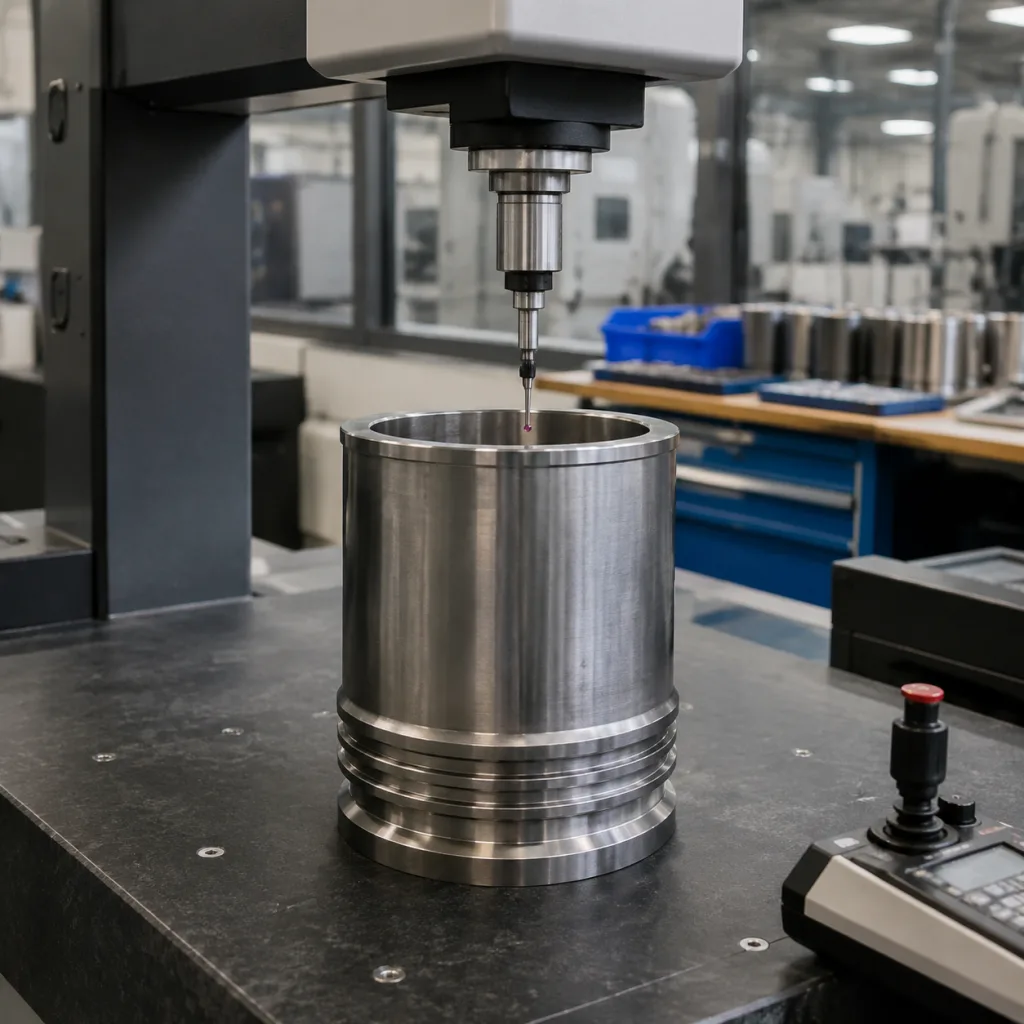
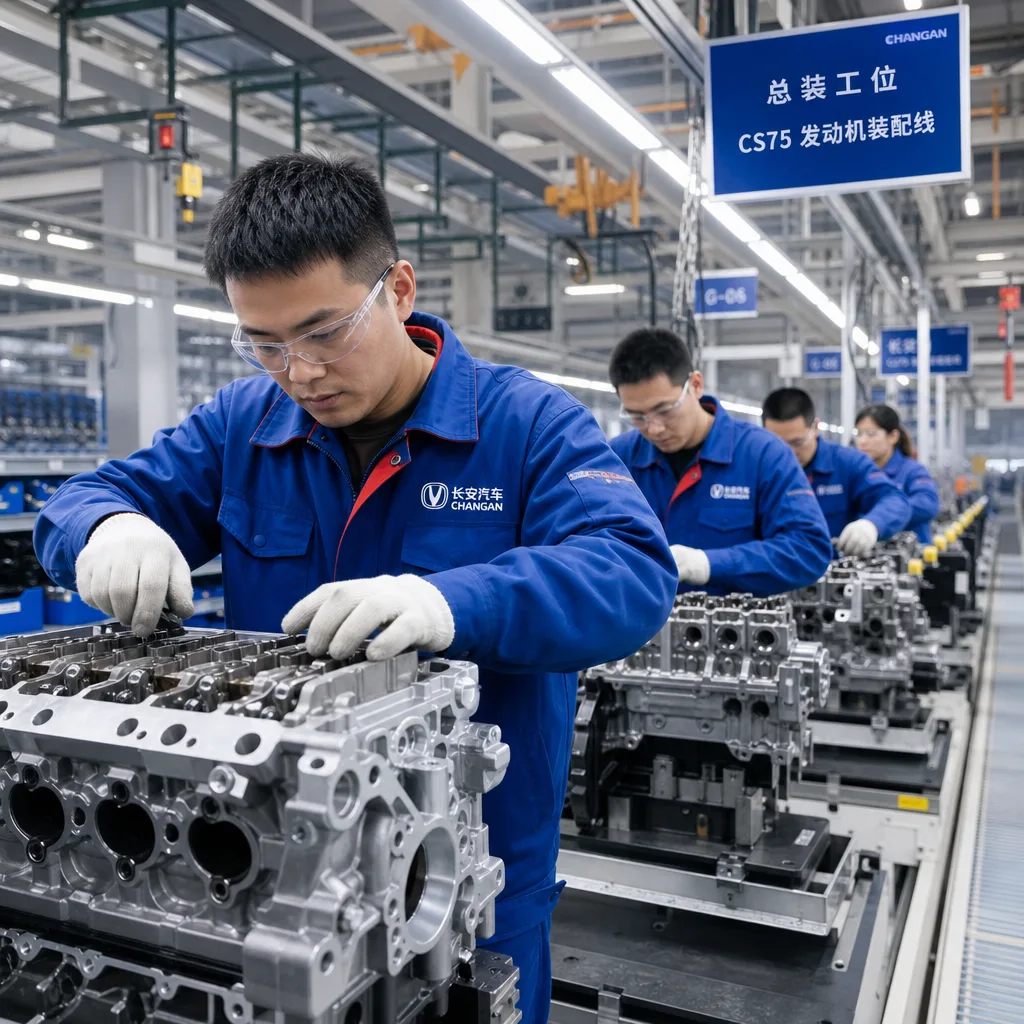
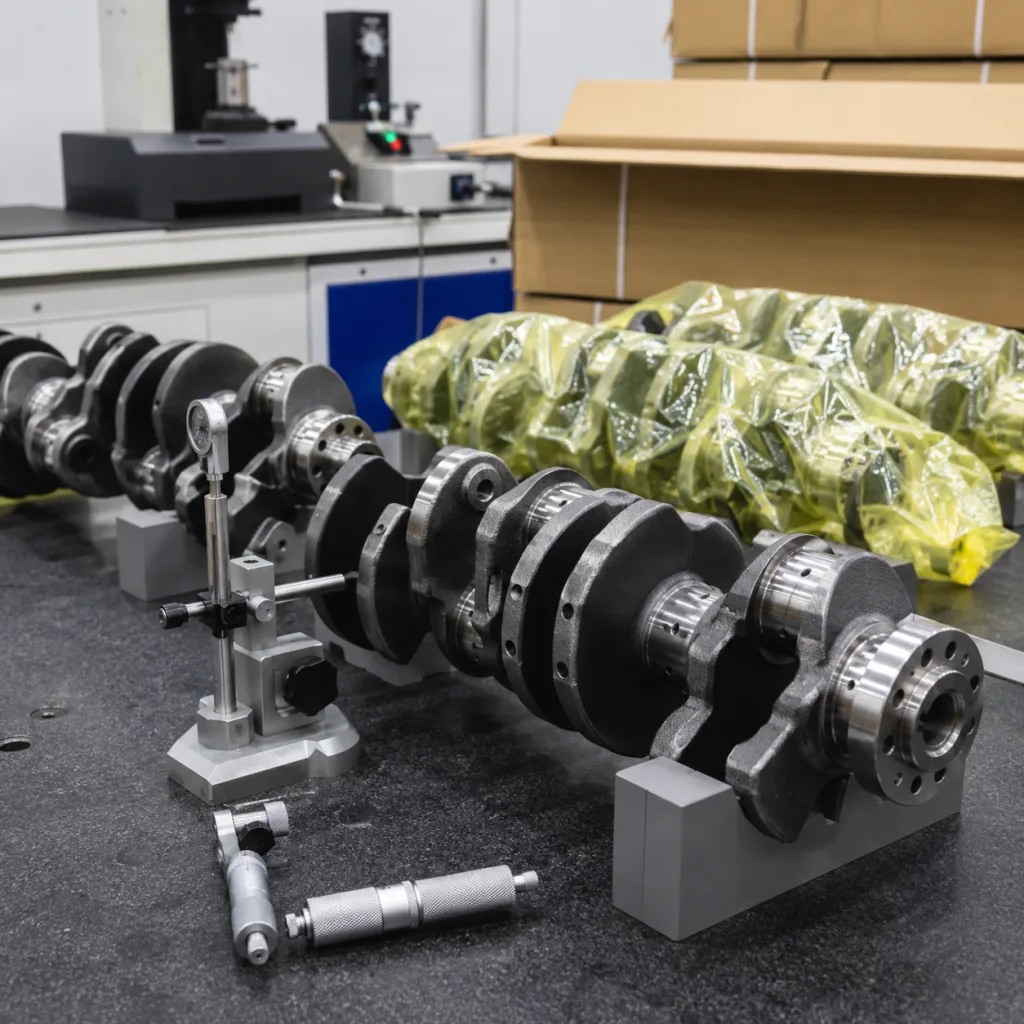
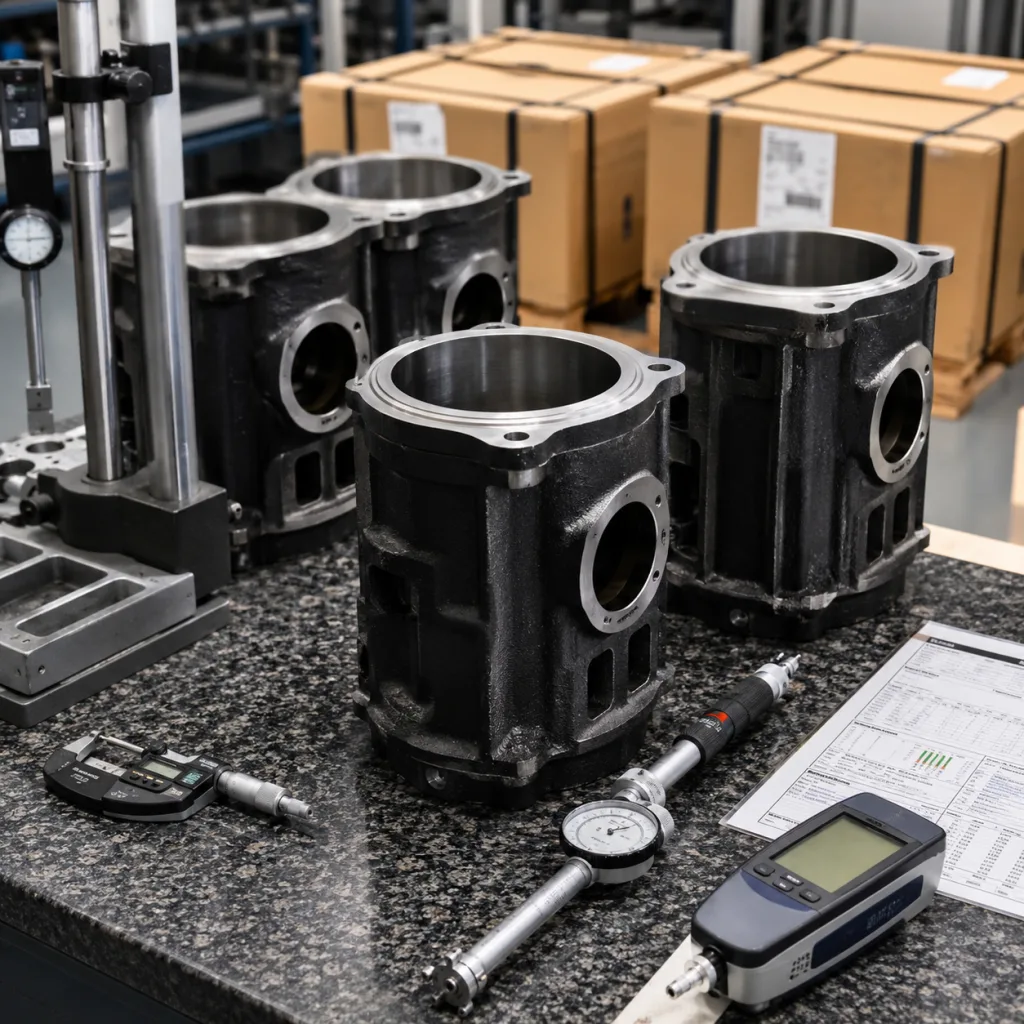
Buying a cylinder liner for Volkswagen applications is not a catalogue exercise. It is a fitment, tolerance, and process-control decision. A buyer may start with a 06A-family reference, but approval should end with measured dimensions, metallurgy evidence, and a supplier that can explain exactly how the liner is made, inspected, protected, and shipped. Driventus is an independent aftermarket manufacturer; Volkswagen and related OE references are used only to identify fitment, not to imply brand affiliation. The practical test for any cylinder liner Volkswagen OEM supplier is simple: can the factory hold the bore, outside diameter, flange, wall, and surface-finish requirements repeatedly, then prove it with traceable inspection records. For importers, engine rebuilders, distributors, and Tier supply teams in the EU, UK, US, Canada, Australia, and Brazil, the strongest sourcing decision is usually the one that removes ambiguity before price negotiation starts. To review adjacent engine parts, start with [our catalog](/products.html) and [engine components](/products/engine-components.html).
Decision Framework: What Must Be Controlled Before Price Matters
Start by separating fitment risk from commercial risk. A low-cost liner is irrelevant if the press fit is unstable, the bore finish is wrong, or the flange height changes deck sealing. For Volkswagen fitment programs, the supplier must show control over material, geometry, machining sequence, surface preparation, inspection, packing, and traceability.
Controls that decide approval
Material grade, chemistry report, and heat-lot traceability for each liner batch or casting lot
Finished bore diameter tolerance, often held within ±0.010-0.020 mm when supplied ready to install
Roundness, cylindricity, and taper, commonly limited to 0.005-0.015 mm depending on the drawing and finish state
Outside diameter, flange thickness, total height, skirt profile, chamfer angle, radius detail, and burr condition
Surface hardness, often around 180-260 HB for alloy cast iron, plus graphite and microstructure evidence when specified
Traceability through casting or tube stock, rough turning, stress relief, finish machining, honing, cleaning, oiling, and packing
Inspection reports that identify gauges, calibration status, sample size, and acceptance rules such as first-off, patrol inspection, and final AQL sampling
Use OE 06A107065 or any other Volkswagen-related reference only when the buyer's own reference sheet supports the match. A broad fitment claim is not a qualification record. Ask the supplier to confirm whether the liner is rough, semi-finished with machining allowance, or finish-honed and ready to install. That single answer changes the price, inspection plan, and installation responsibility.
Failure Modes: Where Similar Liners Become Expensive Mistakes
Two liners can share the same nominal bore and still fail in different ways. The usual cause is not a dramatic drawing error. It is a small mismatch in flange height, skirt length, outside diameter, chamfer detail, wall thickness, or deck protrusion. Less than 0.5 mm can be enough to create sealing trouble, installation damage, or early wear.
Parameter
Buyer target to define
What goes wrong if vague
Bore diameter
Nominal size, repair oversize, and final tolerance such as ±0.010 mm
Piston-to-wall clearance falls outside the rebuild target
Outside diameter
Press-fit OD and interference range, often 0.030-0.080 mm for dry liners depending on block design
The liner moves, distorts, or cracks during installation
Flange height
Height, parallelism, and deck protrusion allowance checked in 0.01 mm increments
Head gasket load becomes uneven and compression leakage follows
Wall thickness
Minimum wall after finish machining, with thin-wall zones identified
Thermal cycling or press fit exposes crack risk
Surface finish
Ra/Rz/Rpk/Rk/Rvk after honing, for example Ra 0.20-0.45 µm where specified
Rings fail to seat, oil consumption rises, or scuffing begins
Chamfer and radius detail
Entry chamfer, flange radius, and burr-free edge condition
Assembly interference or edge cracking appears late in the process
</tr></thead><tbody> </tbody></table>Always ask for the machining allowance if the liner is semi-finished. This avoids a common purchasing trap: a quote for a cheaper rough liner is compared against a requirement for a finish-honed liner. The missing operation can add gauge time, scrap exposure, and 5-10 working days to the first production batch. If the liner belongs to a wider service kit, compare related SKUs in our catalog and request dimensions for the full engine family, not one isolated part number. For non-standard blocks, repair oversizes, coatings, or material changes, route the program through custom manufacturing.
Spec Deep-Dive: Material, Heat Treatment, and Shipping Protection
Most automotive cylinder liners use high-strength cast iron or alloyed iron with controlled graphite structure. Generic ranges may include carbon around 3.0-3.6%, silicon around 1.8-2.6%, manganese around 0.5-1.0%, and controlled phosphorus and sulfur. Treat those as starting points only. The approved drawing, sample standard, or buyer specification should override any general chemistry window.
The material target is practical: stable wear resistance against the ring pack, predictable thermal expansion, and enough strength for press fit, combustion load, and long service intervals. That means procurement should review the casting route, stress-relief practice, machining sequence, heat-treatment window, corrosion protection, and final cleaning method before shipment.
References to check when relevant
IATF 16949:2016 for automotive quality-management discipline
ISO 9001:2015 for documented process control and corrective action
EN 1561 or ASTM A48-type grey iron references when equivalent material comparison is permitted
REACH (EC) No 1907/2006 for EU-destination chemical compliance
SAE J2527 as a corrosion and environmental durability reference where applicable
ECE R-83 only when engine-family documentation requires emissions-related fitment review
Packaging is part of the specification, not an afterthought. Confirm whether the liner ships with preservative oil, VCI paper, plastic sleeves, desiccant, sealed bags, export cartons, or pallet moisture protection. For long sea freight, buyers often request 6-12 months of rust-prevention performance under normal warehouse storage. Poor protection turns good machining into incoming-inspection scrap.
Step-by-Step RFQ: How to Qualify the Part Before Award
Run the RFQ like a technical gate, then negotiate price. This prevents similar-looking liners from entering the same bid when they actually require different engine references, finishing routes, or inspection levels.
RFQ sequence 1. Confirm engine code, displacement, fuel type, and model year range. 2. Identify dry-liner or wet-liner construction, including O-ring grooves or other sealing features. 3. Attach the buyer-approved OE reference, sample, 2D drawing, or 3D model with revision level. 4. Define bore tolerance, taper, roundness, cylindricity, and surface finish after final machining. 5. State material grade, hardness range, tensile-strength target, graphite structure, and pearlite requirement if used. 6. Specify sea-freight, air-freight, or warehouse-replenishment packing, including carton weight limits. 7. Share annual volume, first order quantity, monthly call-off plan, and forecast stability.
Separate sample, pilot, and mass-production pricing. A realistic path may include 5-20 inspection samples, a 100-300 piece pilot lot when tooling is new or dimensions are revised, and mass-production breaks at 500, 1,000, and 3,000 pieces per part number. Distributor programs should also confirm carton count, pallet pattern, barcode or label format, and whether mixed-SKU cartons are allowed. OEM and Tier-1 accounts should request PPAP-style documentation, process flow, control plan, measurement-system evidence such as gauge R&R, and change-control procedure, even if the end customer does not require a full submission. For a formal quotation path, use request a quote.
Scenario Comparison: 500-Piece Validation vs 3,000-Piece Rollout
MOQ only makes sense when it is tied to risk. A buyer validating a Volkswagen engine-family program may be better served by a higher unit cost at 500 pieces than by a cheaper 3,000-piece order that locks in unproven dimensions. Once the program is stable, the larger order can reduce setup cost, inspection cost per unit, and packaging changeover time.
Commercial points to compare
MOQ by part number, mixed engine family, or annual blanket order; typical starting points are 300-500 pieces for stocked designs and 1,000-3,000 pieces for new casting or dedicated machining setup
Sample lead time, usually 15-30 days from approved drawing if stock material exists, or 35-60 days with new tooling, casting, or fixtures
Pre-production lead time after sample approval, often 30-45 days for pilot lots with full dimensional reporting
Mass-production lead time, commonly 45-75 days depending on casting queue, honing capacity, inspection level, and packing specification
Fixture and gauge status, including whether plug gauges, air gauges, and setting masters are dedicated, shared, or newly required
Packaging standard for corrosion protection and transit damage prevention, including carton quantity, pallet height, and gross weight
Incoterms, export documents, HS code confirmation, certificate of origin, and destination-market compliance needs
Audit availability and document response time, typically 3-5 working days for standard files and 10-15 working days for deeper process evidence
For a validation order, prioritize measurement clarity, fast corrective action, and stable labeling. For a rollout order, prioritize repeatability, batch traceability, export packing, and multi-location replenishment. Buyers should also confirm bilingual documents, lot-numbered cartons, and a documented quality system. That evidence matters more than a broad claim of factory capability.
Frequently asked questions
Match engine code, bore, outside diameter, flange height, liner type, machining status, and any repair oversize first. Then compare the buyer's drawing or reference sheet against the supplier's inspection data, including tolerance and surface-finish values. Do not rely on vehicle model alone, because the same platform may use different engine variants.
Ask for material traceability, dimensional inspection results, hardness or microstructure evidence where required, packing list, export documents, and quality certificates. For automotive accounts, IATF 16949:2016 and ISO 9001:2015 evidence are relevant, along with REACH status when the destination market is in the EU.
Yes, when the drawing, material, oversize, coating, or machining requirement falls outside the standard catalogue. Share the engine data, target quantity, sample quantity, annual forecast, and inspection requirement, then review the proposed manufacturing route through our custom manufacturing team.
If you are qualifying a new source or rebuilding a cross-reference list, send the part data, drawings, target volume, MOQ expectation, and required lead time through /contact.html.