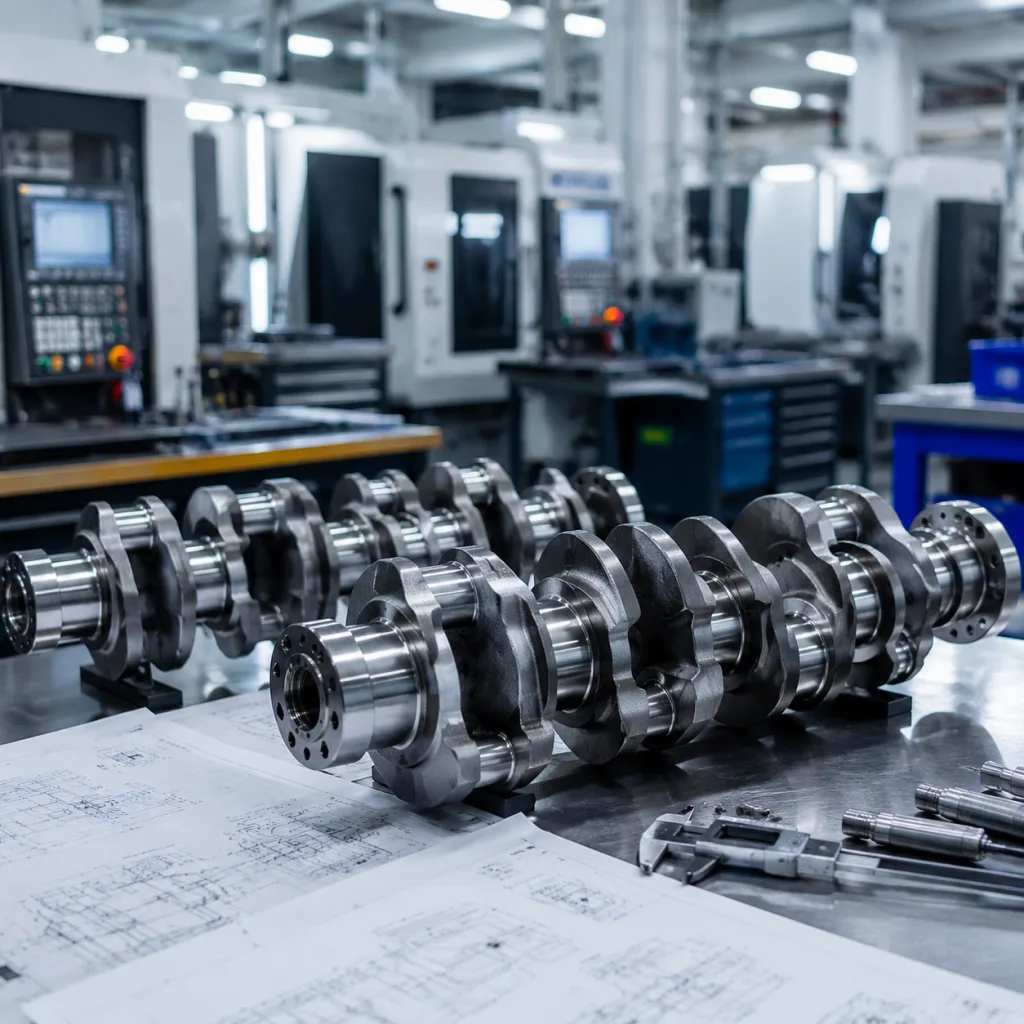
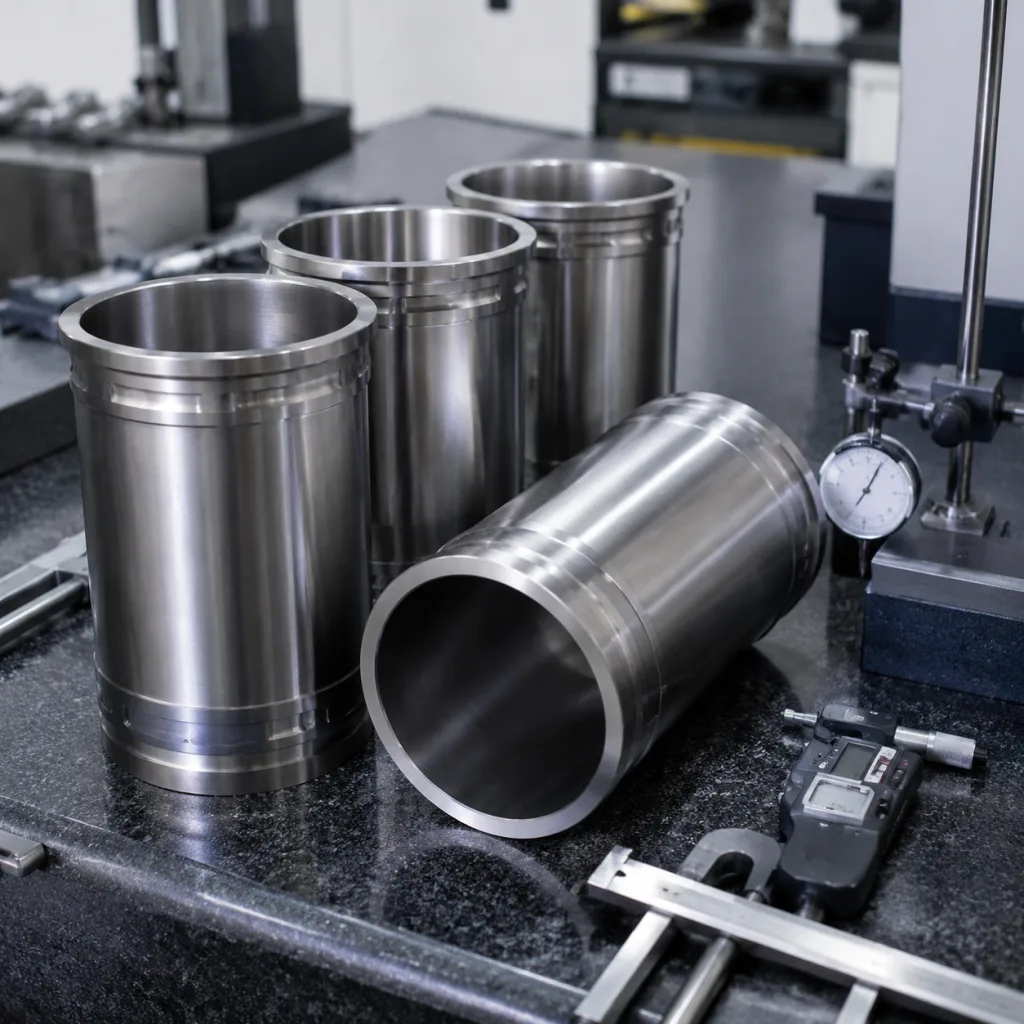
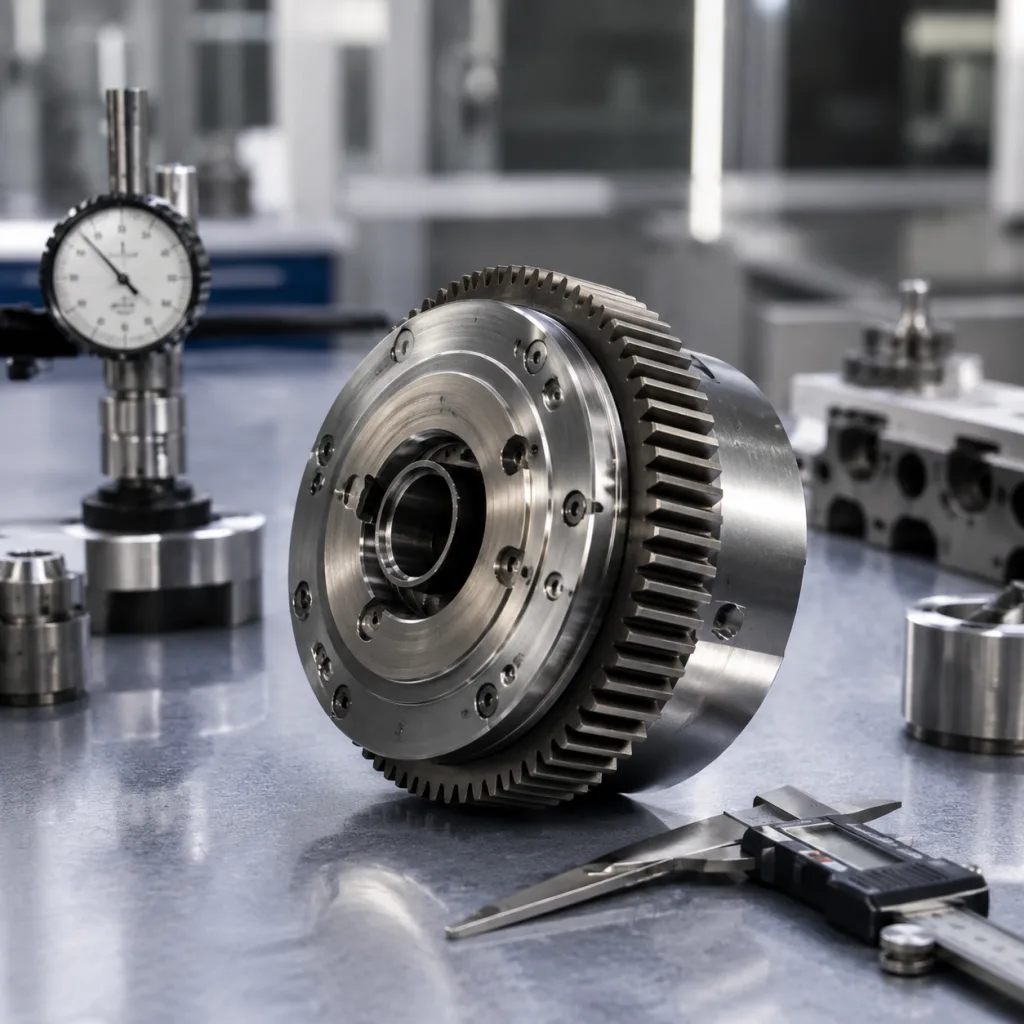
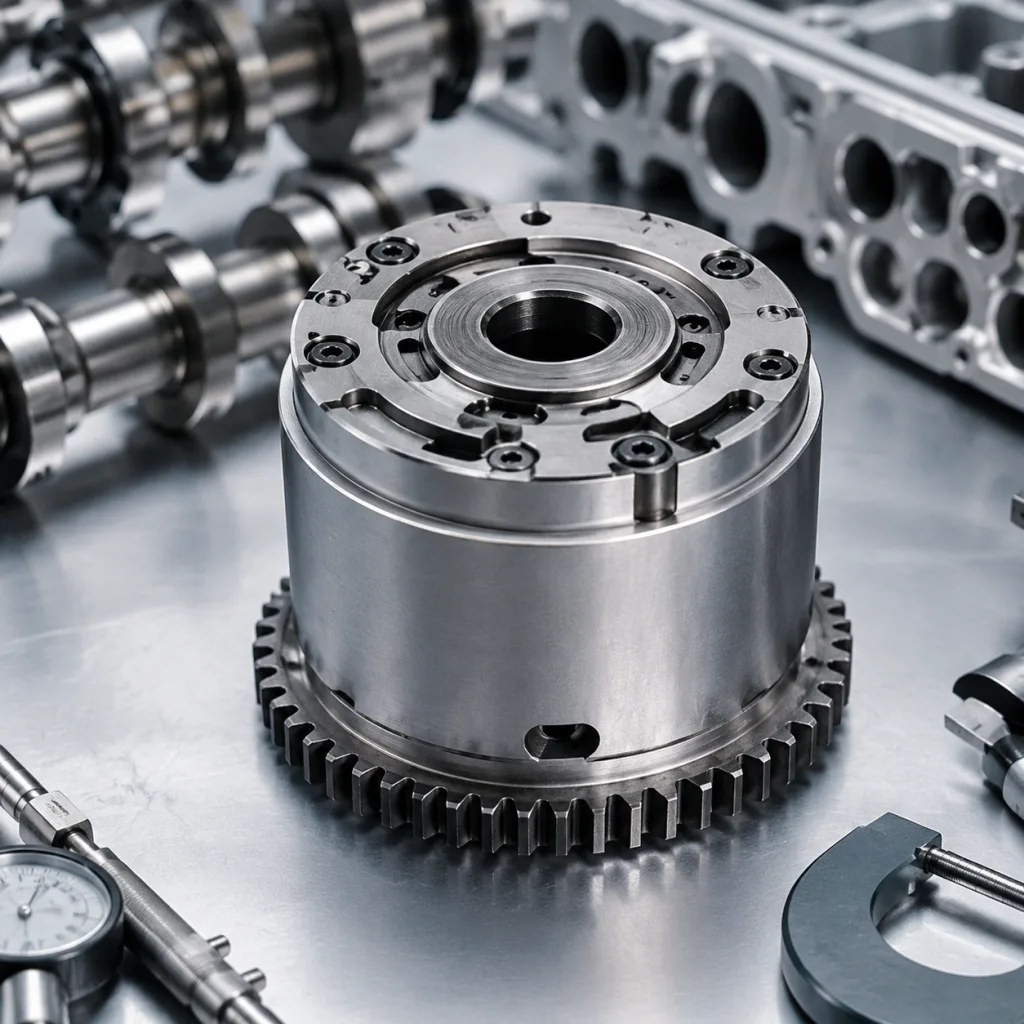
For procurement teams evaluating a crankshaft Volvo OEM supplier, the real questions are fitment risk, repeatability, and proof of process control. Driventus supplies crankshafts for passenger car, light commercial, and selected heavy-duty applications from Taizhou, Zhejiang, with OE-level dimensional requirements and inspection focused on journal geometry, fillet radius, hardness, runout, and dynamic balance. Buyers usually compare MOQ, sampling lead time, packaging, and the quality of the document pack before they approve a new source. Driventus is an independent aftermarket manufacturer; brand names are referenced for fitment only. If you need a sourcing partner that can support long-term supply, private label programs, or OEM-style validation, the sections below show what to verify before you issue an RFQ.
Start with fitment risk, not price
For crankshaft procurement, the first filter should be application control. Before comparing quotes, confirm engine code, OE 06A107065-style cross-reference where applicable, journal count, stroke, main bearing diameter, rod journal diameter, thrust face position, and whether the shaft is forged or cast.
A qualified supplier should also provide:
Material specification and heat-treatment route
Nominal and measured runout values
Surface hardness range and case depth, if applicable
Balance correction method and residual unbalance limits
Packaging method that protects journals in transit
Traceability by heat number or batch number
If the programme carries recurring volume, ask for sample approval records, PPAP-style documentation, and the control plan used during mass production. That is where most sourcing risk becomes visible.
Where quality systems actually reduce risk
A crankshaft is a high-load rotating component, so procurement teams need process evidence, not generic assurances. Driventus operates under IATF 16949:2016 and ISO 9001:2015, which support controlled change management, corrective action, and supplier traceability.
Use the certifications as a screening tool, then check the numbers behind them:
Item
What to confirm
Why it matters
Dimensional control
Journal diameter, ovality, taper, runout
Helps prevent bearing distress and NVH issues
Material control
Forged steel, nodular iron, or specified alloy
Supports fatigue resistance
Surface treatment
Nitriding, induction hardening, or equivalent
Extends wear life
Inspection records
100% or sampling plan by feature
Reduces incoming rejection risk
Documentation
COA, packing list, traceability data
Speeds customs and QA release
</tr></thead><tbody> </tbody></table>For a broader view of our manufacturing scope, see our catalog and the related engine components.
Lead time decisions: prototype, sample, or production
Lead time only helps if it is separated by phase. Prototype timing, sample timing, and bulk production timing are not the same thing, and procurement teams should not let them blur together. In a controlled programme, first-article support may be faster than the first shipment of production parts.
Close these questions before award:
What is the MOQ per reference or per casting/forging family?
Is the part made to stock, or made to order?
What is the standard production lead time after sample approval?
Can cartons, labels, and pallet patterns be customised?
Can the supplier hold safety stock for scheduled releases?
For buyers consolidating regional demand, stable batch release and consistent packing are often more valuable than a small unit-price difference. If your programme needs forecasting support or mixed-reference shipments, ask about schedule-based replenishment during the RFQ stage.
What can go wrong at release
A replacement crankshaft should not be released on paperwork alone. Verification has to match both the engine family and the end use, because the failure modes are often downstream: vibration, oil-pressure loss, bearing damage, or early wear.
Core inspection points
Main journals and rod journals measured with calibrated micrometers
Thrust face width and location checked against drawing data
Keyway, flange, and sensor trigger features verified where used
Straightness and concentricity recorded after finishing
Dynamic balance checked to the agreed programme limit
For European and UK applications, the crankshaft itself does not affect emissions systems, but fitment errors still create expensive secondary issues. Where relevant, buyers may also ask whether materials and surface finishes align with REACH (EC) No 1907/2006 requirements for the supplied article.
How Driventus runs OEM-style programmes
Procurement teams usually want a supplier that can move from one-off replacement orders to a stable programme without reworking the process each time. Driventus supports that transition through engineering review, drawing confirmation, and controlled production.
Our quality system covers incoming material checks, in-process inspection, and final release criteria. For customer-specific needs, custom manufacturing is available for packaging, specification alignment, and reference consolidation.
We commonly support buyers who need:
Private-label supply for regional distribution
Reference matching for mixed fleet inventories
Documented dimensional checks for import approval
Batch traceability for warranty control
Repeat shipments with consistent carton and label formats
Driventus is an independent aftermarket manufacturer; brand names are referenced for fitment only.
How to compare suppliers without getting misled
The lowest quote is rarely the lowest total cost if rejection rates, delayed releases, or weak traceability follow. A reliable crankshaft source should show stable metallurgy, controlled machining, and documented inspection, and it should prove those claims with measured data.
Before award, compare suppliers on:
Material and heat-treatment consistency
Measured tolerances, not only nominal drawing data
Audit readiness and document response speed
MOQ flexibility for mixed references
Packaging quality for export freight
If your team is building a long-term supply list for engine hard parts, a supplier with structured QA and clear engineering communication will reduce friction across purchasing, receiving, and warranty teams.
Frequently asked questions
Yes. We work from OE cross-reference data where provided, including formats such as OE 06A107065. Final fitment should still be confirmed against engine code, journal dimensions, and application notes.
Our production system operates under IATF 16949:2016 and ISO 9001:2015. These support controlled production, traceability, corrective action, and documented inspection.
Yes. We can support private-label packs, carton marking, and other programme-specific requirements through our OEM service flow. Please send your target volume and specification details.
If you are sourcing a crankshaft programme and need technical confirmation, lead-time planning, or sample coordination, send your drawings and target volumes through /contact.html.