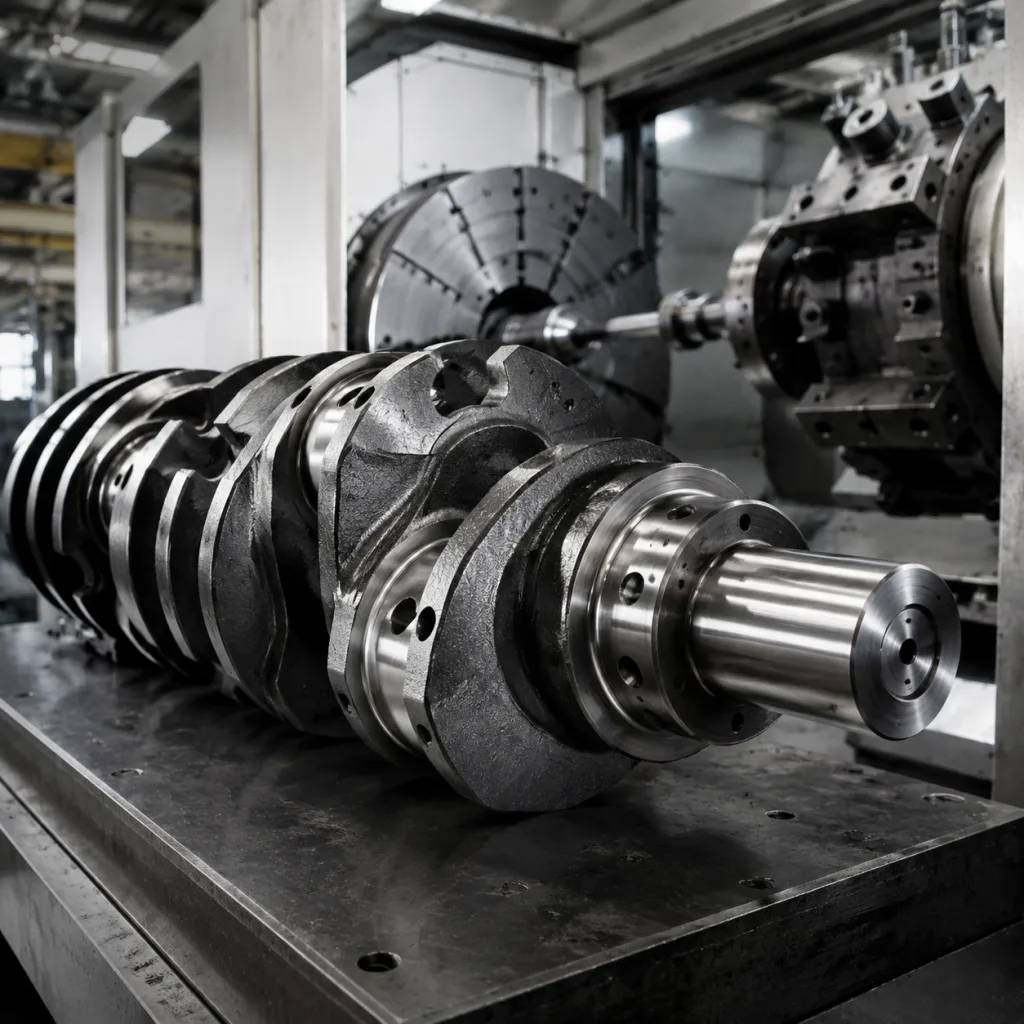
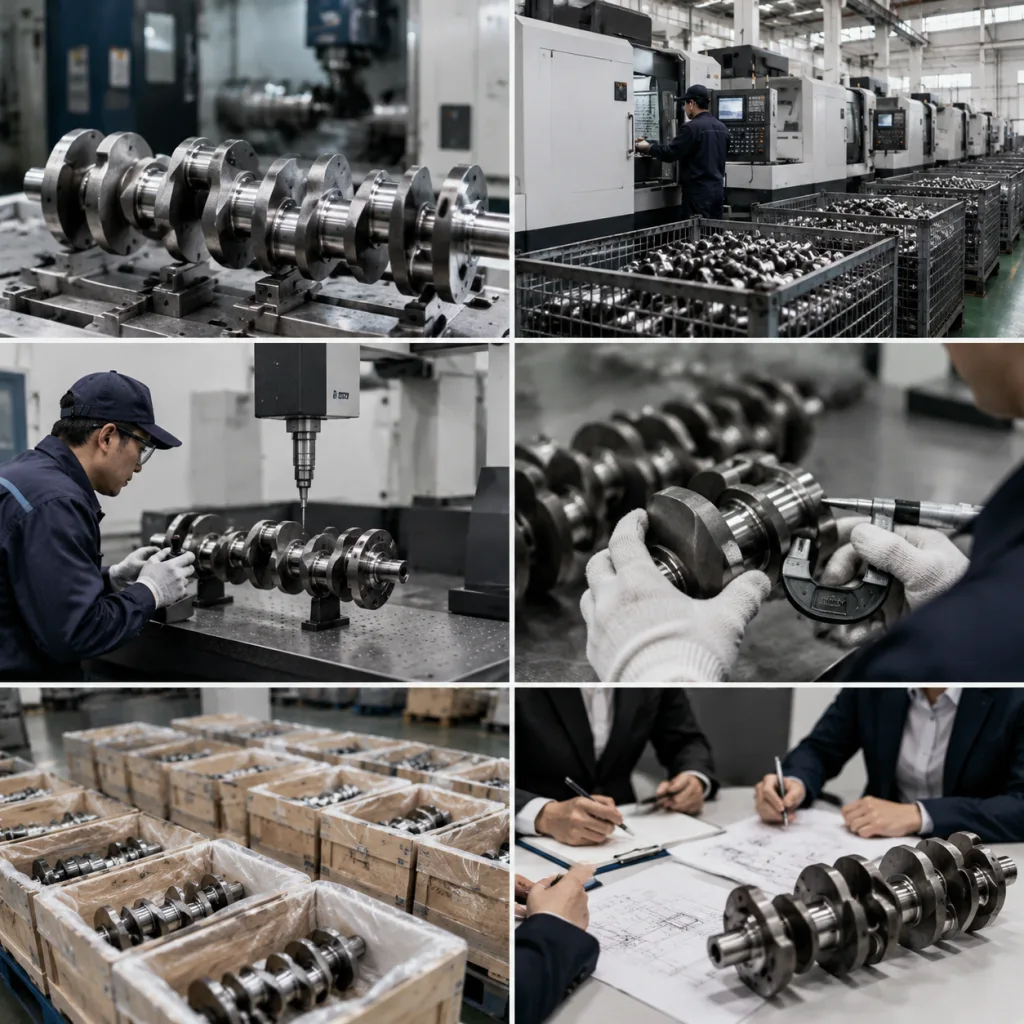
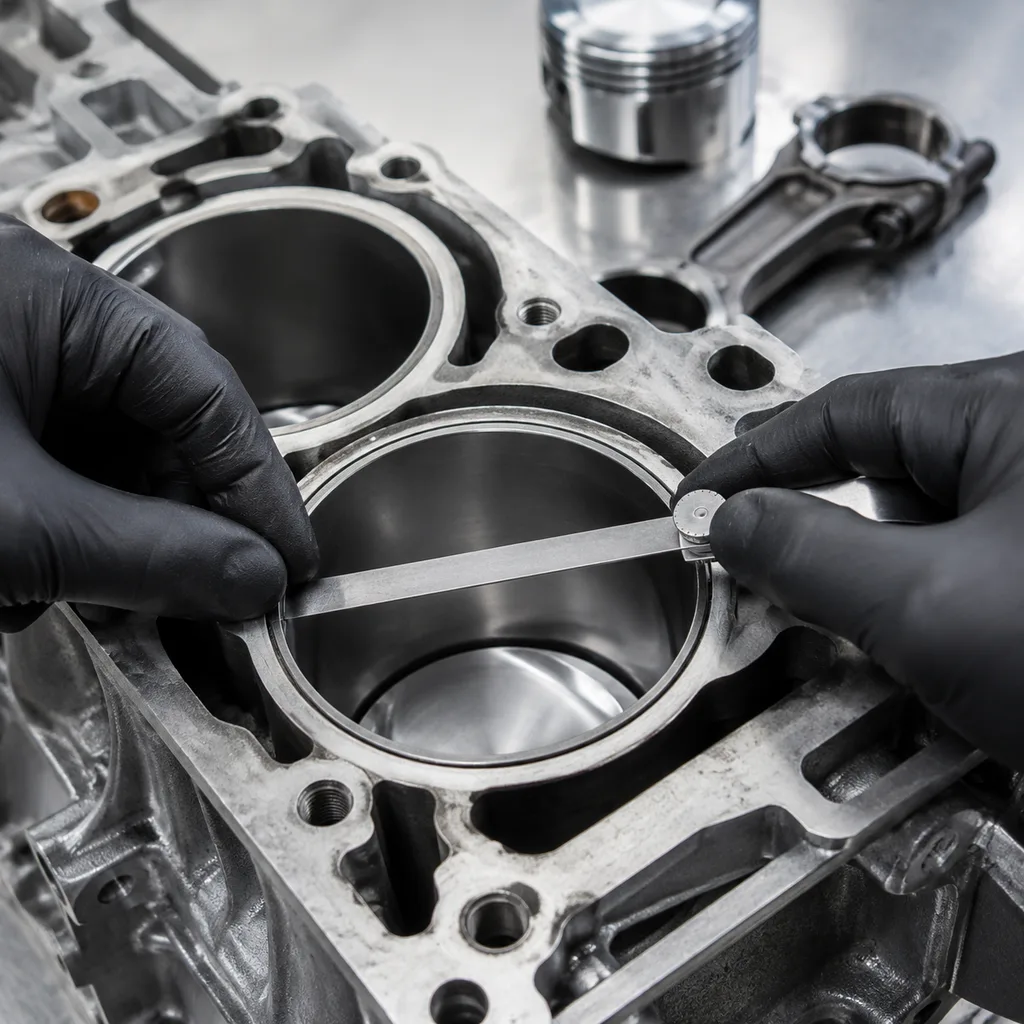
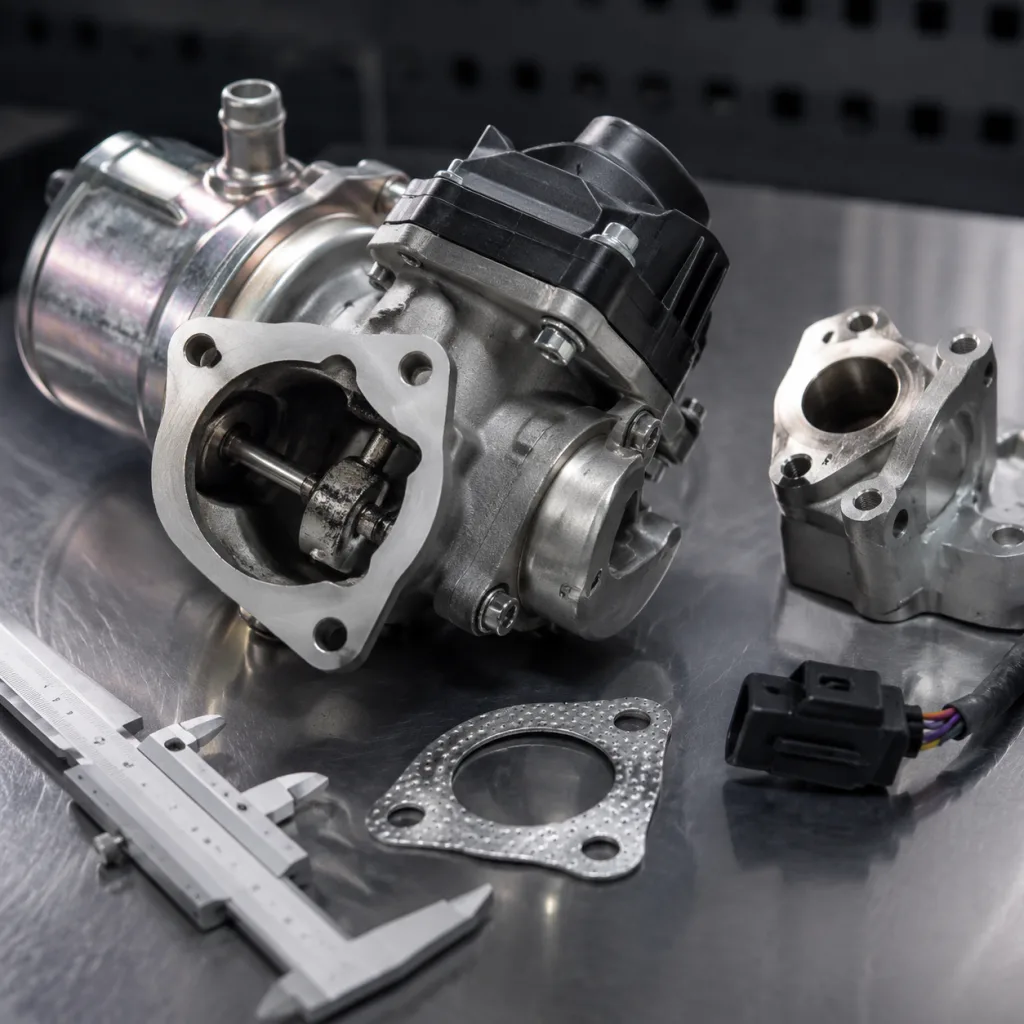
Choosing a crankshaft Toyota OEM supplier is less about finding the lowest quote and more about avoiding fitment mistakes, balance issues, and long lead times. The part has to match the required journal layout, stroke, main bearing geometry, oil passage design, heat treatment, and balance specification. For distributors, repair networks, and OEM programmes, the real decision is whether the supplier can hold tolerances, prove traceability, and ship consistently at the ordered MOQ. Driventus manufactures engine and powertrain components in Taizhou, Zhejiang, and serves B2B buyers in more than 60 countries. We operate under IATF 16949:2016 and ISO 9001:2015, and we support OE part-number cross-references when fitment data is supplied by the buyer. Driventus is an independent aftermarket manufacturer; brand names are referenced for fitment only. If you are comparing approved vendors, the practical test is simple: can the factory verify dimensions, document quality, and repeat the result lot after lot?
Decision checklist: what to verify before you quote
Before price enters the conversation, lock down the technical basis for the part. Confirm the engine code, cylinder count, stroke, main journal diameter, rod journal diameter, fillet radius, thrust surface location, and flywheel flange details. If the application calls for a forged or nodular iron part, verify the base material and heat-treatment route before sampling.
A procurement checklist should include:
OE or aftermarket reference number supplied by the buyer
Engine code, displacement, and model year range
Nominal dimensions and permitted tolerances in micrometres or millimetres
Surface hardness target and hardness test method, such as HRC or HBW
Dynamic balance requirement, typically stated in g·cm or equivalent customer print values
NDT method for cracks and subsurface defects, such as magnaflux or ultrasonic inspection
Packaging standard for export and warehouse handling, including rust protection and carton drop-test expectations
Required documentation set, including dimensional report, material certificate, and traceability record
For buyers building an approved vendor list, ask for PPAP-style documentation, inspection records, and traceability by heat or batch. If the sourcing scope includes adjacent components, you can also review our catalog and the broader engine-components range.
A useful order gate is to require first-article approval before mass production. That normally means one signed sample, one dimensional report against the customer drawing, one material certificate, and one packaging photo set before release of the PO balance.
Failure modes: why cheap supply gets expensive
A low unit price does not protect margin if rejection rates rise or delivery slips. In this category, the cost of a nonconforming crankshaft is high because failure risks include seizure, bearing damage, and engine rebuild claims. Procurement teams should qualify the factory on measurable controls rather than sales claims.
Key qualification points:
Area
What to request
Why it matters
Certification
IATF 16949:2016, ISO 9001:2015
Confirms controlled automotive processes
Material control
Mill certificate, chemistry report, heat number
Verifies alloy consistency and supports recall containment
Inspection
CMM, micrometre, runout, hardness, and balance data
Confirms critical dimensions and rotating performance
Traceability
Heat number or batch code etched or marked on the part
Supports containment, returns, and warranty analysis
SPC or in-process checks on journal sizes and runout
Shows the factory can hold repeatability over a production lot
</tr></thead><tbody> </tbody></table>Driventus publishes its quality system for buyer review. For EU-bound programmes, material compliance may also require REACH (EC) No 1907/2006 documentation where applicable to the finished assembly and packaging materials.
A practical supplier review should also include defect-response timing. Ask how many hours the plant needs to issue containment, what sample quantity is used for 8D review, and who signs the corrective-action closure. That response speed often matters as much as the nominal audit score.
Fitment control: how OE cross-references should be validated
The safest way to source is to treat fitment as an engineering exercise. If the buyer provides an OE reference, the factory should map the journal layout, overall length, thrust type, and trigger features against the supplied sample or drawing. For example, an order may reference OE 06A107065 or another buyer-provided OEM-style number. The cross-reference must be validated against engine code, not used as a stand-alone purchasing shortcut.
Common verification points
Main bearing count and widths
Rod journal offset and stroke
Keyway, sensor ring, or tone-wheel provisions
Oil hole drill pattern and chamfer direction
Counterweight profile and balance class
Rear flange bolt pattern and pilot diameter
Front snout length and seal land finish
Buyers should also confirm three compatibility points before release: whether the engine is SOHC or DOHC where the trigger wheel matters, whether the crank uses a flange-mounted or integrated tone ring, and whether the thrust surface location matches the block side load. A mismatch in any one of those areas can stop installation even when the overall part number looks close.
If you manage multiple vehicle lines, keep the OE reference, engine code, casting or forging revision, and revision date in one internal database. That reduces substitution risk when a distributor, workshop chain, or importer requests a repeat order. For high-volume accounts, it is worth recording the approved cross-reference together with sample photos and measured values so purchasing does not have to revalidate fitment on every replenishment cycle.
Supply planning: MOQ, lead time, and audit checkpoints
For international buyers, lead time and minimum order quantity are usually negotiated together. Standard production programmes are typically faster than fully custom runs, but the final schedule depends on tooling status, heat treatment capacity, and inspection workload. A supplier should state the MOQ by part number, the sample lead time, and the mass-production lead time separately.
A practical audit checklist includes:
Incoming material inspection controls
Machining line capability and maintenance records
Heat-treatment process control, including temperature and soak-time records
Final inspection sampling plan, such as AQL or 100% checks for critical dimensions
Traceability and nonconformance handling
Export packing and container loading method
Tooling ownership, if the programme uses customer-specific fixtures or dies
For planning, many buyers expect a sample lead time of roughly 2-4 weeks for a standard part and a production lead time of about 30-45 days after approval, but the factory should confirm the exact schedule per drawing and lot size. MOQ is usually part-number specific; a lower MOQ may be possible for stocked items, while custom machining or special balancing typically requires a larger commitment. Price should be quoted on a tiered basis when volumes vary, for example at sample, 500-unit, and 1,000-unit breakpoints, so the buyer can model landed cost accurately.
If your project needs a revised journal size, special coating, or regional application change, Driventus can support custom manufacturing under a controlled drawing and approval process. Buyers should keep the audit focus on repeatability, not only on nominal capacity. Ask for one pilot lot, one process-capability check on the critical journal diameter, and a written commitment on how design revisions are released before the next production run.
Spec deep-dive: the data set RFQs should include
When RFQs are incomplete, procurement teams should ask engineering to confirm the following specification set before award:
Base material: forged steel or cast nodular iron, by engine family
Heat treatment: induction hardened or through hardened, as required
Surface finish: journal finish per drawing, often controlled by Ra on the bearing surfaces
Dimensional tolerances: journal diameter, runout, thrust width, and stroke
Balance: static and dynamic limits per customer print, including allowable residual imbalance
Inspection: hardness, magnaflux or equivalent crack detection, and dimensional report
Marking: part number, heat or batch code, and country of origin where required
Critical geometry: main journal concentricity, fillet radius, and oil-hole chamfer dimensions
Packaging: anti-rust treatment, part separators, and pallet loading limit
Where a customer drawing is available, the RFQ should identify which dimensions are critical-to-quality and which can use standard factory tolerances. For example, a buyer may request main journal diameter held to the print requirement, runout checked after final grind, and thrust width verified on 100% of the lot. The more clearly those tolerances are written, the easier it is to compare suppliers on the same basis.
For export buyers, documentation should also include commercial invoice data, packing list, and origin marking aligned with the destination market. That level of control matters for wholesalers and multi-location repair groups that need stable replenishment across more than one warehouse. It also helps finance teams reconcile claims if a shipment arrives short, damaged, or with mixed batch codes.
A well-built RFQ should include expected annual volume, target order frequency, and forecast variability. Those numbers let the supplier quote the correct price ladder and reserve forging or machining capacity without hiding cost in urgent-expedite charges.
Frequently asked questions
Driventus supplies crankshafts for Toyota applications as an independent aftermarket manufacturer. We do not claim vehicle-manufacturer approval or endorsement, and brand names are used for fitment only.
Typical documents include dimensional inspection reports, material certificates, traceability information, and quality-system evidence under IATF 16949:2016 and ISO 9001:2015, subject to programme scope.
Yes. Where the programme requires revised dimensions, coating, or machining features, we can review a controlled drawing through our OEM process and confirm feasibility before sampling.
If you are qualifying a new supplier or consolidating part numbers, send your drawing, OE reference, annual volume target, or sample request through our team and we will review the fitment data with you. Start here: /contact.html