crankshaft · 2026-06-05

Crankshaft Land Rover Manufacturer China: Sourcing Guide

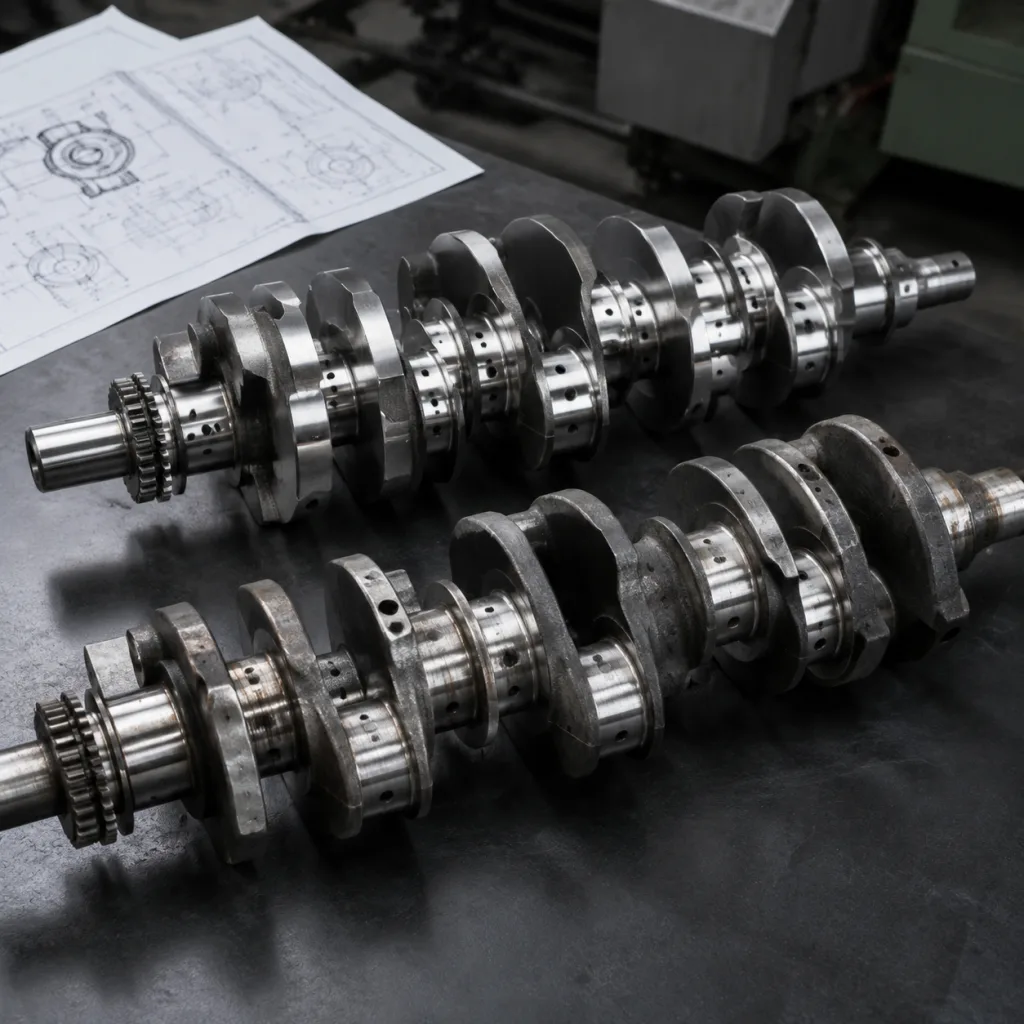
When evaluating a **crankshaft Land Rover manufacturer China** sourcing option, experienced buyers look beyond unit price. A crankshaft is a load-critical rotating component subjected to alternating bending and torsional loads, so procurement teams need evidence of dimensional compatibility, dynamic balance control, metallurgy, journal finish, and document traceability. For engine rebuilders, importers, distributors, and private-label programmes, the practical questions are technical and measurable: is the part forged or cast, what steel or iron grade is used, how are the main and rod journals machined, what heat-treatment or surface-hardening route is applied, what runout limit is accepted at final inspection, and can the supplier issue records that support customer claims review or factory audit. Driventus is an independent aftermarket manufacturer; brand names are referenced for fitment only. The most reliable sourcing partner is one that can build to a drawing, sample, or validated specification sheet rather than supplying a generic catalogue substitute. That is what turns a one-off order into a repeatable B2B supply programme.

What Buyers Should Specify Before RFQ

A strong RFQ is the fastest way to get an accurate quotation and avoid technical mismatch later. For a Land Rover-fitment crankshaft, buyers should identify not only the vehicle model but the exact engine family, crank configuration, service duty, and internal approval path. Even within one engine platform, small differences in stroke, journal width, flange PCD, reluctor or trigger features, oilway drilling, pilot bore, and balance strategy can make parts non-interchangeable.

Before pricing, the supplier should review a drawing, OE reference, sample, or validated dimensional sheet. Critical checkpoints normally include main journal diameter, rod journal diameter, journal width, stroke, thrust bearing location, fillet radius, crankpin indexing, counterweight profile, oil-hole diameter and exit position, nose-end features, rear flange geometry, thread specifications, and seal-running surface dimensions. If the crankshaft must work with existing pistons, bearings, flywheel, damper, timing gear, or seal kit in a rebuild programme, those interfaces should be declared in the RFQ.

For technical sourcing, it is better to request actual targets instead of general statements such as "OEM quality." Typical RFQ data may include journal tolerance class, required surface roughness on bearing surfaces, hardness range after heat treatment, and allowable total indicated runout. On many aftermarket programmes, buyers specify journal roughness in the Ra 0.2-0.4 μm range after finish grinding and polishing, and final total runout commonly needs to be controlled within about 0.03-0.05 mm depending on shaft length, datum method, and application. Exact limits should always follow the approved drawing or validation sample.

Buyers should also define the commercial framework early. Annual demand, order frequency, target market, and packaging format all affect price and lead time. A programme supplying rebuild shops in mixed small batches may need tighter SKU segregation and carton labeling than a distributor buying full pallet quantities. For a legacy or low-volume service part, the supplier also needs to know whether the programme can tolerate a longer setup cycle for tooling confirmation, first-article inspection, or batch scheduling.

Useful RFQ data includes:

  • engine code, displacement, and model family
  • OE or cross-reference number where available
  • drawing, sample, or key dimensions with revision status
  • annual volume forecast and trial order quantity
  • new-build, aftermarket service, or legacy replacement use case
  • target material route: forged steel, cast iron/steel, or approved alternative
  • journal finish requirement, tolerance band, and surface roughness target
  • hardness, heat-treatment, induction hardening, or nitriding requirement if applicable
  • balance target and whether bobweight or component-matched balancing is required
  • inspection documents, traceability level, and packaging standard
  • destination country, shipping mode, and labeling requirement

The more complete the RFQ, the easier it is to compare supplier offers on a like-for-like basis. When the enquiry includes other engine items, we can also map the project into our catalog and align it with engine components for consolidated sourcing.

Process Choice: Forged, Cast, or Reworked Core

The correct manufacturing route depends on duty cycle, fatigue-life expectation, target price, and supply reality. Buyers comparing a crankshaft Land Rover manufacturer China option should not treat forged, cast, and reworked-core products as interchangeable. Each route has a different microstructure, strength profile, machining route, and inspection priority.

</tr></thead><tbody> </tbody></table>Forged crankshafts are often preferred for formal B2B programmes because forged grain flow and alloy-steel chemistry generally provide better fatigue resistance than an equivalent cast route. Common forged materials in the aftermarket include medium-carbon alloy steels such as 42CrMo4/4140-type grades or other customer-specified equivalents, followed by quench-and-temper treatment and, where required, induction hardening or nitriding on journal surfaces. A forged blank alone is not enough; field performance depends on controlled machining, fillet geometry, residual stress management, and final dynamic balancing.

Cast crankshafts can be commercially valid where the application is price-sensitive and the duty cycle does not justify a forged route. In these programmes, material consistency and internal soundness become the main risk points. Buyers should ask whether the crankshaft is nodular iron, cast steel, or another specified grade, and what controls are used for porosity, inclusions, and heat-treatment consistency. A low purchase price does not help if the part later fails through journal wear, crack initiation at fillets, or unstable balance.

Reworked OE cores are usually a niche solution for service markets where new production is limited. This route depends on incoming core condition, so commercial repeatability is weaker than with new manufacture. The supplier should verify crack status by magnetic particle inspection, confirm whether the shaft is within standard or undersize grinding limits, inspect oilways for contamination, and document the remaining material window after reconditioning. For most scalable import programmes, new forged or new cast production is easier to standardise and trace.

In practice, the right choice depends on the end market. A distributor supplying value-oriented repair channels may select cast where validated performance is acceptable, while a rebuilder supporting heavier-use engines may standardise on forged steel to reduce fatigue-risk exposure. Driventus is an independent aftermarket manufacturer; brand names are referenced for fitment only.

Quality Checks That Protect Fitment

Quality control for crankshafts should focus on characteristics that directly affect fitment, oil-film stability, bearing life, vibration, and fatigue durability. A buyer should expect the supplier to control both visible dimensions and process variables that can create latent field failures.

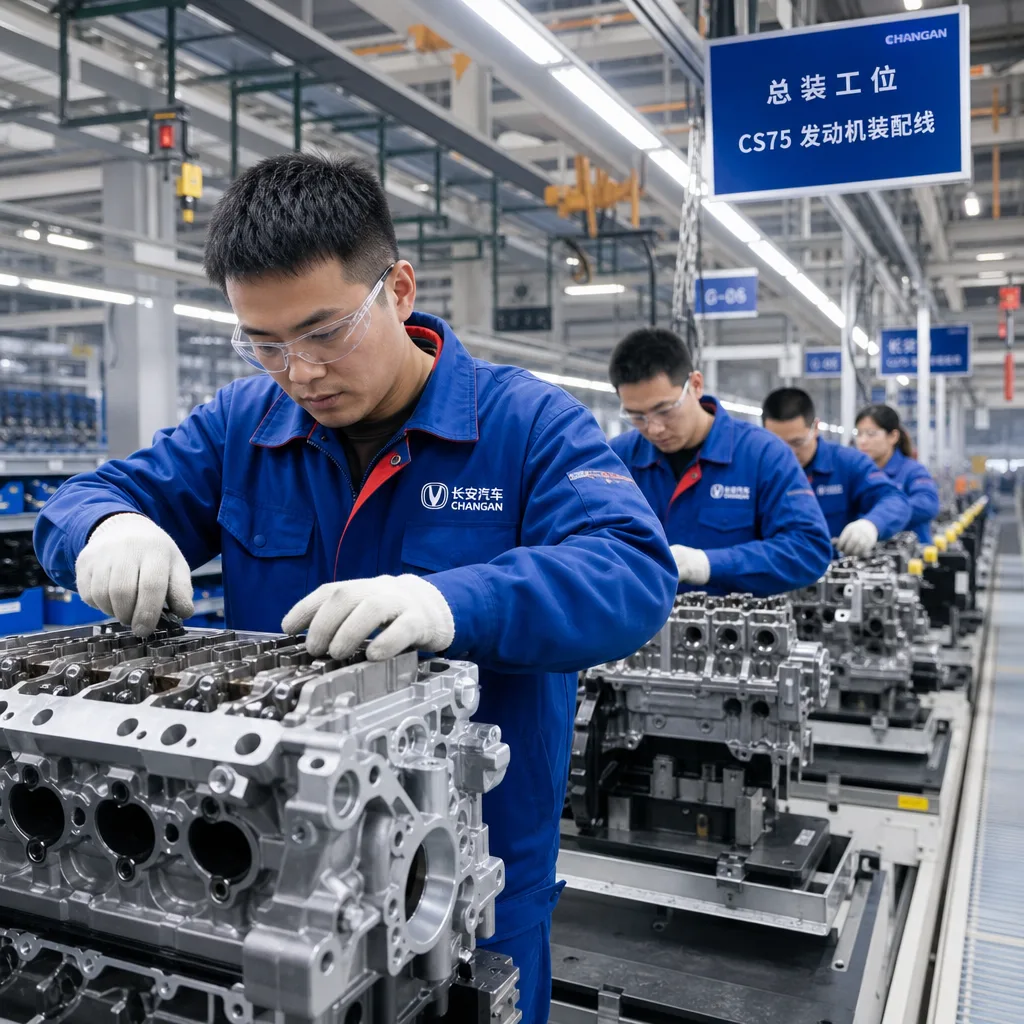
Our production controls align with IATF 16949:2016 and ISO 9001:2015, with document control suitable for export review and customer audit. For EU-oriented programmes, REACH (EC) No 1907/2006 declarations can be prepared for declared substances and packaging materials where required.

The most important inspection points typically include:

  • magnetic particle inspection (MPI) or equivalent crack detection on high-stress zones
  • verification of main and rod journal diameter after finish grinding
  • roundness and cylindricity checks on bearing journals
  • total indicated runout measurement across defined datums or centres
  • stroke and crankpin phase/index verification
  • fillet radius inspection, especially at main-to-web and pin-to-web transitions
  • dynamic balance verification after final machining
  • hardness testing after quench-and-temper, induction hardening, or nitriding
  • surface roughness measurement on journal running surfaces
  • oil-hole location, chamfer or burr control, and oilway cleanliness checks
  • flange, keyway, thread, seal land, and nose-end feature inspection
  • lot traceability from raw material batch through packed carton

On many controlled programmes, journal diameter is checked with calibrated micrometers or air gauges, roundness is verified on a form tester, and runout is measured on V-blocks or centres with dial indicators referenced to the approved datum scheme. Surface hardness may be checked on Rockwell or microhardness methods depending on the heat-treatment route, and dynamic balancing is typically confirmed on a balancing machine after finish machining and before protective packing.

For buyers, these checks matter because crankshaft issues often appear indirectly. A journal size deviation can disturb bearing crush or oil clearance. Poor surface roughness can reduce oil-film stability and accelerate bearing wear. Excessive runout can introduce vibration and edge loading. Burrs at oil-hole exits can disrupt lubrication or initiate local stress concentration. Weak balance control can increase NVH complaints even when the shaft passes a visual inspection.

Where a customer requires a stronger validation package, we can provide dimensional reports, material certificates, hardness records, final inspection data, and lot-level traceability files. That documentation is often more valuable than a generic capability statement because it shows how the exact part was controlled, not just how the factory describes its process in theory.

Import Terms, Lead Time, and Audit Readiness

For importers and sourcing managers, the commercial structure around the part is as important as the machining itself. A technically acceptable crankshaft still becomes a difficult programme if MOQ, lead time, protective packaging, and document control are unclear. Early alignment on these points reduces delays and avoids mismatched expectations between purchasing, QC, and logistics teams.

Buyers should confirm the following before approval:

  • MOQ for samples and mass production
  • tooling, gauges, or fixture requirements, if any
  • sample lead time versus serial production lead time
  • whether material is stocked or purchased against order
  • batch size and production scheduling frequency
  • ability to hold safety stock or buffer stock after launch
  • export carton dimensions, pallet standard, and container loading plan
  • anti-rust protection, VCI bag/oil paper use, and shaft-end protection method
  • carton mark format, label content, and barcode requirement
  • document set included with shipment
  • process for engineering changes and revision control

Lead time usually depends on the route selected. A repeat forged programme can move faster after first approval if the forging source, machining fixtures, gauges, and balancing parameters are already locked. A low-volume custom or legacy part may require a longer setup window for raw material purchase, forging arrangement, machining preparation, first-article inspection, and inspection plan approval. Buyers should also ask how repeat orders are controlled: whether the same process sheet, inspection standard, and packaging method are frozen for future batches, and how deviations are escalated.

Factory audit readiness matters for distributor groups, importer brands, and customers operating under formal supplier-qualification systems. A crankshaft supplier should be ready to walk auditors through process flow, incoming material control, rough machining, heat treatment, finish grinding, polishing, balancing, final inspection, nonconformance handling, calibration control, and document retention. Audit-ready support also includes clear traceability between the packing list, commercial invoice, lot ID, inspection file, and any retained material certificate.

Our quality system is structured for repeat orders, change control, and retained records. For a new programme, we can review your drawing, sample, or target specification and identify which characteristics are fixed and which remain open to optimisation. That reduces the common sourcing risk of approving a part that appears similar on paper but does not maintain the required journal geometry, flange detail, or finish standard in production.

How Driventus Supports B2B Programs

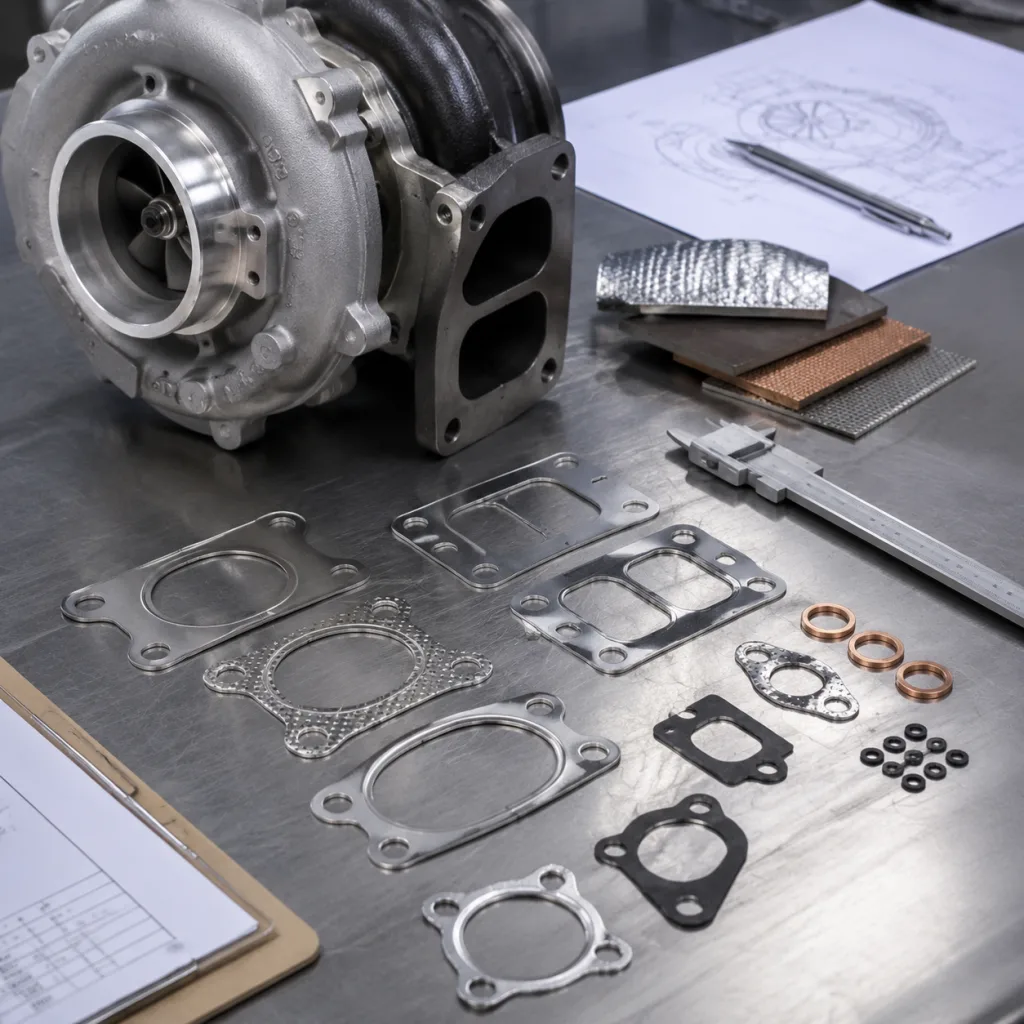
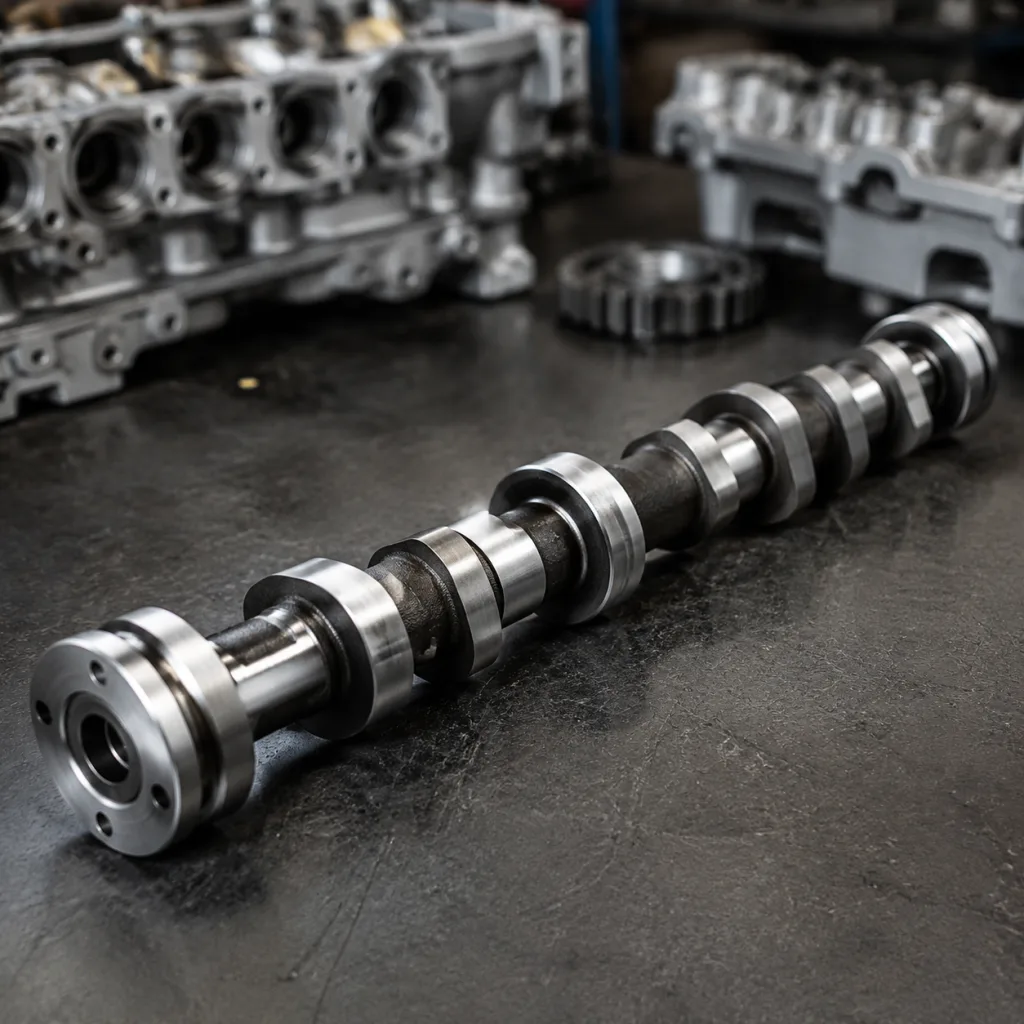
Many buyers searching for a crankshaft Land Rover manufacturer China partner are not sourcing a single isolated item. They are building a broader engine-parts programme that may also include pistons, bearings, gaskets, water pumps, cylinder heads, or turbochargers. In those cases, supplier capability is measured not only by the crankshaft itself but by how well the manufacturer supports project management, technical review, and consolidated export execution.

Our custom manufacturing support is designed for drawing-based and sample-based B2B programmes. That can include early feasibility review, material-route discussion, dimensional confirmation against the target application, sample planning, pack standardisation, and controlled implementation of approved revisions. If the buyer needs a private-label route, mixed-SKU shipment, or standardised export presentation across multiple engine components, those details can be defined at the programme stage rather than after launch.

Typical support areas include:

  • drawing or sample review before quotation
  • feasibility feedback on material route and machining approach
  • sample production and approval planning
  • inspection file preparation for customer review
  • traceable lot control for repeat orders
  • export packing suited for sea freight or air freight
  • coordinated sourcing across related engine parts
  • support for dimensional changes or specification updates under revision control

This matters for procurement teams because the lowest component price does not always create the lowest total sourcing cost. A supplier that can manage technical review, stable repeat production, and consolidated shipment often reduces administrative load, claim risk, and inventory complexity across the programme.

Driventus is a vertically integrated Chinese manufacturer with export experience across 60+ countries. That means buyers can request a technical review before committing to volume and can align the crankshaft project with a larger engine-parts sourcing plan. For the broader programme, our catalog is the fastest place to review the available product family, and the team can respond with a quote, sample plan, or document pack once the target application is confirmed.

Frequently asked questions

Yes. We can work from a sample, measure critical dimensions, review fitment interfaces, and confirm target material and heat-treatment route before quotation. Where necessary, the sample can be reverse-measured into a controlled dimensional sheet for customer approval. Brand names are used for fitment only, not endorsement.

Typical documents include material certificates, dimensional or final inspection reports, hardness records where applicable, lot traceability, packing lists, and REACH declarations where required. We can also align the document file to customer audit or PPAP-style requests, subject to programme scope.

Send the application details, expected volume, target market, and any drawing or sample. We review feasibility, confirm the proposed manufacturing route, quote MOQ and lead time, and then move to sample approval or first-article validation before mass production.

If you need a drawing review, sample quote, or factory capability pack, start here: [request a quote](/contact.html)

Request a Quote
Option Best use case Buyer checks
Forged alloy steel crankshaftHigher load, towing duty, off-road use, fleet mileage, longer durability targetSteel grade, forging ratio/flow, heat-treatment record, hardness map, fillet rolling if used, balance
Cast crankshaftCost-sensitive programmes with moderate load and validated service historyMaterial grade, casting soundness, porosity control, journal hardness, fatigue margin, machining consistency
Reworked OE coreShort-run service replacement where original cores remain availableCore origin, MPI crack-test result, maximum regrind size, journal finish, oilway cleanliness, residual service life