Crankshaft Bearing Wear Main Bearing: Causes and Inspection
Crankshaft bearing wear in the main bearing journals usually starts with oil film breakdown, contamination, or incorrect clearance. The result is measurable metal loss, reduced oil pressure, noise at start-up, and in severe cases crankshaft damage. For procurement teams and workshop buyers, the key question is not only what failed, but whether the replacement main bearing matches the OE dimensions, coating, and load requirements for the engine family.
Driventus is an independent aftermarket manufacturer; brand names are referenced for fitment only. We supply engine and powertrain components for aftermarket distributors, OEM and Tier-1 channels, and multi-location repair groups. Our production is backed by IATF 16949:2016 and ISO 9001:2015 systems, with export experience across 60+ countries. This article explains the common failure modes, the inspection sequence, and the replacement checks that matter before ordering. If you need a verified source, you can review our catalog, our quality system, and custom manufacturing.
What crankshaft bearing wear looks like in service
Main bearing wear usually presents as a pattern, not a single symptom. Common signs include:
Low hot oil pressure at idle
Knocking from the lower engine speed range
Copper or lead exposure on the bearing shell
Scoring on the crankshaft journal
Debris in the oil filter or sump
Start-up noise after overnight soak
For fleet and workshop buyers, the failure may be reported as “bearing noise” or “bottom-end knock”, but the root cause is often dimensional or lubrication related. If the wear is localised to one journal, check that position first. If all journals show similar damage, look for system-wide oil contamination, pump wear, blocked galleries, or wrong viscosity oil.
Main causes of bearing distress
The most common causes are measurable and preventable.
Cause
Typical effect
What to check
Oil starvation
Wiped overlay, heat tint, scoring
Oil pressure, pump, pickup, galleries
Contamination
Embedded grit, three-body abrasion
Filter media, sump sludge, assembly cleanliness
Incorrect clearance
Fatigue, local hot spots, noise
Housing bore, journal size, bearing crush
Misalignment
Edge wear, uneven contact
Main bore alignment, block distortion
Overload or detonation
Hammering, shell fatigue
Combustion issues, tune, operating duty
Wrong oil grade
Thin film, accelerated wear
OEM viscosity spec, service records
</tr></thead><tbody> </tbody></table>If an engine has been rebuilt, clearance errors are a frequent cause. A bearing that is too tight reduces hydrodynamic film thickness; too loose reduces load support and oil pressure. Both can lead to crankshaft bearing wear main bearing damage within a short operating period.
How to inspect the bearing stack correctly
Use a repeatable inspection sequence before ordering parts or authorising a rebuild.
Inspection checklist
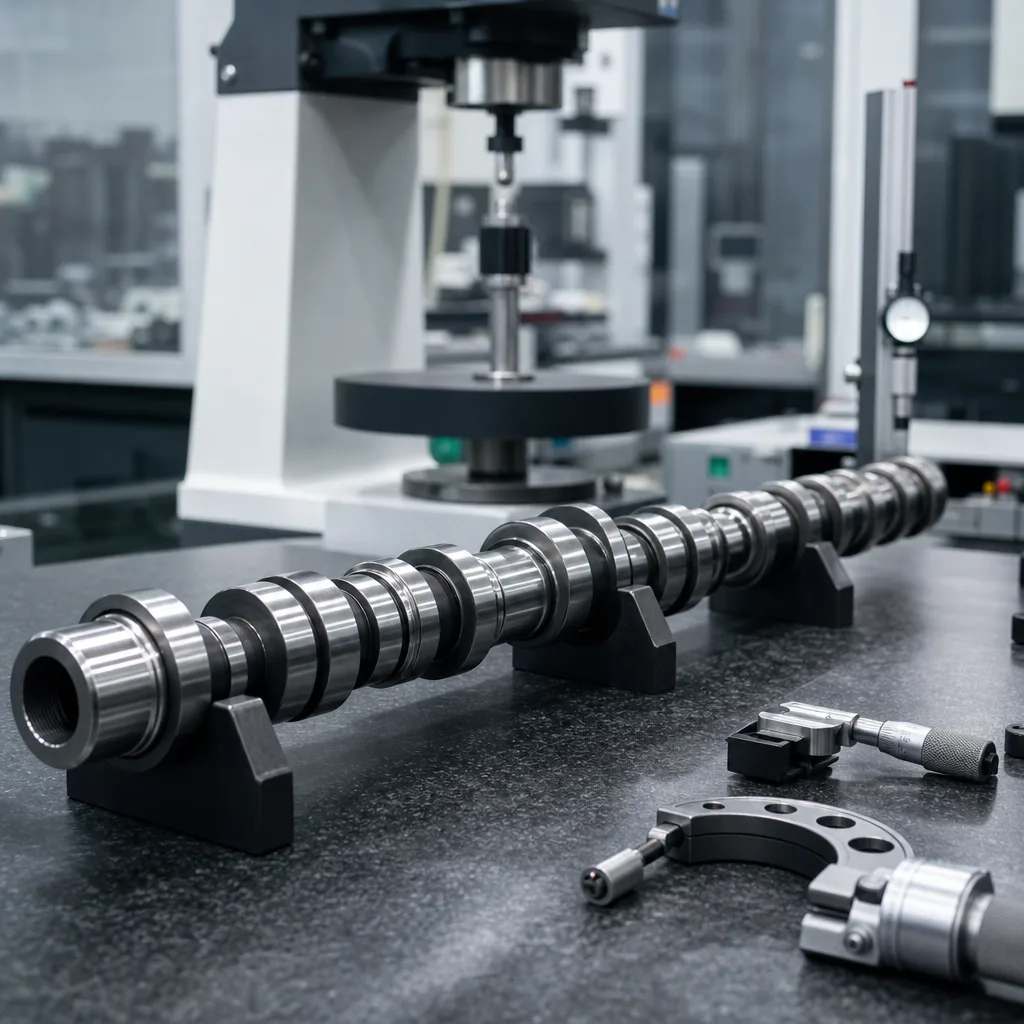
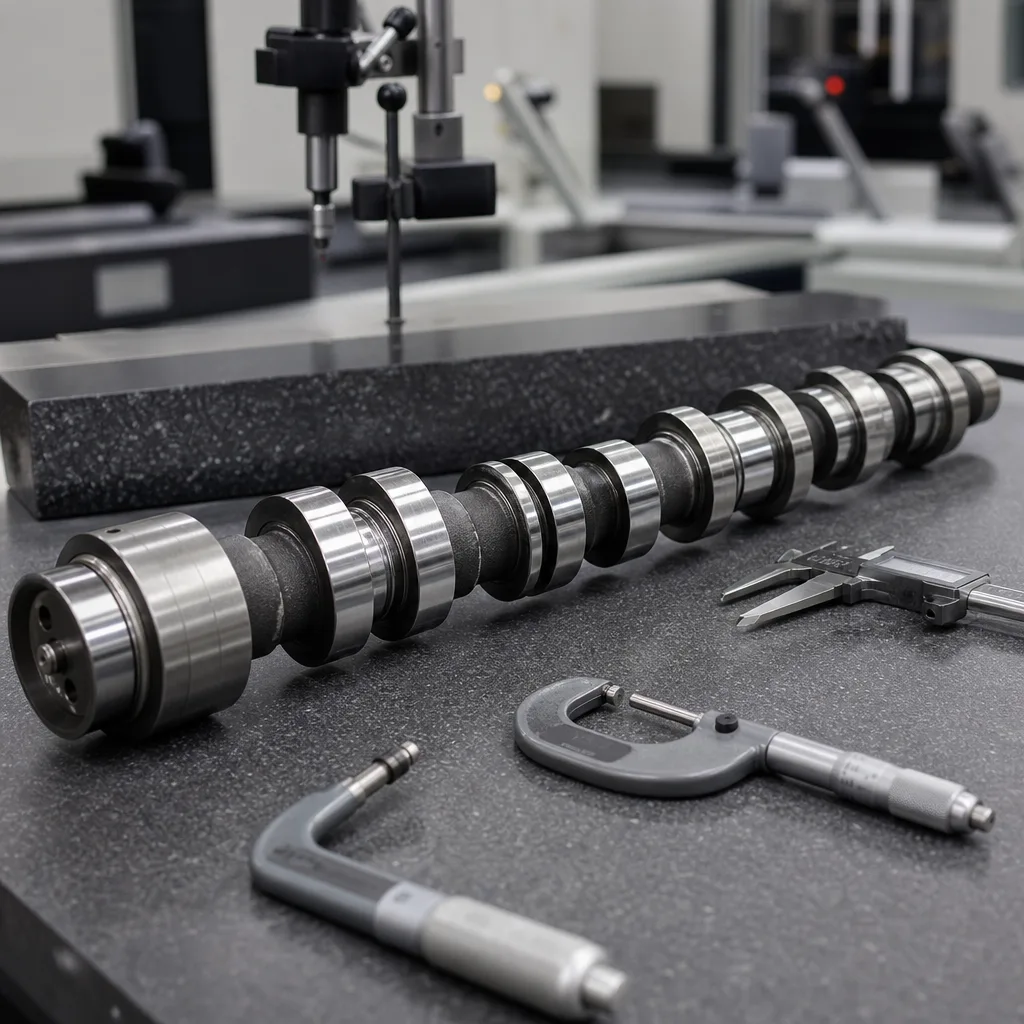
1. Drain oil and inspect the filter for metallic debris. 2. Remove the sump and document debris location. 3. Check each main cap for orientation, fretting, and bolt condition. 4. Measure crankshaft journal diameter, taper, and out-of-round with a micrometer. 5. Measure housing bore with the cap torqued to specification. 6. Verify bearing crush and oil hole alignment. 7. Inspect journal surface finish and polish condition. 8. Check main bore alignment if multiple journals are worn.
A visual inspection alone is not enough. Use measurement data against the engine specification. For procurement teams, it is also useful to record whether the engine requires standard size, undersize, or matched-thickness shells. When the journal is damaged beyond polish limits, the bearing must be selected to suit the reground crankshaft size, not the original nominal dimension.
What to replace together with the bearings
Replacing only the shell often leads to repeat failure. A proper repair normally includes:
Main bearing shells matched to journal size
Connecting rod bearings if contamination is present
Oil pump inspection or replacement
New thrust bearings where applicable
Main cap bolts if the manufacturer specifies single-use fasteners
Crankshaft regrind or replacement if journals are tapered or scored
Full oil and filter change after assembly
For sourcing teams, the part specification should be verified before purchase: shell material, overlay type, width, oil groove design, and any locating features. Dimensional consistency matters as much as material. If you are consolidating suppliers, confirm that the supplier can support OE 06A107065-style cross-reference requests only where the application already uses that convention, and never treat it as a manufacturer endorsement.
How Driventus supports replacement and validation
Our engine bearing programs are built for B2B replacement markets that need stable dimensions and traceable production. We manufacture for aftermarket distribution, OEM / Tier-1 supply, and repair-chain replenishment.
Relevant controls include:
IATF 16949:2016 and ISO 9001:2015 certified management systems
Incoming material checks and lot traceability
Dimensional inspection against drawing and sample master
Process control on shell forming, coating, and finishing
Packaging designed for export and warehouse handling
For buyers evaluating a new source, the practical questions are simple: can the supplier hold thickness and width tolerances, can it supply the correct fitment range, and can it document inspection results. If your programme needs a non-standard shell design, our custom manufacturing service can support drawing-based production. If you need to compare part families, see our catalog or the engine range at engine components.
Frequently asked questions
Usually no. If the shell shows overlay loss, copper exposure, or embedded debris, it should be replaced. The crankshaft journal may be reused only if it remains within size, taper, and surface finish limits after measurement.
Oil film failure is the most common driver, usually from low oil pressure, contamination, incorrect clearance, or poor lubrication maintenance. Rebuild errors and misalignment are also frequent causes.
Measure the crankshaft journals and housing bores, then compare them with the engine specification. Confirm standard or undersize shells, bearing width, and thrust arrangement before ordering.
If you need verified dimensions, export-ready packaging, or a drawing-based bearing programme, please [request a quote](/contact.html).