crankshaft · 2026-06-08

Crankshaft Alfa Romeo Manufacturer China Sourcing Guide

Sourcing an Alfa Romeo crankshaft from China is not just a matter of matching an engine code or copying a visual profile. Importers, engine-parts distributors, and repair-network buyers need proof of material specification, machining capability, dimensional stability, surface finishing, balance control, and batch traceability before adding a supplier to an approved vendor list. This guide explains the practical checks used in B2B crankshaft procurement, including cast and forged production routes, sample validation, MOQ planning, lead-time expectations, and factory-audit priorities. Driventus manufactures crankshafts and other powertrain components in Taizhou, Zhejiang, and exports to more than 60 countries. Production is managed under IATF 16949:2016 and ISO 9001:2015 certified systems. Driventus is an independent aftermarket manufacturer; brand names are referenced for fitment only.

What Buyers Should Verify Before Sourcing

A supplier search for crankshaft alfa romeo manufacturer china should begin with fitment evidence, not only a part name. The key starting points are engine family, stroke, main and pin journal layout, timing-end configuration, flywheel or flexplate interface, thrust bearing position, and reluctor or trigger-wheel details where applicable. Small differences in oil-hole position, nose diameter, keyway location, rear flange bolt pattern, or thrust width can make two crankshafts look similar but perform differently in assembly.

For B2B sourcing, Driventus recommends sending one of the following data sets before quotation:

  • OE sample or approved aftermarket sample for reverse engineering
  • 2D drawing with datum scheme, tolerances, and critical dimensions
  • 3D CAD model plus critical-to-quality notes
  • Engine code, vehicle application range, and required OE cross-reference format, where available
  • Annual forecast, first-order quantity, and target packaging standard

This information helps the engineering team confirm whether the request matches an existing reference, an available tooling route, or a new-development project. Buyers can review related engine parts through our catalog and the broader engine-component range at /products/engine-components.html. For private-label or drawing-based projects, custom manufacturing is available after technical review.

Material, Process, and Dimensional Control

Crankshaft procurement should define the production route because material and process choice affect cost, fatigue performance, tooling investment, and minimum order quantity. For Alfa Romeo aftermarket applications, common routes include cast nodular iron for standard replacement demand and forged steel for higher-load, premium, or performance-oriented engine families. The right option depends on the OE design, expected duty cycle, warranty exposure, price positioning, and repair-channel requirements.

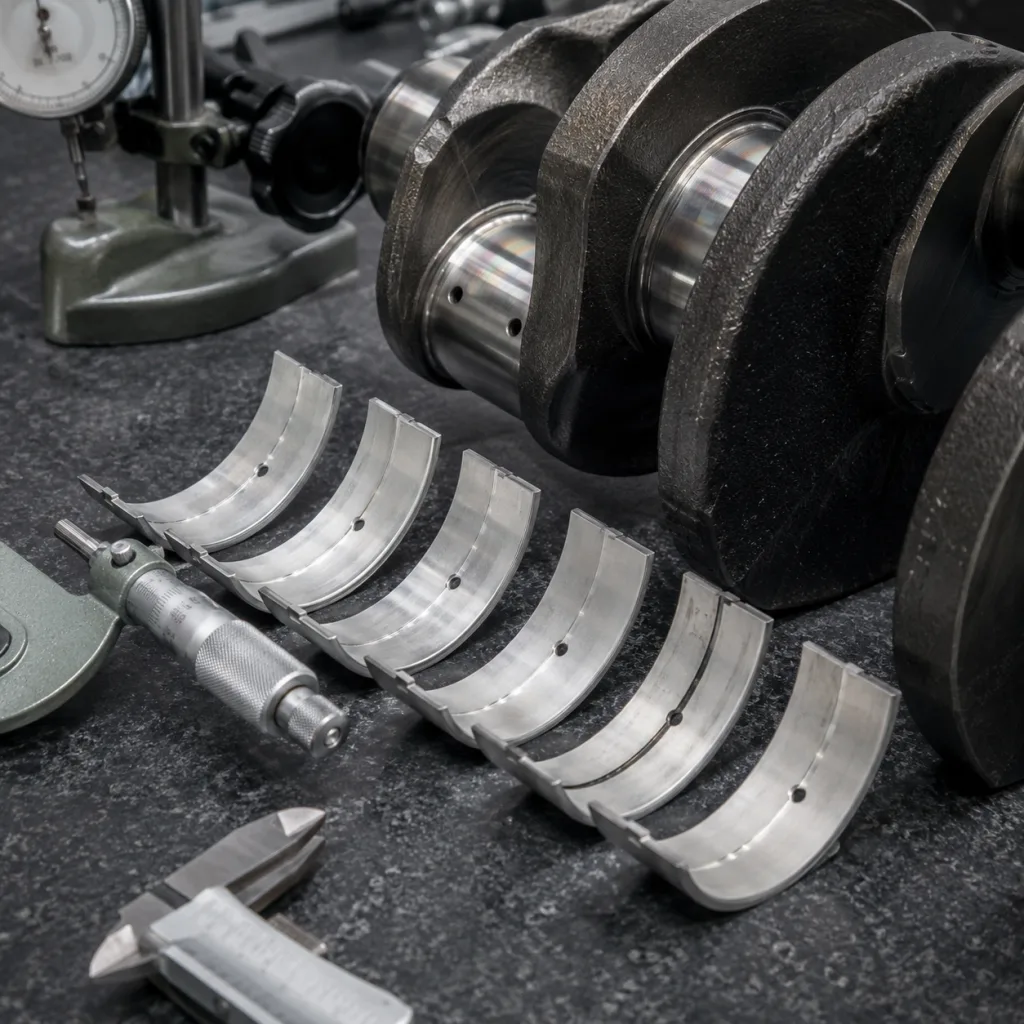
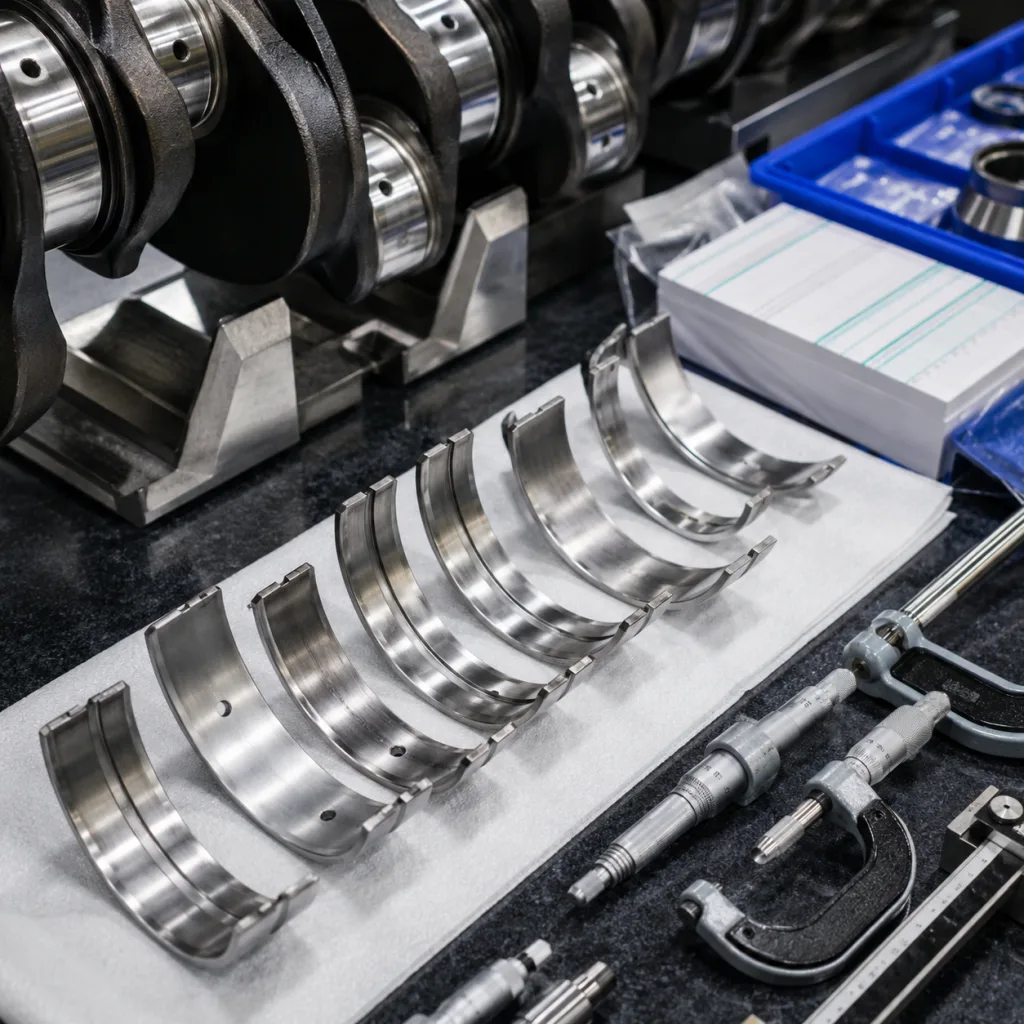
</tr></thead><tbody> </tbody></table>Typical control points include main journal diameter, pin journal diameter, fillet radius, stroke, runout, thrust width, surface hardness, oil-hole chamfering, and dynamic balance. Journal grinding should be controlled with in-process gauging and final inspection records. Surface-finish targets are normally agreed by drawing, sample confirmation, or buyer specification; procurement teams should avoid accepting a general statement such as “standard size” without measurable limits.

Driventus uses incoming material checks, heat-treatment verification where applicable, CNC machining, grinding, polishing, and final dimensional inspection. Buyers can request batch inspection reports and define whether critical dimensions require 100% inspection or sampling based on the application and warranty risk.

Certification, Compliance, and Factory Audit Points

For a crankshaft Alfa Romeo manufacturer China project, certifications should be treated as evidence of operating discipline, not as a substitute for technical approval. IATF 16949:2016 and ISO 9001:2015 support process control, corrective action, traceability, supplier management, and customer-specific requirements, but each crankshaft reference still needs part-level validation.

During supplier evaluation, procurement teams should review the following:

  • Valid IATF 16949:2016 and ISO 9001:2015 certificates with issuing body details
  • Control plan for casting or forging, machining, grinding, cleaning, packing, and release
  • Material certificates and heat-treatment records, where applicable
  • Gauge calibration records for micrometers, CMM, hardness testers, and runout fixtures
  • Non-conforming product procedure and containment evidence
  • Batch traceability from raw material to finished crankshaft carton or pallet
  • Packaging validation for sea freight and multi-drop warehouse handling

For import into the EU and UK, buyers may also need material declarations related to REACH (EC) No 1907/2006. For North American distributors, warranty-return analysis, corrective-action speed, and lot traceability are often more important than extra paperwork. Driventus can share an overview of its quality system during supplier onboarding and can support remote or on-site factory audits by appointment.

MOQ, Lead Time, and Commercial Terms

MOQ depends on whether the crankshaft is already in production, whether tooling exists, and whether the buyer needs neutral packaging, private-label cartons, or a dedicated specification. Existing aftermarket references can usually be quoted faster than new-development items because dimensions, tooling, and packaging have already been reviewed. New Alfa Romeo crankshaft projects require sample measurement, drawing release, material selection, prototype or pre-production run, validation, and packaging confirmation.

A practical sourcing timeline is shown below.

Item Cast nodular iron crankshaft Forged steel crankshaft
Typical useStandard aftermarket replacementHigh-load or premium replacement lines
Tooling costLowerHigher
Unit costLower at moderate volumeHigher, improves with volume
Fatigue marginSuitable when designed and validated correctlyHigher fatigue resistance potential
MOQ tendencyLowerHigher due to forging setup
Lead-time sensitivityPattern and casting scheduleDie availability and forge schedule

</tr></thead><tbody> </tbody></table>Common trade terms include FOB Ningbo or Shanghai, CIF destination port, or EXW Taizhou depending on buyer preference. Payment structure is normally agreed according to order history, credit review, and project complexity. Buyers should confirm whether the quoted price includes anti-rust oiling, individual protection, VCI bags, export cartons, pallets, and fumigation-compliant wood packaging where required.

For sourcing teams comparing multiple suppliers, the lowest unit price can become expensive if it excludes inspection data, proper packaging, stable batch repeatability, or clear responsibility for non-conforming parts.

Validation Data to Request With Samples

Sample approval should cover more than engine-fit confirmation. A crankshaft can install correctly and still create field risk if balance, hardness, oil-hole finishing, journal geometry, or cleanliness is inconsistent. Before approving bulk production, buyers should request a sample inspection package aligned with the application, sales channel, and warranty policy.

Recommended sample documents and checks include:

  • Full dimensional report covering main journals, pin journals, stroke, thrust width, flange, nose, and keyway
  • Runout check at agreed datum points
  • Hardness test record and case-depth data if the specification requires surface hardening
  • Material certificate or chemical composition report
  • Magnetic particle inspection or other crack-detection evidence where agreed
  • Dynamic balance report where required by the application
  • Cleanliness and oil-passage inspection result
  • Packaging drop or handling assessment for distributor supply chains

For replacement-market programmes, the buyer should also define acceptable undersize options, marking rules, carton labels, and whether bearings are bundled or sold separately. Driventus can manufacture to supplied drawings or approved samples, but it does not claim approval or endorsement by any vehicle manufacturer. Driventus is an independent aftermarket manufacturer; brand names are referenced for fitment only.

How Driventus Supports Distributor and OEM Projects

Driventus supplies crankshafts, pistons, gaskets, water pumps, turbochargers, and related engine components for aftermarket distributors, wholesalers, OEM projects, Tier-1 supply chains, and multi-location repair networks. For Alfa Romeo crankshaft sourcing, the commercial process normally follows a controlled sequence: application confirmation, sample or drawing review, quotation, prototype or pre-production sample, inspection approval, purchase order, production, final inspection, and shipment.

Distributor programmes usually prioritise range coverage, consistent packaging, low damage rates, and reorder stability. OEM or Tier-1 work places more emphasis on APQP-style documentation, tighter process control, defined change-management rules, and formal approval records. Repair chains often focus on availability, fast defect containment, and clear warranty feedback loops.

Useful information to include in an RFQ:

  • Engine code and application list
  • Required crankshaft type and finish condition
  • Annual volume and first shipment quantity
  • Destination country and preferred Incoterms
  • Packaging type: neutral, buyer brand, or bulk service packing
  • Required inspection reports and compliance declarations

To start a technical review, procurement teams can request a quote with sample photos, drawings, application details, or existing supplier specifications.

Frequently asked questions

Yes. Driventus can review an approved sample for measurement, material assessment, drawing creation, and quotation. Sample-based work requires buyer confirmation of application, target specification, forecast volume, and approval criteria before production.

Buyers should verify IATF 16949:2016 and ISO 9001:2015 certificates, then review control plans, inspection records, calibration status, material traceability, and non-conformance procedures. Certification supports the quality system but does not replace part validation.

No. Driventus does not claim approval or endorsement by any vehicle manufacturer. Driventus is an independent aftermarket manufacturer; brand names are referenced for fitment only.

If you are comparing suppliers for crankshaft alfa romeo manufacturer china projects, send drawings, samples, or an application list for technical review. Contact Driventus here: /contact.html

Request a Quote
Project type Typical MOQ driver Typical first-order lead time Notes for buyers
Existing stocked or scheduled itemCarton quantity and export packing30–60 daysConfirm size, balance, and application list before PO
Existing tooling, no current stockProduction batch planning45–75 daysUseful for distributor range expansion
New sample-based developmentPattern, die, fixtures, validation90–150 daysRequires approved sample and signed drawing
Private-label programmePackaging MOQ and artwork approvalAdds 10–25 daysCheck barcode, carton strength, and pallet layout