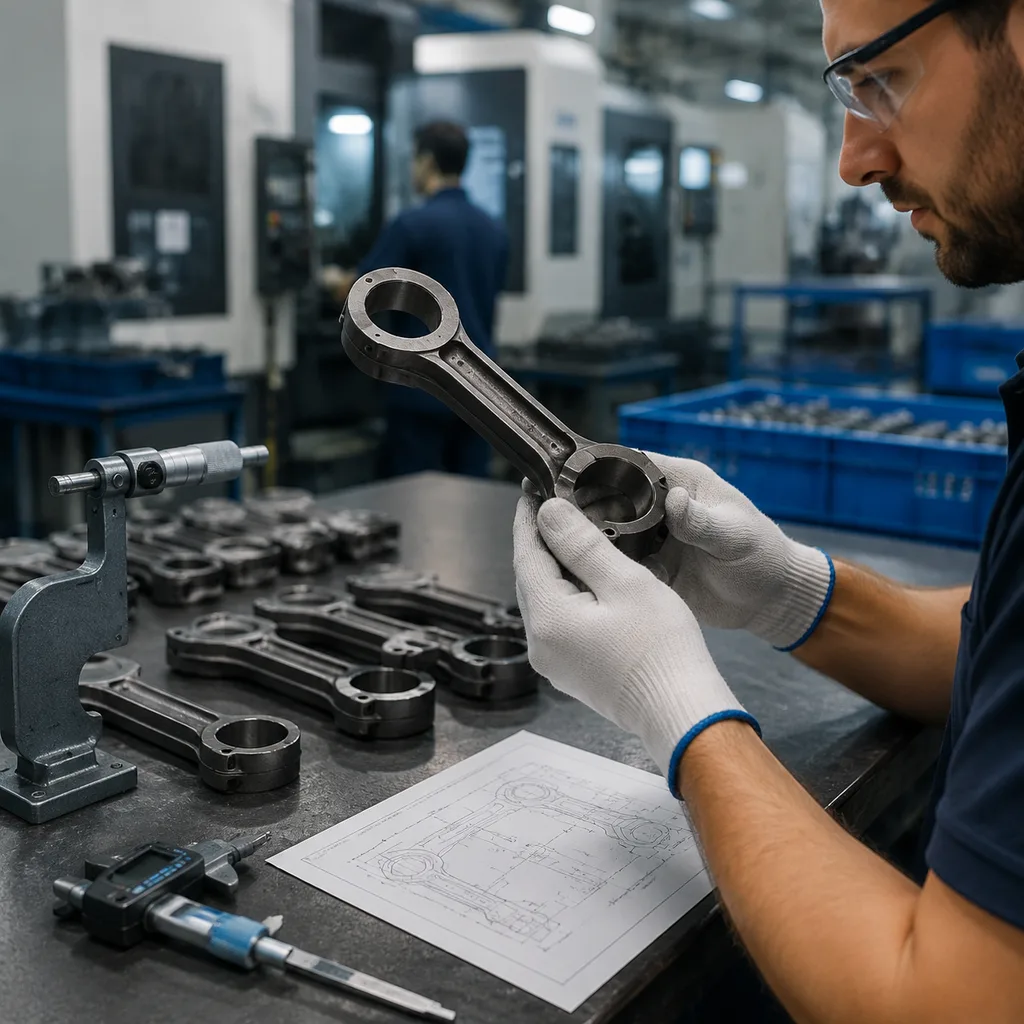
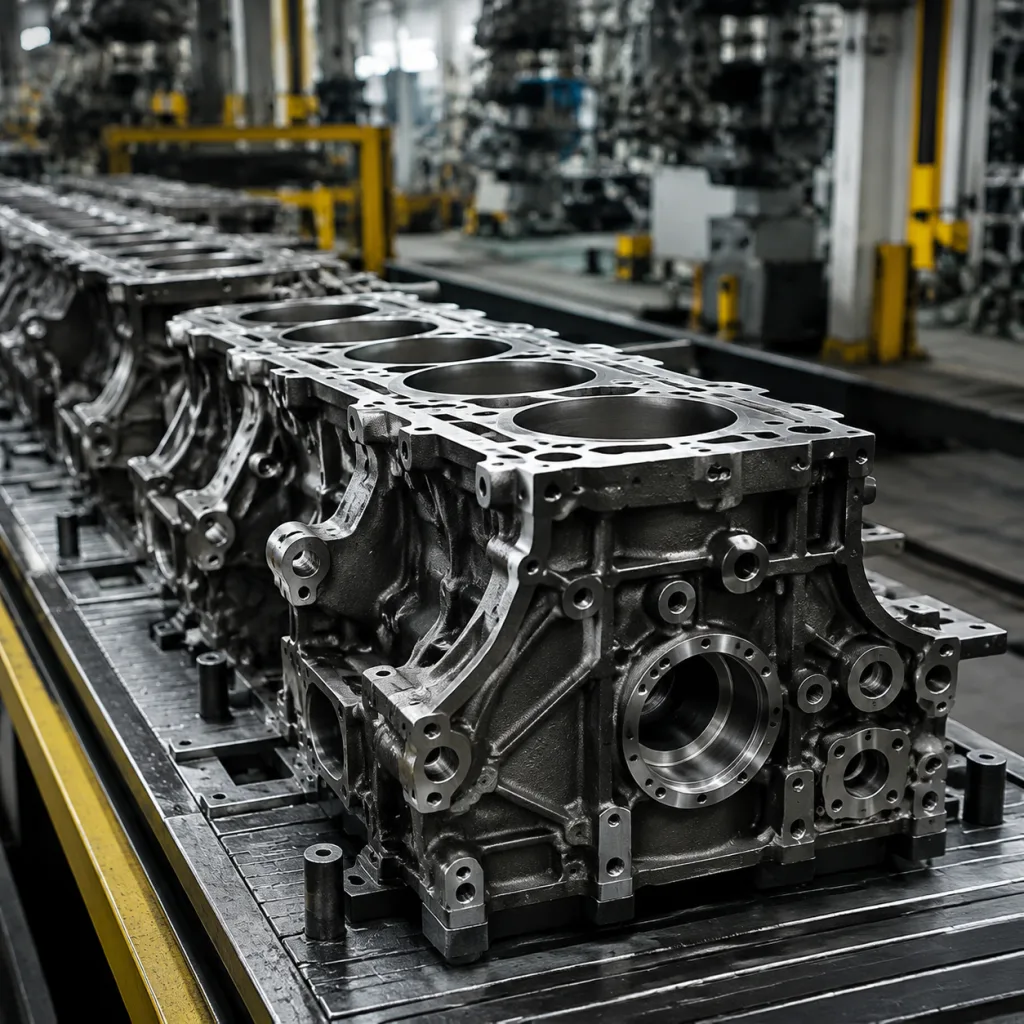
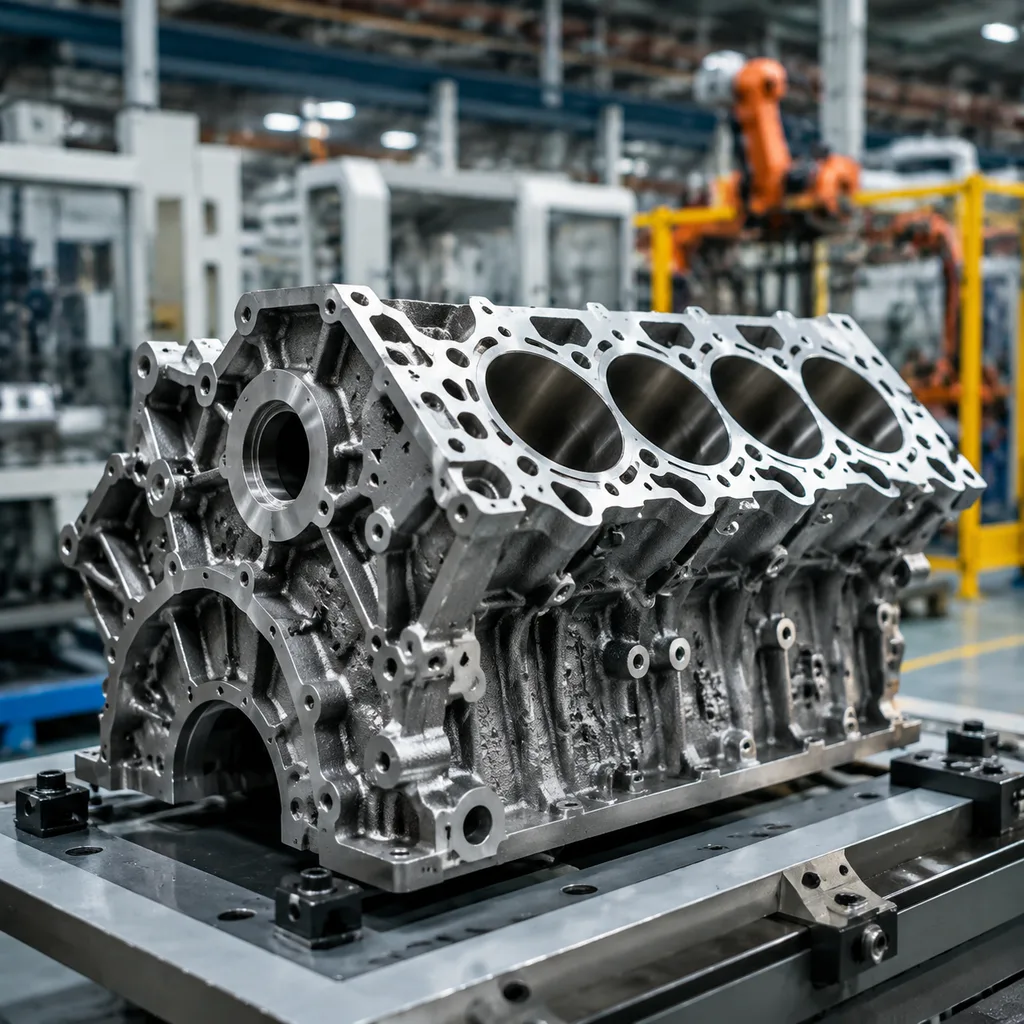
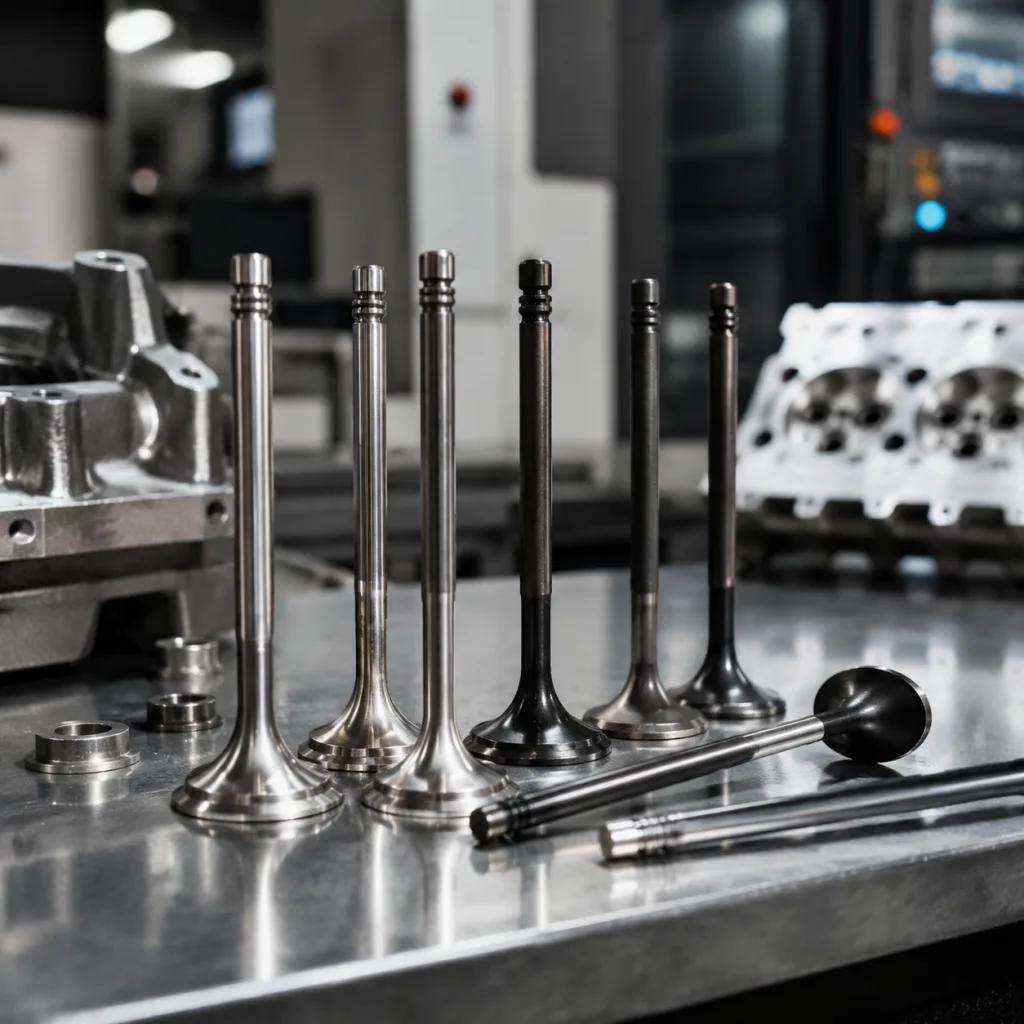
Procurement teams sourcing connecting rods for Opel engine applications need more than a dimensional match. The supplier must control forging quality, bore geometry, surface finish, bolt preload, traceability, and export documentation across repeat batches. This guide explains how Driventus supports distributors, engine rebuilders, Tier-1 buyers, and multi-location repair groups that need Opel-fit connecting rods under private label, contract manufacturing, or aftermarket supply programmes. Driventus manufactures engine and powertrain components in Taizhou, Zhejiang, and exports to more than 60 countries. Our production and inspection workflow is built around IATF 16949:2016 and ISO 9001:2015 requirements, with batch-level records available for procurement review. Driventus is an independent aftermarket manufacturer; brand names are referenced for fitment only. For buyers comparing a connecting rod Opel OEM supplier, the critical questions are capacity, process control, audit readiness, and whether the parts can be validated consistently before shipment.
Sourcing Scope for Opel-Fit Connecting Rod Programmes
Driventus supplies connecting rods for petrol and diesel engine repair programmes, regional aftermarket distribution, and customer-owned projects where drawings or samples are supplied. Buyers can source standard catalogue items or develop application-specific rods through custom manufacturing.
Typical procurement scenarios include:
Aftermarket distributors consolidating Opel-fit engine parts into private-label kits
Engine component wholesalers replacing fragmented small suppliers with one audited source
Repair chains needing repeatable stock for high-volume engine families
Tier-1 or remanufacturing buyers requiring controlled documentation and batch traceability
Importers combining connecting rods with pistons, gaskets, crankshafts, bearings, and water pumps from our catalog
For specific part families, buyers can also review engine product coverage under engine components. We do not claim approval, endorsement, or supply status from any vehicle manufacturer. Cross-reference data is used only to confirm fitment and procurement matching.
Manufacturing Route and Key Controls
Connecting rods carry alternating tensile and compressive loads, so process control is more important than cosmetic finish. Driventus can produce forged steel connecting rods and machined replacement rods according to customer programme requirements, engine load profile, and target market.
A typical production route includes material inspection, forging or blank preparation, heat treatment, shot blasting, CNC machining, cap separation or cap machining, bore honing, bolt assembly, weight sorting, final inspection, anti-corrosion treatment, and export packing.
Key controlled characteristics normally include:
Control point
Procurement relevance
Typical inspection method
Big-end bore size and roundness
Bearing crush and oil clearance
Air gauge, bore gauge, CMM sampling
Small-end bore geometry
Piston pin fit and wear control
Bore gauge, pin plug gauge
Centre-to-centre distance
Compression ratio and balance consistency
CMM or dedicated fixture
Rod twist and bend
Piston alignment and cylinder wear
Rod alignment tester
Weight range
Engine balance across sets
Digital scale, graded sorting
Surface discontinuities
Fatigue risk reduction
Visual inspection, magnetic particle inspection where specified
Bolt thread condition
Clamp load repeatability
Thread gauge and torque process check
</tr></thead><tbody> </tbody></table>Where the customer provides a drawing, we manufacture to the stated tolerances. Where the customer sources by sample or OE-style reference, we confirm critical dimensions before quotation and tooling approval. OE part-number cross-references, if used, should follow the customer’s supplied data format such as OE 06A… or OE 11251… and must be verified against engine code, year range, and market application before ordering.
MOQ, Lead Time, and Export Packing
A connecting rod Opel OEM supplier must be clear about commercial constraints before sampling starts. MOQ depends on whether the item is an existing production part, a catalogue-adapted part, or a fully new project.
Typical sourcing parameters:
Catalogue item MOQ: commonly 100–300 sets, subject to current tooling and stock position
Private-label packing MOQ: normally 300–500 sets per reference, depending on packaging format
New development MOQ: usually negotiated after drawing, sample, tooling, and annual volume review
Sample lead time: generally 30–45 days for new development after technical confirmation
Mass production lead time: commonly 45–75 days after sample approval and deposit
Export packaging: neutral box, customer brand box, bulk service pack, or kit packing by agreement
Shipment terms: FOB Ningbo or Shanghai commonly used; other Incoterms can be reviewed
For long-tail Opel-fit references, buyers often combine rods with pistons, rings, bearings, gaskets, and timing-related items to improve container utilisation. Mixed-SKU orders are practical when labelling, carton marks, pallet dimensions, and item master data are agreed before production.
Driventus supports barcode labels, batch numbers, carton packing lists, and pallet-level identification for warehouse receiving. For EU, UK, North American, Australian, and Brazilian buyers, export documents can be aligned with customs broker requirements before shipment.
Certification, Audit Readiness, and Compliance Records
Procurement professionals should separate a supplier’s certificate claims from its operational controls. Driventus works under an IATF 16949:2016 and ISO 9001:2015 based quality system, covering process control, nonconforming material handling, corrective action, document control, and traceability.
For connecting rod projects, available review items may include:
Business licence and export qualification documents
IATF 16949:2016 and ISO 9001:2015 certificates where applicable
Process flow chart and control plan for the part family
Incoming material inspection records
Heat treatment records when required by the programme
Dimensional inspection report for sample approval
Production batch inspection record
Packaging specification and carton drop or handling requirements if specified
Corrective action report format for warranty or field feedback
Material and chemical compliance should be confirmed according to the destination market and customer requirements. For EU supply chains, REACH (EC) No 1907/2006 may be relevant to restricted substances in materials, coatings, oils, or packaging components. If the part is supplied inside a broader engine kit, customers may request additional declarations for packaging, labels, corrosion inhibitors, or accessories.
Factory audits can be supported remotely or on site. Typical audit topics include calibration status, machining capability, traceability, operator training, warehouse segregation, packaging control, and management of engineering changes.
How Buyers Should Validate a New Connecting Rod Source
A low unit price is not useful if the rod creates bearing noise, piston misalignment, bolt loosening, or warranty claims. Before approving a connecting rod Opel OEM supplier, buyers should run a structured validation process.
Recommended sourcing checklist:
1. Confirm engine code, fuel type, model year, displacement, and market region. 2. Provide an OE-style reference, drawing, or physical sample where available. 3. Confirm big-end bore, small-end bore, centre distance, width, pin diameter, and bolt specification. 4. Review material grade, heat treatment, hardness range, and surface treatment. 5. Request dimensional reports for pilot samples. 6. Assemble sample rods with the intended bearings, pistons, pins, and bolts. 7. Check torque procedure and whether bolts are reusable or torque-to-yield by design. 8. Conduct engine-builder bench checks before bulk release. 9. Approve packaging, labelling, and barcode data before production. 10. Agree the claim-handling process and defect evidence requirements.
For high-volume or Tier-1 style programmes, customers may require PPAP-style documentation. We can discuss documentation scope during technical review, but buyers should define the required submission level before tooling or sampling begins. Performance validation may include fatigue testing, hardness testing, metallographic checks, magnetic particle inspection, and assembly fit checks where specified in the purchase agreement.
Commercial Fit: When Driventus Is the Right Source
Driventus is suitable for buyers that need repeatable supply, technical communication, and export-ready documentation rather than one-time spot purchasing. The strongest fit is usually a distributor or importer building a stable Opel-fit engine component range across several references.
May lack automotive quality system and export workflow
Vertically integrated component manufacturer
Process control, batch records, multi-part consolidation
Requires planning, MOQ, and validation lead time
Local premium distributor
Fast domestic delivery
Higher cost, less control over upstream manufacturing
</tr></thead><tbody> </tbody></table>For buyers evaluating Driventus, the practical next step is to share target references, annual forecast, destination market, required documents, and packaging format. If samples are available, we can compare geometry and propose a sourcing route. If the project requires a new design, our engineering team can review drawings, tolerances, and inspection requirements before quotation.
Driventus is an independent aftermarket manufacturer; brand names are referenced for fitment only. We do not represent parts as vehicle-manufacturer approved unless a customer provides formal documentation and the claim is legally permitted.
Frequently asked questions
Yes. Driventus can supply catalogue or developed connecting rods for Opel-fit engine applications, subject to technical confirmation, MOQ, and sample approval. Brand names are used only for fitment reference.
Buyers may request certificate copies, process flow, control plan, dimensional inspection reports, material or heat-treatment records where applicable, packaging specifications, and batch traceability records aligned with the agreed project scope.
Yes. Driventus can review customer drawings, OE-style references, or physical samples. We confirm critical dimensions, material requirements, tooling needs, MOQ, and validation steps before quotation.
If you are qualifying a connecting rod source for Opel-fit applications, send your target references, forecast, and documentation requirements. You can [request a quote](/contact.html) or contact our team at /contact.html