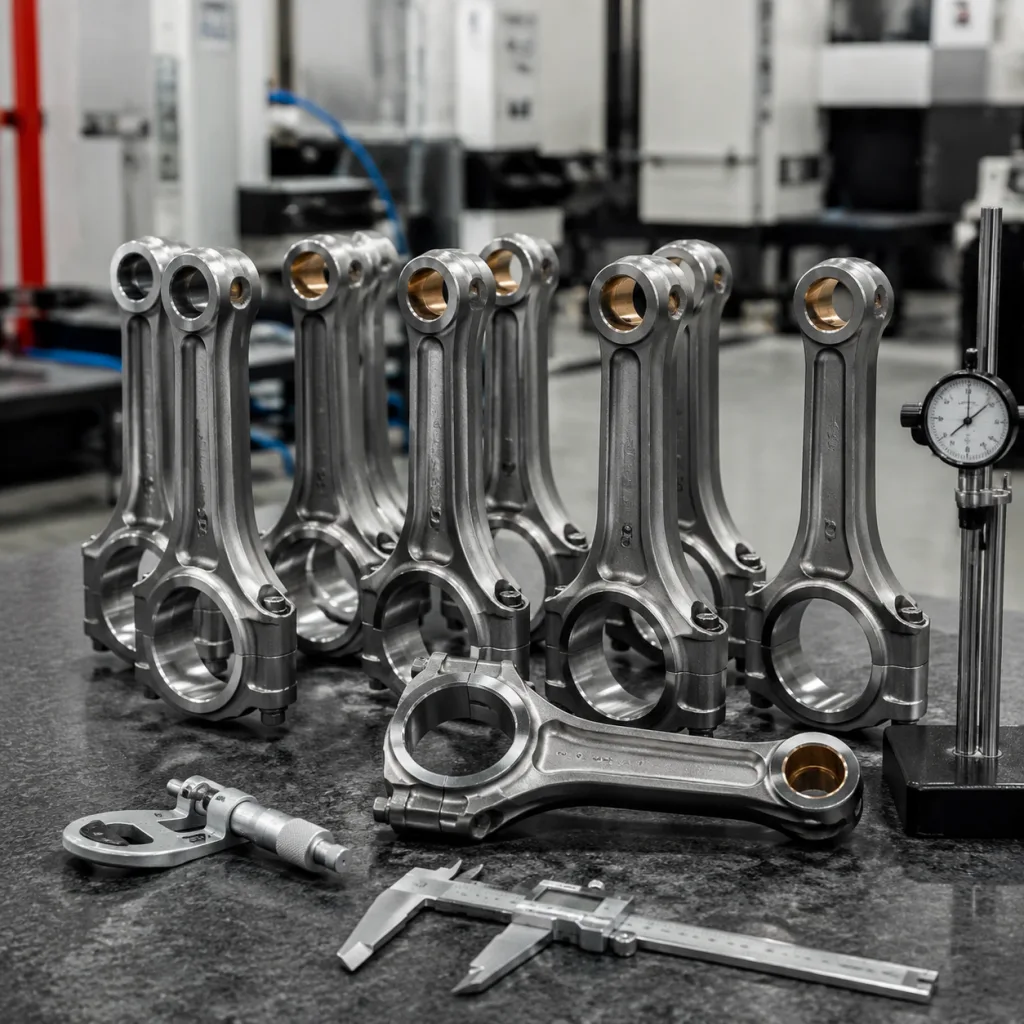
Connecting Rod for Buick Regal Aftermarket Replacement Guide
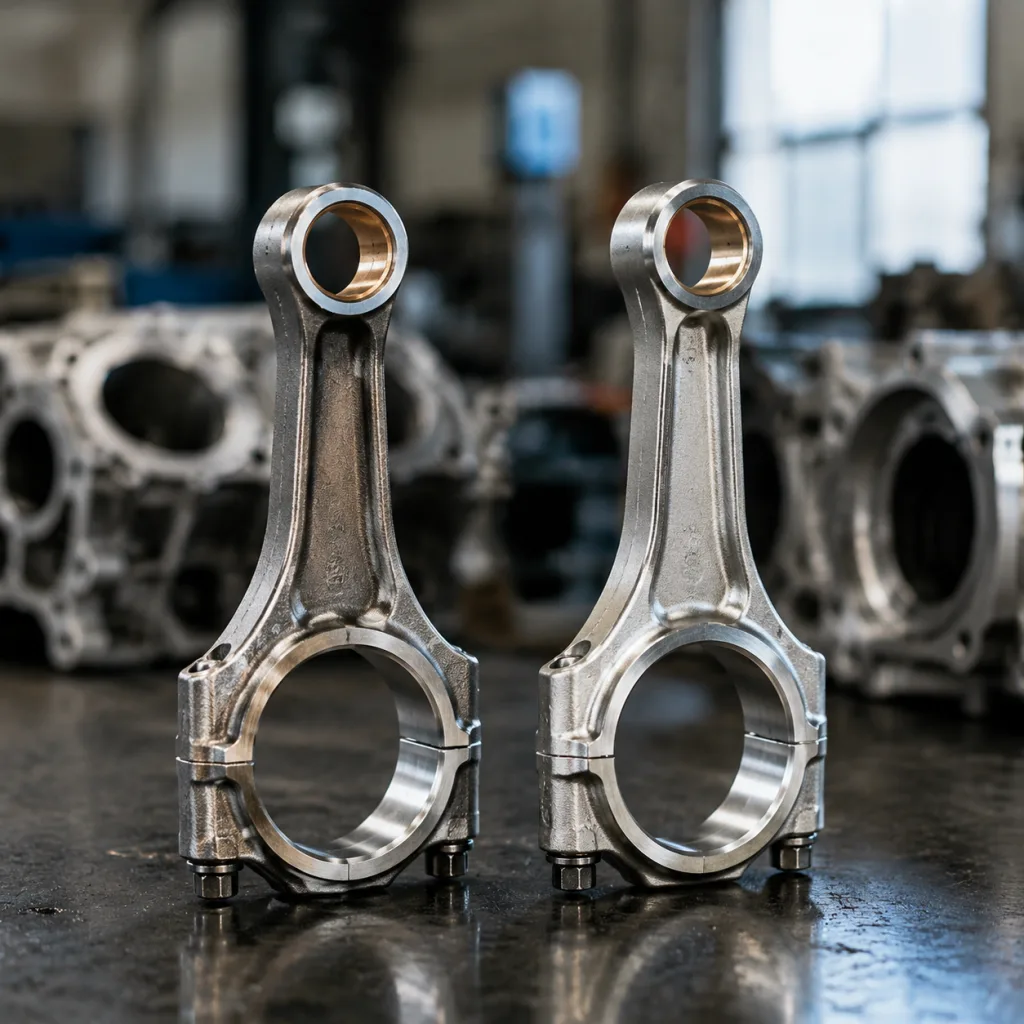
Selecting a connecting rod for Buick Regal aftermarket replacement is a fitment and validation task, not a branding exercise. Buyers need the correct centre-to-centre length, big-end bore, small-end bore, bolt specification, weight class, and surface finish so the part fits correctly and holds up under the intended duty cycle. For procurement teams, the practical question is whether the replacement rod matches OE geometry and material performance closely enough to reduce install risk, return rate, and warranty exposure. Driventus is an independent aftermarket manufacturer; brand names are referenced for fitment only. Start sourcing with the engine code, OE cross-reference where available, and the condition of the related rotating assembly. The replacement should be checked against IATF 16949:2016 and ISO 9001:2015 controls, then verified through dimensional inspection and fatigue testing before release.
What buyers should verify first
A replacement rod must be matched to the exact Buick Regal engine application, not just the model name. The most common procurement errors come from assuming interchangeability across model years, trim levels, or engine families.
Key verification points
Centre-to-centre length within the OE tolerance band
Big-end bore, small-end bore, and rod width
Bolt size, thread specification, and torque recommendation
Weight matching across the full set
Wrist pin type: full floating or press-fit
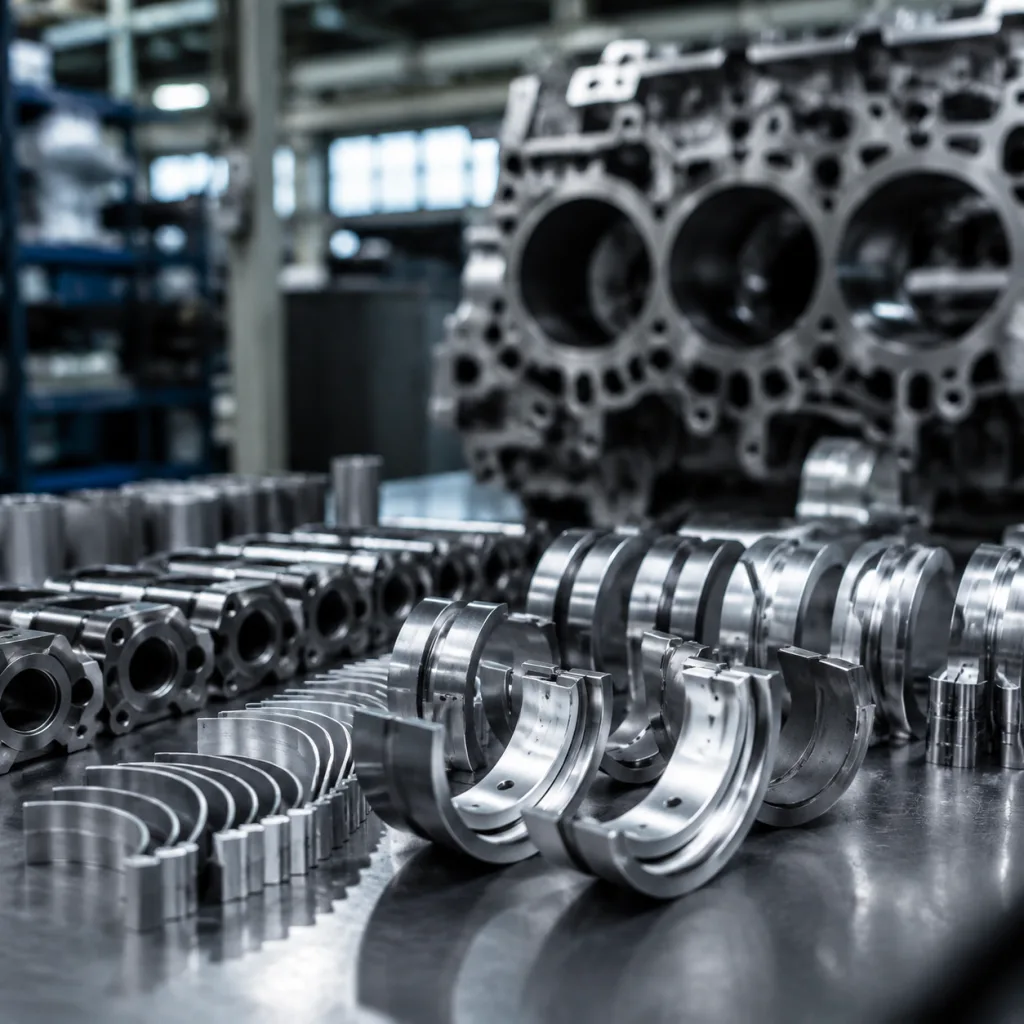
Bearing shell compatibility and oil clearance target
If the OE part number is available, cross-reference it before ordering. An OE-style reference, when cited in the buyer’s documentation, should be treated as a fitment anchor rather than an approval claim. The final purchasing file should include material grade, heat-treatment route, and an inspection report for the first article sample.
Dimensional match matters more than appearance
Two rods can look nearly identical and still fail at assembly. The replacement part must match the engine’s physical envelope, loading path, and clearance requirements.
Check item
Typical procurement focus
Why it matters
Centre-to-centre length
OE match
Affects compression height and piston position
Big-end bore
Roundness, size, finish
Controls bearing crush and oil film stability
Small-end bore
Pin fit and concentricity
Prevents pin scuffing and uneven wear
Beam profile
Mass and stiffness
Influences buckling resistance under load
Bolt integrity
Grade, stretch, torque
Critical for cap security at high rpm
</tr></thead><tbody> </tbody></table>For aftermarket replacement work, the rod should be checked after machining, shot peening, and final cleaning. Residual burrs, taper, cap mismatch, or inconsistent balancing are common reasons for early failure. A procurement team should ask for measured data, not only catalogue dimensions.
Materials, heat treatment, and load performance
Most light-vehicle replacement rods are produced from forged steel, though some applications use powder-metal or cast designs. For a Buick Regal application, the buyer should confirm the rod material and the heat-treatment route used by the supplier, because those details affect fatigue resistance and dimensional stability.
Requested technical data
Base material specification
Forging or forming method
Heat-treatment hardening depth, if applicable
Shot peening coverage on the beam surface
Bolt material and proof load
Final weight after balancing
A supplier should be able to show process control under IATF 16949:2016 and ISO 9001:2015, with traceability from raw material lot to finished part. For exports into the EU and UK, request compliance support for REACH (EC) No 1907/2006 where relevant to coatings, oils, or surface treatments. The practical goal is stable strength and repeatable geometry across batches, not just a visually clean part.
Validation tests that reduce return risk
For replacement procurement, validation should cover both fit and durability. Driventus tests engine components using controlled inspection and batch verification before shipment, which helps reduce variability at receiving and installation.
Recommended validation package
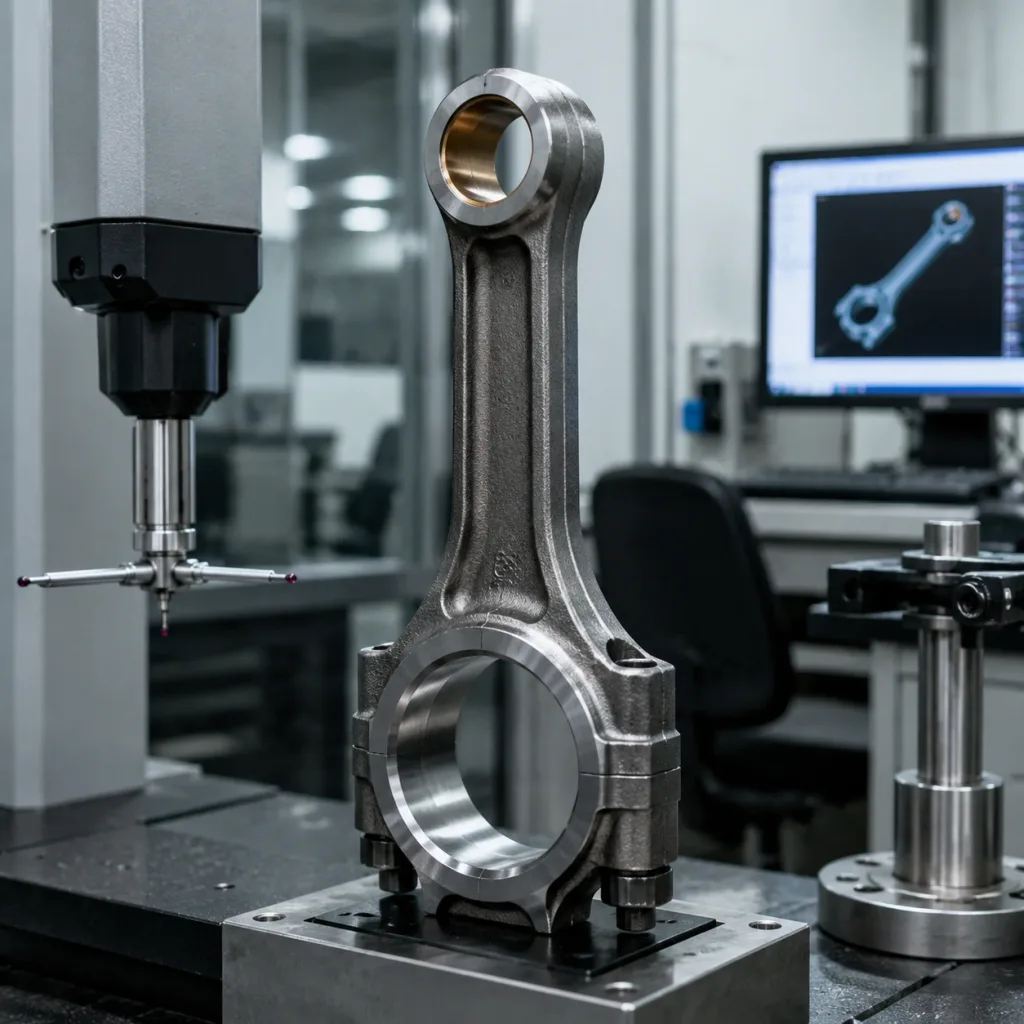
CMM or gauging report for critical dimensions
Big-end and small-end roundness checks
Rod bolt torque-to-yield or torque-angle verification
Static load or fatigue testing, as applicable to the program
Surface roughness confirmation on bearing interfaces
Mass matching report for set-level consistency
Where a buyer is supporting a fleet or repair-chain programme, ask for sample approval against the intended engine code and operating profile. If the part is intended for markets with emissions-related service rules, document compatibility at the application level and avoid unsupported claims. Standards such as ECE R-83 and SAE J2527 are more relevant to testing frameworks around vehicle systems and durability references than to a connecting rod itself, but they remain useful in broader programme documentation when OEM-level QA language is required.
How Driventus supports aftermarket replacement sourcing
Driventus supplies engine and powertrain components from Taizhou, Zhejiang, with production aligned to international B2B requirements. For connecting rods, the purchasing workflow typically starts with the application data, OE cross-reference if available, and the target market.
What buyers can request
Application mapping by engine code and OE reference
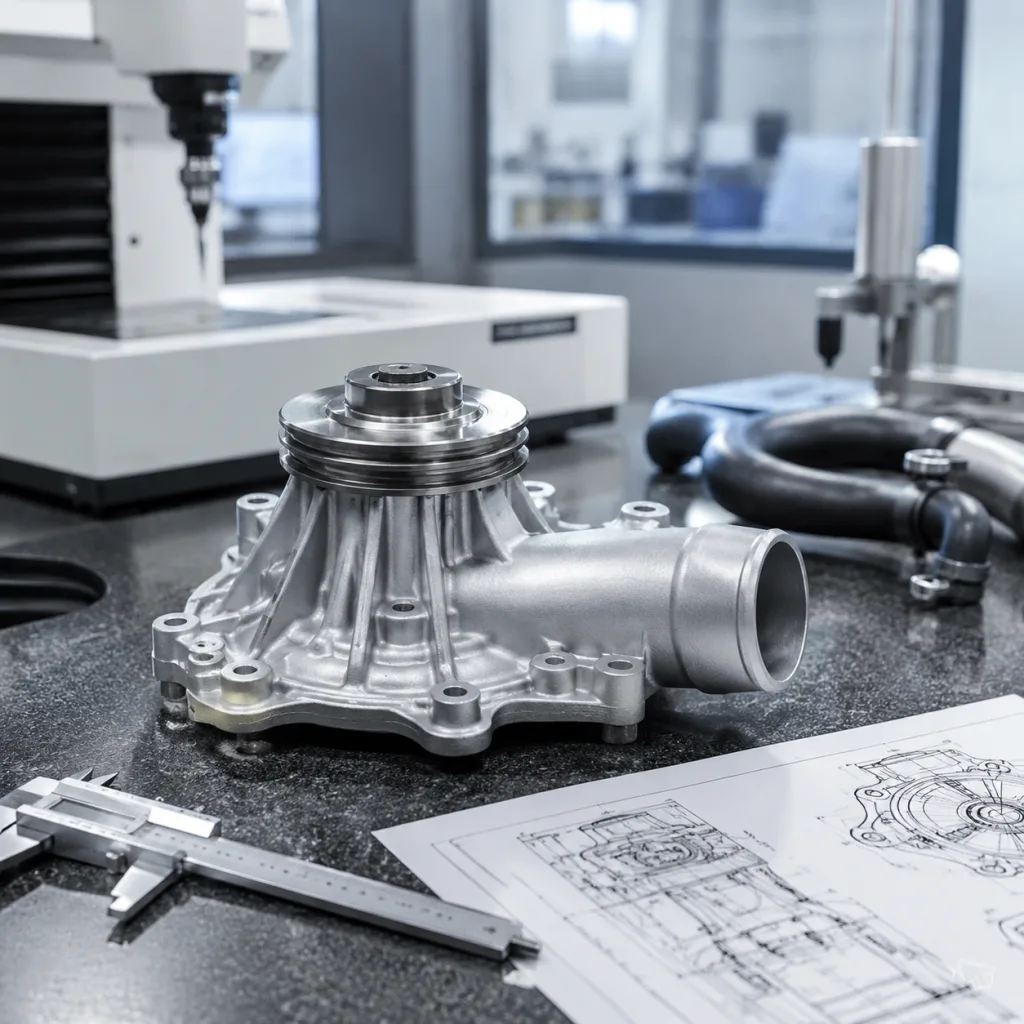
Dimensional drawings and inspection limits
Material and process declaration
Sample lot, PPAP-style documentation, or first article data
If the programme needs a special rod profile, weight target, or packaging spec, custom manufacturing can be used to align the part to the customer’s service network or distributor programme. For broader engine-family sourcing, buyers can also review our catalog and the related engine components range.
Frequently asked questions
No. Interchangeability depends on engine family, displacement, rod length, bore sizes, bolt design, and piston/pin configuration. Always confirm the OE reference and measured dimensions before purchase.
Ask for dimensional drawings, material declaration, heat-treatment information, inspection reports, and batch traceability. For regulated markets, also request REACH-related declarations where applicable.
Yes. We support application-based and program-based manufacturing for B2B buyers. Send the OE reference, target dimensions, and annual volume through the contact form for review.
If you are sourcing a replacement rod for a Buick Regal programme, send your application data, OE cross-reference, and target volume for review. Use our request form at /contact.html.